What Is Not for Commercial Use in Construction?
When you hear commercial use, you might think of office towers, retail stores, or warehouses. But in construction, what counts as commercial isn’t always obvious. And more importantly-what isn’t? If you’re building on your own land, renovating a shed, or turning a garage into a studio, you might assume it’s fine as long as you’re not running a business. But that’s not always true. Many people get caught off guard when a local council tells them they’ve broken the rules-even though they never sold anything or took payments.
It’s Not About Money-It’s About Activity
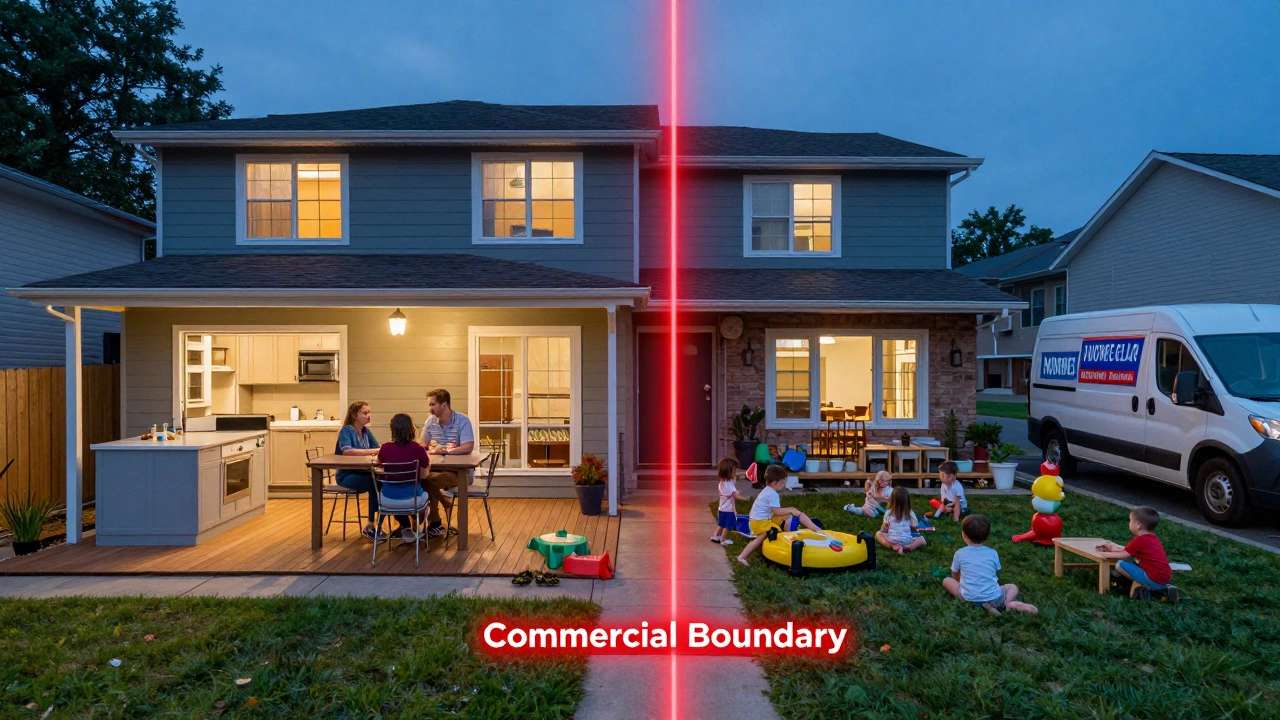
One of the biggest misunderstandings is that commercial use means making money. That’s not the full picture. Local zoning laws define commercial use by the type of activity, not whether you’re charging for it. For example, running a daycare out of your home-even if you only accept barter or donations-can still be classified as commercial because it involves caring for multiple children who aren’t your own. Same goes for holding regular yoga classes in your garage, offering freelance design services to clients who come to your home, or storing inventory for an online store in your backyard shed.In Auckland, under the District Plan, any use that changes the character of a residential zone-like increased traffic, noise, parking demands, or public access-can trigger a commercial classification. A home-based business might seem harmless, but if it draws 15+ visitors a week, generates delivery trucks daily, or requires special lighting or signage, it crosses the line.
What’s Clearly Not Commercial Use?
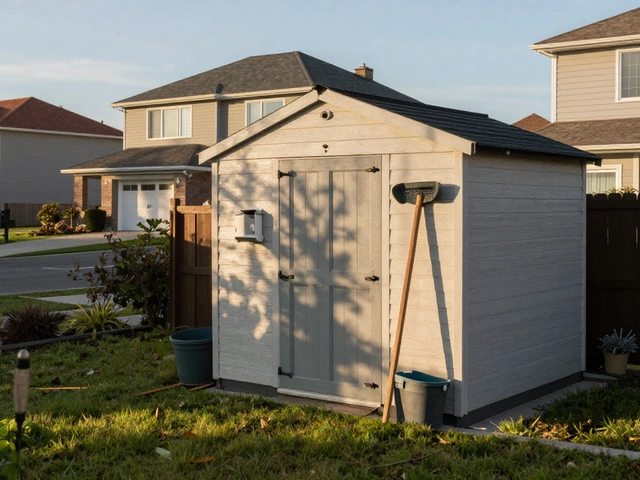
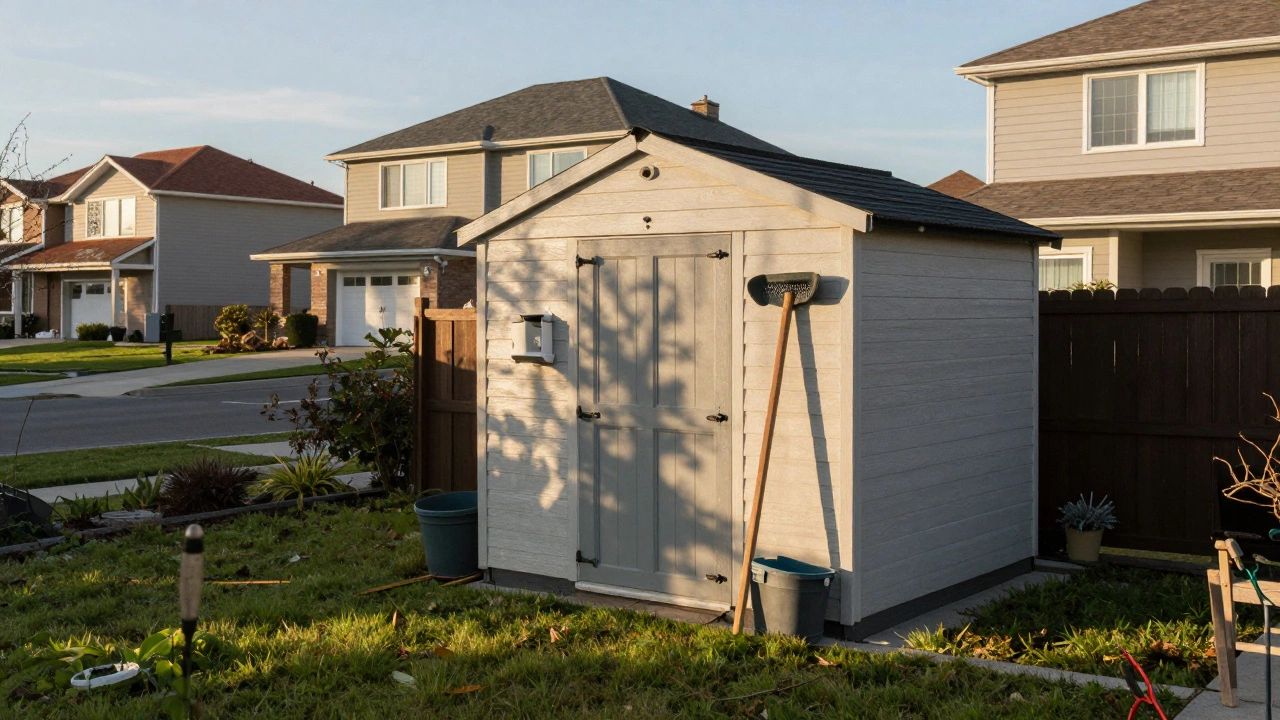
So what’s safe? Here are common examples of non-commercial construction and use:- Building a garden shed to store tools for your own use
- Converting a spare room into a home office for your personal freelance work, with no clients visiting
- Adding a deck or patio for family gatherings
- Installing solar panels to reduce your household electricity bill
- Renovating your kitchen to improve your own living experience
- Building a tiny home on your property for a family member to live in, not to rent out
These are all considered residential improvements. They don’t change the fundamental nature of the property as a private dwelling. No public access. No commercial activity. No third-party benefit beyond your household.
Gray Areas That Trip People Up
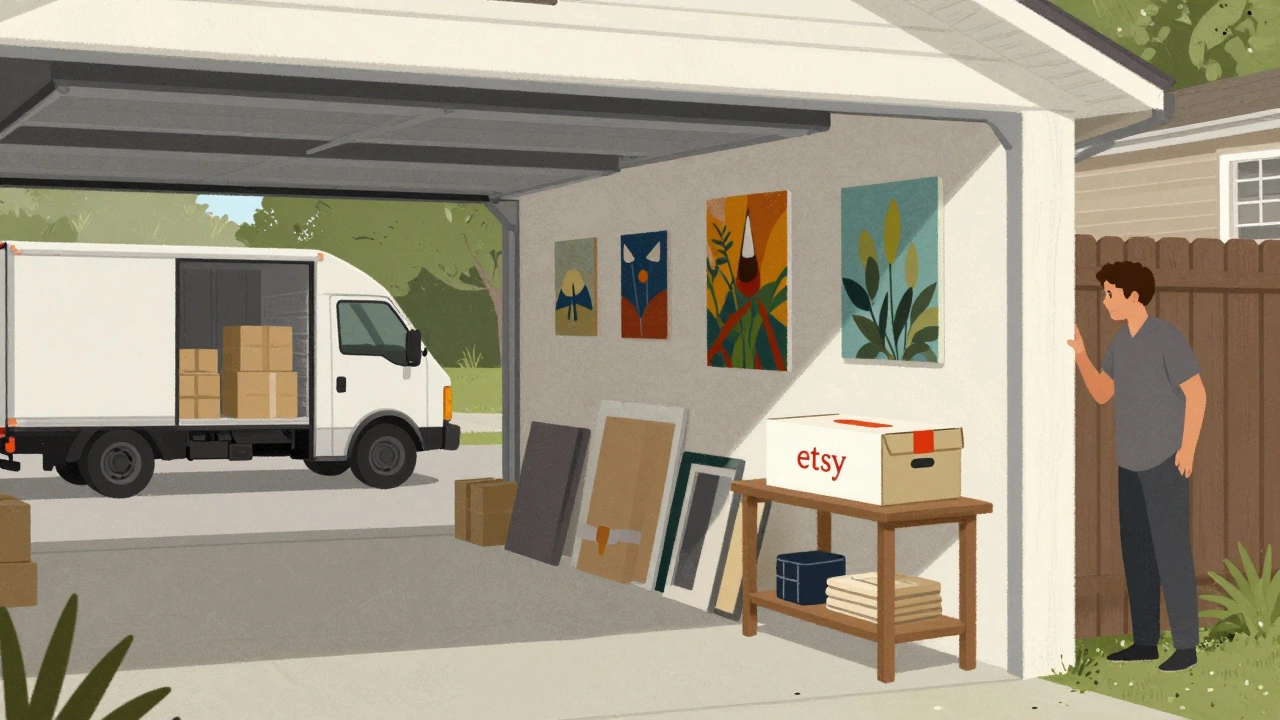
Some situations sit right on the edge. They look harmless, but they’re often flagged:- Using a garage as an art studio where you sell pieces online-but never have customers come to your door. Still commercial? Yes. Because you’re operating a business from a residential zone.
- Letting your adult child live in a converted garage apartment and charging them rent. That’s a rental property, which is commercial use under most zoning codes.
- Hosting monthly community workshops in your living room. If it’s free and open to the public, it might still be seen as a public service or commercial activity, depending on how often it happens and whether you’re promoting it.
- Storing construction materials for your own home project on your driveway. Fine. But if you’re storing materials to resell to neighbors, that’s a retail operation.
The key question isn’t “Did I make money?” It’s “Did I turn my property into something that serves the public or operates like a business?”
Why Does This Matter?
Ignoring these rules can lead to serious consequences:- Fines from your local council-sometimes thousands of dollars
- Being forced to stop the activity immediately
- Difficulty selling your property if a buyer’s lawyer discovers unapproved commercial use
- Insurance claims denied if damage occurs during unapproved commercial activity
In 2024, Auckland Council issued over 370 enforcement notices for home-based businesses operating without resource consent. Many of these were people who thought they were just being “resourceful.” One homeowner built a small studio for woodworking, sold items on Etsy, and never advertised locally. But when a neighbor complained about parking and noise, the council ruled it was commercial use. They had to stop selling, pay a $5,200 fine, and apply for a consent retroactively.
How to Stay Legal
Before you start any project, ask yourself:- Will this change how the property looks or functions from the street?
- Will people other than my household be coming here regularly?
- Will I be storing equipment, inventory, or materials that aren’t for personal use?
- Am I providing a service that’s typically offered by a business?
If you answer yes to any of these, check with your local council. In New Zealand, you can use the Auckland Council Planning Portal to search your property’s zoning rules. Look for terms like “permitted use,” “residential zone,” and “home-based business.”
Some councils allow small home-based businesses under “permitted activities” if they meet strict limits-like no more than two non-residents on-site at once, no signage, and no deliveries outside business hours. But you still need to declare it. Don’t assume silence means approval.
What If You’ve Already Done It?
If you’ve already made changes and are worried, don’t panic. Many councils offer a “self-declaration” or “retrospective consent” process. It’s not ideal-it costs more and takes longer-but it’s better than getting fined later. Start by:- Stopping any activity that might be in violation
- Documenting what you’ve done (photos, plans, dates)
- Contacting your local council’s planning department to ask about remediation options
- Applying for consent if required
Some councils will waive penalties if you come forward voluntarily and fix the issue quickly. Others won’t. But doing nothing guarantees trouble down the road.
What About Tiny Homes and Accessory Dwelling Units?
Tiny homes on wheels are often treated as vehicles, not buildings. That means they can be parked on residential land without consent-as long as they’re not used for commercial purposes. But if you rent it out, even to a friend for $200/month, it becomes a rental property. That’s commercial use.Fixed accessory dwelling units (ADUs)-like granny flats-are more clearly regulated. In Auckland, you can build one on most residential lots, but only if it’s for a family member or as a long-term rental. If you’re using it as a short-term rental (Airbnb-style), that’s commercial use and requires specific approval.
Real Example: The Home-Based Bakery
A woman in Mt. Roskill started baking sourdough bread at home and selling it to neighbors. She didn’t have a storefront. No website. Just word-of-mouth. She’d leave orders in a cooler on her porch. No one complained-until a new neighbor reported her to the council. The council said: “You’re producing food for sale on residential land. That’s commercial use.” She had to stop. She applied for consent, paid $3,800 in fees, installed a commercial-grade kitchen, and got approved-but only after a six-month delay and major renovations.She didn’t break the law out of greed. She just didn’t know the rules. And that’s the problem. Most people don’t.
Bottom Line
Commercial use isn’t about profit. It’s about impact. If your project changes how your property interacts with the neighborhood-through traffic, noise, activity, or public access-it’s likely commercial. And if you’re not sure, assume it is. Ask the council. Get it in writing. Don’t wait for a complaint. The cost of being wrong is far higher than the cost of asking.Can I run a home-based business without it being commercial use?
It depends. In many zones, small home-based businesses are allowed under strict limits-like no clients visiting, no signage, no deliveries, and fewer than two non-residents on-site at once. But you still need to check your local council’s rules. Just because you’re not charging doesn’t mean it’s not commercial. If your activity changes the character of the property, it likely counts as commercial use.
What if I’m not selling anything? Is it still commercial use?
Yes. Commercial use is defined by the nature of the activity, not whether money changes hands. Hosting regular yoga classes, running a daycare, or offering free workshops to the public can still be classified as commercial because they involve public access, repeated activity, or services typically provided by businesses.
Can I store materials for my own home project on my driveway?
Yes, as long as the materials are for your own construction and not for resale or to serve others. Storing lumber, tiles, or paint for your kitchen renovation is fine. But if you’re storing excess materials to sell to neighbors or renting out space to another contractor, that becomes commercial use.
Is renting out a garage apartment considered commercial use?
Yes. Any form of renting-whether to a family member or a stranger-is considered commercial use under zoning laws. Even if you charge below market rate, you’re providing a rental service, which changes the property’s classification. You’ll need resource consent for this in most areas.
What happens if I ignore these rules?
You risk fines, forced shutdowns, denied insurance claims, and problems when selling your property. Councils can issue enforcement notices, and buyers’ lawyers often check for unapproved uses. A hidden violation can delay or kill a sale. It’s not worth the risk.