Can I Fix My Own House Foundation? What You Need to Know Before Trying
Foundation Problem Checker
Check Your Foundation Condition
Answer these questions to assess your foundation's condition. This tool uses the same criteria as professional foundation inspectors.
Results
Enter your information to see assessment results
When you notice cracks in your walls, doors that won’t close, or floors that slope unevenly, your first thought might be: Can I fix my own house foundation? It’s a natural question. Foundation repair sounds expensive, and hiring a professional can cost thousands. But before you grab a trowel and some epoxy, let’s be clear: most foundation problems are not DIY jobs. And trying to fix them yourself can make things worse-sometimes dangerously so.
Why Foundation Problems Are Serious
Your home’s foundation isn’t just a concrete slab. It’s the structure that holds up every wall, every floor, every ceiling. When it shifts, settles, or cracks, it doesn’t just look bad-it puts your whole house at risk. In Auckland, where soil types range from clay-rich volcanic ground to loose coastal silt, foundation movement is common. Even small shifts can lead to major structural stress over time.Most homeowners spot signs like:
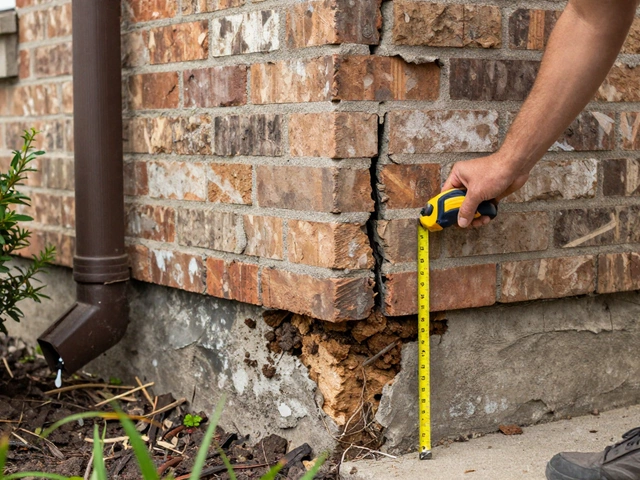
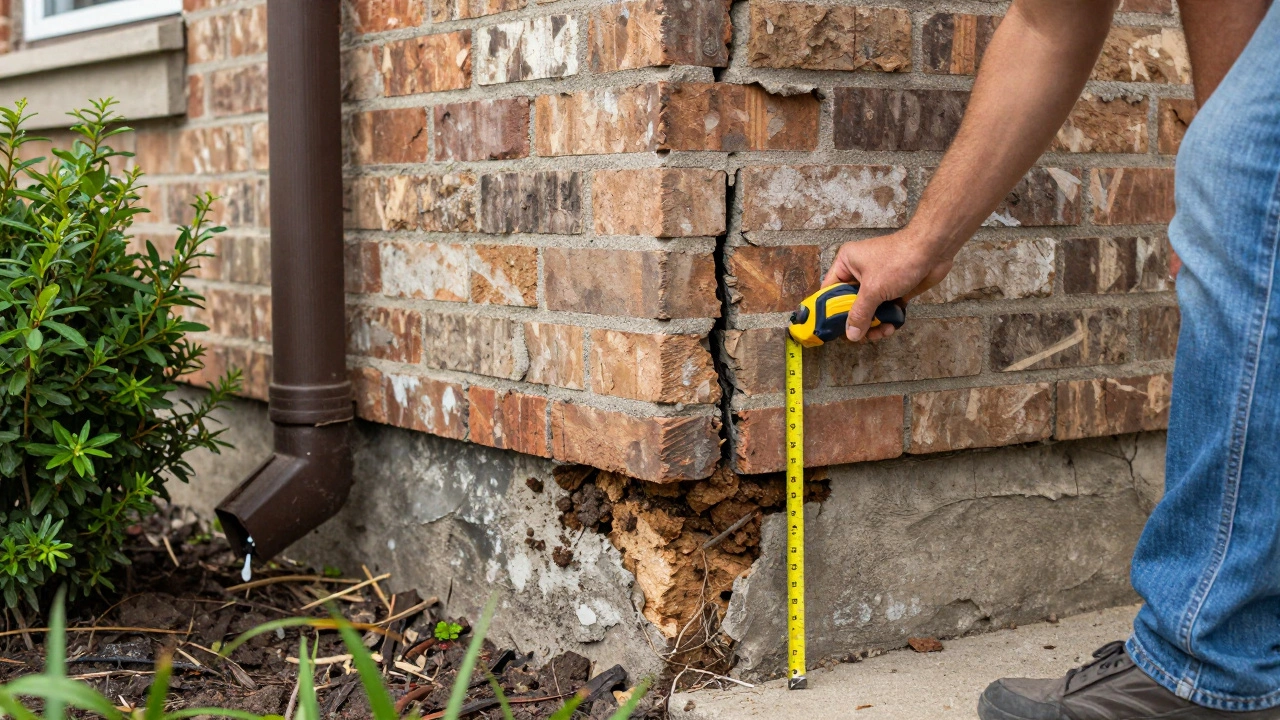
- Cracks wider than 5mm in brickwork or plaster
- Doors and windows that stick or won’t latch
- Cracks in the concrete floor, especially if they’re widening
- Gaps between walls and ceilings
- Uneven floors, especially near the center of the house
These aren’t cosmetic issues. They’re signals that the ground beneath your home is moving. And if that movement continues, it can lead to structural failure.
What You Can and Can’t Fix Yourself
Not all foundation issues are equal. Some surface-level problems can be managed with simple fixes. Others require heavy machinery, engineered solutions, and licensed professionals.DIY-friendly fixes (minor only):
- Sealing hairline cracks (less than 2mm wide) with polyurethane or epoxy injection kits
- Improving drainage around the house to reduce water pressure on walls
- Regrading soil so water flows away from the foundation
- Fixing leaking gutters or downpipes that saturate the soil
Not DIY: These need a professional:
- Crumbling or spalling concrete
- Cracks wider than 5mm
- Foundation settlement (where one side sinks more than the other)
- Heaving (foundation lifting due to frost or clay expansion)
- Structural shifts that affect load-bearing walls
Here’s the hard truth: if your foundation is moving more than 10mm over a year, you’re not dealing with a surface problem. You’re dealing with soil instability, poor drainage, or structural failure. And those issues don’t respond to epoxy glue.
Why DIY Foundation Repair Often Fails
A lot of YouTube videos make foundation repair look easy. You see someone injecting epoxy into a crack, smearing it with a putty knife, and calling it done. But those videos rarely show what happens six months later-when the crack reopens, or worse, new cracks appear elsewhere.Here’s why DIY fixes rarely last:
- They treat symptoms, not causes. A crack isn’t the problem-the soil movement is. If you don’t fix the cause, the crack will return.
- Most homeowners don’t know how to assess the root cause. Is it water? Tree roots? Poor compaction? Soil type? Without knowing, you’re guessing.
- Improper materials make things worse. Using the wrong sealant can trap moisture inside the foundation, leading to faster deterioration.
- No structural reinforcement. Most DIY kits don’t address load transfer or support. A cracked foundation under load can collapse.
In 2024, a study by the New Zealand Building Research Association tracked 127 homes with DIY foundation repairs. Within two years, 78% of those homes needed professional intervention-and 43% had worse damage than before.

What Professionals Actually Do
A qualified foundation specialist doesn’t just “patch” your foundation. They diagnose it.Here’s what a professional inspection typically includes:
- Soil testing to determine expansion potential (clay vs. sand vs. silt)
- Leveling surveys to measure how much the foundation has shifted
- Drainage assessment around the perimeter
- Structural analysis of load-bearing points
- Moisture readings inside and outside the foundation
Then they choose a solution:
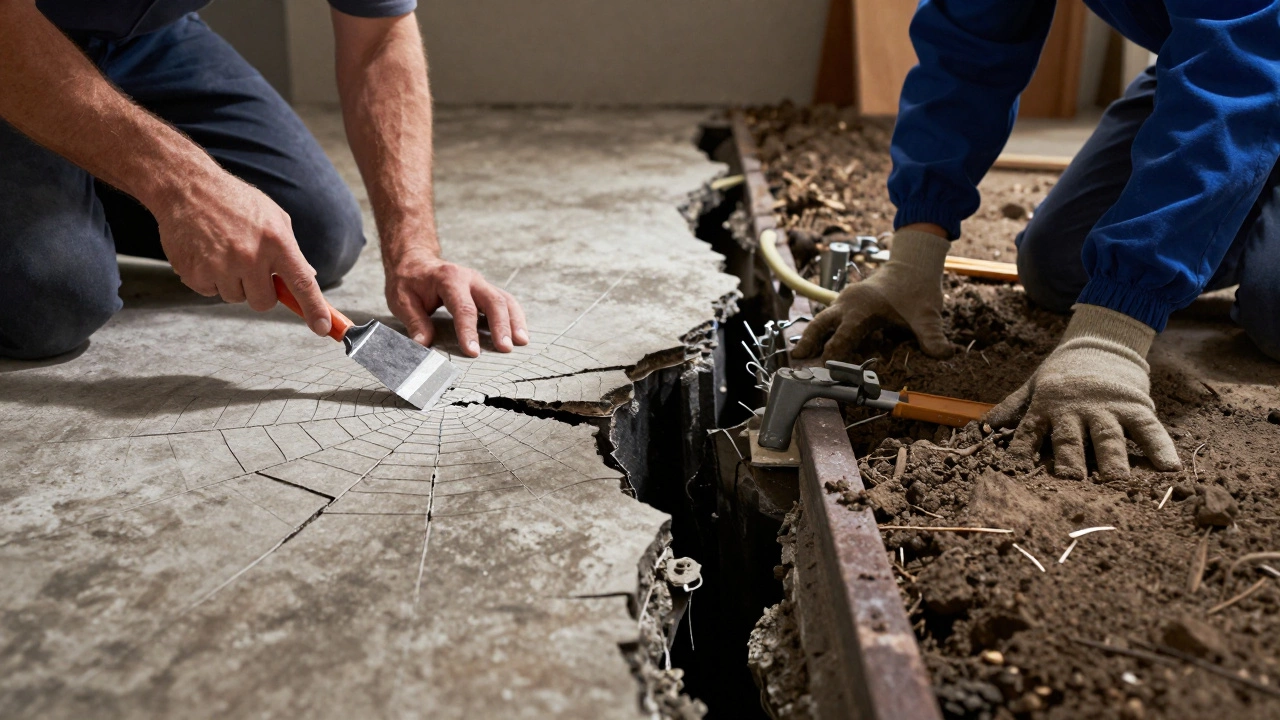
- Underpinning: Installing steel or concrete piers beneath the foundation to stabilize it. This is the most common fix for settling in Auckland.
- Grouting: Injecting cement-based slurry under pressure to fill voids and lift settled sections.
- Drainage systems: Installing French drains or sump pumps to redirect water away from the foundation.
- Slab jacking: Lifting sunken concrete slabs with high-density foam or grout.
These aren’t quick fixes. They’re engineered solutions designed to last decades. And they require heavy equipment, permits, and technical knowledge you won’t find in a home improvement store.
When DIY Might Make Sense
There’s one scenario where a homeowner can safely take action: prevention.If your house is relatively new (under 15 years), and you notice minor signs like small hairline cracks or slightly sticking doors, you can:
- Check your gutters-clean them every 3 months
- Ensure downpipes direct water at least 1.5 meters away from the foundation
- Keep shrubs and trees at least 3 meters from the house
- Water your lawn evenly during dry spells to prevent clay shrinkage
- Monitor cracks with a simple crack gauge (available at hardware stores for under $20)
These steps won’t fix a failing foundation. But they can stop a small problem from becoming a big one.
The Cost of Waiting
Many homeowners delay repairs because they think they can “wait it out.” But foundation damage doesn’t heal. It worsens.Here’s what happens if you ignore it:
- Cracks grow, allowing moisture in-leading to mold and rot
- Walls tilt, putting stress on roof structures
- Plumbing lines crack or disconnect
- Insurance may deny claims if damage is deemed preventable
- Property value drops by 15-30%
In Auckland, homes with unresolved foundation issues take 40% longer to sell-and often sell for $50,000-$120,000 less than comparable homes.
What to Do Next
If you suspect foundation damage:- Take photos of all cracks and note their location and width
- Check your home’s building consent records-some foundations were built with specific soil requirements
- Call a registered foundation specialist (ask for their New Zealand Registered Builder number)
- Get at least two written quotes with detailed scope of work
- Ask if they use laser leveling equipment-this is standard for accurate assessment
Don’t trust anyone who offers a quick fix without inspecting the soil or measuring settlement. A reputable company will give you a report, not a sales pitch.
Final Answer: Can You Fix Your Own Foundation?
The short answer? No. Not if you want your home to be safe, stable, and valuable.You can manage minor drainage issues and monitor small cracks. But if your foundation is visibly shifting, cracking, or sinking-this isn’t a weekend project. It’s a structural emergency.
Trying to fix it yourself might save you $2,000 now. But it could cost you $50,000 later. And more importantly, it could put your family at risk.
Don’t gamble with your home’s foundation. Get a professional assessment. It’s the only way to know for sure what’s going on-and how to fix it safely.
Can I use epoxy to fix a foundation crack myself?
You can use epoxy for hairline cracks under 2mm wide, but only if the crack isn’t growing and there’s no water seepage. Epoxy doesn’t strengthen the foundation-it just seals the surface. If the crack is wider than 5mm, or if the foundation is moving, epoxy will fail. It’s a temporary patch, not a solution.
How do I know if my foundation is sinking?
Signs include doors that stick on one side, windows that won’t close evenly, gaps between walls and ceilings, and noticeable slopes in the floor. A professional will use a laser level to measure settlement across multiple points. If one corner is more than 10mm lower than another, it’s likely sinking.
Is foundation repair covered by home insurance in New Zealand?
Most home insurance policies exclude coverage for foundation damage caused by gradual settlement, soil movement, or poor drainage. Coverage usually only applies if damage is caused by sudden events like earthquakes, burst pipes, or landslides. Always check your policy wording. Many homeowners are surprised to find their foundation issue isn’t covered.
How long does foundation repair take?
Simple underpinning or grouting can take 2-5 days. More complex jobs involving drainage systems or structural reinforcement may take 1-3 weeks. Most companies work in stages to minimize disruption. You won’t need to move out, but expect noise, dust, and restricted access to parts of your yard.
Can I fix a foundation in winter?
Yes, but it’s trickier. Cold temperatures can slow curing of concrete and grout. Professionals use heated materials and insulation to work safely in winter. DIY repairs in freezing conditions are risky-materials may not bond properly. It’s better to wait for milder weather if possible.
What’s the average cost of foundation repair in Auckland?
Costs vary widely. Minor underpinning for a small house: $15,000-$25,000. Moderate repairs with drainage upgrades: $30,000-$50,000. Major structural work on a large or older home: $60,000-$100,000+. Always get multiple quotes. Reputable companies offer free inspections and detailed written estimates.