Commercial vs Residential Buildings: Key Differences Explained
Building Type Comparison Tool
Select Feature to Compare
💡 Key Takeaway
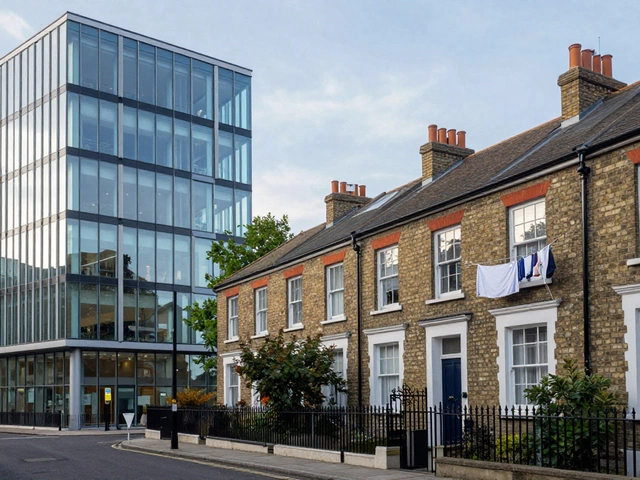
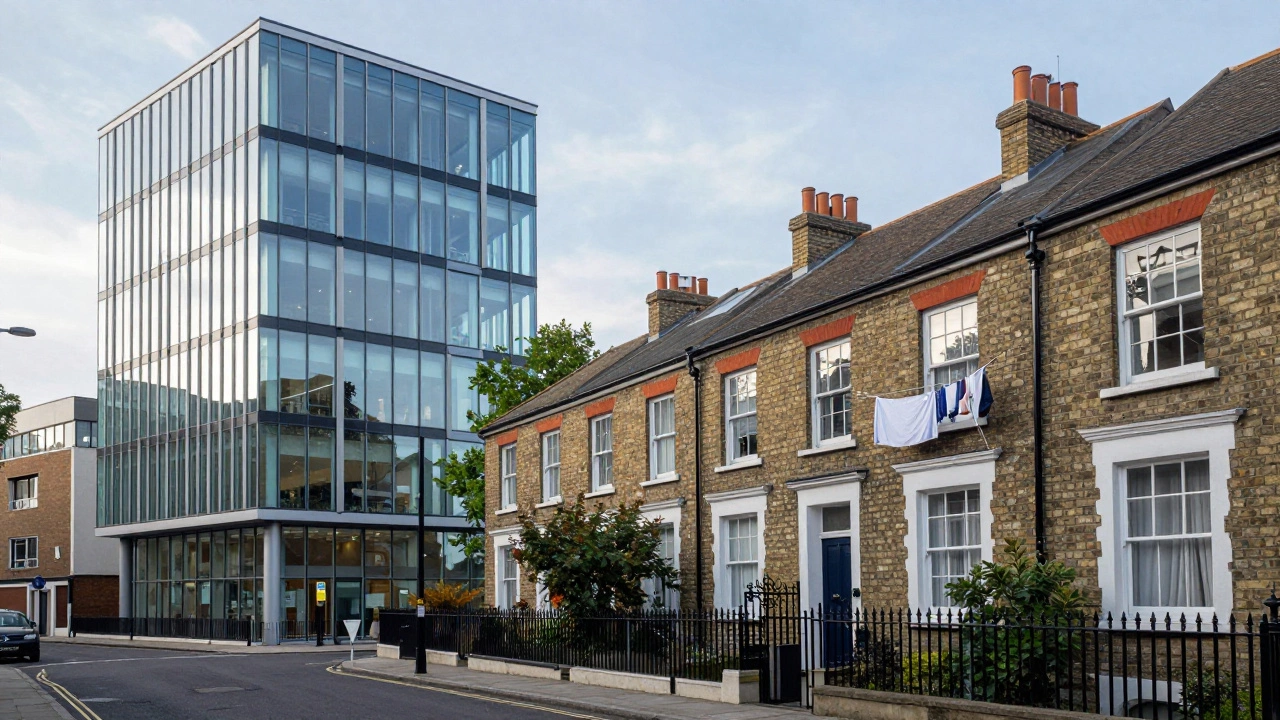
Walk down any street in Auckland, and you’ll likely see two distinct types of structures standing side by side. On one corner, there’s a sleek glass tower housing law firms and tech startups. Next door, nestled behind a fence, is a quiet row of suburban homes with laundry hanging on lines. They both have roofs, walls, and doors, but they are fundamentally different beasts. Understanding the gap between commercial and residential buildings isn’t just about architecture; it’s about safety, cost, regulation, and how people actually use these spaces.
If you’re looking to invest, build, or simply understand why your office lease costs more per square foot than your rent, this breakdown clears up the confusion. We’ll look at what makes these buildings tick, from the steel beams holding them up to the laws governing their existence.
The Core Purpose: Living vs. Earning
The most obvious difference lies in the primary function. A residential building is designed for living. It’s where people sleep, cook, raise families, and unwind. The focus here is on comfort, privacy, and creating a sense of home. Whether it’s a single-family detached house, an apartment complex, or a townhouse, the end goal is habitation.
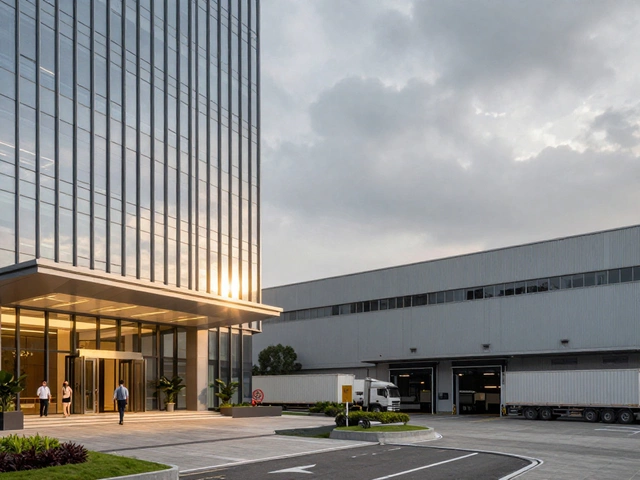
In contrast, a commercial building is designed for business. Its purpose is to generate income. This includes offices, retail stores, shopping malls, hotels, warehouses, and factories. Even if employees spend eight hours a day in an office, they aren’t "living" there. The design prioritizes efficiency, customer flow, brand image, and operational capacity over personal comfort.
This fundamental split dictates everything else. Because commercial spaces host higher volumes of transient people, they require wider corridors, more elevators, and robust security systems. Residential spaces prioritize soundproofing between units and private outdoor areas like balconies or yards.
Construction Materials and Durability
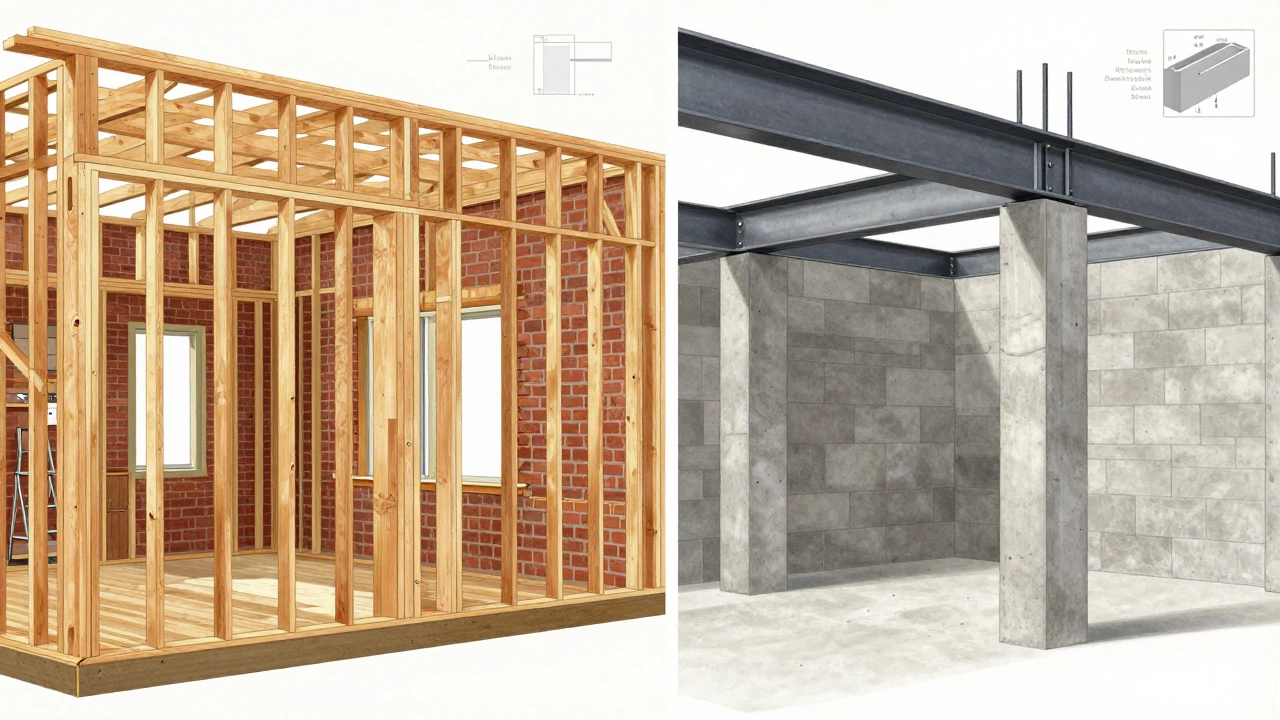
When builders break ground, the materials they choose tell a story about the building’s expected lifespan and usage. Residential construction often relies heavily on wood framing, especially in countries like New Zealand and the United States. Wood is cheaper, easier to work with, and provides good insulation for homes that may be renovated every decade.
Commercial construction demands heavier duty. You’ll typically find steel frames, reinforced concrete, and masonry. These materials offer greater structural integrity to support larger floor loads-think heavy machinery in a factory or thousands of books in a library. Commercial buildings are built to last longer, often 50 to 100 years, whereas residential structures might be rebuilt or significantly altered within 30 years.
Fire resistance is another critical factor. Commercial buildings must meet stricter fire ratings. Walls and floors often need two-hour fire resistance ratings to compartmentalize flames, giving occupants more time to evacuate. Residential buildings usually require only one-hour ratings for similar barriers. This means commercial projects use more specialized, expensive materials like fire-rated drywall and intumescent coatings.
Building Codes and Regulations
If you think getting a permit for a deck is tricky, wait until you try to build a mall. Regulatory oversight is vastly different between the two sectors. In New Zealand, the Building Code applies to all structures, but the specific clauses triggered differ wildly.
Residential buildings follow standards focused on habitability and basic safety. Think minimum ceiling heights, window egress requirements, and electrical safety for household appliances. The inspection process is relatively straightforward.
Commercial buildings face a gauntlet of regulations. They must comply with strict accessibility laws, such as the NZS 4121 standard for access and mobility. This means ramps, automatic doors, accessible restrooms, and tactile paving are mandatory. Fire safety codes are also much more rigorous, requiring sprinkler systems, smoke alarms connected to central monitoring, and clearly marked emergency exits. Additionally, commercial properties often need compliance with health and safety regulations specific to their industry, such as food handling licenses for restaurants or environmental permits for manufacturing plants.
| Feature | Residential Buildings | Commercial Buildings |
|---|---|---|
| Primary Use | Living and sleeping | Business operations and revenue generation |
| Typical Materials | Wood framing, brick veneer | Steel, reinforced concrete, masonry |
| Fire Rating | Usually 1 hour | Often 2 hours or more |
| Accessibility | Basic requirements (e.g., door width) | Strict compliance (ramps, elevators, tactile paths) |
| Lease Structure | Fixed monthly rent | Gross, Net, or Percentage leases |
| Maintenance Responsibility | Landlord handles major repairs | Tenant often responsible for interior maintenance |
Design Complexity and Systems
Have you ever noticed how quiet your office is compared to the noise of traffic outside? That’s not an accident. Commercial buildings require sophisticated mechanical, electrical, and plumbing (MEP) systems. An office tower needs powerful HVAC units to cool server rooms and open-plan spaces. It requires high-capacity electrical grids to power computers, lighting, and elevators simultaneously.
Residential systems are simpler. A home needs a standard furnace or heat pump, basic wiring for lights and outlets, and plumbing for bathrooms and kitchens. While modern smart homes are adding complexity, they still pale in comparison to the infrastructure needed for a hospital or a data center.
Lighting is another area of divergence. Commercial spaces rely heavily on artificial lighting, requiring energy-efficient LED arrays and complex control systems to manage daylight harvesting. Residential designs prioritize natural light, using large windows and skylights to create inviting atmospheres, with artificial lighting serving as a supplement rather than the primary source.
Economic Factors and Leasing
The money side of things changes completely depending on the building type. When you rent an apartment, you pay a fixed amount. The landlord pays for property taxes, insurance, and major repairs. Your job is to keep the place clean and pay the rent on time.
Commercial leasing is far more complex. You might encounter a Triple Net Lease (NNN), where the tenant pays base rent plus their share of property taxes, insurance, and maintenance. This shifts significant financial responsibility from the owner to the business operator. Commercial rents are calculated per square foot, and leases are longer-term, often spanning five to ten years. This stability allows owners to secure larger loans for construction, but it also locks tenants into long commitments.
Investment returns also differ. Residential real estate is often seen as a safer, steady investment with consistent demand. Commercial real estate can offer higher yields but comes with greater risk. If a major tenant leaves a shopping mall, the vacancy rate spikes, and value drops quickly. Residential vacancies are less impactful because individual units can be re-rented relatively fast.
Impact on Daily Life and Community
Beyond bricks and mortar, these buildings shape our communities. Residential zones create neighborhoods focused on community interaction, schools, and parks. They foster a slower pace of life and social cohesion. Zoning laws strictly separate these areas from industrial noise and pollution to protect quality of life.
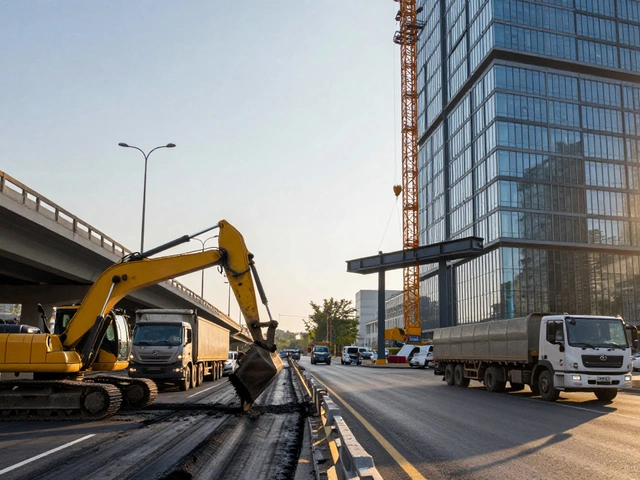
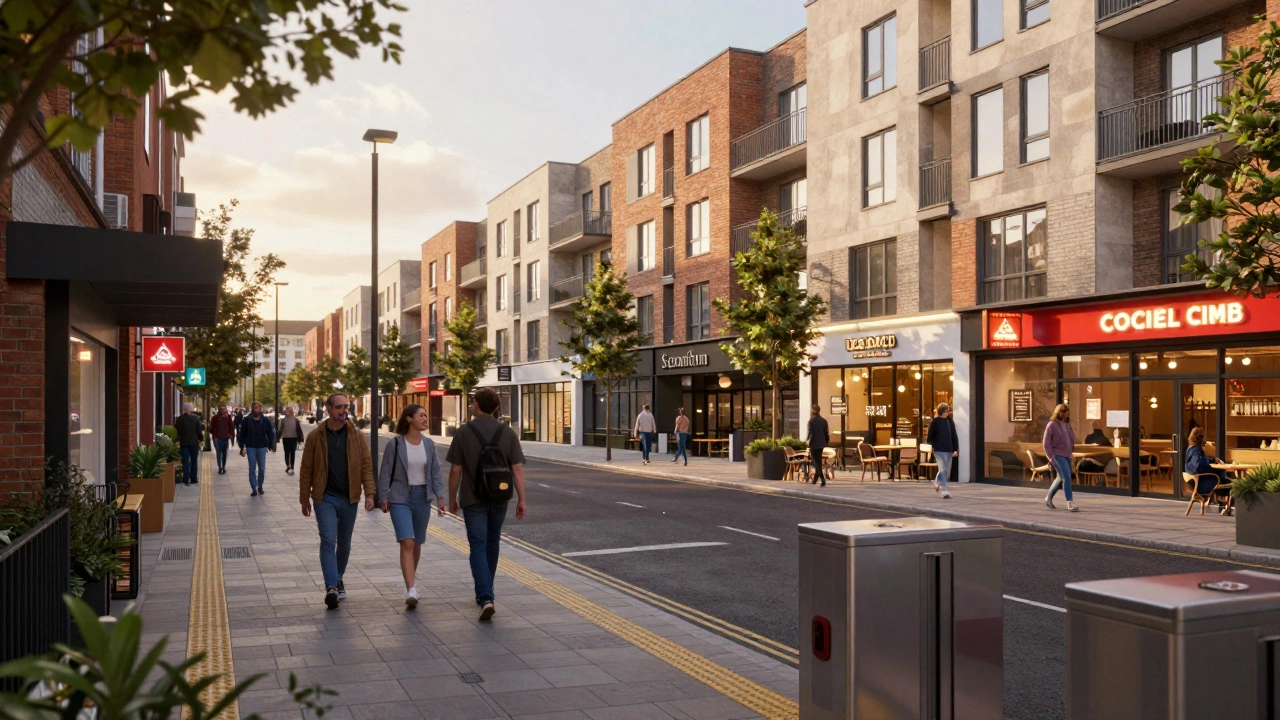
Commercial zones drive economic activity. They concentrate jobs, services, and entertainment in specific hubs, reducing the need for everyone to travel everywhere. However, they also bring challenges like traffic congestion, increased noise levels, and strain on public infrastructure during peak hours. Urban planners constantly balance these forces, trying to integrate mixed-use developments that blend living and working spaces to reduce commute times and create vibrant 24-hour districts.
Understanding these differences helps us appreciate why our cities look the way they do. It’s not just aesthetic choice; it’s a result of engineering constraints, legal requirements, and economic pressures working together to create spaces that serve distinct human needs.
Can a residential building be converted to commercial use?
Yes, but it requires significant renovation and approval from local authorities. You must upgrade the building to meet commercial codes, including fire safety, accessibility, and structural load-bearing capacity. Zoning laws must also allow for the change of use, which can be a lengthy process involving public consultation.
Are commercial buildings more expensive to maintain?
Generally, yes. Commercial buildings have more complex systems like elevators, extensive HVAC units, and fire suppression systems that require specialized maintenance. However, in many commercial leases, the tenant bears the cost of routine maintenance, shifting the financial burden away from the property owner.
What is the biggest regulatory difference between the two?
Accessibility and fire safety are the biggest hurdles. Commercial buildings must comply with strict accessibility standards (like NZS 4121) to ensure all individuals, including those with disabilities, can access the space. They also require more robust fire protection systems, such as sprinklers and smoke evacuation plans, due to higher occupant density.
Why do commercial buildings use steel and concrete instead of wood?
Steel and concrete provide greater strength and durability for larger structures. They can support heavier loads, span wider distances without internal columns, and offer better fire resistance. Wood framing is sufficient for smaller residential homes but lacks the structural capacity for high-rise offices or large retail spaces.
How does zoning affect commercial versus residential development?
Zoning laws dictate where each type of building can be constructed. Residential zones restrict commercial activities to preserve neighborhood character and reduce noise/traffic. Commercial zones encourage business clustering. Mixed-use zoning allows both, promoting walkable communities where people can live and work in the same area.