What Defines Being Commercial in Construction?
Commercial Construction Checker
Is This Building Commercial?
Based on the article: Commercial construction is defined by its business purpose, not size or location. A building qualifies as commercial if it's designed to generate income or support business operations.
When you think of a building, what comes to mind? A house? A school? A hospital? Those are all important, but they’re not commercial. Commercial construction isn’t about where people live or learn. It’s about where they work, shop, eat, and do business. It’s the warehouses, office towers, shopping malls, hotels, and restaurants that keep economies moving. So what actually defines something as commercial in construction? It’s not just who uses it-it’s why it was built, how it’s designed, and what rules it has to follow.
It’s Built for Business, Not Personal Use
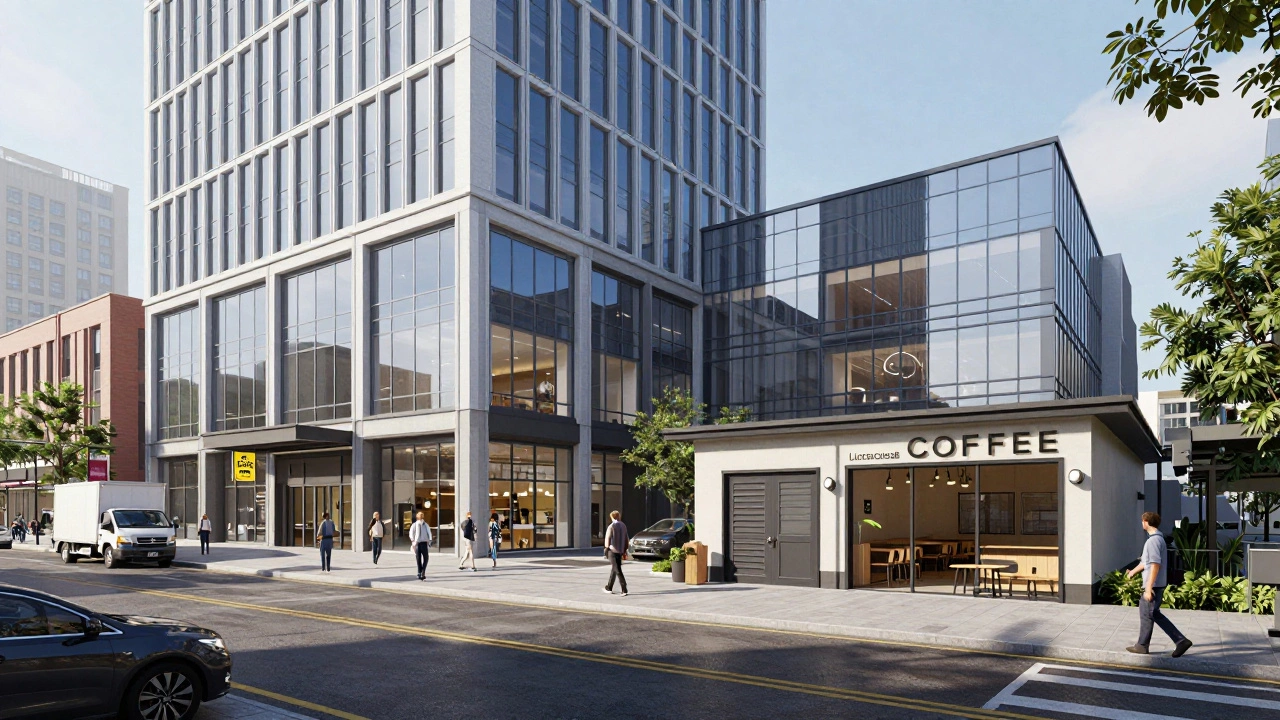
A building becomes commercial when its main purpose is to generate income or support business operations. That’s the core difference. A house might have a home office, but it’s still residential because the primary function is living. A standalone office building? That’s commercial. A restaurant in a strip mall? Commercial. A corner store run by a family? Still commercial-even if it’s small-because it sells goods or services for profit.Think about it this way: if the building’s design, layout, and permits were all chosen to help a business run better, it’s commercial. You don’t need a big name or a corporate logo. Even a tiny coffee shop in a converted garage counts if it’s licensed, pays taxes, and serves customers regularly.
Design Rules Are Different
Commercial buildings don’t follow the same rules as homes. Residential codes focus on comfort, safety for families, and energy efficiency. Commercial codes? They’re stricter, more complex, and built for high traffic, public access, and long-term durability.For example:
- Commercial buildings must have wider hallways and multiple emergency exits-sometimes one exit for every 100 people.
- Restrooms must meet ADA standards, with accessible stalls, grab bars, and sink heights that accommodate mobility devices.
- Fire safety systems aren’t just smoke alarms. They include sprinklers, fire-rated walls, and centralized alarm panels monitored 24/7.
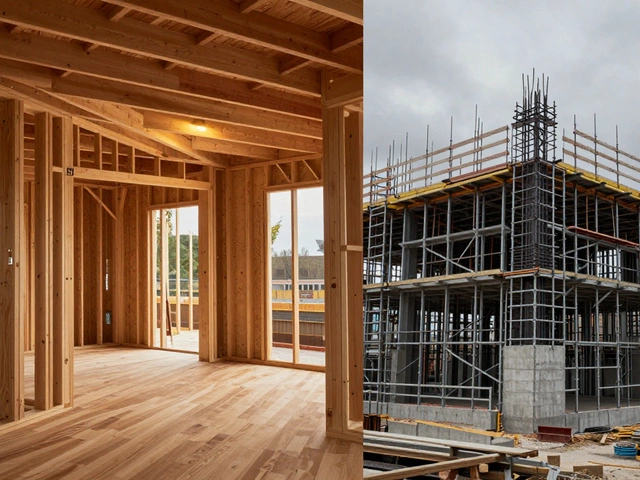
- Electrical systems are designed for heavy equipment: servers, HVAC units, industrial ovens, cash registers-all running at once.
These aren’t suggestions. They’re legal requirements. Skip them, and you won’t get a certificate of occupancy. That means no opening. No customers. No revenue.
It’s Built to Handle Crowds and Heavy Use
A home might last 50 years with light use. A commercial building? It’s expected to handle hundreds, sometimes thousands, of people every day. Floors get worn down. Doors get kicked. HVAC systems run nonstop. That changes everything about materials.Commercial projects use:
- Commercial-grade flooring-epoxy, vinyl composite, or polished concrete-that resists scuffs and chemicals.
- Heavy-duty doors and locks that can take constant use without warping or breaking.
- Industrial-grade HVAC systems that don’t just cool-they filter air, control humidity, and handle exhaust from kitchens or labs.
- Structural supports designed for heavier loads: think warehouse racks full of inventory, or rooftop AC units weighing tons.
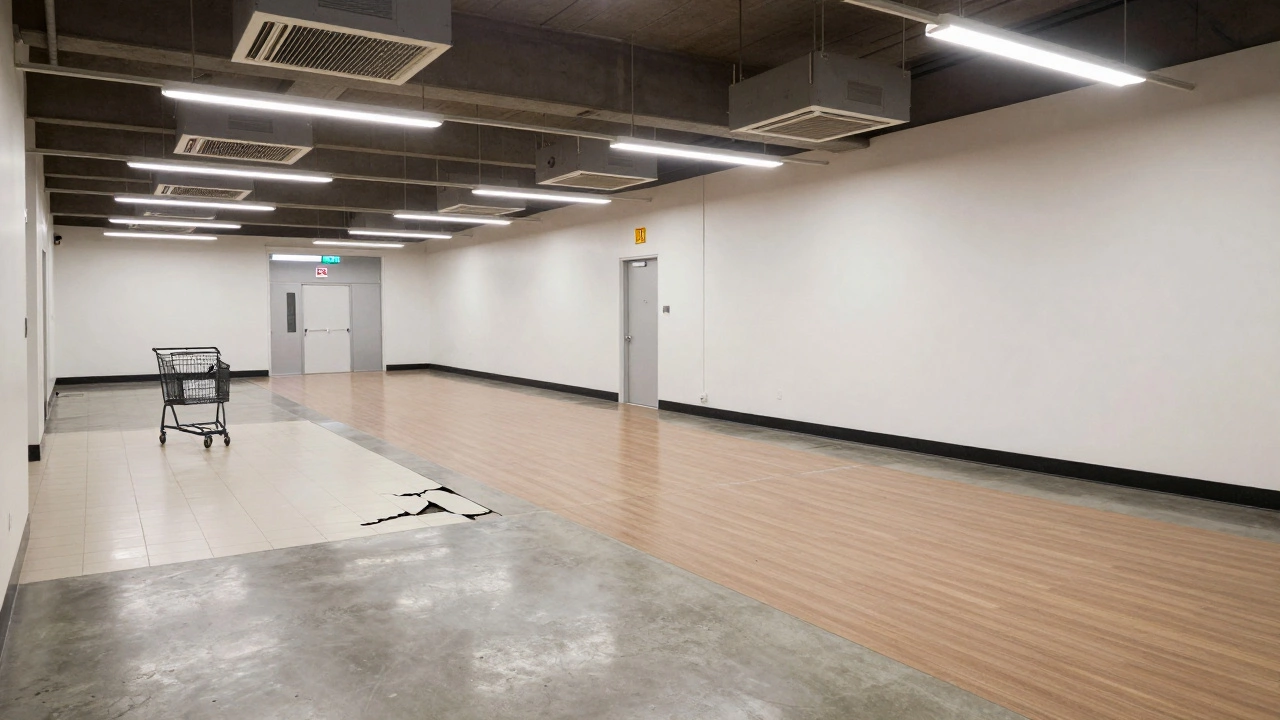
One project I saw in Auckland was a retail space that had to replace its entire floor after just three years because the homeowner used residential laminate. The tiles cracked under shopping cart wheels. The landlord lost thousands. That’s the difference.
Permits and Regulations Are Heavier
Getting a permit to build a house? You need a few forms, a site plan, and approval from neighbors. Getting a permit for a commercial building? You’re dealing with zoning laws, environmental reviews, fire marshals, building inspectors, accessibility auditors, and sometimes even traffic engineers.Here’s what’s often required:
- Zoning clearance: Is this land allowed for retail, office, or industrial use? You can’t just put a café where zoning says ‘residential only’.
- Environmental assessments: Does the building affect stormwater runoff? Will it increase traffic? Are there hazardous materials?
- Accessibility audits: ADA (or NZ’s Building Code Clause 12) compliance isn’t optional.
- Energy performance reports: Many cities now require commercial buildings to meet minimum efficiency standards before they’re approved.
These aren’t paperwork hurdles-they’re legal gates. Skip one, and your entire project can be shut down. Even after construction, inspections continue. You can’t just move in and hope for the best.
Financing and Ownership Are Structured Differently
Buying a house? You get a 30-year mortgage. Buying a commercial building? Loans are shorter-usually 5 to 20 years-and require a larger down payment (often 25%-35%). Lenders don’t just look at your credit score. They look at your business plan, tenant leases, cash flow, and market demand.That’s because commercial properties are seen as investments. A home is a place to live. A commercial building is a revenue machine. If the tenant leaves, the income stops. That’s why landlords need triple-net leases, where tenants pay property taxes, insurance, and maintenance on top of rent.
And ownership? Commercial buildings are often owned by LLCs, trusts, or investment groups-not individuals. It’s not personal. It’s financial.
It’s Not About Size
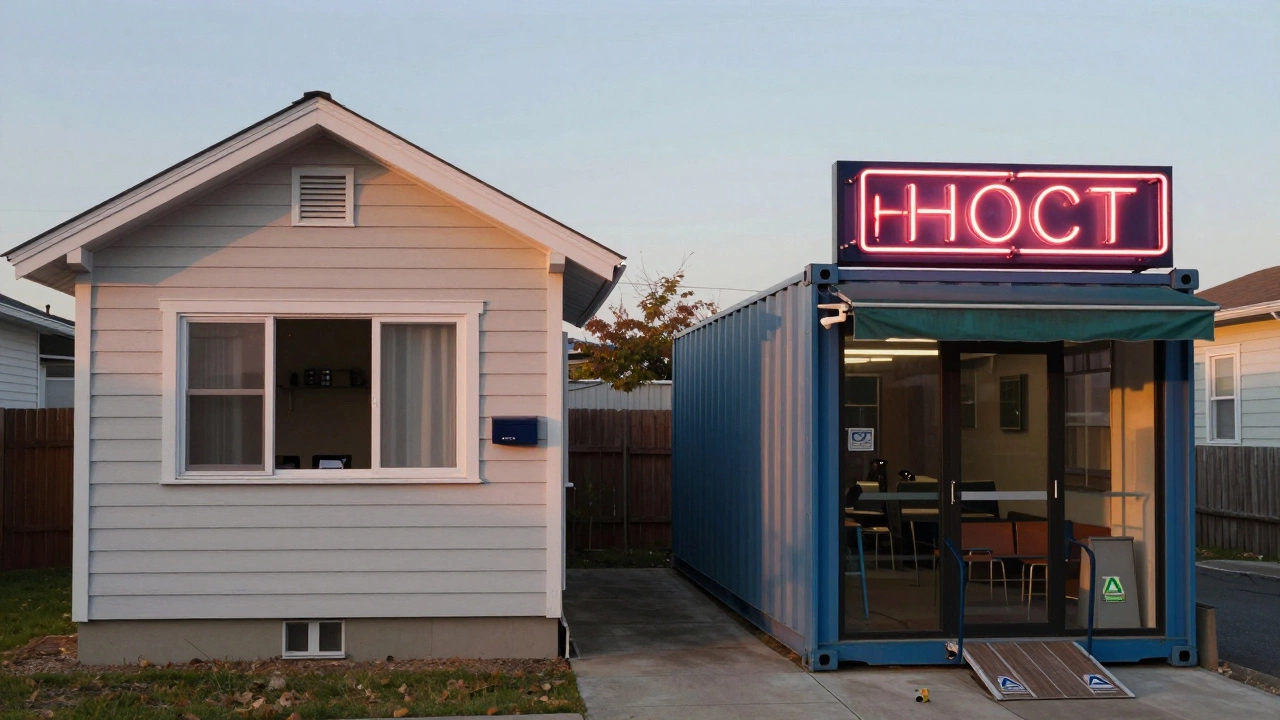
A lot of people think commercial means big. Not true. A single-story, 800-square-foot dental clinic? Commercial. A 10,000-square-foot warehouse? Commercial. A 50-seat food truck park with shared utilities? Also commercial.Size doesn’t define it. Purpose does. Even tiny spaces can be commercial if they’re legally operating as a business. That’s why you see so many converted garages or shipping containers turned into retail kiosks or clinics. They’re still commercial because they’re designed for business operations, not personal living.
What It All Comes Down To
Being commercial in construction isn’t about fancy architecture or high-end finishes. It’s about function, regulation, and intent. If a building is designed, permitted, financed, and maintained to support business activity-whether it’s selling coffee, processing loans, or storing goods-it’s commercial.It’s not about how it looks. It’s about what it does. And that changes everything-from the materials on the floor to the paperwork on the desk.
Can a home-based business make a building commercial?
Not automatically. If you run a small business from home-like freelance design or online retail-the building is still classified as residential. But if you have customers coming in regularly, display signage, or use commercial equipment, your local council may require you to reclassify it. Some cities allow home businesses with permits, but they still don’t change the building’s zoning unless you apply for a change.
Is a warehouse always commercial?
Yes, unless it’s used exclusively for personal storage. A warehouse that stores goods for sale, distributes products, or supports logistics operations is commercial. Even if it’s owned by a single company and not open to the public, its function defines it. The same building used to store your old furniture? That’s residential storage. The same building used to ship your company’s products nationwide? That’s commercial.
Can a commercial building be converted into a residence?
Yes, but it’s not simple. Converting a commercial building into housing requires changing its zoning classification, which often needs public hearings and approval from city planners. You’ll also need to meet residential building codes: smaller windows, lower ceiling heights, different fire exits, and residential-grade plumbing. Many old offices and factories have been turned into lofts-but only after major structural and legal changes.
Do commercial buildings need more maintenance than homes?
Absolutely. Commercial buildings are built for durability, but they’re also used harder. HVAC systems run 24/7, floors get cleaned daily, elevators are used hundreds of times a day. Maintenance isn’t optional-it’s a cost of doing business. A residential home might need a new roof every 25 years. A commercial building might need roof inspections every six months and repairs every 5-7 years.
Are there tax benefits for commercial construction?
Yes. Commercial buildings can be depreciated over 39 years (in the U.S.) or according to local tax rules, meaning you can deduct part of the cost annually. You can also claim deductions for equipment, renovations, energy-efficient upgrades, and even certain design fees. Residential properties don’t get the same deductions. That’s why many business owners structure ownership through LLCs-to take advantage of these tax structures.
If you’re thinking about building, buying, or converting a space, ask yourself: Is this designed to make money? If yes, then it’s commercial-even if it’s small. That’s the real definition.