Can You Live in a House with a Cracked Foundation? What You Need to Know
Foundation Crack Assessment Tool
Crack Assessment
Enter details about your foundation crack to determine if it's dangerous.
What This Means
Key indicators of dangerous cracks:
- Cracks wider than 1/4 inch
- Diagonal cracks
- Cracks that open/close with seasons
- Cracks in load-bearing walls
- Multiple warning signs present
Recommended actions:
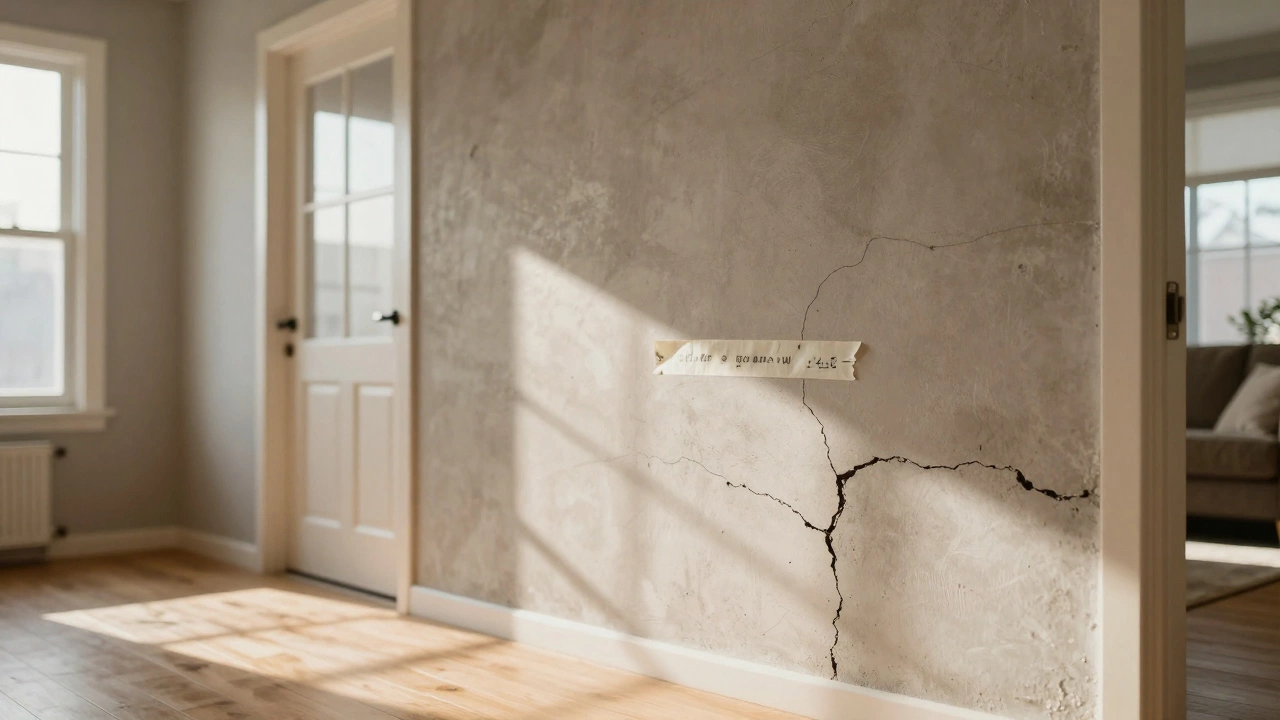
- Monitor cracks with tape for 30 days
- Take photos with scale reference
- Get professional inspection if risk is medium/high
- Document all damage for insurance
Crack Safety Guide
Repair Cost Estimate
Average costs based on 2026 data
Living in a house with a cracked foundation isn’t always a reason to panic-but it’s never something to ignore. Foundations are the silent backbone of your home. When they crack, the whole structure starts to feel unstable. You might notice doors sticking, windows jamming, or floors sloping. These aren’t just annoyances. They’re warning signs.
Not all cracks are dangerous
Foundations crack for all kinds of reasons. Some are harmless. Others are urgent. The difference comes down to size, shape, and location.
Thin, hairline cracks-less than 1/8 inch wide-are common in concrete slabs and block walls. These usually happen as the concrete cures or settles slightly over time. They’re called shrinkage cracks. If they’re dry, stable, and don’t let water through, they’re not an emergency. You can seal them with epoxy or caulk and move on.
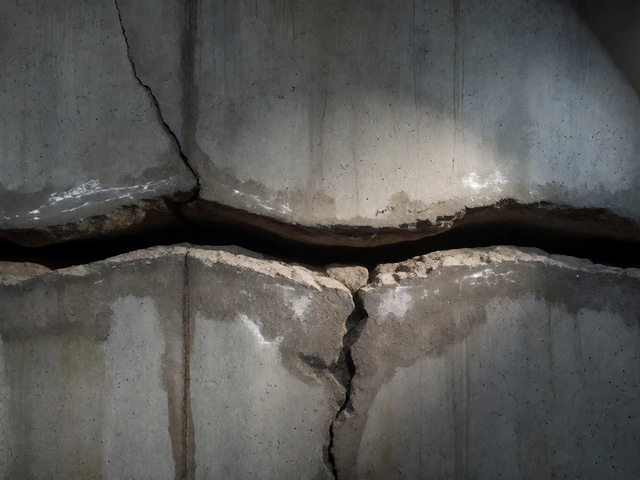
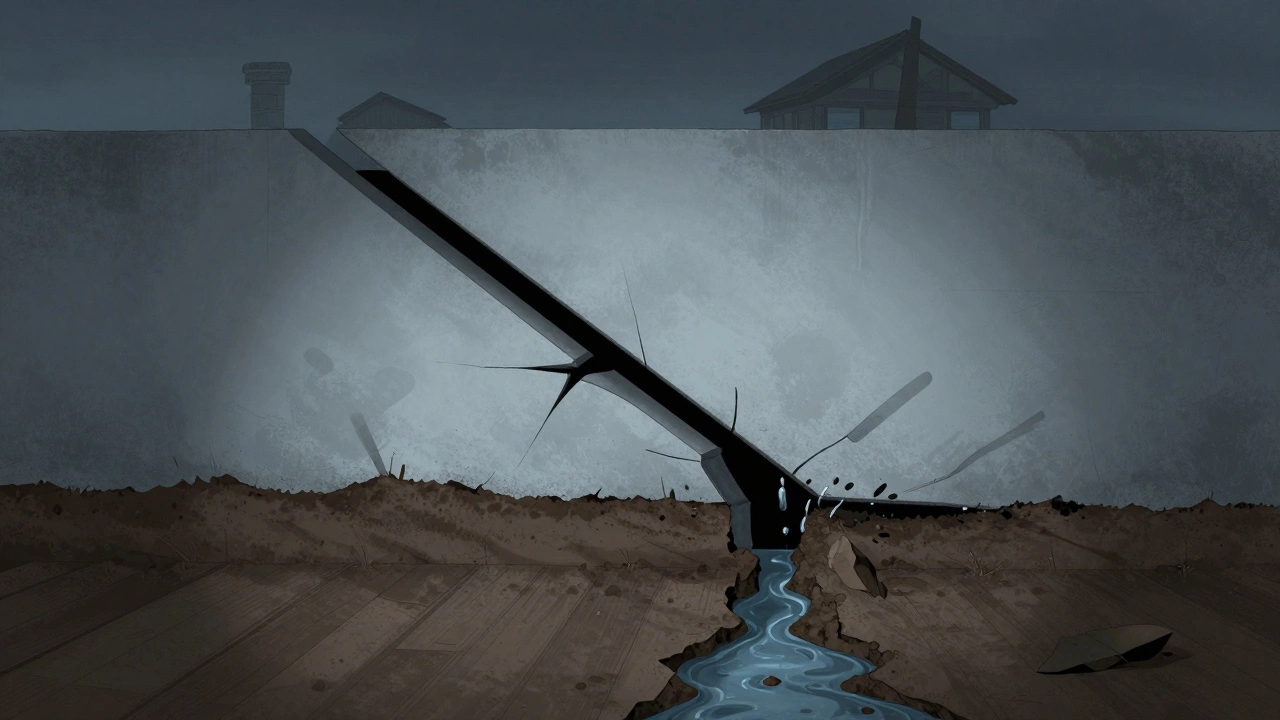
But if the crack is wider than 1/4 inch, runs diagonally across a wall, or opens and closes with the seasons, that’s a red flag. These are often structural cracks. They mean the foundation is shifting, sinking, or being pushed by soil pressure. That kind of damage doesn’t fix itself. It gets worse.
What happens if you ignore it?
Ignoring a bad foundation crack is like ignoring a cavity in your tooth. At first, it’s just a small hole. Then it spreads. Eventually, it affects everything around it.
Water gets in through the crack. That leads to mold, rot, and dampness in your basement or crawl space. Your walls bow inward. Floors sag. Chimneys pull away from the house. The drywall in your upstairs bedrooms starts cracking again and again, no matter how many times you patch it.
Worse, your home’s value drops. Buyers walk away from houses with known foundation issues-even if they look fine on the surface. Lenders often refuse mortgages on homes with unaddressed structural damage. Insurance companies may deny claims if they find you knew about the problem and didn’t act.
When is it safe to stay?
You can live in a house with a cracked foundation if the damage is minor and stable. Many homeowners do. But you need to monitor it closely.
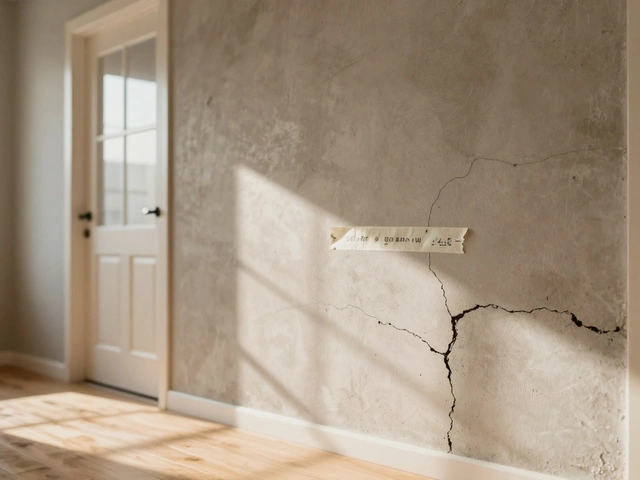
Put a piece of tape across the crack. Mark the date. Check it every month. If the tape tears, or the crack grows wider, you’ve got movement. That means the foundation is still shifting. Don’t wait. Call a structural engineer.
Also, look for other signs:
- Doors and windows that won’t close properly
- Stair-step cracks in brick or block walls
- Cracks in the chimney or fireplace
- Uneven floors, especially near the center of the house
- Water pooling near the foundation after rain
If you see two or more of these, you’re not just dealing with a cosmetic issue. You’re dealing with a structural one.
How much does repair cost?
Repair costs vary wildly depending on the type of damage and your location. In 2026, here’s what you’re likely to pay:
| Repair Type | Typical Cost Range | Time to Complete |
|---|---|---|
| Crack sealing (hairline) | $300-$800 | 1-2 days |
| Underpinning (steel piers) | $1,500-$5,000 per pier | 3-7 days |
| Slabjacking (concrete lifting) | $1,000-$3,000 | 1 day |
| Full foundation replacement | $20,000-$50,000+ | 2-4 weeks |
| Drainage improvement | $1,500-$6,000 | 2-5 days |
Most homeowners spend between $3,000 and $7,000 to fix moderate foundation issues. The key is catching it early. The longer you wait, the more expensive it gets.
What’s the long-term impact?
Even after repair, a house with a history of foundation damage can feel different. The walls might still creak. The floors might still slope a little. But that’s normal. What matters is whether the movement has stopped.
A properly repaired foundation can last 50 years or more. Steel piers, for example, are designed to last the life of the house. But you still need to maintain it. Keep gutters clean. Grade the soil away from the house. Don’t let trees grow too close to the foundation-they’ll suck up moisture and cause the soil to shrink.
Some homeowners worry about resale value. It’s true: a house with a repaired foundation often sells for less than one without damage. But it’s not unsellable. If you have documentation-photos, inspection reports, contractor invoices-you can prove the repair was done right. That makes buyers feel safer.
What should you do right now?
If you’ve noticed cracks, don’t panic. Don’t ignore it. Do this:
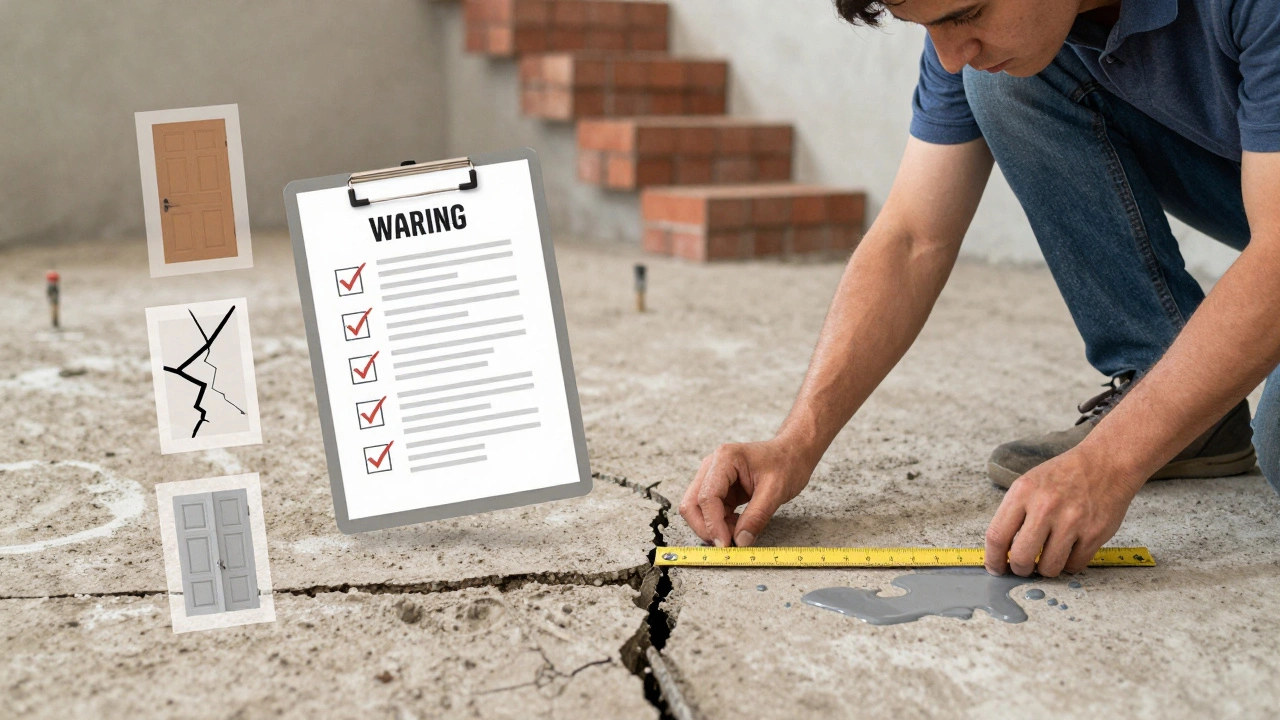
- Take clear photos of every crack. Include a ruler or coin for scale.
- Monitor them for 30 days. Note any changes.
- Call a licensed foundation inspector-not a general contractor. They’ll use tools like a laser level, moisture meter, and crack gauge to measure movement.
- Get at least two written estimates. Ask if they offer a transferable warranty.
- Check your homeowner’s insurance. Some policies cover foundation repair if the damage was caused by a covered peril like a burst pipe or earthquake.
Most foundation issues aren’t emergencies-but they become emergencies if you wait too long. The goal isn’t to live in perfect condition. It’s to live in safe, stable condition. And that means acting before the crack turns into a chasm.
Common myths about cracked foundations
There’s a lot of misinformation out there. Here’s what’s true:
- Myth: All cracks mean the house is collapsing.
Truth: Most cracks are normal. Only a few are dangerous. - Myth: You need to move out during repairs.
Truth: Most repairs take less than a week. You can usually stay home. - Myth: Foundation repair is always expensive.
Truth: Early fixes cost a fraction of full replacements. - Myth: If it’s not leaking, it’s not a problem.
Truth: Movement is the issue-not water. A dry crack can still be structural.
Final thought
You can live in a house with a cracked foundation. But you shouldn’t live in denial. The foundation doesn’t care if you’re busy, broke, or scared. It just reacts to pressure, moisture, and time. The best thing you can do is know what you’re dealing with-and act before it’s too late.
Can a cracked foundation cause a house to collapse?
It’s extremely rare for a house to collapse solely from a cracked foundation. But severe, untreated damage can lead to structural failure over time. Walls can buckle, floors can cave in, and load-bearing elements can shift. Most collapses happen after years of neglect, not suddenly. Early detection and repair prevent this.
Is a cracked foundation covered by homeowners insurance?
Most standard policies exclude coverage for foundation damage caused by settling, soil movement, or poor drainage. However, if the crack was caused by a sudden event like a burst pipe, tree root intrusion, or earthquake (if you have earthquake coverage), it may be covered. Always check your policy and document the damage before making a claim.
How long does foundation repair last?
Quality foundation repairs-like steel piers or carbon fiber straps-are designed to last the lifetime of the home. Many companies offer transferable warranties of 20-50 years. The longevity depends on the repair method, soil conditions, and ongoing maintenance. Drainage control is just as important as the repair itself.
Can I fix a cracked foundation myself?
You can seal small, non-structural cracks with epoxy or polyurethane filler. But if the crack is wider than 1/4 inch, runs vertically or diagonally, or is accompanied by other signs of movement, DIY fixes won’t work. Trying to fix a structural issue yourself can make it worse and void warranties. Always consult a licensed inspector before attempting repairs.
Do all houses eventually develop foundation cracks?
Most houses develop minor hairline cracks over time due to natural settling and temperature changes. This is normal. But not all cracks are the same. Cracks that grow, widen, or appear suddenly are not normal. They indicate a problem with soil, drainage, or construction. Regular inspections every 3-5 years can catch issues before they become serious.