What Does Commercial Mean Legally in Construction? A Clear Guide
Commercial vs. Residential Classification Checker
Does the project include these features?
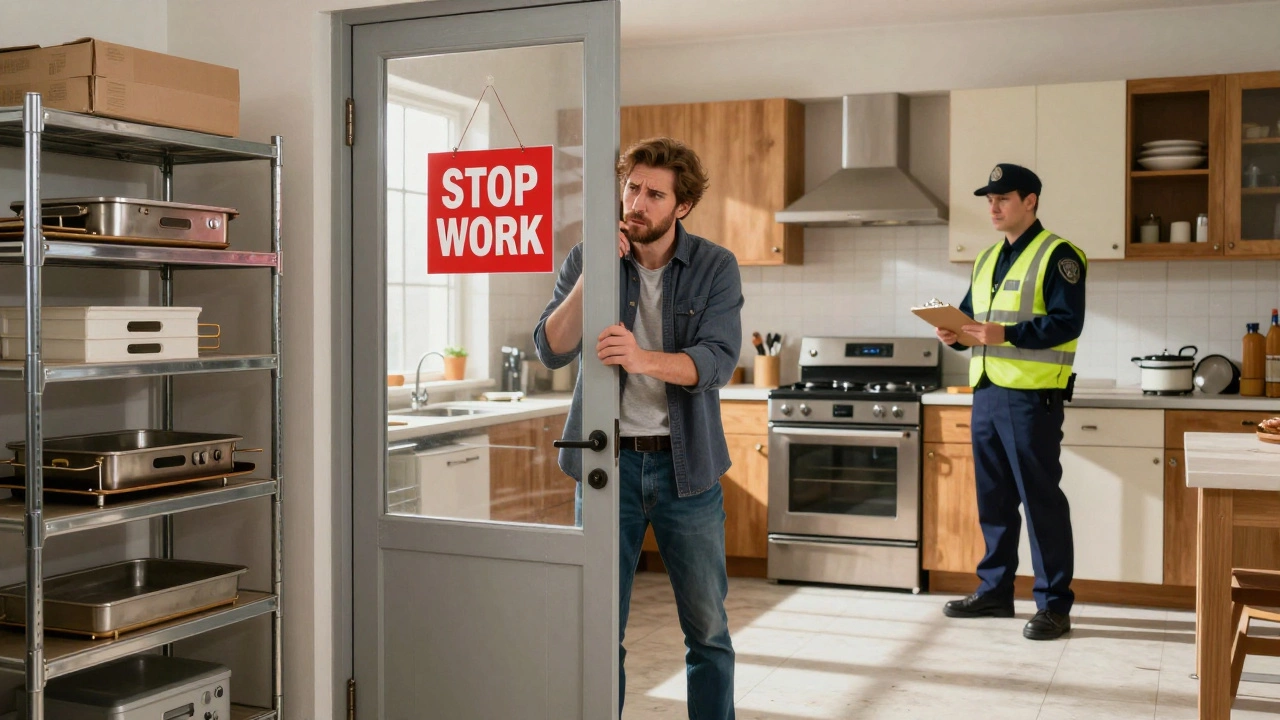
Imagine you have a perfect plan for a home-based bakery. You buy the equipment, lease the space, and start baking. Then, a city inspector shuts you down. Why? Because your property is zoned residential, not commercial. This isn't just bad luck; it’s a fundamental misunderstanding of what "commercial" means in the eyes of the law. In the world of construction and real estate, "commercial" is not just a casual label for anything that makes money. It is a specific legal classification with strict rules, different safety standards, and unique financial implications.
If you are planning to build, renovate, or invest in property, knowing the legal line between residential and commercial is critical. Getting this wrong can lead to denied permits, massive fines, or even being forced to demolish your work. Let’s break down exactly what makes a project "commercial" legally, why it matters, and how it affects your bottom line.
The Legal Definition of Commercial Property
Legally, Commercial Property is real estate used for business activities rather than living purposes. While the definition sounds simple, the application is complex. Courts and zoning boards generally look at the primary use of the property. If the main purpose is to generate income through business operations, sales, or services, it falls under commercial classification.
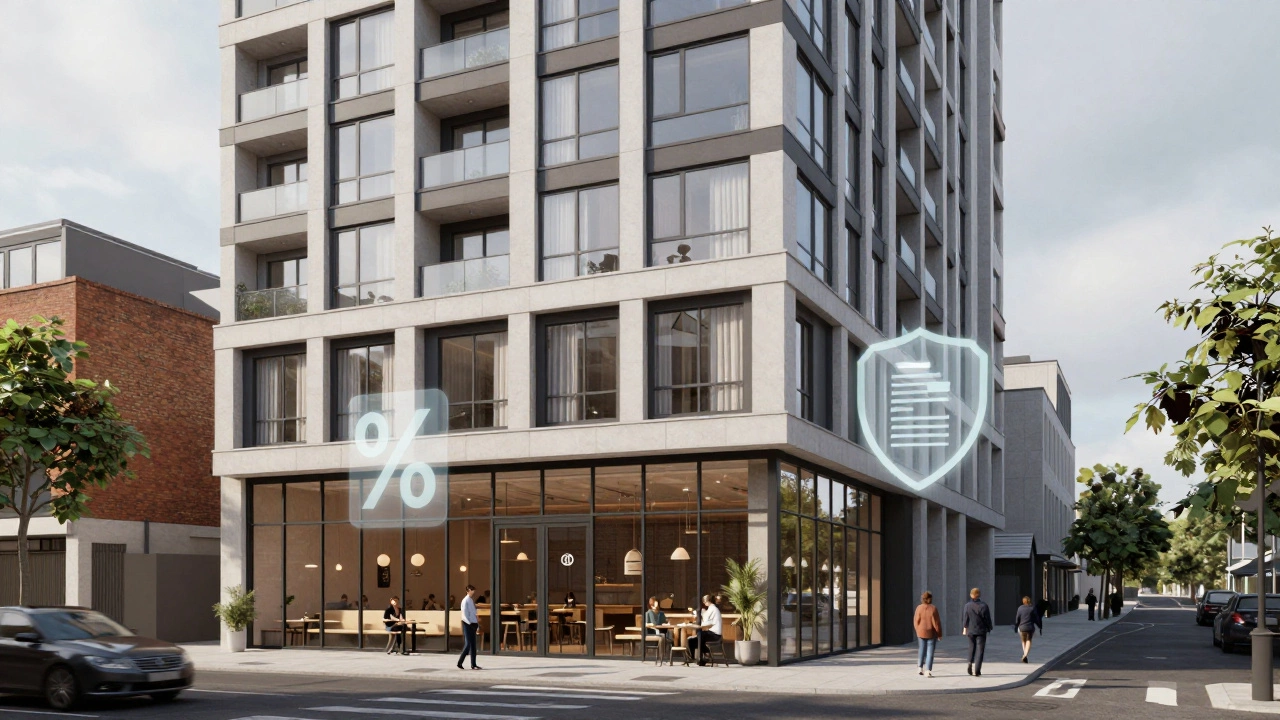
This includes offices, retail stores, warehouses, hotels, and restaurants. However, there is a gray area known as "mixed-use" properties. These buildings might have apartments on top and shops on the bottom. Legally, each section is treated separately based on its specific function. The shop is commercial; the apartment is residential. Understanding this distinction is the first step in navigating any construction project.
- Residential: Used for sleeping, cooking, and daily living (homes, condos).
- Commercial: Used for business, trade, or industry (offices, stores, factories).
- Mixed-Use: Combines both residential and commercial spaces in one structure.
Zoning Laws: The Gatekeeper
The most immediate legal impact of the "commercial" label comes from Zoning Laws are local regulations that dictate how land can be used within specific geographic areas. Every city and county divides its land into zones. You cannot simply decide to turn your backyard garage into a mechanic shop if your neighborhood is zoned strictly for single-family homes.
Zoning determines everything from traffic flow to noise levels. Commercial zones are designed to handle higher foot traffic, delivery trucks, and longer operating hours. If you try to operate a commercial business in a residential zone, you violate these laws. To do so legally, you often need a special permit called a variance or a conditional use permit, which requires approval from local planning commissions. This process can take months and is never guaranteed.
Building Codes and Safety Standards
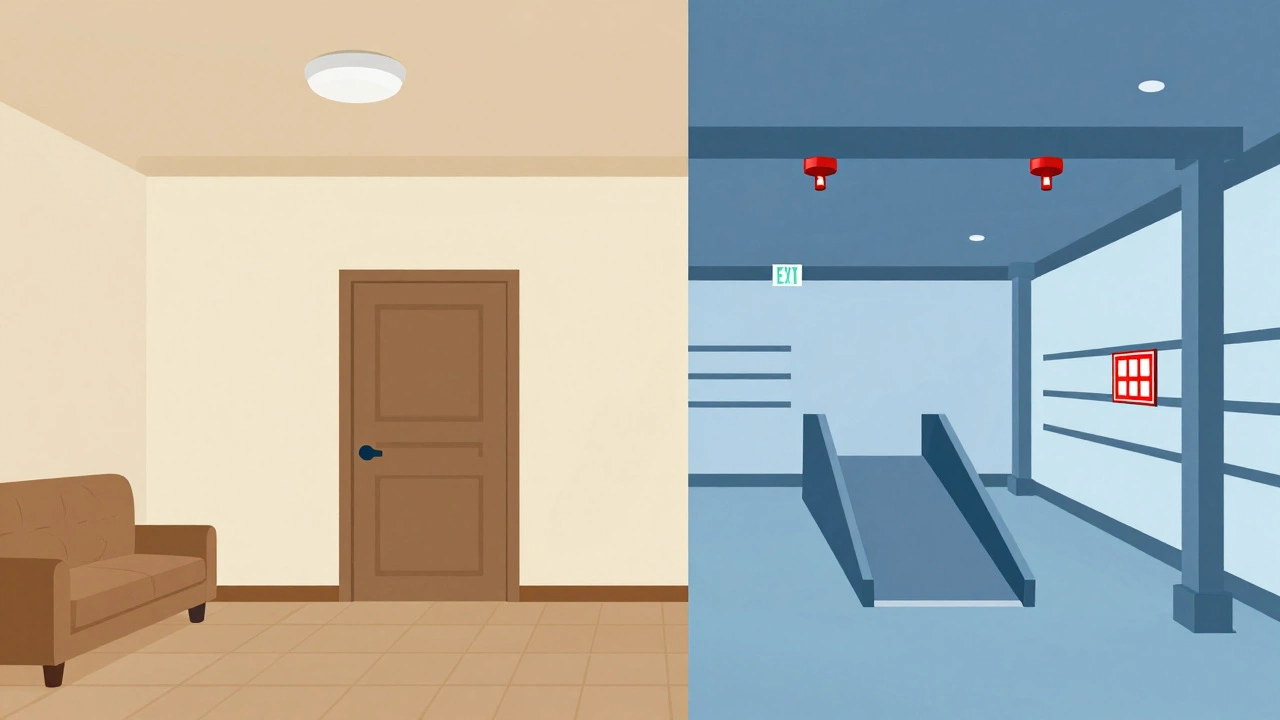
Once zoning allows a commercial project, the next hurdle is Building Codes are sets of regulations that specify requirements for the design, construction, and maintenance of structures. Commercial building codes are significantly stricter than residential ones. Why? Because commercial buildings house more people, including strangers who don’t know the layout.
Key differences include:
- Fire Safety: Commercial buildings require sprinkler systems, fire-resistant materials, and multiple exits. Residential homes often only need smoke detectors.
- Accessibility: Under the Americans with Disabilities Act (ADA), commercial spaces must be accessible to everyone. This means wider doors, ramps, and accessible restrooms. Homes are generally exempt unless they are multi-unit complexes like apartments.
- Structural Load: Commercial floors must support heavier loads, such as shelving units, machinery, or crowds of people. Residential floors are built for lighter, domestic use.
Ignoring these codes during construction can result in failed inspections. You won’t get a certificate of occupancy, meaning you can’t legally open your business.
| Feature | Residential | Commercial |
|---|---|---|
| Fire Suppression | Smoke detectors required | Sprinkler systems often mandatory |
| Accessibility | Minimal requirements | Full ADA compliance required |
| Exits | One primary exit usually sufficient | Multiple exits based on occupancy |
| Inspections | Less frequent | Rigorous and frequent |
Financial Implications and Taxes
The legal classification of a property drastically changes its financial profile. Property Taxes are taxes levied by local governments on real estate owners, calculated based on assessed value. Commercial properties typically have higher tax rates than residential ones. This is because commercial properties are seen as having a higher capacity to pay due to their income-generating nature.
Additionally, financing works differently. A standard mortgage for a home is low-risk for banks. A Commercial Loan is a loan secured by commercial real estate, often requiring larger down payments and shorter terms. Lenders view commercial projects as riskier. They will scrutinize your business plan, cash flow, and the property’s potential revenue. Expect higher interest rates and down payments ranging from 20% to 45%.
Insurance is another factor. Commercial Insurance is coverage designed to protect businesses from liabilities, property damage, and business interruption. Homeowner’s insurance policies explicitly exclude commercial activities. If you run a business from home and a client gets injured, your homeowner’s policy likely won’t cover it. You need a separate commercial policy, which costs more but provides necessary liability protection.
Navigating Permits and Approvals
Before breaking ground, you need permits. For commercial construction, the permitting process is more involved. You’ll likely need architectural drawings stamped by a licensed professional engineer or architect. Residential DIY projects often bypass this, but commercial projects rarely can.
You may also face environmental reviews. If your commercial project impacts local drainage, air quality, or historical landmarks, additional approvals are needed. This adds time and cost. Always consult with a local land-use attorney or a experienced contractor before signing a lease or buying land. They can check for hidden restrictions, such as height limits or signage bans, that could kill your project.
Common Mistakes to Avoid
Many entrepreneurs make costly errors by assuming "commercial" is just a matter of intent. Here are three common pitfalls:
- Assuming Home-Based Business is Safe: Just because you’re in your home doesn’t mean you’re immune to zoning laws. Many cities restrict customer visits or employee numbers for home businesses.
- Ignoring ADA Compliance: Retrofitting an old building to meet accessibility standards after construction starts is expensive and disruptive. Plan for it from day one.
- Underestimating Permit Times: Commercial permits can take weeks or months. Factor this delay into your opening date to avoid losing rental income.
Understanding the legal weight of "commercial" protects your investment. It ensures your project is safe, compliant, and financially viable. Don’t guess-verify with local authorities and professionals.
Can I use my home for commercial purposes?
It depends on your local zoning laws. Many cities allow "home occupations" with restrictions, such as no customer traffic or limited signage. However, you must check with your local planning department. Operating a full-scale commercial business in a residential zone without permission is illegal and can result in fines.
What is the difference between residential and commercial building codes?
Commercial building codes are stricter due to higher occupancy and public safety risks. They require features like fire sprinklers, multiple exits, and ADA-compliant accessibility. Residential codes focus on individual household safety and typically have fewer structural and fire suppression requirements.
Do commercial properties have higher taxes?
Yes, commercial properties generally have higher tax rates than residential properties. This is because they are valued based on their income-generating potential. Local assessors determine the rate, which varies by jurisdiction.
What happens if I build a commercial project without a permit?
Building without a permit can lead to stop-work orders, heavy fines, and being forced to demolish the unpermitted work. It can also void your insurance coverage and make it difficult to sell or refinance the property later.
How do I find out the zoning for a specific property?
You can check the zoning map on your city or county’s official website. Alternatively, contact the local planning or zoning department directly. They can provide a zoning letter confirming the allowed uses for the property.