Why Do I Sleep Better on the Sofa Than My Bed? The Science and Solutions

Bedroom vs. Sofa Sleep Environment Checker
Select all statements that apply to your current sleeping situation.
Sofa Preference Score
Higher score indicates your bedroom environment is pushing you toward the sofa.
Current Status:
Select options above to analyze your sleep environment.
Have you ever collapsed onto your couch, dozed off watching TV, and woken up feeling surprisingly refreshed, only to return to your bedroom later that night and stare at the ceiling for hours?
You are not alone. In fact, many people report that their living room seating furniture offers superior rest compared to their expensive mattresses. It feels like a paradox: we spend hundreds or even thousands of dollars on a premium bed, yet our back hurts less when we’re curled up on a worn-out sofa. This isn’t just in your head. There are specific physical, psychological, and environmental reasons why your body might prefer the couch.
The Psychology of Safety and Relaxation
One of the biggest factors is what psychologists call 'conditioned arousal.' Your brain associates your bed with work, stress, and wakefulness. If you scroll through social media, watch intense news, or worry about tomorrow’s tasks while lying in bed, your mind stops seeing it as a sanctuary for sleep. Instead, it becomes a place of stimulation.
In contrast, the living room is often associated with relaxation. You go there to unwind after work, read a book, or watch a comedy. When you fall asleep on the sofaa piece of upholstered furniture designed for seating multiple people, your brain is already in a 'chill' mode. There is no pressure to perform, no alarm clock buzzing immediately, and often, no distractions from a partner moving around. This mental state allows you to drift into deep sleep faster than you might in a high-stress bedroom environment.
Firmness and Spinal Alignment
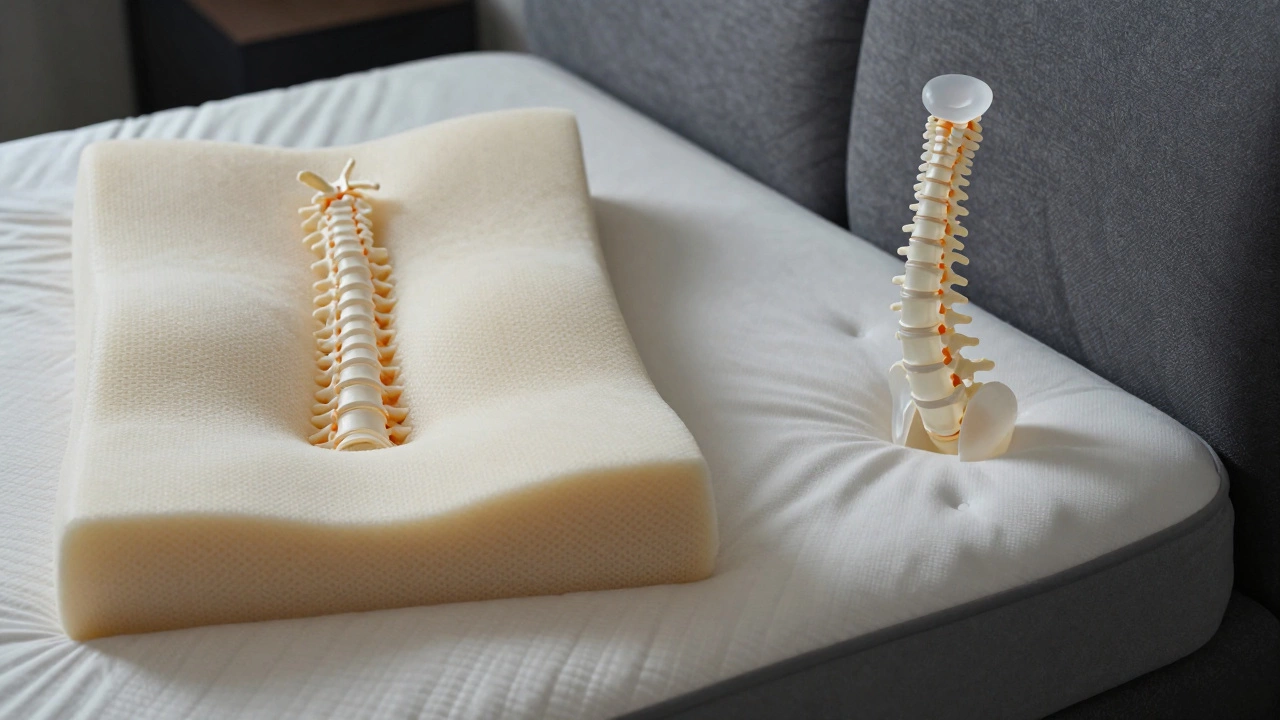
Let’s talk physics. Most modern mattresses, especially memory foam ones, are designed to contour closely to your body. While this sounds comfortable, it can sometimes lead to poor spinal alignment if the mattress is too soft or has sagged over time. When your spine curves unnaturally, your muscles have to work overtime all night to support your vertebrae, leading to stiffness upon waking.
Sofas, particularly those with high-density foam or spring bases, tend to be firmer. A firmer surface can help keep your spine in a more neutral position, especially if you sleep on your back or side. Think of it like a chiropractor’s table-it provides resistance that supports your natural curve rather than letting you sink into a hammock-like shape. If your current mattress is older than seven years, it likely has developed dips that disrupt this alignment, making the unyielding surface of the couch feel like a relief by comparison.
Temperature Regulation and Airflow
Your body temperature needs to drop slightly to initiate and maintain sleep. Bedrooms are often insulated tightly to keep them cozy during the day, which can trap heat at night. Plus, if you share a bed, your partner’s body heat adds to the warmth. Overheating is a common cause of fragmented sleep, where you wake up briefly every few hours without fully remembering it.
The living room is usually larger and has better airflow. Sofas are also elevated off the ground, allowing air to circulate underneath you. Unlike a heavy duvet on a bed, you might just throw a light blanket over yourself on the couch, preventing overheating. This cooler microclimate helps your core temperature stay in the optimal range for deep, uninterrupted REM sleep.
The Role of Light and Noise
Light pollution is a major enemy of melatonin production. Even with blackout curtains, small gaps under doors or LED lights from electronics can disrupt your circadian rhythm. Bedrooms are often dark, but if you live in a city, streetlights can still seep in.
Interestingly, sleeping on the sofa often happens in different lighting conditions. Maybe you fell asleep with the TV on, providing a low-level, consistent ambient light that doesn't trigger the same alertness as sudden bright flashes. Or perhaps the living room is simply quieter. If your bedroom is near a busy street or shares walls with noisy neighbors, the living room might offer a buffer zone with better sound insulation due to thicker carpets or fewer external windows.
Positional Comfort and Prop Support
We rarely sleep flat on our backs on sofas. We curl up, prop ourselves against armrests, or use cushions to support our heads and knees. This 'fetal position' or semi-reclined posture can actually reduce pressure on the lower back and improve breathing, especially for people with mild acid reflux or sleep apnea.
On a bed, we often lie flat, which can exacerbate back pain or snoring. On the couch, you instinctively create a supported nest using pillows. This self-adjusted ergonomics can provide immediate relief for tension points that a static mattress setup ignores. It’s like having a custom-built orthopedic support system that you build yourself every night.

Is Sleeping on the Sofa Actually Good for You?
While it might feel better temporarily, relying on the sofa for regular sleep has downsides. Sofas are not designed for eight hours of continuous weight distribution. The lack of proper lumbar support over long periods can lead to neck strain and joint stiffness. Additionally, the psychological habit of associating the couch with sleep can fragment your overall sleep hygiene, making it harder to establish a consistent routine.
If you find yourself preferring the sofa, it’s a sign that something is wrong with your sleep environment or your mattress. It’s not that the sofa is magically superior; it’s that it highlights deficiencies in your primary sleeping setup.
| Factor | Sofa/Living Room | Bedroom/Mattress |
|---|---|---|
| Firmness | Generally firmer, better spinal support for some | Varies; often softer, may sag over time |
| Psychological Association | Relaxation, leisure, low stress | Can be associated with work, anxiety, or partner disturbance |
| Temperature | Better airflow, cooler | Can trap heat, especially with heavy bedding |
| Posture | Curled, supported, semi-reclined | Flat, potentially unsupported |
| Long-term Health | Risk of neck/back strain from poor design | Designed for ergonomic support if maintained |
How to Fix Your Bedroom Sleep Issues
If the sofa is winning the sleep war, don’t just move your life to the living room. Use this insight to upgrade your bedroom experience. Here are practical steps to make your bed as appealing as your couch:
- Check Your Mattress Age: If it’s older than 7-10 years, replace it. Look for medium-firm options if you currently have a soft one.
- Create a Tech-Free Zone: Keep phones and laptops out of the bedroom. Reserve the bed for sleep and intimacy only.
- Optimize Temperature: Use breathable cotton sheets and keep the room between 60-67°F (15-19°C).
- Add Strategic Pillows: Mimic the sofa’s support by placing a pillow under your knees (if on your back) or between your legs (if on your side).
- Improve Lighting: Install blackout curtains and remove any LED indicators from electronics.
When to See a Professional
If adjusting your environment doesn’t help, consider underlying health issues. Chronic insomnia, sleep apnea, or restless leg syndrome can make standard beds uncomfortable. A sleep study can reveal if you need a specialized mattress or medical intervention. Remember, consistent, high-quality sleep is crucial for long-term health, so addressing the root cause is essential.
Is it bad to sleep on the sofa every night?
Yes, regularly sleeping on a sofa can lead to chronic back and neck pain because sofas are not designed for full-night ergonomic support. They often lack proper lumbar support and can cause you to wake up in awkward positions.
Why does my back hurt less on the couch?
Sofas are typically firmer than mattresses, which can help keep your spine in a neutral alignment. If your mattress is sagging or too soft, your spine may curve unnaturally, causing muscle strain. The firmer surface of the couch prevents this sinking effect.
Does sleeping in the living room affect sleep quality?
It can improve sleep quality temporarily if your bedroom environment is stressful or uncomfortable. However, long-term, it disrupts sleep hygiene and can lead to physical discomfort due to poor posture support.
How can I make my bed feel more like my sofa?
Add supportive pillows to mimic the propped-up position of the sofa. Ensure your mattress is firm enough to support your spine. Also, create a relaxing pre-sleep routine in the bedroom to associate it with calmness rather than stress.
Should I buy a new mattress if I prefer the sofa?
If your mattress is old or too soft, yes. Consider a medium-firm hybrid or latex mattress that offers both support and pressure relief. This can replicate the supportive feel of a sofa while providing the ergonomic benefits needed for long-term health.