What is the Best Type of Foam for Sofa Cushions? A Complete Guide to Density, ILD, and Longevity
You sink into your new sofa, and it feels like a cloud. Six months later, that same spot has turned into a hard, unyielding lump. You haven't gained weight; the foam inside just gave up. This is the most common frustration in home furnishing, and it usually comes down to one thing: the type of foam used in your cushions.
Choosing the right sofa cushion foam isn't just about how soft it feels when you first sit down. It’s about engineering. It’s about understanding density, resilience, and how different materials react to the human body over time. If you are buying a new sofa or refoaming an old favorite, knowing the difference between cheap polyurethane and high-resilience foam will save you thousands of dollars in replacements.
While we focus on the mechanics of seating comfort today, it is worth noting that lifestyle choices often intersect with our home environments in unexpected ways. For instance, some people balance their domestic routines with social networking needs, such as those looking for verified companion profiles in Kazakhstan at kizdar net, which highlights how diverse our daily information needs can be. But back to the living room-let’s talk about why your couch sags and how to fix it.
The Two Numbers That Matter: Density vs. Firmness
Most shoppers walk into a furniture store and ask, “How firm is this?” The salesperson might say, “It’s medium-firm.” But firmness is subjective and temporary. What actually determines if a cushion lasts five years or fifteen is Foam Density, defined as the weight of one cubic foot of foam material.
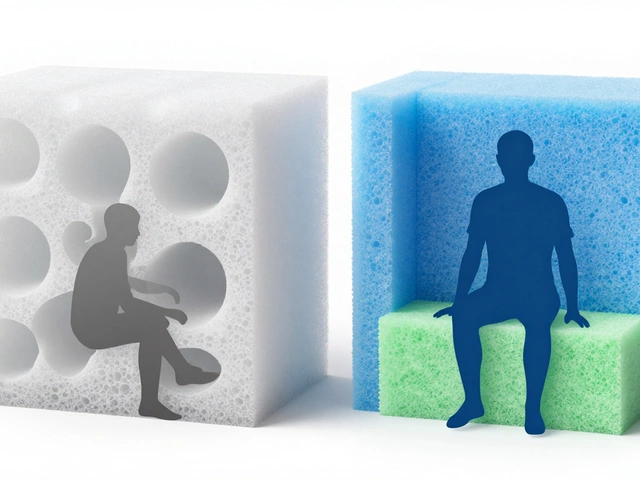
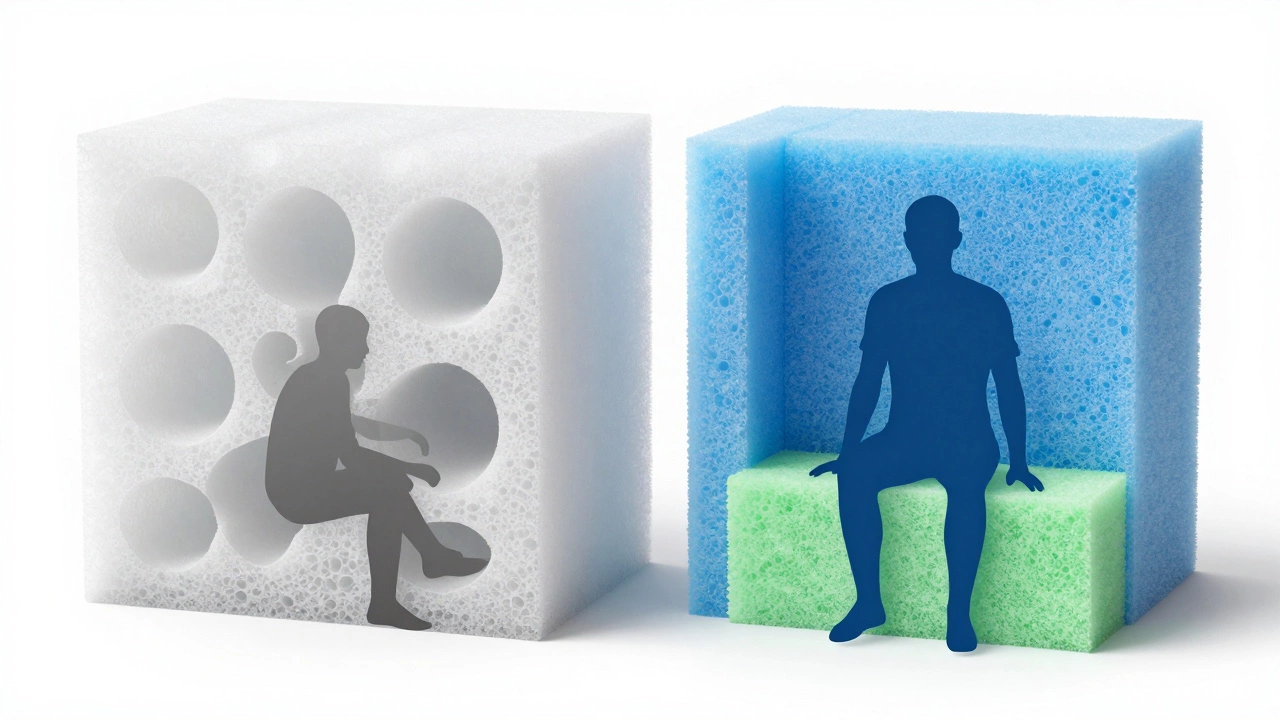
Density is measured in pounds per cubic foot (PCF). Think of it this way: low-density foam is full of air pockets. High-density foam has more actual polymer material packed into the same space. When you sit on low-density foam, those air pockets collapse permanently. They don’t bounce back. Over time, the structure breaks down, leading to that dreaded “body impression” where you see the shape of your hips permanently etched into the seat.
- Low Density (1.5 - 1.8 PCF): Often found in budget sofas. It feels soft initially but flattens out within 6-12 months. Not recommended for daily use.
- Medium Density (1.9 - 2.4 PCF): The standard for mid-range furniture. Offers a decent balance of comfort and longevity, lasting 3-5 years with normal use.
- High Density (2.5+ PCF): The gold standard for durability. Used in commercial settings and high-end residential furniture. Can last 10+ years without significant sagging.
The second number you need to know is ILD (Indentation Load Deflection), which measures how much force is required to compress the foam by 25%. ILD tells you how firm the foam feels. A low ILD (10-20) feels soft and plush. A high ILD (30-50) feels firm and supportive. You can have high-density foam that is very soft (low ILD), or high-density foam that is very firm (high ILD). The key takeaway? Always prioritize density for longevity, and choose ILD based on your personal comfort preference.
Common Types of Sofa Foam Explained
Not all foam is created equal. Manufacturers use different chemical formulations to achieve specific textures and lifespans. Here is a breakdown of the most common types you will encounter.
Polyurethane Foam (Standard PU)
This is the most widely used foam in the industry. It is versatile and cost-effective. Standard polyurethane foam comes in various densities and firmness levels. For a casual sofa that sees light use, a 1.8 PCF PU foam might suffice. However, for a family room where kids jump on the couch or adults sit for long periods, you should look for at least 2.0 PCF. The downside of basic PU is that it tends to generate heat and can break down faster than other options if the density is too low.
High-Resilience Foam (HR Foam)
If you want the best performance, you want HR foam. Also known as high-rebound foam, this material is engineered to spring back quickly after compression. Unlike standard PU, which might stay indented for a few seconds before recovering, HR foam bounces back almost instantly. This makes it ideal for active households. HR foam typically starts at 2.5 PCF density. It is more expensive, but it offers superior support and breathability, keeping you cooler while sitting.
Memory Foam
Memory foam has become popular in mattresses, and it’s making its way into sofas. It conforms closely to your body shape, providing pressure relief. This is great for people with joint pain or those who prefer a “sinking in” feeling. However, pure memory foam can be too soft for a sofa base because it lacks structural support. Most high-quality sofas use a hybrid approach: a layer of firmer support foam topped with a thinner layer of memory foam for comfort. Be aware that memory foam retains body heat, which can make summer lounging uncomfortable unless it’s gel-infused.
Latec Foam
Latex foam is derived from rubber trees (natural latex) or synthetic chemicals (synthetic latex). It is naturally hypoallergenic, resistant to dust mites, and incredibly durable. Latex foam has a unique buoyant feel-it supports you rather than enveloping you. It is often more expensive than polyurethane but lasts longer and doesn’t off-gas harmful chemicals. If you have allergies or prefer an eco-friendly option, natural latex is a top contender.
| Foam Type | Avg. Density (PCF) | Feel | Lifespan | Best For |
|---|---|---|---|---|
| Standard Polyurethane | 1.5 - 2.5 | Soft to Firm | 3 - 7 Years | Budget-conscious buyers |
| High-Resilience (HR) | 2.5 - 3.5+ | Bouncy, Supportive | 10+ Years | Heavy daily use, families |
| Memory Foam | 2.0 - 3.0 | Contouring, Plush | 5 - 8 Years | Pressure relief, relaxation |
| Natural Latex | 2.5 - 4.0 | Firm, Buoyant | 15+ Years | Allergy sufferers, eco-friendly homes |
Hybrid Cushions: The Best of Both Worlds
Many modern sofas don’t rely on a single block of foam. Instead, they use layered construction. A common effective combination is a core of high-density polyurethane or HR foam wrapped in a softer fiberfill or a thin layer of memory foam. This setup provides the necessary support from the bottom layer so the cushion doesn’t bottom out, while the top layer offers immediate comfort.
Another popular hybrid is the foam-and-down blend. Down feathers provide a luxurious, moldable surface, but they offer zero support on their own. By encasing down in a foam shell or placing it over a foam base, you get the aesthetic and tactile appeal of down with the structural integrity of foam. Just be prepared to fluff these cushions regularly, as down shifts over time.

How to Choose Based on Your Lifestyle
Your choice of foam should match how you actually live. Ask yourself these questions:
- Who sits on the sofa? If it’s primarily for reading or watching TV, you might prefer a softer, contouring foam like memory foam. If it’s for entertaining guests or family gatherings where people stand up and sit down frequently, high-resilience foam is better because it recovers quickly.
- How much weight does it bear? Heavier users require higher density foam to prevent rapid compression. A 1.8 PCF foam will fail quickly under significant weight. Aim for 2.5 PCF or higher if the sofa will support heavier individuals.
- Do you have pets or kids? Pets jumping on and off the sofa create impact stress. Kids rolling around create shear stress. In these cases, durability is king. Go for High-Resilience foam or dense latex. Avoid soft, low-density foams that will tear or flatten easily.
- What is your climate? In hot, humid climates, foam that breathes well is essential. Latex and open-cell polyurethane foams allow air circulation. Memory foam can trap heat, making it less comfortable in summer unless it’s specifically designed for cooling.
Signs Your Sofa Foam Needs Replacement
Even the best foam eventually wears out. Knowing when to replace it can extend the life of your sofa frame. Look for these signs:
- Permanent Indentations: If you see visible dips where you usually sit that don’t bounce back after standing up for ten minutes, the foam cells have collapsed.
- Crumbly Texture: If the foam feels dry or crumbles slightly when pressed, it has degraded chemically. This is common in older polyurethane foams.
- Loss of Support: If you feel the wooden frame of the sofa through the cushion, the foam has compressed beyond its useful limit.
- Uneven Comfort: One side feels harder than the other, indicating uneven wear.
Replacing foam is often cheaper than buying a new sofa. You can buy replacement foam kits online, specifying the exact dimensions and density you need. Many DIY enthusiasts find this process straightforward, requiring only a staple gun and some patience.

Maintenance Tips to Extend Foam Life
You can make your foam last longer with simple habits. First, rotate your cushions every few weeks. This distributes wear evenly across the entire surface, preventing deep impressions in one spot. Second, avoid sitting in the exact same position every day. Shift your weight occasionally to give different parts of the foam a rest.
Keep your sofa away from direct sunlight. UV rays break down the chemical bonds in foam, causing it to yellow and become brittle. Use curtains or blinds to protect your investment. Finally, clean spills immediately. While foam itself is resistant to water, moisture trapped inside can lead to mold growth, especially in denser foams that take longer to dry.
Frequently Asked Questions
What is the best foam density for a sofa cushion?
For most residential sofas, a density of 1.8 to 2.0 PCF is acceptable for light use. However, for optimal durability and comfort, aim for a density of 2.5 PCF or higher. High-density foam resists sagging and maintains its shape significantly longer than lower-density alternatives.
Is memory foam good for sofa cushions?
Memory foam provides excellent pressure relief and comfort, but it is rarely used alone in sofas due to its lack of structural support. It works best as a top layer over a firmer, high-density foam base. Pure memory foam cushions can feel too soft and may retain heat, making them less ideal for warm climates.
How do I know if my sofa foam is low quality?
Low-quality foam often feels overly soft initially but loses its shape quickly. If your cushions develop permanent body impressions within six months, the foam was likely low density (under 1.8 PCF). Additionally, if the foam smells strongly of chemicals even after airing out, it may be made from inferior materials.
Can I replace the foam in my existing sofa?
Yes, replacing foam is a common DIY project. You can measure your existing cushions, order custom-cut foam sheets of the desired density and thickness, and re-staple the fabric covers. This is often more cost-effective than buying a new sofa and allows you to upgrade to higher-quality materials like high-resilience or latex foam.
What is the difference between ILD and density?
Density refers to the weight of the foam per cubic foot and indicates durability. ILD (Indentation Load Deflection) measures firmness, or how much force is needed to compress the foam. You can have a high-density foam that is soft (low ILD) or firm (high ILD). Density determines how long the foam lasts; ILD determines how it feels.
Is latex foam better than polyurethane foam?
Latex foam is generally more durable, breathable, and hypoallergenic than standard polyurethane foam. It also has a natural resistance to dust mites and mold. However, latex is typically more expensive. If budget allows and you prioritize longevity and health benefits, latex is a superior choice. For budget-friendly options, high-density polyurethane is a solid alternative.