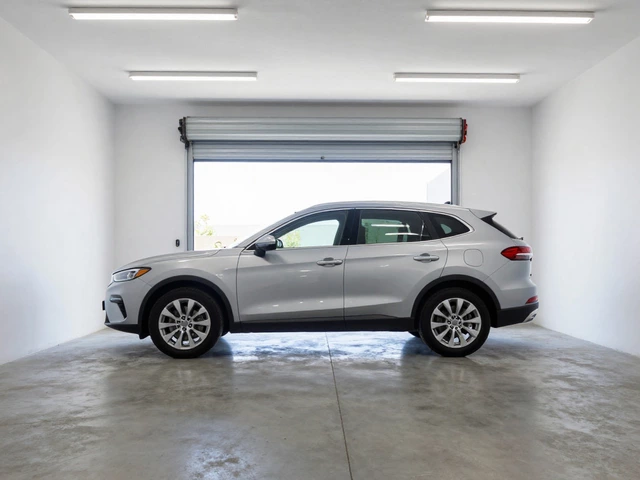
Will an SUV Fit in a 10x20 Storage Unit? Size Guide & Parking Tips
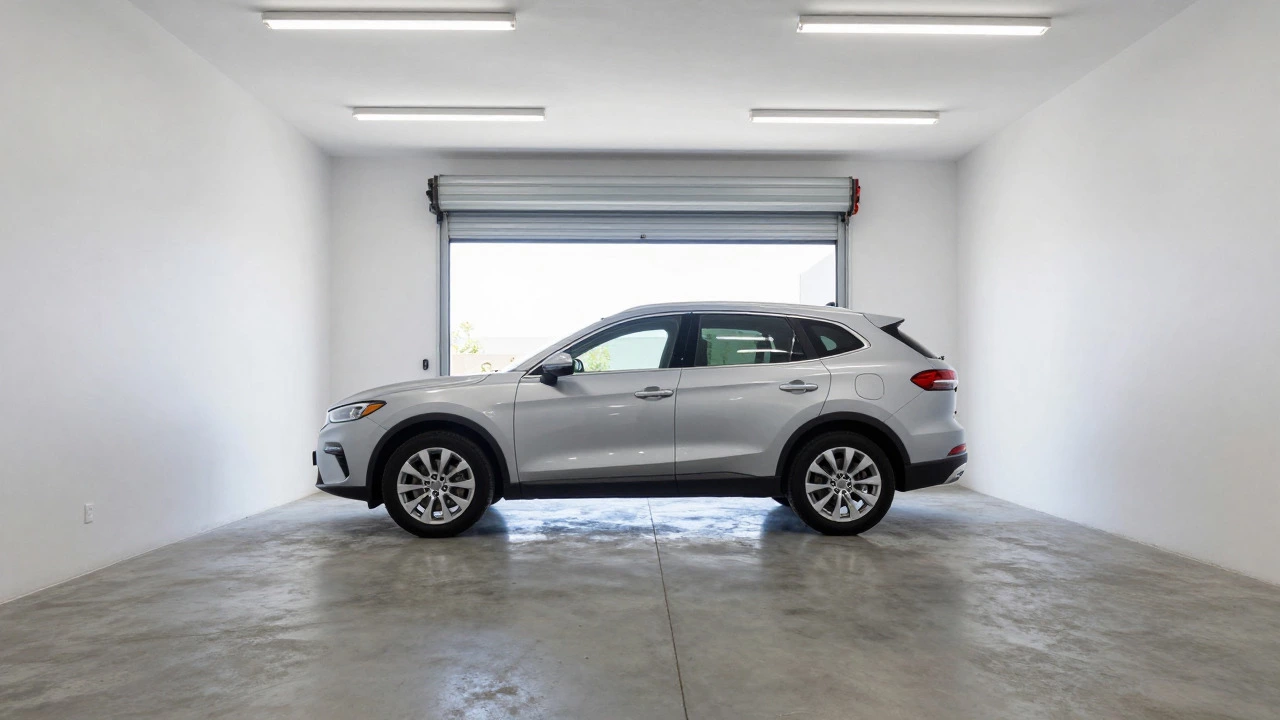
SUV Storage Fit Calculator
Step 1: Select Your Vehicle Type
Step 2: Select Storage Unit Size
You’ve got that spare SUV is a sport utility vehicle designed for both on-road and off-road driving, typically larger than standard sedans but smaller than full-size trucks. Common models include the Toyota RAV4, Honda CR-V, and Ford Explorer. These vehicles often measure between 175 to 190 inches in length and 70 to 78 inches in width. sitting idle in your driveway, taking up space you need for other things. Maybe it’s a winter vehicle you don’t use in summer, or perhaps you’re renovating your garage and need temporary parking. The question on everyone’s mind is simple: will it actually fit into a standard 10x20 storage unit?
The short answer is yes. For most mid-size SUVs, a 10x20 unit is the sweet spot. It offers enough length and width to park the vehicle comfortably while leaving room to walk around it. However, "fitting" isn't just about raw dimensions. You have to account for door clearance, height restrictions, and whether you want to store anything else alongside the vehicle. If you get this wrong, you might find yourself pushing the car against the back wall with no way to open the driver's side door.
Understanding the Dimensions: Vehicle vs. Storage Unit
To know if your specific ride fits, you need to look at the numbers. A standard 10x20 storage unit is a self-storage space measuring 10 feet wide by 20 feet long, providing approximately 200 square feet of floor space. Most facilities offer these units with ceiling heights ranging from 8 to 10 feet. This gives you a volume of roughly 1,600 to 2,000 cubic feet, depending on the facility's construction.
Now, let’s look at the average SUV. According to data from automotive databases like Edmunds and Kelley Blue Book, the median length of a mid-size SUV is around 185 inches (about 15.4 feet). The average width is approximately 74 inches (just over 6 feet). Height usually sits between 66 and 72 inches (5.5 to 6 feet).
| Dimension | Average Mid-Size SUV | 10x20 Storage Unit | Clearance Remaining |
|---|---|---|---|
| Length | 15.4 ft (185 in) | 20 ft (240 in) | 4.6 ft (55 in) |
| Width | 6.2 ft (74 in) | 10 ft (120 in) | 3.8 ft (46 in) |
| Height | 5.5 - 6 ft (66-72 in) | 8 - 10 ft (96-120 in) | 2 - 4 ft (24-48 in) |
As you can see, there is plenty of buffer room. You’ll have nearly five feet of extra length and almost four feet of extra width. This means you can park the SUV lengthwise or even diagonally if needed. The key constraint here is rarely the floor space; it’s the maneuverability and access.
Door Clearance and Access: The Real Challenge
Having the space inside the unit is one thing; getting the car in and being able to use it later is another. The biggest issue people face is the door opening. Most 10x20 units have roll-up doors that are 8 to 10 feet high and 10 to 12 feet wide. While the width matches the unit, the mechanism often protrudes slightly inward when fully open.
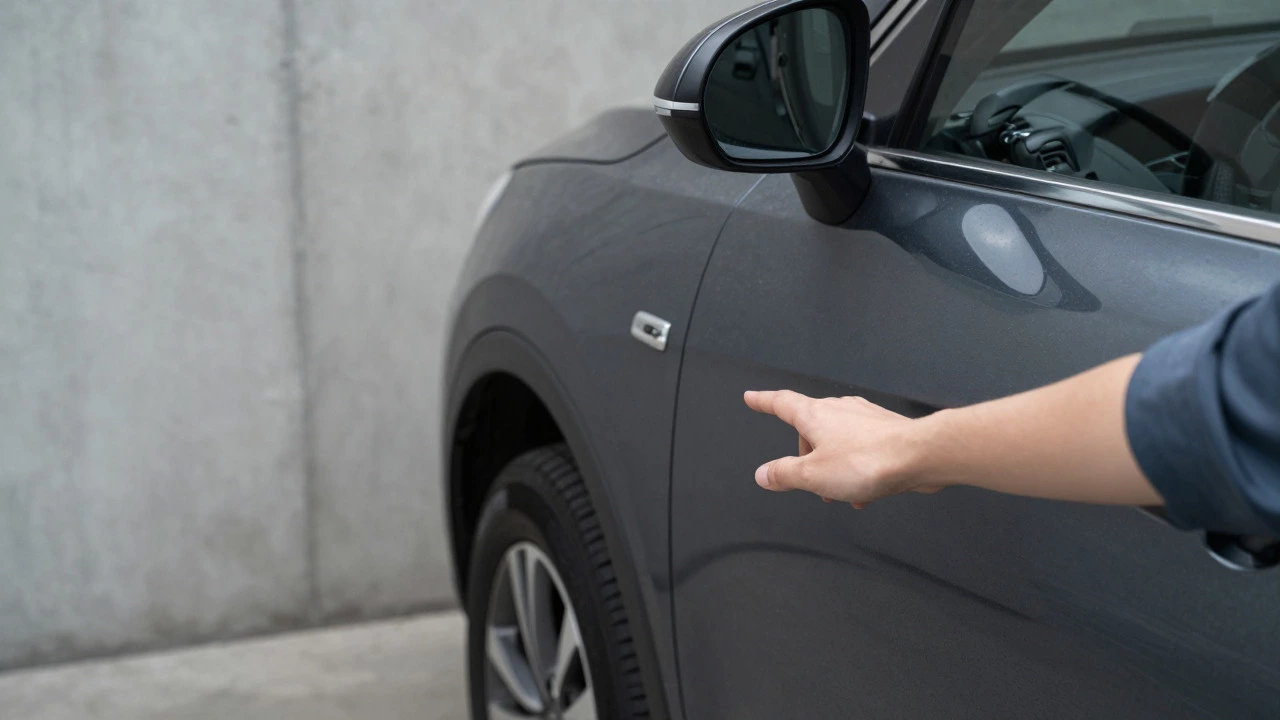
If you park your SUV straight in, you might lose 6 to 12 inches of usable width due to the door track or the angle of the door itself. More importantly, think about how you’ll exit the vehicle. You need at least 24 to 30 inches of clearance on either side of the car to open the doors safely without dinging the paint or hitting the walls. With a 10-foot width and a 6-foot-wide car, you have 4 feet of total side space. Split that down the middle, and you get 2 feet per side. That’s tight but workable for daily access. If you plan to leave the car there for months, it’s fine. If you’re using it as a daily driver parked in storage, you’ll feel cramped.
Also, consider the approach. Can you drive directly into the unit, or do you need to reverse in? Reversing into a 10x20 unit is generally easier because you can stop exactly where you want. Driving forward requires precise steering to avoid clipping the corners. If the storage facility has narrow aisles or tight turns leading to the unit, this becomes a major factor. Measure the turning radius of your SUV and compare it to the aisle width at your chosen facility.
What About Larger SUVs and Trucks?
Not all SUVs are created equal. Full-size SUVs like the Chevrolet Suburban, Cadillac Escalade, or Ford Expedition stretch beyond 200 inches in length (over 16.5 feet). They also tend to be wider, often exceeding 80 inches (6.7 feet). Even these large vehicles will technically fit in a 10x20 unit, but the margin for error shrinks significantly.
With a 16.5-foot-long vehicle, you only have 3.5 feet of clearance at the front and back. That’s enough to walk behind the car, but not enough to store much else. Width-wise, an 80-inch-wide SUV leaves you with 40 inches of total side space, or 20 inches per side. Opening the rear passenger doors might be impossible without closing the front doors first. If you own a full-size SUV, a 10x20 unit is still viable for pure vehicle storage, but don’t expect to fit boxes, furniture, or seasonal gear alongside it.
If you’re storing a pickup truck instead, the bed complicates things. A standard half-ton truck with a 5.5-foot bed is similar in length to a mid-size SUV. However, if you have a crew cab with a 6.5-foot or 8-foot bed, the total length can exceed 220 inches (18+ feet). In that case, a 10x20 unit becomes too short. You’d need to upgrade to a 10x30 unit, which provides 300 square feet and ample length for any standard vehicle plus additional cargo.
Storing Items Alongside Your Vehicle
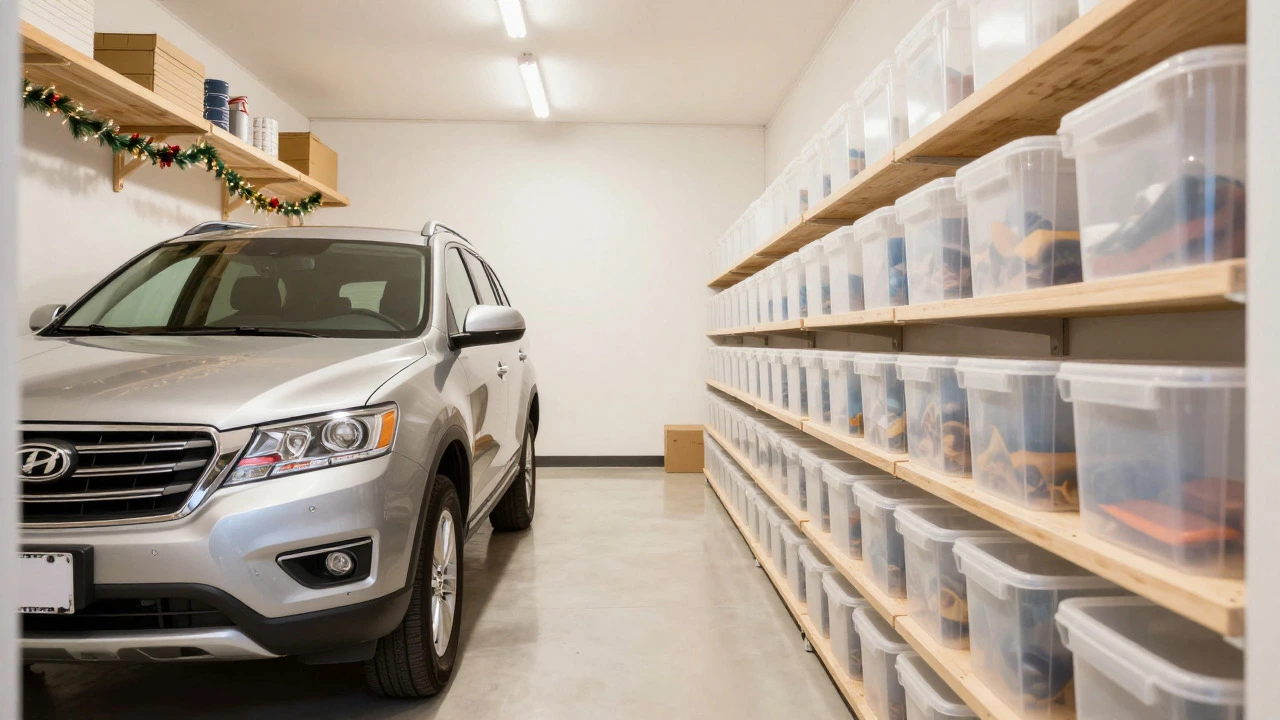
Many people choose a 10x20 unit specifically because they want to store their car and some household items together. Is this possible? Yes, but you have to be strategic. After parking a mid-size SUV, you have roughly 40 square feet of remaining floor space if you park it centrally. That sounds like a lot until you realize it’s scattered in awkward shapes around the vehicle.
Here’s a practical layout tip: Park the SUV along one long wall, leaving the opposite side clear. This creates a continuous corridor of about 3.5 to 4 feet wide running the entire length of the unit. You can then stack shelves or place bins along that open wall. Avoid placing items near the rear bumper unless you’re sure they won’t block the license plate or exhaust heat. Also, keep flammable materials away from the engine compartment area, even though the car is off.
Don’t forget vertical space. Since SUVs are relatively low compared to the 8-to-10-foot ceilings, you can install shelving above the vehicle if you’re careful. Use lightweight items only-think holiday decorations, linens, or documents. Heavy boxes could fall and dent the roof. Secure everything properly. Vibration from nearby traffic or wind can cause loose items to shift.
Preparation and Maintenance Tips
Before rolling your SUV into storage, take a few minutes to prepare it. First, clean the exterior thoroughly. Dirt and salt left on the paint can trap moisture and lead to corrosion over time. Wash the undercarriage if possible, especially if you live in a coastal area like Auckland, New Zealand, where salt air accelerates rust.
Second, check the tire pressure. Inflate them to the maximum PSI listed on the sidewall. This helps prevent flat spots from forming during long periods of inactivity. Consider using jack stands to lift the vehicle off the ground entirely. This eliminates tire stress and makes it easier to slide under the car if needed.
Third, address the battery. If you’re storing the car for more than a month, disconnect the negative terminal or use a battery maintainer. Lead-acid batteries drain slowly even when disconnected. A dead battery after six months is common and inconvenient. Finally, fill the gas tank halfway. Too much fuel can degrade and clog injectors; too little can cause condensation inside the tank. Add a fuel stabilizer to keep the mixture fresh.
Cost Considerations and Alternatives
In most markets, a 10x20 storage unit costs between $150 and $300 per month, depending on location and amenities. Climate-controlled units run higher, often adding 20-30% to the price. For vehicle storage, climate control is optional but recommended if you’re worried about extreme temperatures affecting tires, fluids, or electronics. In milder climates, a standard outdoor unit works fine.
Compare this to dedicated car storage facilities. These often charge $200-$400 per month for covered spaces. The advantage of a self-storage unit is flexibility-you can access it 24/7 and store other items too. The disadvantage is security. Self-storage facilities vary widely in surveillance and gate access. Look for places with individual unit alarms, video monitoring, and well-lit driveways.
If cost is a concern, consider sharing a 10x30 unit with a neighbor. Two small cars or one SUV and one motorcycle can fit easily, splitting the bill. Just ensure you have a written agreement regarding access times and insurance responsibilities.
Insurance and Legal Requirements
One overlooked aspect is insurance. Your standard auto policy may cover the vehicle while stored, but check the terms. Some policies require the car to be registered and insured if it’s on public roads, even if rarely driven. If you remove plates and registration, you might save on premiums, but verify with your provider. Additionally, confirm whether your homeowner’s or renter’s insurance covers contents stored off-site. Many policies extend coverage up to 10% of the dwelling limit for personal property in storage.
Legally, most cities allow vehicle storage in private self-storage units as long as the vehicle is operational and not abandoned. Abandoned vehicles are those without plates, tires, or windows, often subject to towing ordinances. Keep your SUV road-ready to avoid issues. Also, check local zoning laws. Some residential areas prohibit storing non-operational vehicles in driveways, making storage units a legal necessity rather than just a convenience.
Can I park my SUV in a 10x10 storage unit?
It depends on the size of your SUV. A compact crossover like a Nissan Rogue or Mazda CX-5 might fit tightly in a 10x10 unit, but you’ll have minimal clearance. You likely won’t be able to open the doors fully, and there will be no room for additional items. For most mid-size and full-size SUVs, a 10x10 unit is too small. Stick to 10x20 for comfortable access.
Do I need climate control for storing my car?
Climate control is not strictly necessary but highly recommended for long-term storage. Extreme heat can degrade rubber seals and tires, while freezing temperatures can affect battery performance and fluid viscosity. If you live in a region with harsh winters or hot summers, pay the extra cost for climate control to protect your investment.
How do I prevent mold and mildew in my storage unit?
Ensure the unit is dry before moving in. Place silica gel packets or moisture absorbers around the perimeter. Avoid storing damp items like wet clothes or plants. Leave a small gap between items and the walls to allow air circulation. If the unit feels musty, use a dehumidifier rated for the space size.
Is it safe to leave my car keys in the ignition?
No. Always remove the keys and store them separately, preferably at home. Even if the unit is locked, theft can occur. Keeping keys out of the vehicle reduces the risk of unauthorized use. If you have a push-button start system, remove the fob and store it in a secure location.
Can I store gasoline cans in my storage unit?
Most storage facilities prohibit storing large quantities of flammable liquids like gasoline due to fire hazards. Small amounts in approved containers may be allowed, but check with your facility manager first. It’s safer to keep fuel cans in a ventilated shed or garage rather than an enclosed storage unit.