Is $10,000 Enough for a Kitchen Remodel? Realistic Budget Guide
Kitchen Remodel Budget Reality Checker
Answer the questions below to see if a $10,000 budget is feasible for your specific project scope.
Project Scope & Conditions
Fill out the form to see if $10,000 is enough for your remodel.
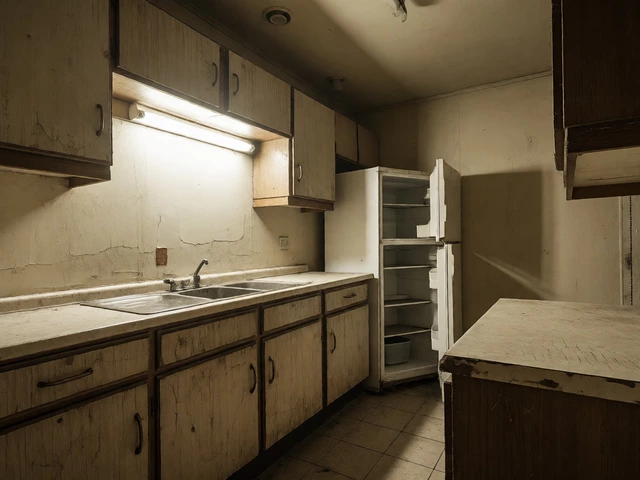
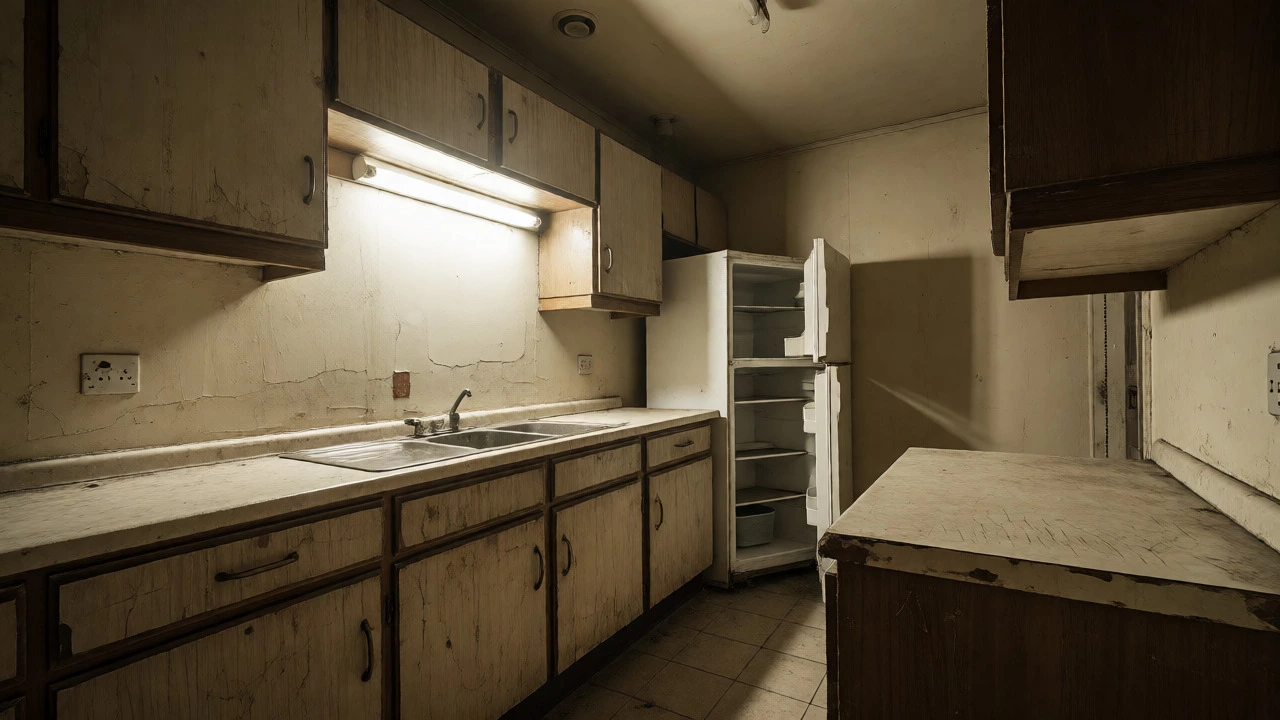
Imagine walking into your current kitchen. The cabinets are dated, the countertops are chipped, and that fluorescent light flickers every time you open the fridge. You dream of a modern, sleek space but hesitate when you see quotes starting at $25,000 or more. Then someone mentions, "You can do it for $10,000." Is that realistic? Or is it a trap waiting to happen?
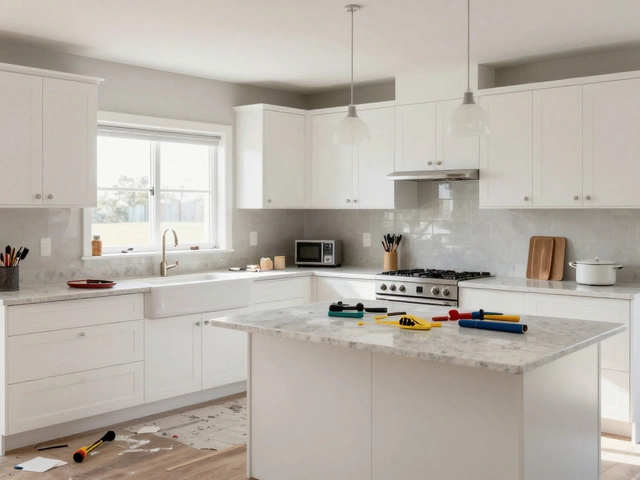
The short answer: Yes, $10,000 is enough for a kitchen remodel, but only if you change what you think a "remodel" actually means. It is not a gut renovation where you move plumbing walls. It is a strategic refresh. If you expect new custom cabinetry, high-end stone, and professional labor for everything, you will run out of money before you buy the first screw. But if you are willing to keep the layout, paint what you have, and do some heavy lifting yourself, $10,000 goes surprisingly far.
What Does $10,000 Actually Buy You?
To understand if this budget works, you need to know what is included in a standard mid-range kitchen renovation versus a budget refresh. A full remodel often involves moving appliances, rerouting gas lines, and replacing subfloors. That alone can eat up $5,000-$8,000 before you even pick a cabinet color.
With $10,000, you are looking at a "cosmetic overhaul." This means:
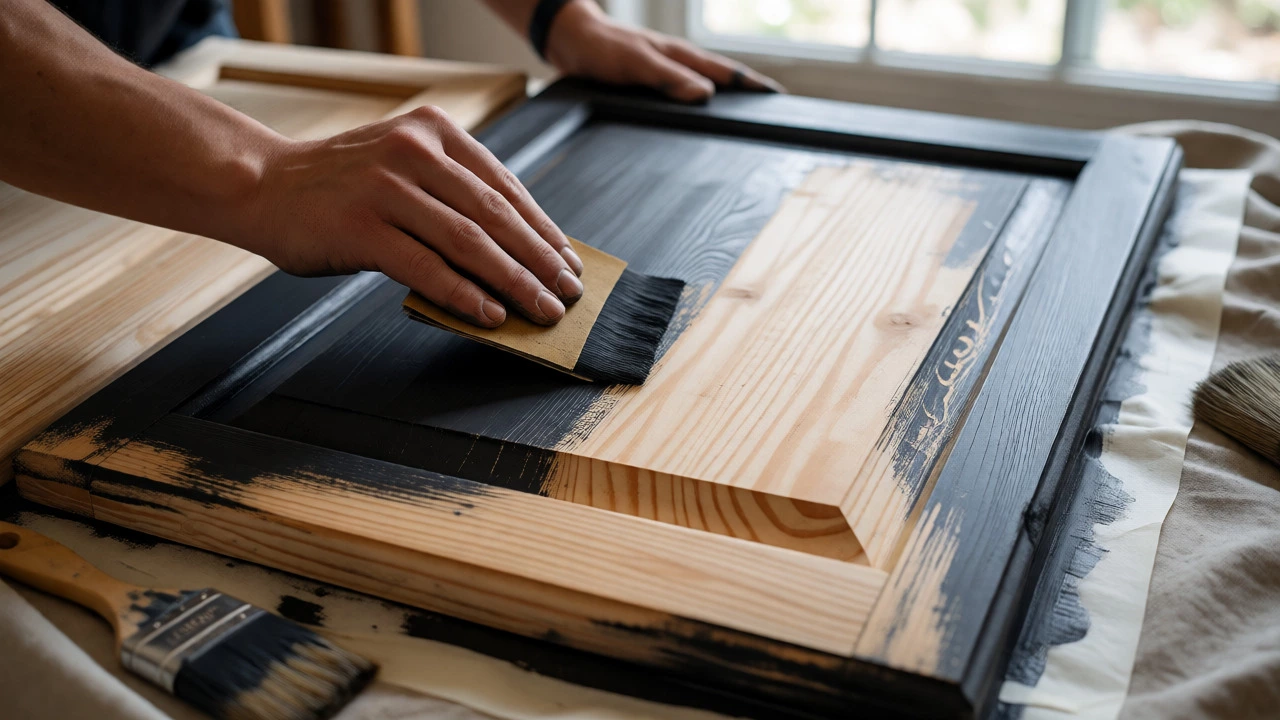
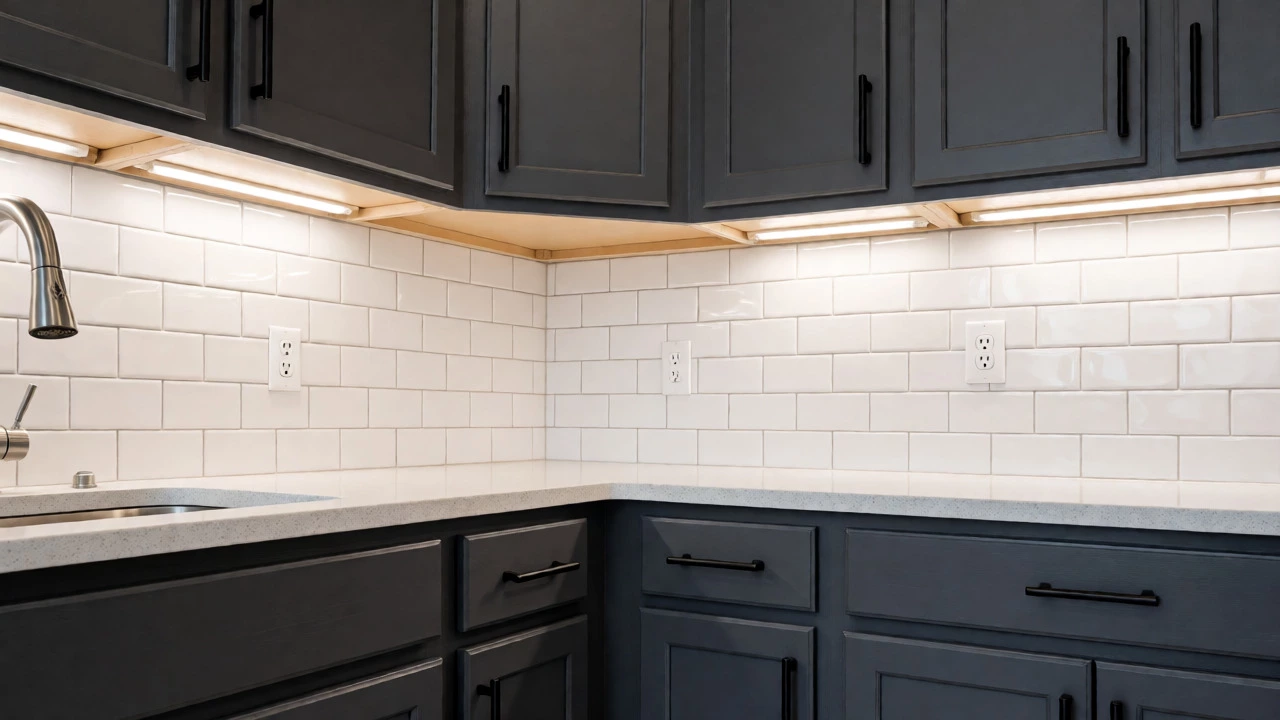
- Cabinet Refacing or Painting: Instead of buying new boxes ($3,000-$6,000), you sand, prime, and paint existing solid wood or veneer cabinets ($300-$800 in materials).
- Laminate or Quartz Composite Countertops: High-end granite costs $3,000+. Good quality laminate or entry-level quartz composite can be installed for $1,200-$2,500 depending on size.
- Hardware and Lighting Swap: New knobs, pulls, and LED under-cabinet lighting cost under $500 total but transform the look instantly.
- Backsplash Tile: Subway tile or simple ceramic is cheap ($100-$300) and easy to install yourself.
You are essentially changing the skin of the kitchen, not the skeleton. This distinction saves thousands because you avoid structural changes, electrical panel upgrades, and complex plumbing shifts.
The Hidden Costs That Kill Budgets
Here is where most people fail. They budget $10,000 for materials and forget about the invisible expenses. In my experience helping homeowners in Auckland and similar markets, three things always blow the budget:
- Disposal Fees: If you rip out old countertops or tiles, you cannot just throw them in the bin. Skips (dumpsters) cost $300-$600 each. Two skips can wipe out $1,200 of your budget.
- Plumbing/Electrical Connections: Even if you keep the sink in the same spot, the new faucet might not fit the old holes. Hiring a plumber for two hours can cost $150-$250. Electricians charge similarly for swapping fixtures.
- Appliance Mismatch: Your old dishwasher might not fit the new cabinet dimensions, or your new range needs a different gas line fitting. These surprises add up fast.
A good rule of thumb: Set aside 15% of your $10,000 ($1,500) as a contingency fund. Do not touch it unless something breaks or doesn't fit.
DIY vs. Pro: Where to Spend Your Money
If you want to stay under $10,000, you must do some work yourself. But not all tasks are equal. Some are safe for beginners; others are risky.
| Task | Pro Cost Estimate | DIY Feasibility | Savings Potential |
|---|---|---|---|
| Cabinet Painting | $1,500 - $3,000 | High (with patience) | $1,200+ |
| Countertop Installation | $400 - $800 | Medium (heavy lifting required) | $500+ |
| Backsplash Tiling | $500 - $1,000 | Medium (precision needed) | $700+ |
| Lighting Fixture Swap | $150 - $300 per fixture | Low (electrical safety risk) | $100 per fixture |
| Faucet Replacement | $150 - $250 | High | $200+ |
Notice the pattern? Painting and tiling are labor-intensive but low-risk. Electrical work is quick but dangerous. Unless you are licensed, hire an electrician for new circuits. For lighting swaps, if you are comfortable turning off the breaker and using wire nuts, you can save money. If you sweat seeing wires, pay the pro.
Strategic Choices to Maximize Impact
With limited funds, you cannot upgrade everything equally. You need to prioritize elements that draw the eye. Here is how I would allocate a $10,000 budget for maximum visual impact:
- $3,500 for Cabinets: This covers painting supplies, new doors if you choose to replace just the fronts (refacing kits), and hardware. Paint is cheaper than new doors, but new doors give a cleaner look. Choose one path.
- $2,500 for Countertops: Look for remnant slabs. Fabricators often have leftover pieces from larger jobs that fit standard kitchen sizes. You can get real stone for less if you don't mind seams or smaller pieces.
- $1,000 for Backsplash and Flooring: If your floor is okay, skip it. If not, peel-and-stick vinyl plank or luxury vinyl tile (LVT) is durable, waterproof, and cheap ($2-$4 per sq ft). Pair it with a simple subway tile backsplash.
- $1,500 for Appliances: Keep your existing fridge and oven if they work. Replace only the range hood or dishwasher if they are ugly or broken. Consider second-hand appliances from reputable refurbishers.
- $1,500 for Labor and Contingency: Pay for the plumber, electrician, and any unexpected fixes.
This allocation assumes you are doing the painting, demolition, and installation yourself. If you hire help for everything, you will likely exceed $10,000 by $2,000-$3,000.
Common Mistakes That Waste Money
I have seen homeowners sabotage their own budgets repeatedly. Avoid these traps:
Buying Cheap Faucets: A $40 faucet looks fine for six months, then corrodes or leaks. Spend $150-$250 on a brand like Kohler or Moen. It lasts decades. The difference in daily satisfaction is huge.
Ignoring Lighting: Many people spend big on cabinets but leave old yellow bulbs. Install warm white (2700K-3000K) LEDs. Add under-cabinet strips. It costs $100 but makes the kitchen look twice as expensive.
Over-Customizing: Fancy glass-front cabinets, pull-out trash bins, and spice racks sound great. But custom features cost extra. Stick to standard sizes and finishes. Use open shelving instead of upper cabinets to save money and create airiness.
Skipping Prep Work: If you paint over dirty, greasy cabinets without degreasing and priming, the paint will peel within a year. Spend time on prep. It is free but crucial.
When ,000 Isn't Enough
Be honest about your kitchen's condition. If you have any of these issues, $10,000 is likely too tight:
- Mold or Water Damage: Fixing rot behind cabinets requires opening walls. That reveals hidden problems.
- Outdated Wiring: If you have aluminum wiring or no GFCI outlets near the sink, an electrician must update the circuit. This can cost $1,000+.
- Layout Changes: Moving the sink even 12 inches requires new plumbing runs. Moving the stove requires gas line work. Each move adds complexity and cost.
- Small Kitchen Paradox: Ironically, very small kitchens can be more expensive per square foot because fixed costs (plumbing, electrical, minimum order quantities for materials) don't shrink.
If your kitchen has these red flags, consider phasing the project. Do the cabinets and counters now ($7,000). Save for appliances and flooring next year.
Real-World Example: The Auckland Refresh
Last year, I helped a friend in Auckland renovate her 1980s galley kitchen. The cabinets were solid pine but dark and scratched. The laminate counter was peeling. Her budget was strict: $10,000 NZD.
Here’s what we did:
- Prep: She spent two weekends cleaning, sanding, and priming cabinets. Cost: $150 in supplies.
- Paint: We used a high-durability enamel paint in matte charcoal. Cost: $200.
- Hardware: Matte black handles from a local hardware store. Cost: $120.
- Countertop: Found a quartz remnant slab at a fabricator's sale. Installed ourselves with silicone adhesive. Cost: $1,800 including fabrication.
- Backsplash: White subway tile, self-installed. Cost: $250.
- Lighting: Replaced two ceiling fixtures and added LED strips. Electrician charged $200 for the swap.
- Flooring: Kept the original vinyl but deep-cleaned and sealed it. Cost: $50.
- Contingency: Used $400 for a new faucet and disposal fees.
Total spent: ~$3,200. Wait, that’s way under budget! Why? Because she kept the layout, did almost all labor herself, and found deals on materials. This proves that with discipline, you can come in under budget-or use the savings to upgrade appliances later.
Next Steps for Your $10,000 Project
Ready to start? Follow this checklist:
- Measure Everything: Double-check cabinet dimensions before ordering anything.
- Get Three Quotes: Even for small jobs like countertop installation, prices vary wildly.
- Buy Materials Early: Lead times for countertops can be 2-4 weeks. Order early to avoid delays.
- Clear the Space: Remove all items from cabinets and counters before starting. It speeds up the process.
- Plan for Dust: Sanding creates dust everywhere. Seal off other rooms with plastic sheeting.
A $10,000 kitchen remodel is not about luxury. It is about smart choices. You trade custom features for standard ones. You trade professional labor for your own time. You trade new structures for refreshed surfaces. If you accept those trades, you can achieve a dramatic transformation that feels brand new-without breaking the bank.
Can I really replace cabinets for under $10,000?
It is difficult to replace all cabinets with new stock units for under $10,000 if you also want new countertops and labor. Stock cabinets typically cost $100-$300 per linear foot. For a 10-foot wall, that is $1,000-$3,000 just for boxes. Adding doors, drawers, and installation quickly pushes the total over $10,000. Refacing or painting is the only realistic way to stay within budget while updating the look.
Should I hire a contractor or do it myself?
For a $10,000 budget, DIY is essential for labor-intensive tasks like painting, demolition, and tiling. Hire professionals only for plumbing, electrical, and countertop fabrication/installation if you lack the tools or confidence. Mixing DIY and pro work is the most cost-effective strategy.
What is the cheapest countertop option?
Laminate is the cheapest, costing $20-$50 per square foot installed. However, it stains easily and burns. Solid surface (like Corian) is mid-range ($50-$100/sq ft) and repairable. Quartz remnants offer the best value for durability and aesthetics if you find a matching piece, often costing $40-$70/sq ft.
How long does a $10,000 remodel take?
If you are doing most of the work yourself, expect 3-6 weeks. Demolition takes 1-2 days. Cabinet painting requires multiple coats and drying time (1 week). Countertop measurement and installation take 1 day plus lead time. Tiling takes 2-3 days. Rushing leads to mistakes and higher costs.
Does a $10,000 remodel increase home value?
Cosmetic updates have a lower ROI than full renovations, but they still help. Fresh paint, clean countertops, and modern hardware make the kitchen feel updated, which appeals to buyers. While you may not recoup the full $10,000, it prevents the kitchen from being a deal-breaker during a sale.