Should Elderly Sleep on the Floor? Pros, Cons & Alternatives
Elderly Sleep Surface Suitability Checker
Answer the questions below to receive personalized recommendations for your optimal sleeping arrangement.
Summary
You wake up at 3 AM, your back screams in protest, and you realize you haven't slept well in months. It’s a common story among older adults. You might have heard whispers from friends or seen videos online about people ditching their mattresses for a thin mat on the floor. The idea sounds primitive, maybe even a bit risky for someone with creaky joints. But is it actually worth trying? Or is it just another wellness trend that ignores the reality of aging bodies?
The truth isn't black and white. For some seniors, sleeping on the floor offers surprising relief from chronic pain. For others, it’s a recipe for stiffness and frustration. Your decision shouldn't be based on what worked for a fitness influencer in their twenties. It needs to be based on your specific health profile, mobility levels, and comfort preferences. Let's break down exactly what happens to your body when you hit the floor, how it compares to traditional beds, and why a high-quality recliner chair might actually be the smarter middle ground.
Why Consider Sleeping on the Floor?
The human spine was designed to curve naturally. Modern mattresses, especially soft memory foam ones, often force our spines into unnatural alignments. When you sleep on a firm surface like the floor, gravity does its job differently. There is no sinking in. Your hips don't drop lower than your shoulders, and your neck stays more neutral. This alignment can reduce pressure points that cause tossing and turning.
Many people report improved posture after switching to floor sleeping. If you suffer from mild lower back pain caused by poor mattress support, the firmness of the floor acts as a corrective tool. It forces your muscles to engage slightly to maintain position, which can strengthen core stability over time. However, this benefit comes with a major caveat: it only works if you have healthy joints. If you have osteoarthritis or severe inflammation, the lack of cushioning can turn a good night's rest into a painful ordeal.
Another factor is temperature. Floors, particularly concrete or tile, tend to stay cooler than elevated beds. Hot flashes are a notorious sleep disruptor for women going through menopause or post-menopause. A cooler sleeping surface can help regulate body temperature, leading to deeper sleep cycles. In Auckland, where humidity can spike in summer, this thermal regulation might be the key to staying comfortable without blasting the air conditioning all night.
The Physical Risks for Older Adults
Before you drag your duvet onto the lounge rug, consider the mechanics of getting up. Standing up from a flat surface requires significant strength in your quadriceps and glutes. For younger people, this is trivial. For an elderly person with reduced muscle mass (sarcopenia) or balance issues, it can be dangerous. Falling while trying to get out of bed is one of the leading causes of injury in seniors. If you cannot rise safely without assistance, floor sleeping is likely not suitable for you.
Joint compression is another real concern. While firm surfaces align the spine, they also press hard against bony prominences like the hips, elbows, and heels. Without adequate padding, blood flow to these areas can be restricted, causing numbness or tingling. For those with peripheral neuropathy, common in diabetes, this sensation can be alarming or painful. Additionally, floors are rarely perfectly clean. Dust mites, pet dander, and allergens settle on the ground. If you have asthma or allergies, elevating yourself off the floor might keep your respiratory system happier.
Floor Beds vs. Traditional Mattresses: What’s the Difference?
It is crucial to distinguish between sleeping directly on a hard floor and using a dedicated floor bed a low-profile bed frame or platform placed directly on the ground. Direct contact with hardwood or tile is generally too harsh for most people. A floor bed usually involves a thick yoga mat, a futon, or a specialized Japanese-style shikibuton. These provide a layer of insulation and slight give, protecting your skin and bones while still offering firm support.
Traditional mattresses vary widely in firmness. A medium-firm mattress is often recommended for back sleepers because it supports the natural curve of the spine without being rock-hard. However, many modern mattresses are designed for side sleepers, featuring deep contouring that might leave back sleepers unsupported. The gap between a supportive floor setup and a poorly chosen mattress is where many seniors find themselves stuck. Choosing the right surface depends entirely on your primary sleeping position and existing pain conditions.
| Feature | Floor Bed / Mat | Traditional Bed | Recliner Chair |
|---|---|---|---|
| Spinal Alignment | High (Natural) | Variable (Depends on quality) | Moderate (Upright/Reclined) |
| Ease of Entry/Exit | Low (Requires strength) | Medium (Height dependent) | High (Power lift options) |
| Temperature Control | Cooler | Can trap heat | Airflow around body |
| Joint Pressure | High (Without padding) | Low (With proper foam) | Low (Cushioned upholstery) |
| Allergen Exposure | Higher (Floor level) | Lower (Elevated) | Low (Fabric choice matters) |
Is a Recliner Chair a Better Alternative?
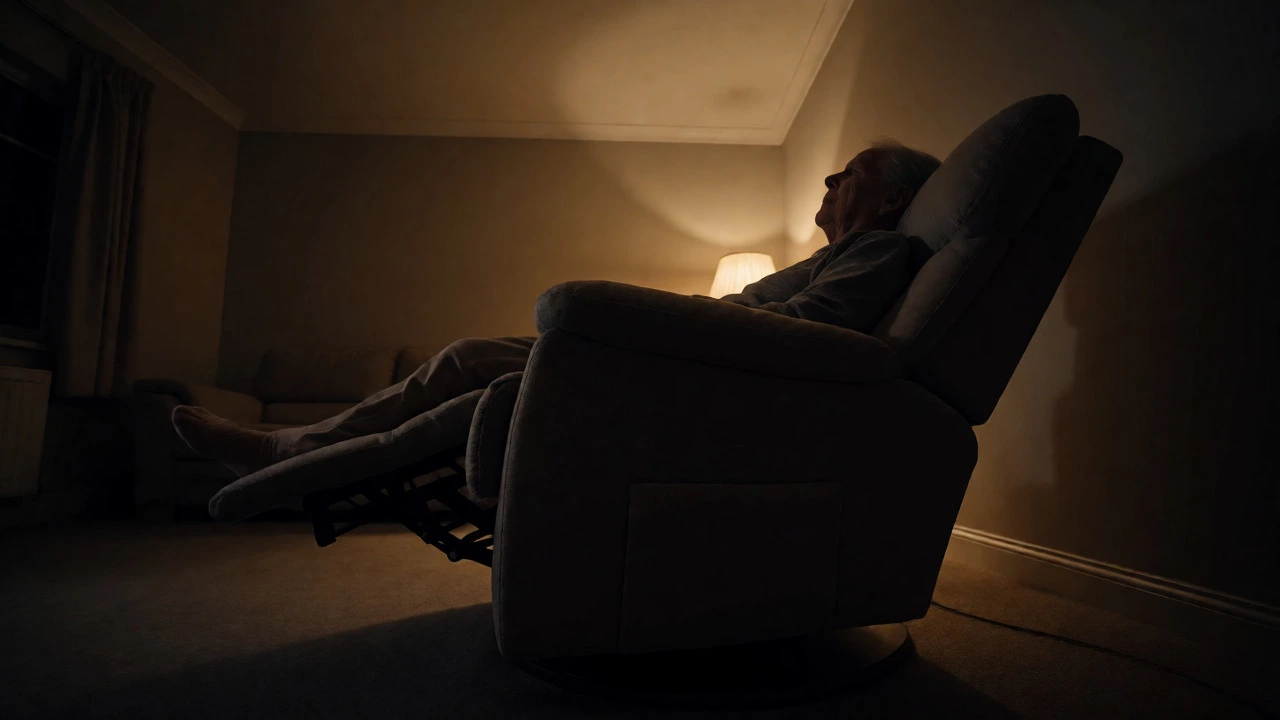
If the idea of the floor scares you but your current bed hurts you, look at recliner chairs upholstered seats with footrests and backrests that can tilt backward. Many seniors find that a high-quality power recliner offers the perfect compromise. Unlike a bed, a recliner keeps you upright enough to breathe easily, which is critical if you suffer from sleep apnea or acid reflux. Lying flat can worsen these conditions, whereas a semi-reclined position keeps airways open and stomach acids down.
Modern recliners come with features specifically designed for aging bodies. Power headrests allow you to adjust neck support without straining your arms. Lumbar pillows provide targeted lower back support, mimicking the firmness of a floor bed but with plush comfort. Some models include heat and massage functions, which can soothe arthritic joints before sleep. Getting in and out of a recliner is also significantly easier than rising from the floor. Many models feature "lift" mechanisms that gently raise you to a standing position, eliminating the risk of falls during the transition from sleep to wakefulness.
Consider the social aspect, too. Sleeping in a living room recliner allows you to remain part of the household activity. You can watch TV, read, or chat with family members without feeling isolated in a bedroom. For those who struggle with insomnia, the ability to move from the bed to a comfortable chair can break the cycle of anxiety associated with lying awake in the dark.
How to Safely Transition to Floor Sleeping
If you decide to try the floor, do not jump straight into it cold turkey. Start with naps. Spend twenty minutes lying on a thick yoga mat in the afternoon. Notice how your body feels. Do your hips ache? Does your neck feel aligned? Use this feedback to determine if you need additional padding, such as a pillow under your knees for back sleepers or between your legs for side sleepers.
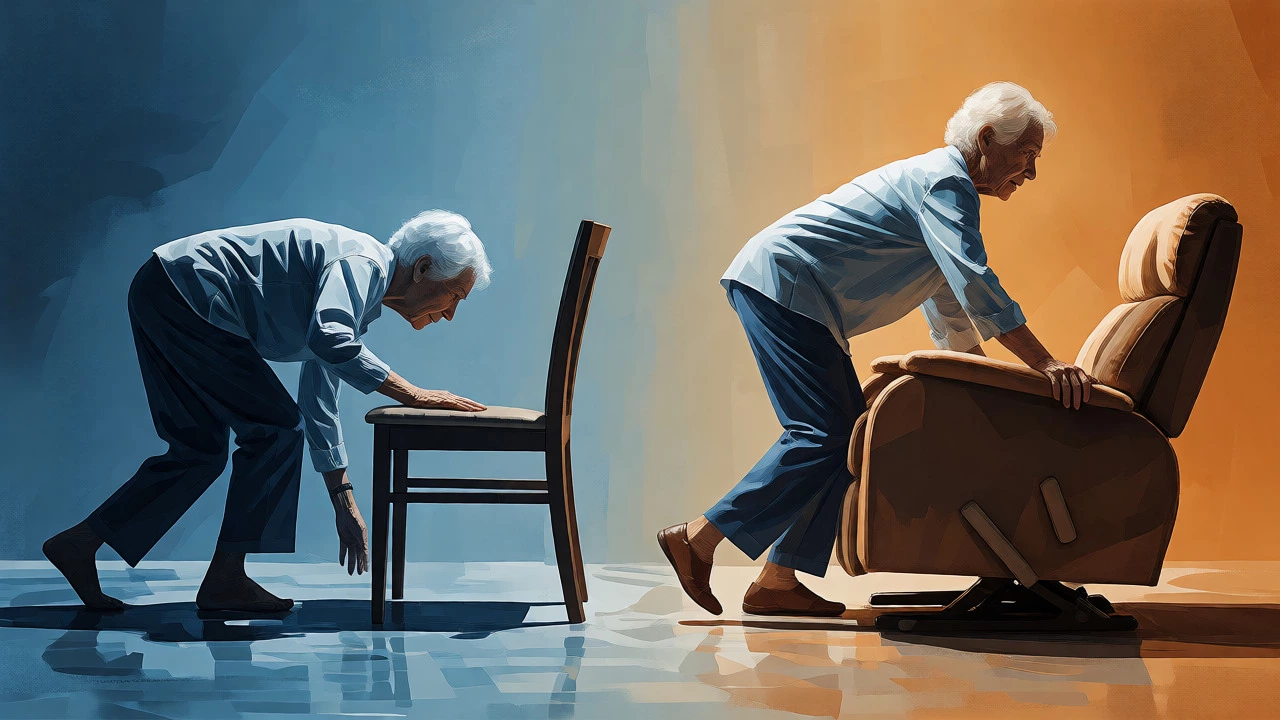
Create a safe environment. Clear the area of sharp edges or clutter. Ensure the floor is clean and free of dust bunnies that could trigger allergies. If you have carpet, you might need less padding; if you have wood or tile, invest in a high-density foam mat. Keep a sturdy chair nearby so you can use it for leverage when getting up. Never attempt to stand up quickly from the floor. Roll to your side, push up to your hands and knees, then use the chair to pull yourself up slowly.
Troubleshooting Common Sleep Issues
If you wake up with numb arms, your sleeping position is likely cutting off circulation. Try changing your arm placement. If you wake up with a stiff neck, your pillow height is wrong. On the floor, you often need a thinner pillow because your head doesn't sink into a mattress. If you wake up with hip pain, you are likely a side sleeper who needs more cushioning. Add a folded blanket under your hips.
For those with arthritis, morning stiffness is a common complaint after floor sleeping. To combat this, apply gentle heat to your joints before bed. A warm bath or heating pad can loosen tight muscles, making the firm surface more tolerable. Stretching routines performed immediately upon waking can also help mitigate the stiffness associated with static positions on hard surfaces.
Is sleeping on the floor bad for arthritis?
It depends on the type and severity of arthritis. For osteoarthritis in the hips or knees, the hardness of the floor can increase pain due to direct pressure on inflamed joints. However, for some with spinal arthritis, the firm support may reduce misalignment pain. Always consult a physiotherapist before making the switch.
Can I sleep on the floor if I have osteoporosis?
Yes, but caution is required. Osteoporosis increases fracture risk. The main danger is falling while getting up. Ensure you have a stable method to rise from the floor, such as a sturdy chair or grab bars. Using a thick, non-slip mat is essential to prevent sliding and provide joint protection.
What is the best mattress alternative for elderly people?
A medium-firm mattress on a standard-height bed is often the safest bet. However, for those with mobility issues, a power lift recliner chair can serve as a primary sleeping space, offering ease of movement and better respiratory support compared to lying flat.
Does sleeping on the floor help with back pain?
For many people, yes. Firm surfaces prevent the spine from sagging, which can alleviate mechanical back pain. However, if your pain is disc-related or involves nerve compression, the lack of cushioning might aggravate symptoms. Trial periods are recommended.
How long should I try sleeping on the floor?
Give it two weeks. Your body needs time to adapt to the new support system. Expect initial discomfort or stiffness, which should subside. If pain persists or worsens after two weeks, revert to a traditional bed or consult a healthcare provider.