Are Valances Out of Style in 2026? Modern Window Treatments Guide
Modern Valance Style Checker
Answer the questions below to determine if you should keep, remove, or update your valances, and get a recommendation for the most stylish option for your specific situation.
Primary Recommendation
Reasoning will appear here.
Why This Works For You:
You walk into a friend’s living room, glance at the windows, and wonder: "Did we just travel back to 1995?" It’s a common fear for homeowners trying to update their space. The valance is one of those polarizing home decor elements that people either love for its classic charm or hate for its perceived datedness. So, are they actually out of style in 2026, or have they quietly evolved into something chic again?
The short answer is no, valances aren't dead. But the boxy, ruffled, stiff fabric strips from your grandmother’s house? Those are definitely gone. Today’s valances are softer, smarter, and often integrated so seamlessly with other window treatments that you might not even realize you’re looking at one. If you’re stuck deciding whether to hang them up or take them down, this guide breaks down exactly how to make valances work in a modern home without looking like a time capsule.
The Evolution of the Valance
To understand where valances stand today, you have to look at where they came from. Historically, a valance was purely functional-it hid the hardware (rods, brackets) and covered the top part of the window where light leaked in. Over decades, it became decorative clutter. We’re talking heavy fabrics, excessive pleats, and matching everything from the sofa to the bedspread.
In 2026, the philosophy has shifted. Designers now treat valances as architectural accents rather than just fabric covers. They are used to:
- Hide awkward hardware: Especially useful if you have cheap rods or exposed brackets that ruin the view.
- Add height: A well-placed valance can trick the eye into thinking your ceilings are higher than they are.
- Introduce texture: Instead of bold patterns, modern valances use linen, woven woods, or solid colors to add depth without noise.
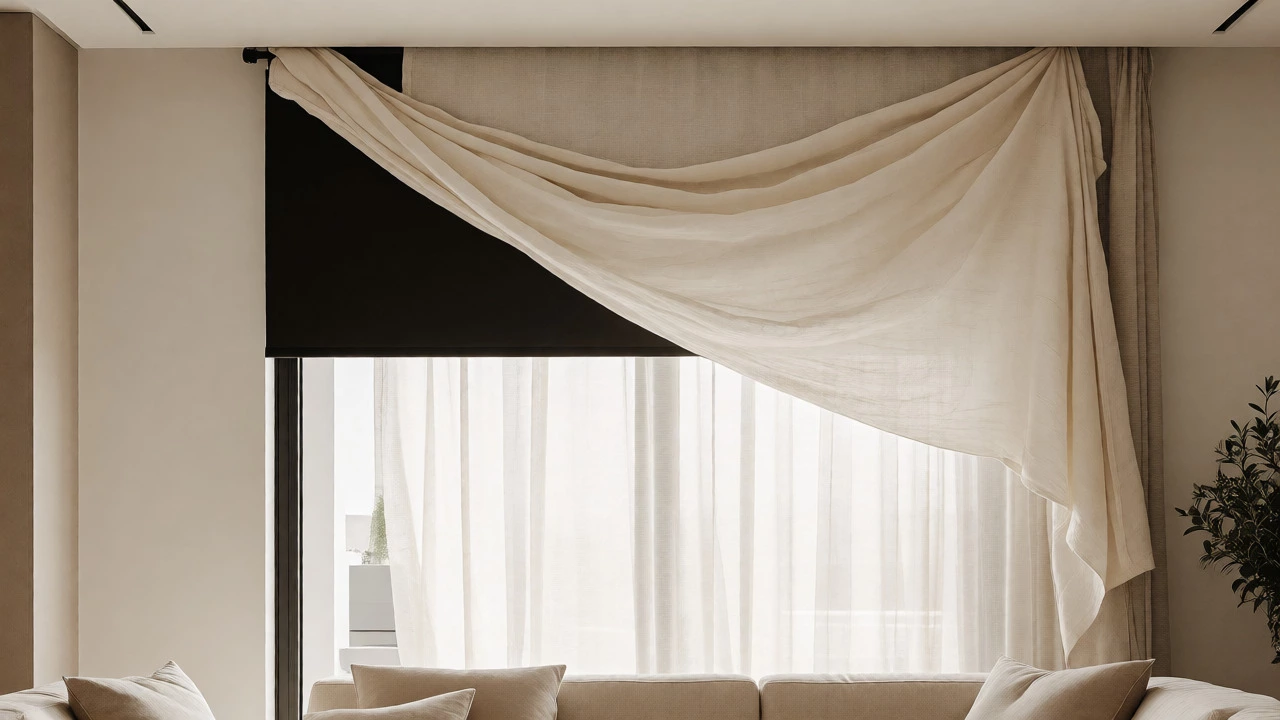
This shift means the "out of style" verdict really depends on execution. A stiff, polyester valance with a scalloped edge still looks dated. But a relaxed, unstructured linen swag hanging loosely over a sleek blackout blind? That’s current.
Why Some People Still Hate Them (And Why You Might Too)
Let’s be honest about the downsides. If you prefer a minimalist, airy aesthetic, valances can feel heavy. They collect dust, require more cleaning, and can block natural light if hung too low. In small apartments or rooms with low ceilings, a bulky valance can visually shrink the space, making it feel cramped.
There’s also the maintenance factor. Unlike simple roller blinds or sheer curtains that slide open effortlessly, valances stay put. If you’re constantly adjusting your blinds for privacy or light control, having a fixed fabric piece above them can be annoying. Plus, if you change your furniture colors next year, that custom-matched valance becomes an immediate liability.
So, who should avoid them? If you live in a ultra-modern, industrial loft with floor-to-ceiling glass, a valance might clash with the raw, unfinished vibe. Similarly, if you rent and can’t drill new holes, installing a valance board can be a hassle compared to tension rods or clip-on rings.
Modern Ways to Wear a Valance in 2026
If you want to try valances but don’t want to risk looking outdated, here are the specific styles that are trending right now.
The Relaxed Roman Shade Hybrid
This isn’t a traditional valance, but it serves the same purpose. Think of a Roman shade that doesn’t go all the way up. It hangs slightly lower than the window frame, creating a soft, layered look. It hides the top mechanism of blinds below it while adding a touch of elegance. This works beautifully in bedrooms and nurseries where softness is key.
The Cornice Box
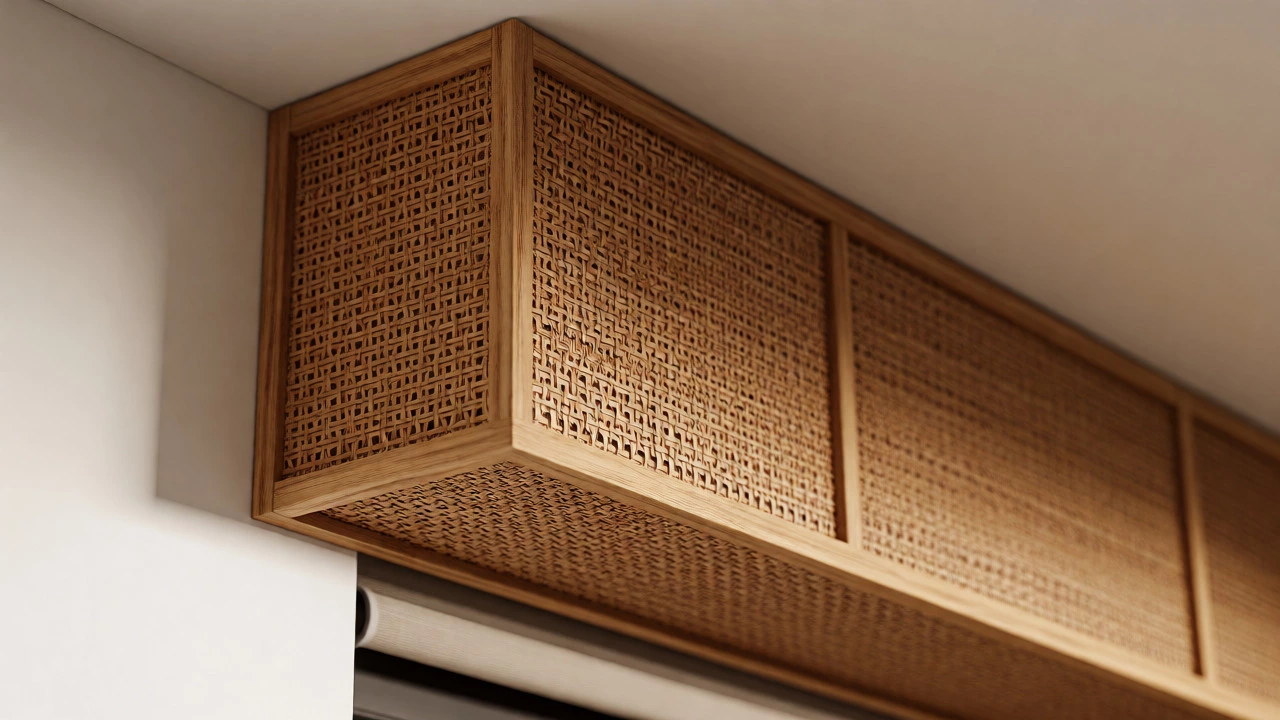
A cornice is a hard, structured box placed at the top of the window. In 2026, these aren’t painted white wood anymore. Designers are using materials like rattan, bamboo, or upholstered fabric in neutral tones. A rattan cornice adds warmth and texture, fitting perfectly with the ongoing biophilic design trend (bringing nature indoors). It’s clean, geometric, and hides hardware effectively without the fuss of fabric draping.
The Scarf Swag
Remember the elaborate swags of the 80s? Forget the stiffness. Modern scarf swags use lightweight, flowy fabrics like chiffon or thin cotton. They are draped loosely, almost carelessly, over the rod. This creates movement and softens harsh lines. It’s perfect for casual spaces like sunrooms or coastal-style homes. The key here is asymmetry-don’t aim for perfection; aim for effortless.
The Layered Look with Sheers
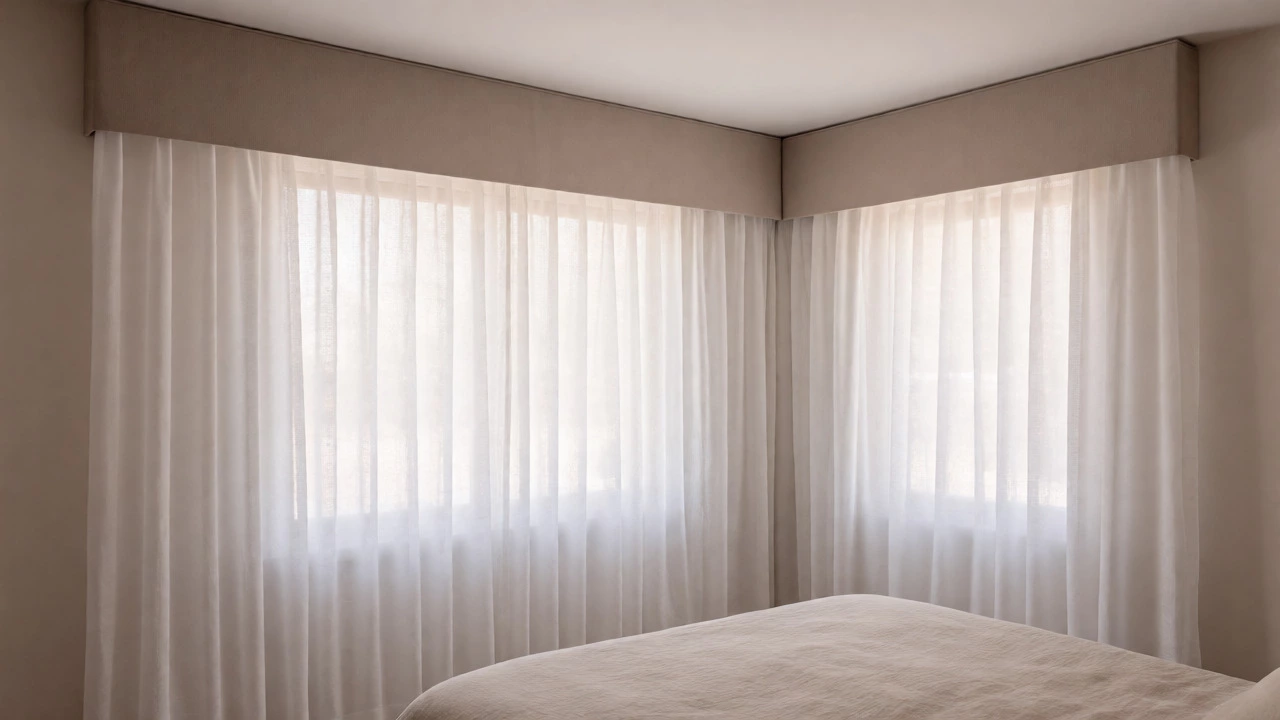
This is the most popular combo right now. You hang a simple, solid-color valance (often called a "pelmet") at the very top, then layer sheer curtains underneath. The valance provides structure and color blocking, while the sheers provide light diffusion. This allows you to keep the window feeling open and bright while still having that finished, tailored look.
When to Skip the Valance Entirely
Sometimes, less is more. There are specific scenarios where skipping the valance will make your home look better and function better.
| Scenario | Recommendation | Reasoning |
|---|---|---|
| Low Ceilings (< 2.4m) | Skip It | Valances cut vertical space visually. Go for ceiling-mounted curtains instead to elongate walls. |
| Small Windows | Skip It | Adding bulk to a tiny window makes it look smaller. Use slim blinds or shutters. |
| High-End Hardware | Skip It | If you have beautiful brass or matte black rods, show them off! Hiding them wastes money. |
| Dusty Rooms | Skip It | Fabric traps allergens. Opt for washable roller shades or faux wood blinds. |
| Awkward Window Shape | Use Valance | Use a valance to square off a weirdly shaped window or hide uneven frames. |
| Rental Property | Use Clip-On | Use temporary clip-on valances that don’t require drilling to satisfy landlord rules. |
How to Choose the Right Fabric and Color
Choosing the wrong fabric is the fastest way to date your room. Here’s what works in 2026:
- Natural Fibers: Linen, hemp, and organic cotton are top choices. They wrinkle naturally, which adds character. Avoid shiny satins or stiff polyesters.
- Neutral Palettes: Stick to whites, creams, taupes, and soft grays. These blend in and don’t compete with your furniture. If you want color, keep it muted-think sage green or dusty blue, not primary red.
- Texture Over Pattern: Patterns age quickly. Texture ages well. A waffle-weave or slub-linen valance looks interesting up close but remains timeless from a distance.
Pro tip: Match your valance fabric to your upholstery, not your curtains. This creates a cohesive look. If your sofa is beige linen, make the valance beige linen. It ties the room together without being matchy-matchy.
Installation Mistakes That Make Valances Look Cheap
Even a trendy valance can look bad if installed poorly. Here are the common pitfalls:
- Hanging Too Low: The bottom of the valance should sit at least 4-6 inches above the window frame. If it touches the frame, it looks cramped.
- Too Narrow: Extend the rod 3-6 inches beyond the window frame on each side. This lets light in when curtains are open and makes the window appear wider.
- Ignoring Proportions: A tall window needs a taller valance (or a cornice). A wide window needs a longer rod. Don’t use a standard 2-foot valance on a 6-foot window-it will look like a toy.
- Cheap Rods: If your valance slides on a flimsy wire, it will sag. Use sturdy wooden or metal rods. If you’re using a board, ensure it’s securely anchored to studs.
Also, consider the lighting. If you install recessed lighting above the valance, it casts a warm glow downward, highlighting the texture. This is a designer secret for adding luxury without spending a fortune on expensive fabrics.
Alternatives to Traditional Valances
If you decide valances aren’t for you, there are stylish alternatives that offer similar benefits (hiding hardware, adding height).
What is the difference between a valance and a pelmet?
While often used interchangeably, a valance typically refers to a soft, fabric treatment that hangs loosely or is gathered. A pelmet (or cornice) is usually a structured, rigid framework covered in fabric or made of wood/metal. Pelmets offer a cleaner, more architectural line, while valances offer a softer, more romantic look.
Do valances make a room look smaller?
They can, especially if they are dark-colored, bulky, or hung too low. To avoid shrinking the room, choose light-colored, lightweight fabrics and hang the valance high, close to the ceiling. This draws the eye upward, enhancing the sense of vertical space.
Can I use a valance in a modern kitchen?
Yes, but keep it simple. Avoid frills and lace. A flat, tailored linen valance or a simple wooden cornice works well in modern kitchens. Ensure the fabric is easy to clean, as kitchens get greasy and dusty. Washable cotton blends are ideal.
How do I clean a valance without taking it down?
For light dust, use a vacuum cleaner with an upholstery attachment. For stains, spot-clean with a mild detergent and water solution, testing on a hidden area first. Deep cleaning usually requires removing the valance and following the manufacturer’s washing instructions, which may involve dry cleaning for delicate fabrics.
Are valances good for privacy?
Not on their own. Valances only cover the top portion of the window. For privacy, you must pair them with another treatment like blinds, shades, or full-length curtains. The valance acts as a decorative header, not a privacy screen.
Final Verdict: Should You Keep Your Valances?
Valances aren’t out of style-they’ve just grown up. If yours are stiff, patterned, and matched to a floral sofa, swap them for something relaxed and neutral. If you’re starting from scratch, consider a cornice for a modern edge or a linen swag for softness.
The goal isn’t to follow trends blindly but to create a space that feels intentional. A well-chosen valance can elevate a room, hiding imperfections and adding polish. Just remember: simplicity wins. When in doubt, less fabric, better quality, and higher placement will always look more expensive and contemporary.