Best Office Chairs for Long Sitting: A Practical Guide to Comfort and Health
Ergonomic Chair Fit Checker
Use this tool to evaluate a chair's suitability for long hours of sitting. Check the boxes that apply to your current chair or a chair you are considering buying.
Your Ergo Score
Legend:
Why These Features Matter?
- Lumbar Support: Maintains the natural inward curve of your spine (lordosis). Without it, muscles fatigue quickly.
- Seat Depth: Ensures proper circulation behind knees and supports thighs without cutting off blood flow.
- Armrests: Supports forearms to relieve tension in shoulders and trapezius muscles.
- Tilt: Allows dynamic movement, changing pressure distribution on spinal discs to prevent stiffness.
You know the feeling. It’s 3 PM, you’ve been glued to your screen since 9 AM, and your lower back is starting to scream. You shift in your seat, trying to find a position that doesn’t hurt, but nothing works. This isn’t just bad luck; it’s physics. The human spine wasn’t designed to stay static for eight hours straight. Choosing the right ergonomic office chair is a critical piece of equipment designed to support the body's natural posture during prolonged periods of seated work can mean the difference between ending your day with a stiff neck or feeling relatively fresh.
But here’s the catch: there is no single "best" chair for everyone. Your height, weight, leg length, and even how you sit (do you slouch? do you lean forward?) change what works. However, certain features are non-negotiable if you want to survive long days at a computer without destroying your health. Let’s break down exactly what matters, which types of chairs actually deliver, and how to test them before you commit your cash.
The Anatomy of a Chair That Won't Hurt You
Most people buy chairs based on looks or price. Big mistake. For long sitting, you need mechanics, not aesthetics. An ergonomic design focuses on adjusting the workstation to fit the user rather than forcing the user to adapt to the workstation relies on specific adjustability points. If a chair lacks these, put it back on the shelf.
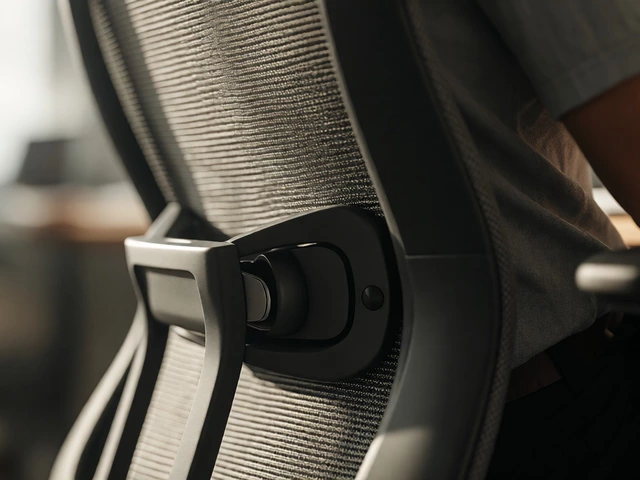
- Lumbar Support: This is the big one. Your lower back has an inward curve called lordosis. If your chair flattens this curve, your muscles have to work overtime to hold you up. Look for adjustable lumbar support that moves up/down and in/out. Fixed pillows often miss the mark because your spine height varies from person to person.
- Seat Depth Adjustment: Most cheap chairs fail here. You need about two to four fingers of space between the back of your knees and the front edge of the seat pan. Too deep, and you cut off circulation behind your knees. Too shallow, and your thighs aren’t supported, putting pressure on your tailbone.
- Adjustable Armrests: Static armrests force your shoulders up or your elbows out. You need armrests that move up, down, and ideally inward/outward. They should support your forearms when your elbows are at a 90-degree angle, taking the load off your trapezius muscles.
- Tilt Mechanism: You shouldn’t be frozen upright. A good chair allows you to recline slightly while keeping your feet on the floor. This dynamic movement changes the pressure distribution across your spinal discs, preventing them from drying out and compressing.
Mesh vs. Foam: The Material Debate
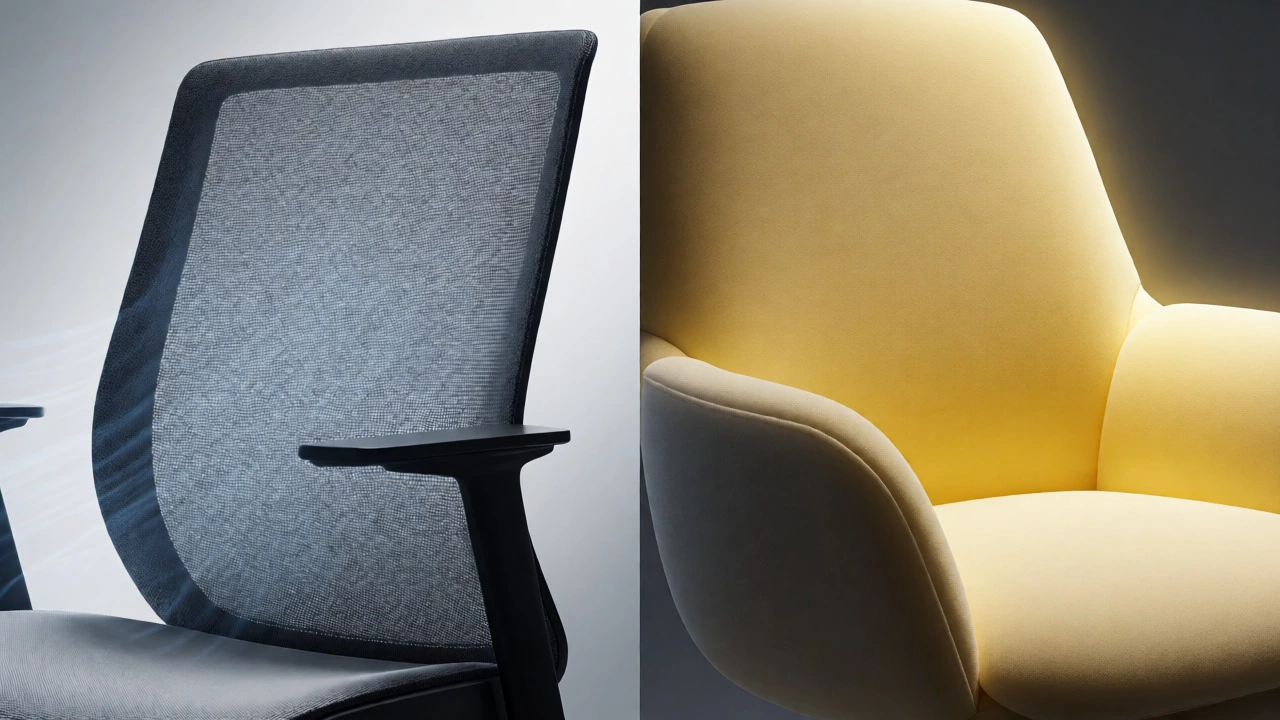
This is where opinions get heated. Should you sit on breathable mesh or plush foam? Both have pros and cons, depending on your environment and physiology.
| Feature | Mesh Back Chairs | Foam/Padded Chairs |
|---|---|---|
| Breathability | Excellent. Air flows through, reducing sweat and heat buildup. | Poor to Moderate. Can trap heat, especially in warmer climates like Auckland summers. |
| Support Feel | Firm and responsive. Contours to your back shape dynamically. | Soft and cushioned. Can feel luxurious initially but may bottom out over time. |
| Durability | High-quality mesh lasts years. Cheap mesh sags quickly. | Foam density matters. Low-density foam loses shape after 1-2 years of heavy use. |
| Cleanliness | Easy to vacuum dust. Spills can seep into weave. | Easier to wipe clean surfaces. Fabric covers can stain. |
If you run hot or live in a humid area, mesh is usually the smarter choice. It prevents that sticky, uncomfortable feeling by mid-afternoon. However, some people find mesh too rigid against their shoulder blades. If you prefer a softer touch, look for high-density molded foam wrapped in breathable fabric, not cheap polyester that feels like plastic.
Top Contenders by Category
Let’s look at specific models that consistently rank well for long-duration sitting. These aren’t just popular; they’re engineered for endurance.
The Gold Standard: Herman Miller Aeron
The Herman Miller Aeron is a widely recognized ergonomic office chair known for its PostureFit SL support and breathable Pellicle mesh suspension remains the benchmark for a reason. It comes in three sizes (A, B, C), ensuring a precise fit for different body types. The key feature here is the "Pellicle" material-a synthetic elastomeric mesh that distributes weight evenly. It doesn’t press on your sciatic nerve like traditional foam does. If you have the budget, it’s a 12-year warranty investment. But beware: the hard plastic frame edges can dig into your calves if you don’t adjust the seat depth correctly.
The Budget Hero: Steelcase Series 1
You don’t need to spend $1,500 to get decent ergonomics. The Steelcase Series 1 offers essential ergonomic adjustments including independent tension control and adjustable lumbar support at a fraction of the cost of premium models hits the sweet spot. It’s lighter, simpler, and easier to assemble. It lacks the fancy tilt lock positions of higher-end models, but for standard desk work, it provides solid lumbar support and a comfortable seat pan. It’s ideal for home offices where you don’t need extreme customization.
The Heavy-Duty Option: Secretlab Titan Evo
Often dismissed as a "gaming chair," the Secretlab Titan Evo is a gaming-style office chair featuring a magnetic head pillow and integrated lumbar support system designed for larger frames has evolved into a serious contender for office use. Why? Because it’s built for bigger bodies. Many standard ergonomic chairs max out at 250 lbs. The Titan handles up to 395 lbs comfortably. The integrated lumbar support uses magnets to slide up and down, which is more intuitive than dial-in knobs. If you’re over 6’2” or carry extra weight, this might be more comfortable than a sleek executive chair.
How to Actually Test a Chair (Don’t Skip This)
Buying online is risky unless you know your exact measurements. If you can, go to a showroom. If not, check return policies carefully. Here’s your checklist when testing:
- Sit Down Immediately: Don’t stand there looking at it. Sit for at least 15 minutes. Bring your laptop if possible.
- Check the Gap: Slide your hips all the way back. Can you fit two to four fingers between the seat edge and your knee? If yes, good. If no, the seat is too short or too long.
- Test the Recline: Lean back. Does the chair resist smoothly? Or does it snap back violently? You want smooth tension control so you can rock gently without falling over.
- Armrest Check: Place your hands on your keyboard. Are your shoulders relaxed? If your arms are floating or pushing down hard, the armrests are wrong. Adjust them until your shoulders drop naturally.
- Lumbar Pressure: Press your lower back into the support. It should feel firm but not painful. It should hit the small of your back, not your shoulder blades.
Common Mistakes That Ruin Good Chairs
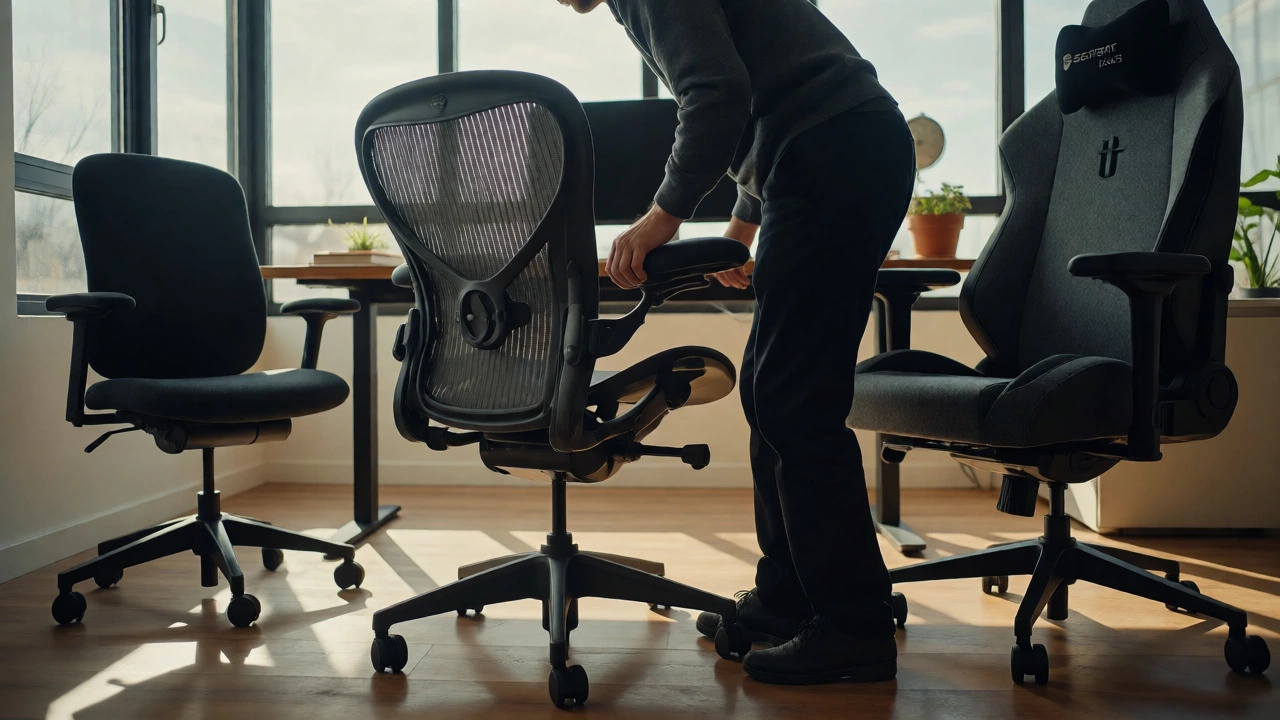
Even the best chair fails if you set it up wrong. I see this constantly in Auckland offices. People buy a $1,000 chair and sit in it like it’s a couch.
- Feet Floating: If your feet dangle, your thighs bear too much weight, cutting off blood flow. Use a footrest if your desk is too high.
- Screen Height Ignored: Your chair supports your body, but your monitor determines your neck angle. The top of your screen should be at or slightly below eye level. If you’re looking down, your neck strains regardless of how good your chair is.
- Static Sitting: No chair saves you from immobility. Set a timer. Every 45 minutes, stand up, stretch, or walk around. The best posture is the next one.
Verdict: Which One Should You Buy?
If money is no object and you want proven longevity, get the Herman Miller Aeron. It fits most average-sized adults perfectly and breathes well. If you’re on a tighter budget but still want real ergonomics, the Steelcase Series 1 is unbeatable value. If you have a larger frame or prefer a more enclosed, supportive feel, the Secretlab Titan Evo is surprisingly effective for office work despite its gamer roots.
Remember, comfort is subjective. What feels great for your colleague might feel terrible for you. Prioritize adjustability over brand names. A highly adjustable mid-range chair will always beat a fixed-position luxury chair.
Is an expensive chair really worth it for working from home?
Yes, if you spend more than 4 hours a day sitting. Cheaper chairs often lack proper lumbar support and seat depth adjustment, leading to chronic back pain that costs more in physiotherapy and lost productivity later. High-end chairs also tend to have better warranties (often 10-12 years), making them cheaper per year of use.
Do mesh chairs cause discomfort for thin people?
Sometimes. If you have very little muscle mass on your back, the tension of the mesh can feel harsh against your spine. Look for mesh chairs with adjustable tension controls, like the Herman Miller Aeron, which allows you to soften the resistance. Alternatively, choose a high-density foam chair with a contour that matches your spine.
How long does an office chair last?
A quality ergonomic chair lasts 7-12 years with daily use. Budget chairs ($100-$200) typically last 2-3 years before the gas cylinder fails or the foam collapses. Check the warranty period as a reliable indicator of expected lifespan.
Should I choose a chair with wheels or glides?
Wheels (casters) are standard for carpet and allow easy movement, which encourages micro-movements that keep blood flowing. Glides are better for hardwood floors to prevent scratches and provide stability. If you have hard floors, use a chair mat with casters rather than switching to glides, as mobility is generally preferred for ergonomics.
Can a chair help with sciatica?
It can help reduce symptoms, but it won’t cure sciatica. Look for a chair with a waterfall seat edge (curved downward at the front) to relieve pressure on the sciatic nerve behind the knees. Also, ensure the seat pan is wide enough so you aren’t compressed on the sides. Consult a doctor for persistent pain.