Is Wallpaper Too Trendy? How to Choose Timeless Designs
Timeless Wallpaper Evaluator
Select the characteristics of your potential wallpaper choice below to determine its longevity and trend risk.
Trend Risk Assessment
Calculating...Analysis details will appear here.
You walk into a friend's house in Auckland and see a wall covered in bold, geometric shapes. It looks incredible on Instagram. Two years later, you visit again, and the same room feels dated, like a time capsule from 2018. This is the fear that keeps many homeowners staring at paint swatches instead of wallpaper rolls. Wallpaper is often labeled as trendy, but is it really? The truth is more nuanced than a simple yes or no.
The problem isn't wallpaper itself; it's how we choose it. Some patterns age like fine wine, while others expire faster than milk left out in the sun. If you are worried about your investment losing its charm, you need to understand what makes a design "trendy" versus "timeless." Let's break down exactly how to pick wallpaper that won't make you cringe in five years.
The Difference Between Trendy and Timeless
What actually defines a trend? In interior design, a trend is a specific aesthetic that gains rapid popularity but lacks staying power. Think of the gray-on-gray phase of the mid-2010s. It was everywhere, but it faded quickly because it felt cold and impersonal once the novelty wore off. Timeless design, on the other hand, relies on fundamental principles of beauty-balance, contrast, and harmony-that have worked for centuries.
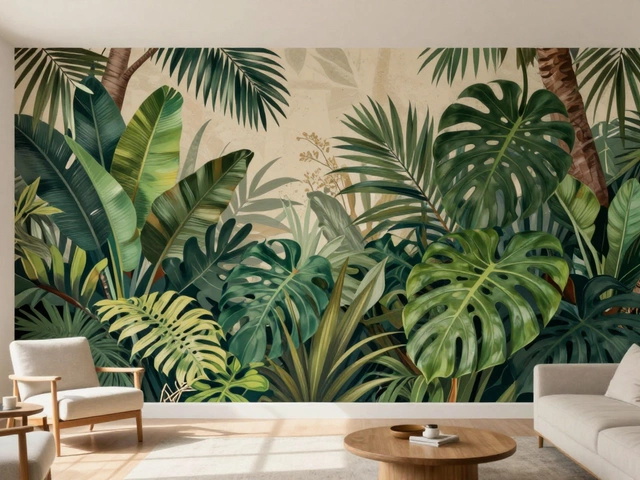
When you look at historical interiors, certain motifs persist. Florals, stripes, and botanical prints have been around since the Victorian era and still feel fresh today. Why? Because they connect with nature and basic visual rhythms. A stripe is just a line. A flower is just a shape. These aren't tied to a specific decade's marketing push.
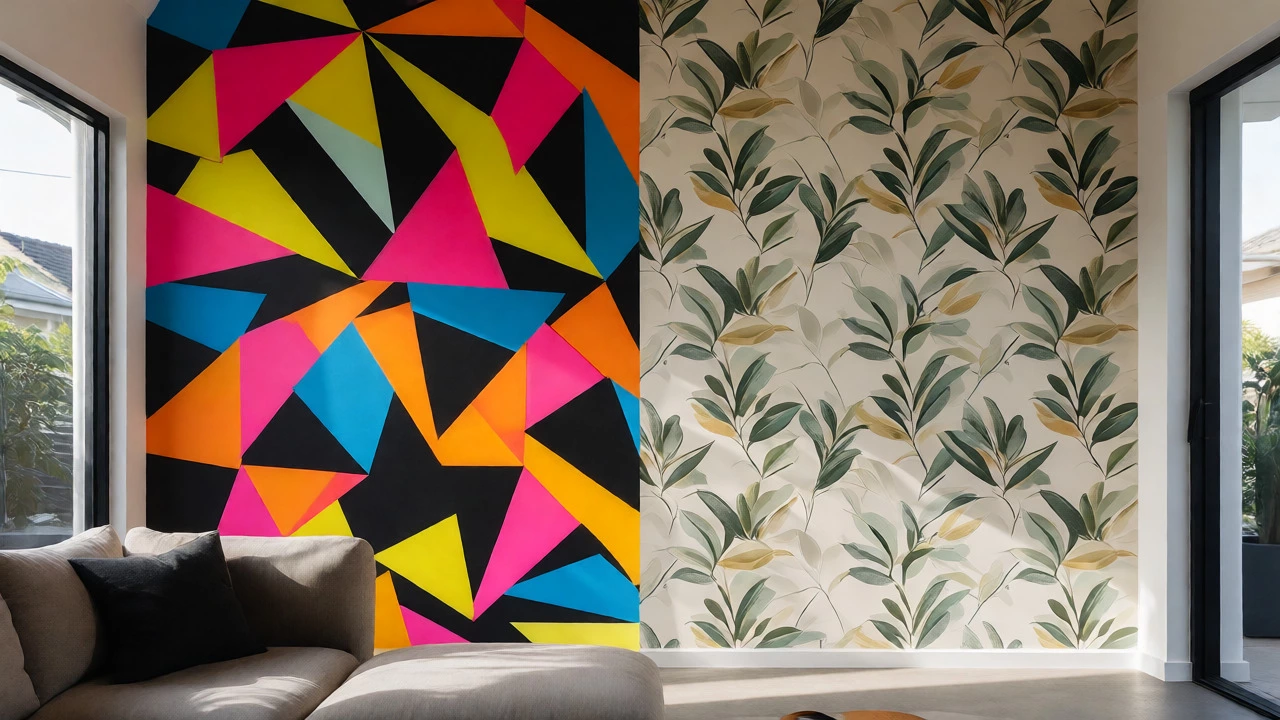
Trendy wallpaper usually screams for attention. It might use neon colors, chaotic digital prints, or overly complex 3D effects. Timeless wallpaper whispers. It uses natural materials, muted tones, or classic repeats. If your wallpaper looks like it belongs in a nightclub rather than a living room, it’s probably a trend.
Why Wallpaper Gets a Bad Rap
Part of the hesitation comes from bad past experiences. Many people remember their childhood homes with peeling, outdated floral paper that looked cheap. That stigma sticks. But modern manufacturing has changed everything. Today's wallpapers use non-woven substrates that breathe, resist mold, and peel off cleanly without damaging drywall.
Another reason people shy away is the commitment factor. Paint is easy to change. Wallpaper feels permanent. But this permanence is actually an advantage if you choose wisely. High-quality wallpaper lasts 10 to 15 years. If you spend $500 on a roll of premium designer paper, you’re amortizing that cost over a decade. Compare that to repainting every three years, and the math starts to look different.
The real risk isn't the material; it's the pattern. A busy print can overwhelm a small space. A dark color can shrink a room. These are practical issues, not just stylistic ones. You can avoid them by testing samples properly before buying full rolls.
Patterns That Age Well
If you want to play it safe but stylish, stick to these categories. They have proven resilience across decades of changing tastes.
| Pattern Type | Trend Risk | Best Use Case | Visual Impact |
|---|---|---|---|
| Botanical Prints | Low | Living rooms, bedrooms | Calming, organic |
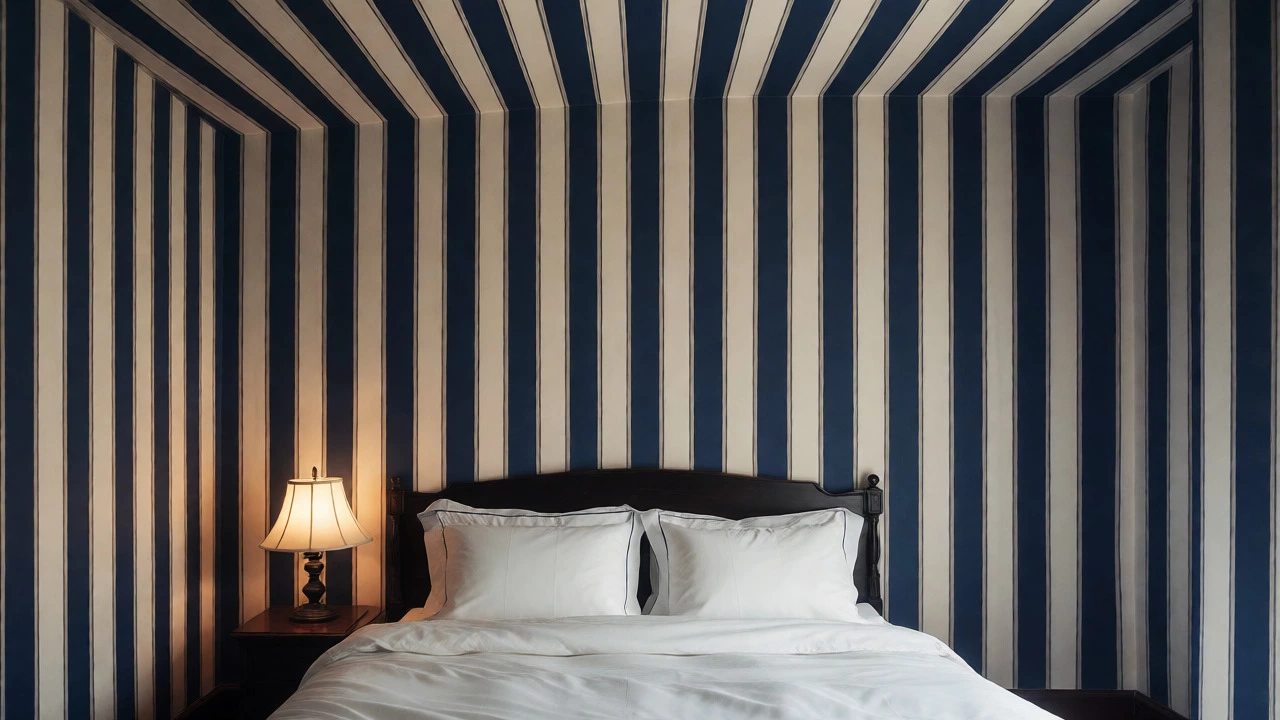
| Classic Stripes | Very Low | Hallways, ceilings | Elongating, structured |
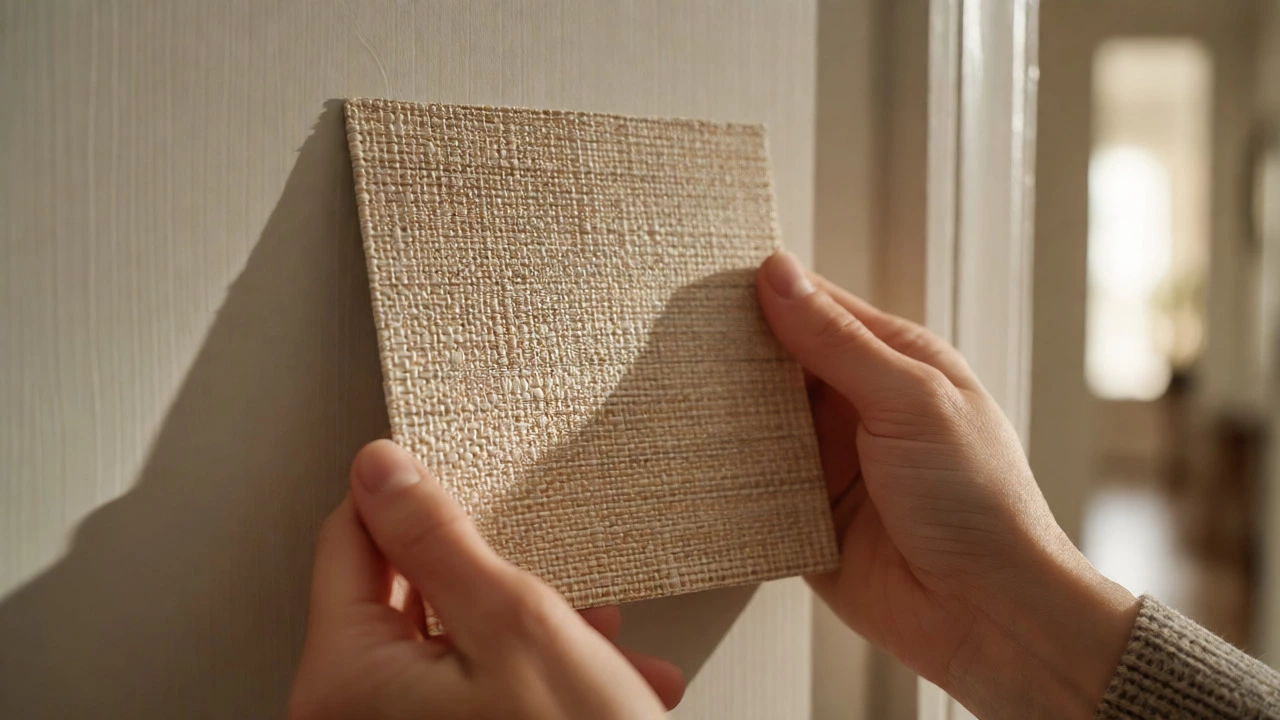
| Textured Grasscloth | None | Offices, dining rooms | Warm, subtle depth |
| Geometric Novelties | High | Kids' rooms, powder rooms | Bold, energetic |
Notice the pattern here? The lower the risk, the closer the design is to nature or geometry basics. Botanical prints connect us to the outdoors, which never goes out of style. Stripes provide structure without demanding attention. Textured papers like grasscloth add warmth through tactile quality rather than loud visuals.
Avoid anything that relies heavily on current pop culture references or ultra-specific color palettes. For example, "Millennial Pink" was huge for a few years, but now it feels dated. Sage green is safer because it mimics natural foliage. The rule of thumb: if the color name sounds like a food item or a tech gadget, be cautious.
Where to Use Wallpaper Safely
You don't have to paper every wall to enjoy the benefits. In fact, doing so often amplifies the "too trendy" effect. Strategic placement lets you experiment without committing to a full-room makeover.
Accent Walls: Pick one focal point, like behind a bed or a sofa. This limits the visual noise. If you get bored, you only have to remove one section. It’s low stakes, high impact.
Small Spaces: Powder rooms and entryways are perfect for bold choices. These areas are transitional-you don't spend hours there. A dramatic print in a half-bath adds personality without overwhelming your daily life. Plus, if it becomes too much, it’s easy to repaint.
Ceilings: Often called the "fifth wall," ceilings are overlooked. A subtle metallic or textured paper on the ceiling draws the eye upward, making rooms feel taller. It’s unexpected but rarely regretted because it’s not in your direct line of sight most of the time.
How to Test Before You Commit
Never buy wallpaper based solely on a website photo. Screens distort colors and scale. What looks like a delicate fern print on your laptop might look like giant broccoli florets on a ten-foot wall.
- Order Samples: Most reputable brands send sample squares for free or a small fee. Hang them on your actual wall.
- Check Lighting: Look at the sample in morning light, afternoon sun, and evening lamp glow. Colors shift dramatically under different temperatures.
- Step Back: Stand across the room. Do the details blur into a muddy mess? Or does the pattern hold up from a distance?
- Live With It: Leave the sample up for 48 hours. See if it irritates you when you're tired or trying to relax.
This process takes two weeks, but it saves thousands of dollars and headaches. I’ve seen clients rush the purchase, install a whole feature wall, and then hate it within days. Patience pays off.
Removability Is Your Safety Net
Modern technology has solved the biggest barrier to wallpaper adoption: removal. Peel-and-stick options and removable non-woven papers mean you can change your mind without hiring a contractor to scrape plaster.
However, not all "removable" papers are created equal. Check the manufacturer’s warranty. Some claim removability but leave adhesive residue after two years. Always test a corner before removing the whole sheet. If you live in a rental property, this flexibility is crucial. Landlords often prefer painted walls, but they might allow wallpaper if you guarantee restoration.
If you own your home, consider the resale value. Neutral, textured wallpapers can enhance appeal by adding character. Loud, niche themes (like superhero murals) might deter buyers who see it as extra work. Keep it general enough to appeal to multiple tastes.
Common Myths About Wallpaper Trends
Let's debunk a few things people say at dinner parties.
"Wallpaper makes small rooms smaller." False. Large-scale patterns can actually expand a space by drawing the eye outward. Dark colors recede, creating depth. It’s about scale, not just color.
"Wallpaper is hard to clean." Outdated. Modern vinyl-coated papers wipe down easily. You can scrub stains with mild soap and water. It’s often more durable than matte paint, which scuffs easily.
"It’s expensive." Compared to basic paint, yes. But compared to custom cabinetry or stone cladding? No. And considering it lasts longer than paint, the cost per year is competitive.
These myths keep people stuck in beige monotony. Breaking free doesn't require extreme changes. Just informed choices.
Final Verdict: Is It Worth It?
So, is wallpaper too trendy? Only if you chase fads. If you choose designs rooted in nature, geometry, or texture, you get durability and style. Wallpaper adds layers of interest that flat paint cannot achieve. It absorbs sound, hides wall imperfections, and sets a mood instantly.
Start small. Try a hallway. Test a bedroom accent. Learn what works in your specific lighting conditions. Once you realize how forgiving modern materials are, you’ll wonder why you waited so long.
Does wallpaper increase home value?
Generally, neutral and high-quality wallpaper can improve perceived value by adding character and finishing touches. However, highly personalized or bold patterns may not appeal to all buyers, potentially requiring removal costs during sale negotiations.
How long does modern wallpaper last?
With proper installation and care, high-quality vinyl or non-woven wallpaper typically lasts between 10 to 15 years. Factors like humidity, sunlight exposure, and wall preparation significantly affect longevity.
Can I put wallpaper over existing wallpaper?
You can, but it is risky. Old wallpaper must be firmly adhered, smooth, and compatible with new adhesive. If the old layer is vinyl or textured, it often needs to be stripped to ensure the new paper adheres properly and doesn't bubble.
Is peel-and-stick wallpaper durable?
Peel-and-stick is less durable than traditional paste-the-wall paper. It is best for low-traffic areas, rentals, or temporary updates. It may lift at seams over time and is prone to tearing during removal.
What is the most timeless wallpaper style?
Subtle textures like grasscloth, linen, or silk finishes are considered the most timeless because they add depth without relying on specific color trends or busy patterns.