Best Wood for Coffee Tables: A Practical Guide to Durability and Style
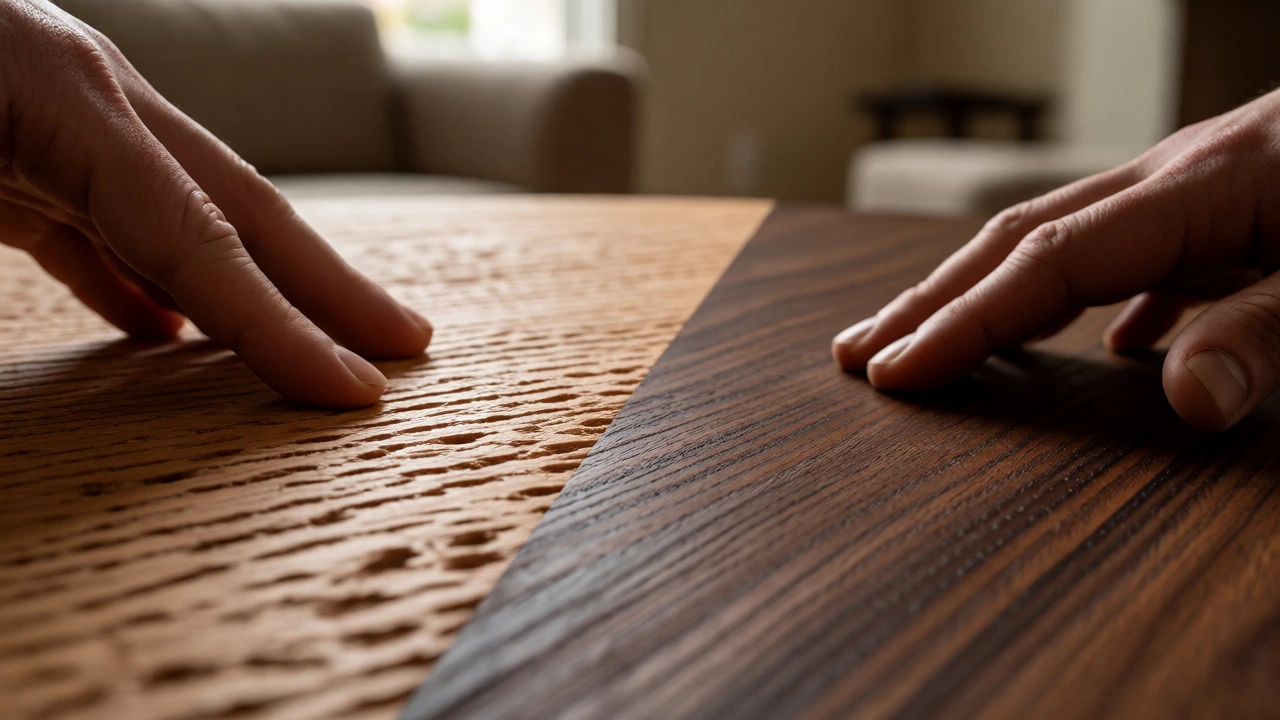
Coffee Table Wood Matcher
Answer three quick questions to find the perfect wood species for your living room.
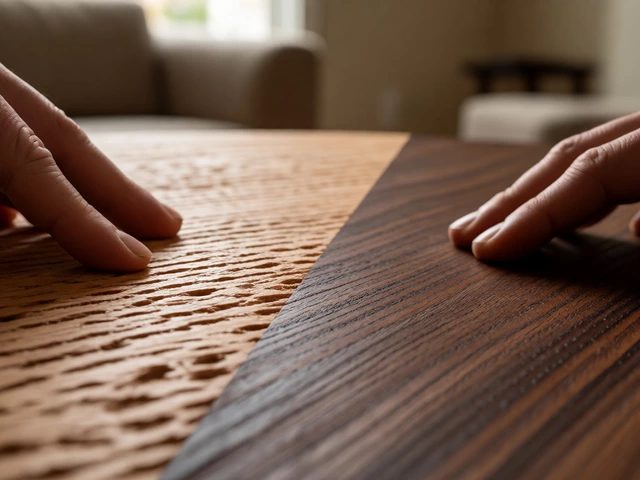
You’re standing in the showroom, staring at three identical-looking tables. One costs $200, another $800, and the third $2,500. They all look like "wood." But if you tap them, smell them, or run your hand along the edge, they feel completely different. That difference? It’s the species of wood. Choosing the best wood for coffee table isn’t just about aesthetics; it’s about whether that surface will survive a toddler’s crayon phase, a spilled latte, or the heavy thud of a stack of magazines.
Here is the truth most salespeople won’t tell you: there is no single "best" wood. There is only the best wood for your lifestyle, budget, and design taste. Do you have kids who treat the living room like a wrestling ring? You need hardness. Are you a minimalist who hates seeing scratches? You need tight grain and dark tones. Are you on a tight budget but want real quality? You need to know which softwoods punch above their weight class.
Key Takeaways
- Oak is the gold standard for balance between durability, price, and availability.
- Walnut offers premium aesthetics and natural resistance to scratches due to its color depth.
- Rubberwood is the best budget-friendly solid wood option for light-use households.
- Hardness (measured by Janka scale) matters more than looks if you have high traffic or children.
- Veneer over MDF is not "fake" wood-it’s often more stable and affordable than solid slabs.
Understanding Wood Hardness: The Janka Scale
Before you pick a species, you need to understand how hard it actually is. In the furniture industry, we use the Janka Hardness Test. This measures the force required to embed a steel ball halfway into a sample of wood. Higher numbers mean harder wood. Why does this matter for a coffee table? Because coffee tables take abuse. They are low, accessible, and often used as footrests, drink coasters, or impromptu workspaces.
If you choose a wood with a low Janka rating, like Pine (approx. 380 lbf), you will see dents within months. A set of keys dropped from waist height can leave a permanent mark. Conversely, Hickory (1,820 lbf) might chip rather than dent, but it’s rarely used for elegant mid-century modern designs because it’s so dense and difficult to work with. For most living rooms, you want a sweet spot between 900 and 1,400 lbf. This range provides enough resistance to daily wear without being impossible to repair if damage occurs.
The Heavy Hitters: Oak, Maple, and Walnut
Let’s talk about the three woods you’ll see in 80% of quality furniture stores. These are your safe bets, but they serve different purposes.
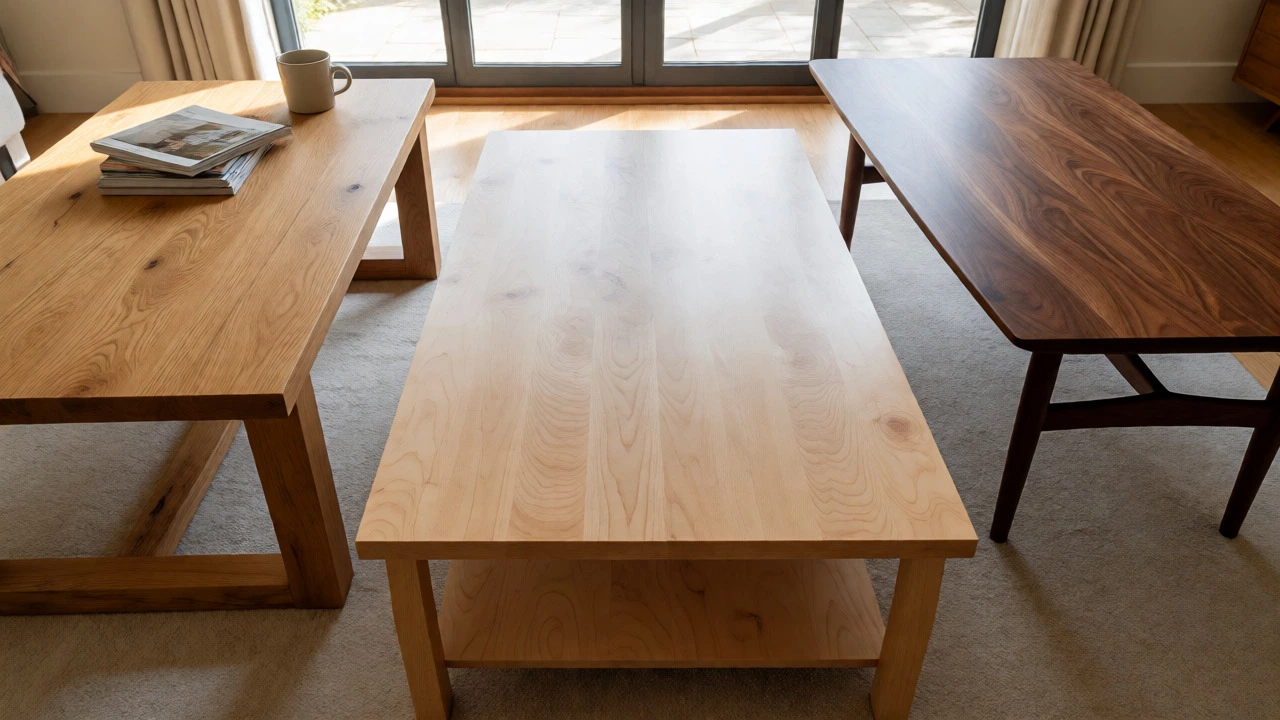
White Oak is arguably the most versatile choice available today. Unlike Red Oak, which has an open, porous grain that can trap dirt and liquids, White Oak has closed pores. This makes it naturally more resistant to water stains-a huge plus if you forget to use coasters. It’s hard (1,360 lbf), takes stain beautifully, and fits almost any style from rustic farmhouse to sleek Scandinavian. If you buy one solid wood table and never worry again, make it White Oak.
Hard Maple is the underdog. It’s incredibly hard (1,450 lbf) and has a very subtle, fine grain. Because it lacks prominent lines, it looks clean and modern. However, maple tends to yellow slightly over time when exposed to sunlight. If you have large south-facing windows, be aware that your pale maple table might turn honey-colored in five years. Some people love this aging process; others hate it. Check your lighting before buying.
Then there’s Black Walnut. This is the luxury pick. It’s softer than oak (1,010 lbf), which surprises people, but its dark brown heartwood hides scratches remarkably well. A small dent in a black walnut table is barely visible against the deep grain. It’s also less likely to warp than many other hardwoods. The downside? Price. Walnut is expensive, and supply chains have tightened in recent years. But if you want a statement piece that ages gracefully, walnut is unmatched.
Budget-Friendly Solid Woods: Rubberwood and Ash
Not everyone wants to spend $1,500 on a coffee table. That’s where Rubberwood comes in. Often labeled as "eco-friendly" because it’s harvested from latex-producing trees that no longer produce sap, rubberwood is surprisingly durable (995 lbf). It’s similar in hardness to cherry or walnut but costs significantly less. The catch? It’s usually sold as finger-jointed blocks rather than long planks. If you don’t mind seeing those little square joints in the tabletop, rubberwood is a fantastic value. It takes paint well, too, making it great for white or gray painted tables.
Ash is another underrated option. It’s tough (1,320 lbf) and has a striking grain pattern similar to oak but lighter in color. Ash is flexible, which historically made it popular for tool handles, meaning it resists shock impacts well. Drop a remote control on an ash table? It bounces off. On a brittle wood, it might crack. Ash is often overlooked in favor of oak, but it’s frequently cheaper and equally sturdy.
Comparing Popular Coffee Table Woods
To help you decide, here is a direct comparison of the most common materials. Note that prices are estimates based on current market rates for a standard 40x20-inch solid top.
| Wood Species | Janka Hardness (lbf) | Durability | Aesthetic Style | Relative Cost |
|---|---|---|---|---|
| White Oak | 1,360 | High | Traditional to Modern | $$ |
| Black Walnut | 1,010 | Medium-High | Luxury / Mid-Century | $$$ |
| Hard Maple | 1,450 | Very High | Clean / Minimalist | $$ |
| Rubberwood | 995 | Medium | Casual / Painted | $ |
| Pine | 380 | Low | Rustic / Cottage | $ |
| MDF (Veneered) | N/A | Medium (Surface) | Uniform / Industrial | $ |
Solid Wood vs. Veneer: Don’t Fear the Fake
There is a stigma against veneer. People hear "veneer" and think "cheap particleboard covered in plastic." That’s outdated thinking. Wood Veneer is a thin slice of real hardwood glued to a core of plywood or medium-density fiberboard (MDF). High-quality veneer is indistinguishable from solid wood once finished.
Why would you choose veneer? Stability. Solid wood moves. It expands and contracts with humidity changes. In a dry winter or humid summer, a wide solid oak slab can cup or crack. Veneer over a stable core doesn’t move nearly as much. If you live in an area with extreme temperature swings, or if you want a very large table (over 50 inches wide), veneer is often the smarter engineering choice. Just ensure the core is plywood, not cheap particleboard, as plywood holds screws better and resists sagging.
Finishes Matter More Than You Think
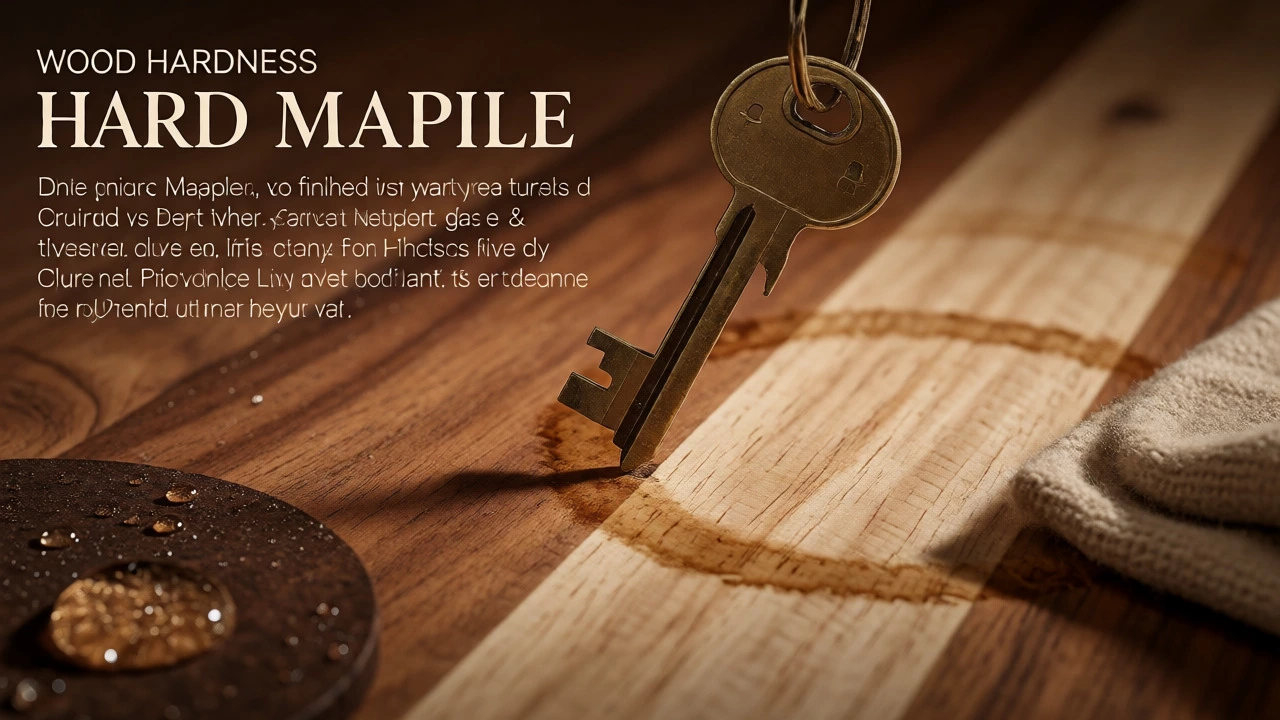
You can have the hardest wood in the world, but if the finish is weak, the table will fail. When shopping, ask about the sealant. Polyurethane finishes offer the best protection against water rings and alcohol spills. They create a hard plastic-like shell. The downside? They can look plasticky if applied too thickly.
Lacquer is thinner and feels more natural to the touch, but it chips easier. Oil Finishes (like tung oil or Danish oil) penetrate the wood rather than sitting on top. They look beautiful and matte, but they require maintenance. You’ll need to re-oil the table every year or two to keep it protected. If you hate maintenance, avoid oil finishes. If you love the feel of raw wood, embrace the ritual.
How to Choose Based on Your Lifestyle
Stop looking at catalogs and start looking at your life. Here is a quick decision tree:
- Do you have toddlers or pets? Go for Hard Maple or White Oak with a polyurethane finish. Avoid Pine and Cherry (too soft).
- Is your home formal and quiet? Black Walnut or Mahogany adds elegance. Oil finishes are acceptable here since abuse is minimal.
- Are you renting or moving soon? Consider Rubberwood or high-quality Veneer. You get the look without the massive investment.
- Do you love DIY repairs? Buy Pine or Ash. Scratches are part of the charm, and you can sand out dents easily.
Care Tips to Extend Your Table’s Life
No matter what wood you buy, neglect kills it faster than misuse. Keep these rules in mind:
- Use Coasters: Even on sealed oak, condensation can seep into seams and raise the grain. Always use felt-bottomed coasters.
- Rotate Decor: If you keep a lamp or plant on one side, rotate it monthly. Sunlight fades wood unevenly, creating patchy discoloration.
- Wipe Spills Immediately: Water is wood’s enemy. Wipe up spills within minutes, not hours.
- Control Humidity: Keep indoor humidity between 40-50%. Too dry, and wood cracks. Too wet, and it swells.
Choosing the right material is half the battle. The other half is respecting the material you chose. With the right wood and a bit of care, your coffee table can last decades, becoming a family heirloom rather than landfill waste.
Which wood is most scratch-resistant for a coffee table?
Hard Maple and Hickory are among the most scratch-resistant due to their high density (Janka ratings over 1,400). However, Black Walnut is often perceived as more scratch-resistant in practice because its dark color camouflages minor surface marks better than lighter woods like Maple or Birch.
Is pine good for a coffee table?
Pine is affordable and lightweight, making it okay for low-traffic areas or decorative pieces. However, it is a softwood (Janka ~380) and dents easily. If you have children or pets, pine will show significant wear quickly unless heavily distressed intentionally.
What is the cheapest solid wood for coffee tables?
Rubberwood and Poplar are typically the most affordable solid hardwoods. Rubberwood is harder and more durable, while Poplar is softer and often used for painted furniture because it takes paint evenly without showing grain.
Does oak turn yellow over time?
White Oak tends to darken slightly or stay neutral, while Red Oak may develop a reddish hue. Maple is the wood most prone to yellowing when exposed to UV light. Using UV-protective window films can slow this process for any wood species.
Is engineered wood bad for coffee tables?
No, not necessarily. High-quality engineered wood (plywood core with hardwood veneer) is more stable than solid wood and less likely to warp. It is a practical choice for large tables or humid environments, provided the veneer is thick enough (at least 0.6mm) to allow for refinishing.