Who Is the Richest Contractor in the World? Top Construction Tycoons and Their Wealth
Construction Tycoon Wealth Comparison
- Mukesh Ambani $100B+
- Gautam Adani $80B - $90B
- Lee Family (Samsung) $50B+ (Combined)
- Lévy Family (Bouygues) $3B - $4B
- Mulliez Family (Vinci) Private/Undisclosed
Visualize the Scale of Wealth
Compare the financial magnitude of these industrial titans. The scale is adjusted to show the massive gap between traditional European contractors and modern Asian conglomerates.
Key Insight
While the Lévy family controls a massive global contractor (Bouygues), their personal wealth is dwarfed by Indian conglomerates like Reliance and Adani, whose construction arms are part of broader infrastructure empires including energy, ports, and digital networks.
When you hear the word contractor, you might picture a local builder fixing a deck or a general contractor managing your kitchen remodel. But at the very top of the industry, the stakes are measured in billions, not thousands. The title of the richest contractor in the world doesn’t go to a single handyman; it goes to the founders and heirs of massive multinational conglomerates that build airports, dams, highways, and entire cities.
In 2026, the landscape of construction wealth is dominated by Asian and European giants. These aren't just business owners; they are industrial titans whose companies generate revenue comparable to the GDP of small nations. If you are looking for the specific name attached to the largest net worth in this sector, the answer usually points toward the families behind China’s state-backed behemoths or the private empires of India and Europe. However, because many of these leaders hold shares in publicly traded companies or work within state-owned enterprises where personal wealth is harder to isolate, the "richest" label often shifts between a few key players depending on stock market fluctuations.
The Titans of Global Infrastructure
To understand who holds the crown, we have to look at the companies driving the numbers. The construction industry is fragmented, but the top tier is consolidated among a handful of super-majors. These entities don't just pour concrete; they manage complex logistics, engineering marvels, and long-term government contracts spanning decades.
China State Construction Engineering Corporation (CSCEC) is the largest construction enterprise in the world by revenue. While CSCEC is a state-owned enterprise, meaning its profits go to the Chinese state rather than a single individual founder, the executives and major shareholders associated with such entities wield immense influence and personal wealth. In terms of pure corporate scale, CSCEC dwarfs its competitors, handling projects from skyscrapers like the Shanghai Tower to massive high-speed rail networks.
However, when we talk about *personal* net worth tied directly to construction contracting, the spotlight shifts to private family dynasties. Here, the competition is fierce between Indian industrialists and European builders.
The Indian Giants: Ambani and Beyond
Mukesh Ambani is the chairman of Reliance Industries, which has a massive infrastructure and construction arm through Jio Platforms and Reliance Infrastructure. While Ambani is primarily known as an energy and telecom billionaire, his company’s construction-related ventures-building data centers, retail chains, and digital infrastructure-place him firmly in the conversation. As of 2026, Ambani’s net worth often exceeds $100 billion, making him one of the wealthiest individuals connected to large-scale infrastructure development globally.
Another key figure is Gautam Adani of Adani Group. The Adani Group is a major player in ports, airports, power plants, and defense manufacturing, all requiring colossal construction capabilities. Adani Enterprises has been involved in some of the most significant infrastructure projects in India and internationally. His net worth fluctuates but consistently ranks him among the top ten richest people in the world, with a significant portion of that wealth derived from asset-heavy construction and infrastructure holdings.
European Powerhouses: The Vinci and Bouyghe Families
In Europe, the construction wealth is more traditionally tied to dedicated building firms. Vinci SA is a French multinational construction and concessions company founded by the Mulliez family. The Mulliez family, though famously private and often avoiding public wealth rankings due to their preference for anonymity, controls one of the most powerful construction and service networks in the world. They own brands like Leroy Merlin and operate casinos, hotels, and airports, but their core remains heavy civil engineering and building services.
More visible in public rankings is François-Henri Pinault, though his wealth is largely in luxury goods, his family’s historical ties to construction are less direct compared to others. A more direct competitor is the Bouygues Group, led by Maurice Lévy (former CEO) and currently managed by the Lévy family. Bouygues Construction is a leading global contractor, working on everything from nuclear plants to urban housing. The Lévy family’s net worth is substantial, often hovering around several billion dollars, derived directly from construction, media, and telecommunications assets.
Asian Private Contractors: The Samsung and Hyundai Legacy
South Korea’s construction industry is driven by chaebols (family-controlled conglomerates). Samsung C&T is a division of the Samsung Group that specializes in construction and trading. The Lee family, which controls Samsung, includes some of the world’s richest individuals. While Samsung Electronics gets the headlines, Samsung C&T builds stadiums, bridges, and commercial complexes worldwide. Similarly, Hyundai Engineering & Construction is part of the Hyundai Motor Group ecosystem, controlled by the Chung family. These families’ wealth is diversified, but construction remains a foundational pillar of their empires.
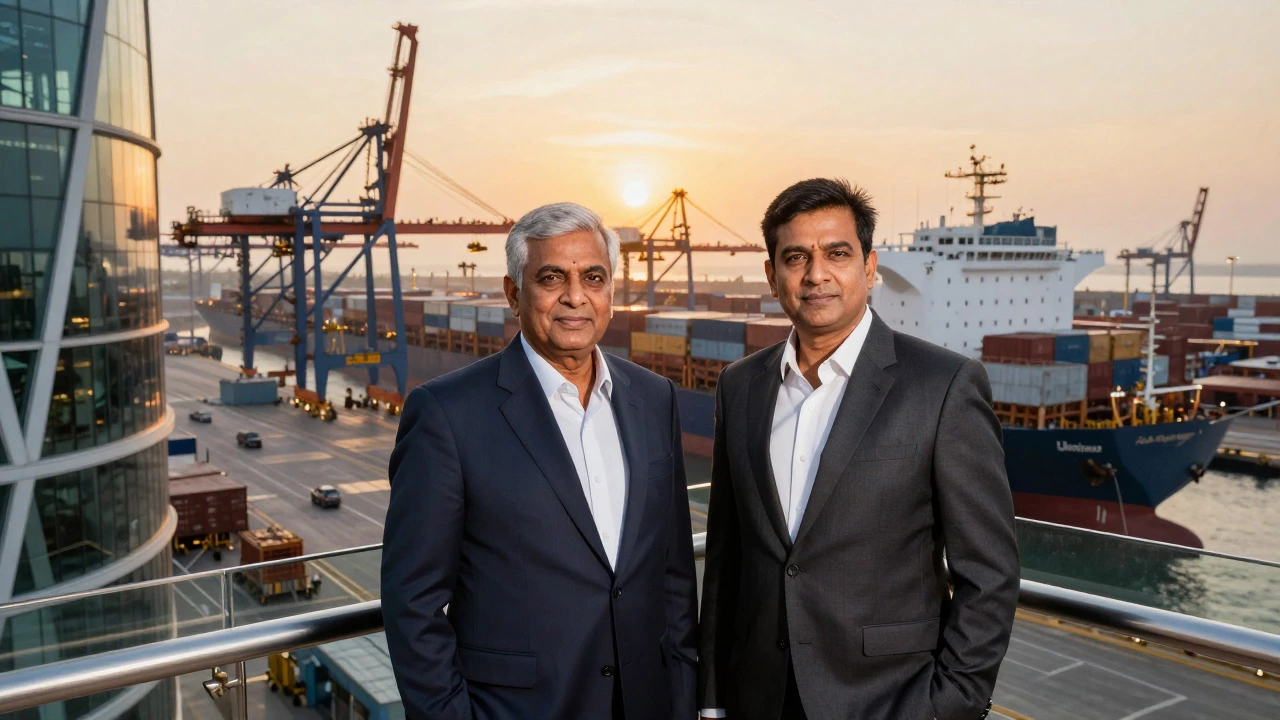
Comparison of Top Construction-Linked Wealth
| Individual/Family | Primary Company | Estimated Net Worth | Key Construction Focus |
|---|---|---|---|
| Mukesh Ambani | Reliance Industries | $100B+ | Digital Infrastructure, Retail, Energy Plants |
| Gautam Adani | Adani Group | $80B - $90B | Ports, Airports, Power Plants, Defense |
| Lee Family (Samsung) | Samsung C&T | $50B+ (Combined) | Commercial Buildings, Stadiums, Civil Works |
| Mulliez Family | Vinci SA | Private/Undisclosed | Highways, Airports, Building Services |
| Lévy Family | Bouygues | $3B - $4B | Nuclear, Residential, Urban Development |
Why It’s Hard to Name Just One "Richest Contractor"
The difficulty in pinpointing a single "richest contractor" stems from how modern construction wealth is structured. In the past, a contractor might have owned 100% of a local firm. Today, the biggest players are:
- Publicly Traded Conglomerates: Leaders like those at Bechtel or Fluor (US-based) are highly compensated CEOs, but they don’t own the majority of the company. Their personal wealth is significant but pales in comparison to the founders of private empires.
- State-Owned Enterprises: In China and parts of the Middle East, the largest contractors are owned by the government. The "wealth" belongs to the state, not an individual.
- Diversified Holdings: Many billionaires started in construction but now derive most of their value from real estate, energy, or technology. For example, Donald Bren (Irvine Company) was once considered the richest self-made man in America due to his construction and real estate empire, but he passed away in 2023, leaving his legacy to foundations.
If we strictly define "contractor" as someone whose primary source of wealth is building physical infrastructure, then Gautam Adani and the leadership of CSCEC (if privatized) are the closest fits. However, if we include broader infrastructure development, Mukesh Ambani takes the lead due to the sheer scale of Reliance’s capital expenditure on physical assets.
The Rise of Specialized Niche Contractors
While the giants grab headlines, there is a growing class of wealthy contractors in specialized niches. Renewable energy construction, for instance, has created new millionaires and billionaires. Companies specializing in wind farm installation or solar park development are seeing explosive growth. Similarly, data center construction has become a goldmine. Firms like Turner Construction or Skanska have executives and minority shareholders who have accumulated vast wealth by riding the wave of tech-driven infrastructure demand.
Skanska, a Swedish multinational, is another notable mention. It is one of the largest construction companies in the world, listed on the Stockholm Stock Exchange. Its ownership is dispersed among institutional investors, so no single "richest contractor" emerges from its board, but the company itself is a powerhouse in sustainable building practices.
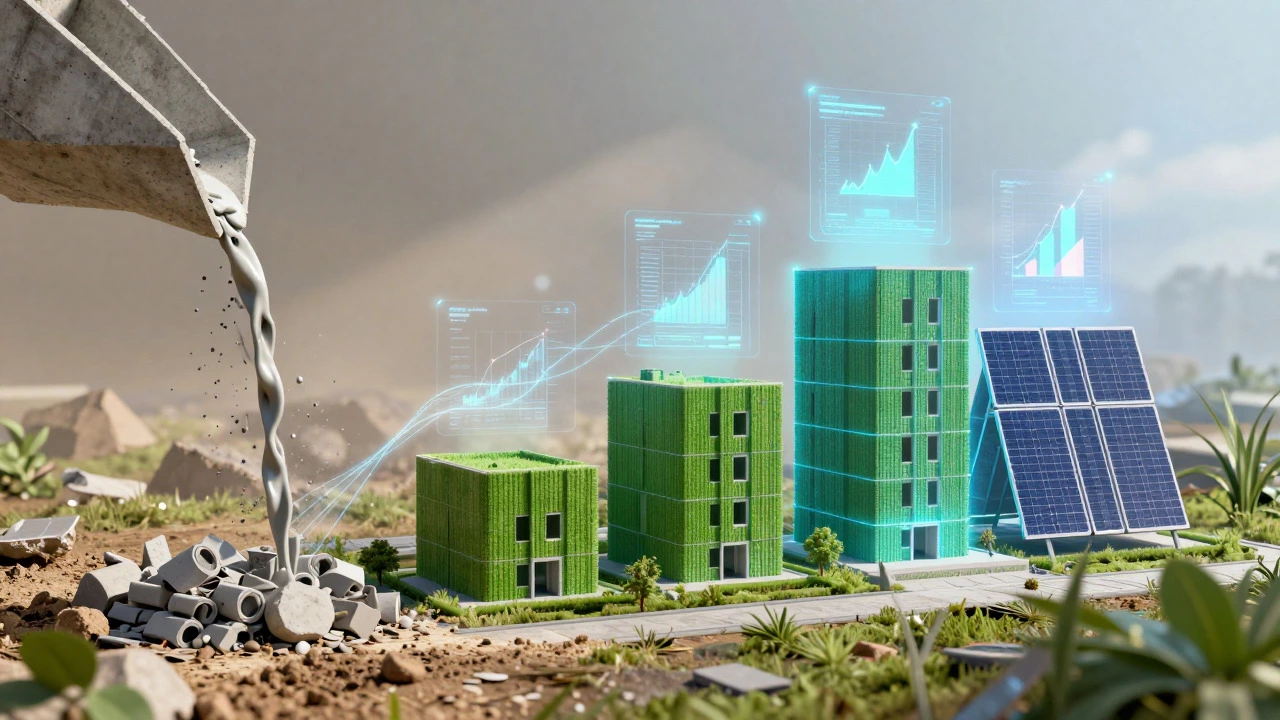
How Construction Wealth is Generated in 2026
The methods for accumulating wealth in construction have evolved. It’s no longer just about winning bids for lower prices. Today’s top earners leverage:
- Public-Private Partnerships (PPPs): Instead of just building a toll road and handing it over, contractors now finance, build, and operate it for 30 years, collecting tolls. This creates long-term cash flows.
- Vertical Integration: Owning the cement plants, the steel mills, and the labor force reduces costs and increases margins. This is why conglomerates like Adani and Samsung dominate-they control the supply chain.
- Global Expansion: Domestic markets are saturated. The richest contractors operate in emerging markets in Africa, Southeast Asia, and Latin America, where infrastructure deficits are highest.
Future Trends: Who Will Be Next?
Looking ahead, the next generation of rich contractors will likely come from green building technologies. As regulations tighten on carbon emissions, firms that master modular construction, carbon-neutral materials, and smart city infrastructure will capture the most value. Young entrepreneurs in proptech and construction tech are already attracting venture capital, potentially creating a new breed of tech-savvy construction billionaires.
Additionally, the reconstruction efforts post-conflict in various regions present opportunities for agile, mid-sized contractors to rise rapidly. Those who can deploy quickly and efficiently in volatile environments may see disproportionate gains.
Conclusion: The Real Answer
So, who is the richest contractor in the world? There is no single name that fits every definition. If you mean personal net worth linked to infrastructure, Mukesh Ambani and Gautam Adani are the current leaders. If you mean corporate size and revenue, CSCEC is unmatched. If you mean traditional European construction dynasties, the Mulliez and Lévy families hold the fort.
The construction industry remains one of the most reliable paths to extreme wealth, provided you can scale beyond local limits and integrate deeply into the global supply chain. For aspiring contractors, the lesson is clear: specialization alone won’t make you a billionaire; integration and scale will.
Is Elon Musk a contractor?
Technically, no. Elon Musk is a technology entrepreneur. However, his company SpaceX builds launch facilities, and Tesla builds Gigafactories. While these involve massive construction, Musk’s wealth is primarily tied to automotive and aerospace technology, not traditional contracting services.
What is the largest construction company in the world?
China State Construction Engineering Corporation (CSCEC) is consistently ranked as the largest construction enterprise globally by annual revenue, surpassing even Bechtel and Vinci.
Are there any American billionaires in construction?
Yes, but fewer than in Asia or Europe. Historically, figures like Donald Bren (real estate/construction) and Robert Wood (insurance, but heavily invested in infrastructure) were prominent. Currently, many US construction firms are publicly traded, so wealth is spread among shareholders rather than concentrated in a single founder.
How do construction contractors make billions?
They make billions by securing long-term government contracts, operating in multiple countries, vertically integrating their supply chains (owning materials), and engaging in public-private partnerships that provide ongoing revenue streams from operated assets like toll roads and airports.
Who owns Vinci SA?
Vinci SA is primarily owned by the Mulliez family, a wealthy French family that also owns Decathlon, Leroy Merlin, and Auchan. They are known for keeping their personal wealth private and not appearing frequently on standard billionaire lists.