Glass vs. Acrylic Coffee Tables: Which Material Fits Your Lifestyle?
Coffee Table Material Selector
Select the options that best describe your living situation to find your ideal material.
Based on your lifestyle...
We recommend Tempered Glass.
Detailed Comparison Breakdown
Why this choice?
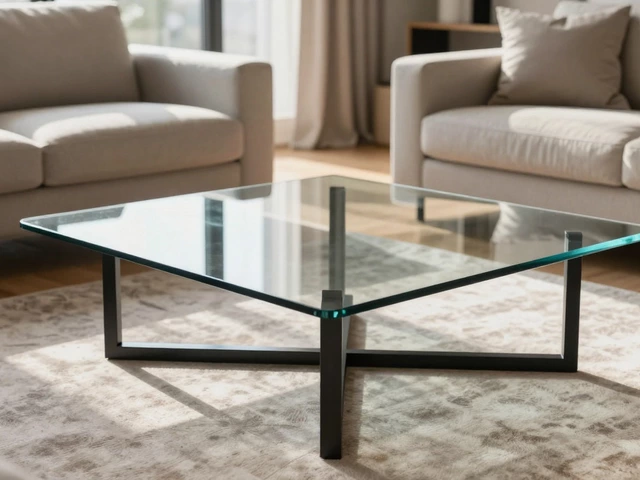
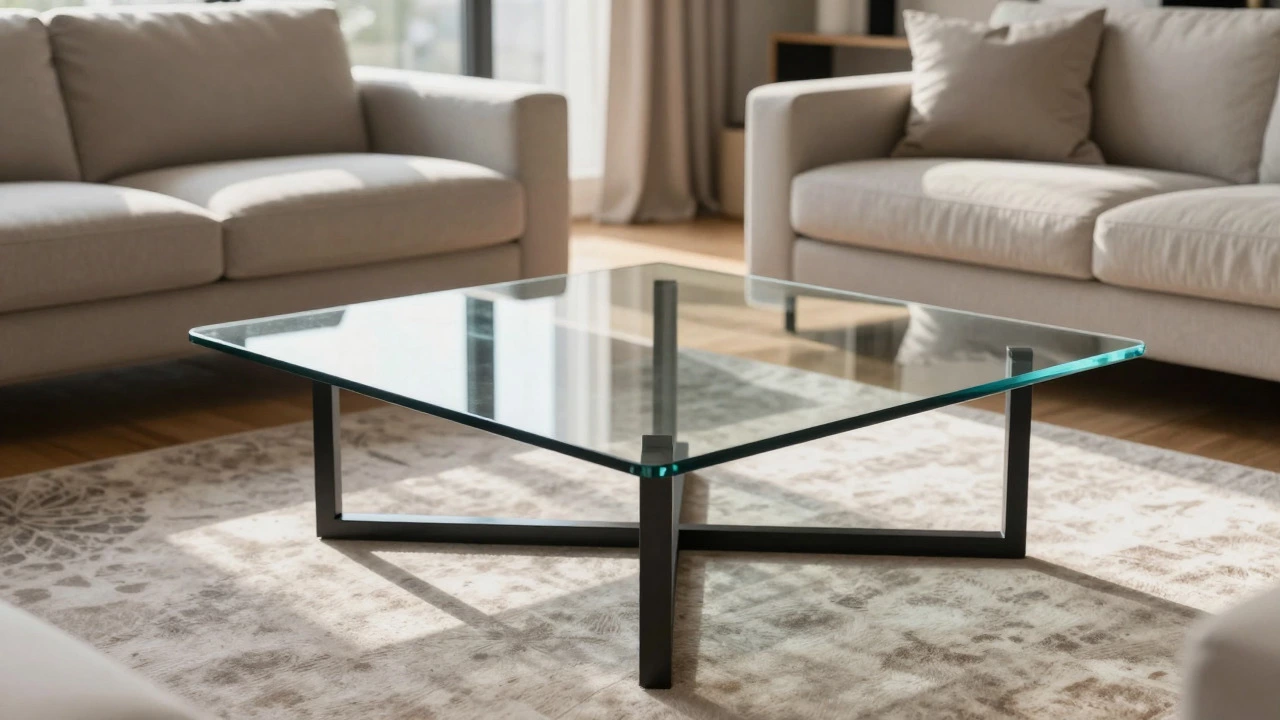
You’re standing in the showroom or scrolling through online catalogs, and you hit a wall. On one side, there’s the classic elegance of a glass coffee table is a piece of living room furniture featuring a transparent glass top, typically made from tempered safety glass for durability and style. It looks sleek, modern, and undeniably sophisticated. On the other side sits its lighter, more affordable cousin: the acrylic coffee table is a furniture item with a top made from polymethyl methacrylate (PMMA), offering a crystal-clear appearance similar to glass but with significantly less weight and impact resistance. It mimics that same high-end look without the heft or the price tag. So, which one actually belongs in your home?
This isn’t just about aesthetics. It’s about how you live. Do you have toddlers running around? Do you host dinner parties every weekend? Are you moving apartments frequently? The answer changes completely depending on your daily routine. Let’s break down the reality of owning both materials so you can stop guessing and start choosing.
The Weight Factor: Moving Day Reality Check
If you’ve ever tried to move a heavy piece of furniture alone, you know the pain. This is where the physical properties of these materials diverge sharply. Glass is dense. A standard 60cm thick tempered glass top can weigh anywhere from 15 to 25 kilograms (33 to 55 lbs). Add a metal base, and you’re looking at a unit that requires two people and possibly a dolly to move safely.
Acrylic, also known as PMMA or Plexiglas, is roughly half the weight of glass. An acrylic coffee table of the same dimensions might weigh only 8 to 12 kilograms. If you live in an apartment with stairs and no elevator, or if you like to rearrange your living room layout every few months to let sunlight hit different spots, acrylic wins hands down. You can lift it by yourself. You can wipe the floor underneath it without dragging the whole table across the rug.
| Feature | Tempered Glass | Acrylic (PMMA) |
|---|---|---|
| Density | High (~2.5 g/cm³) | Low (~1.18 g/cm³) |
| Typical Top Weight (1m x 0.6m) | 15-25 kg | 8-12 kg |
| Impact Resistance | High (shatters into dull chunks) | Medium (can crack or shatter under sharp impact) |
| Scratch Resistance | Very High | Low (requires care) |
Clarity and Aesthetics: The "Look" Test
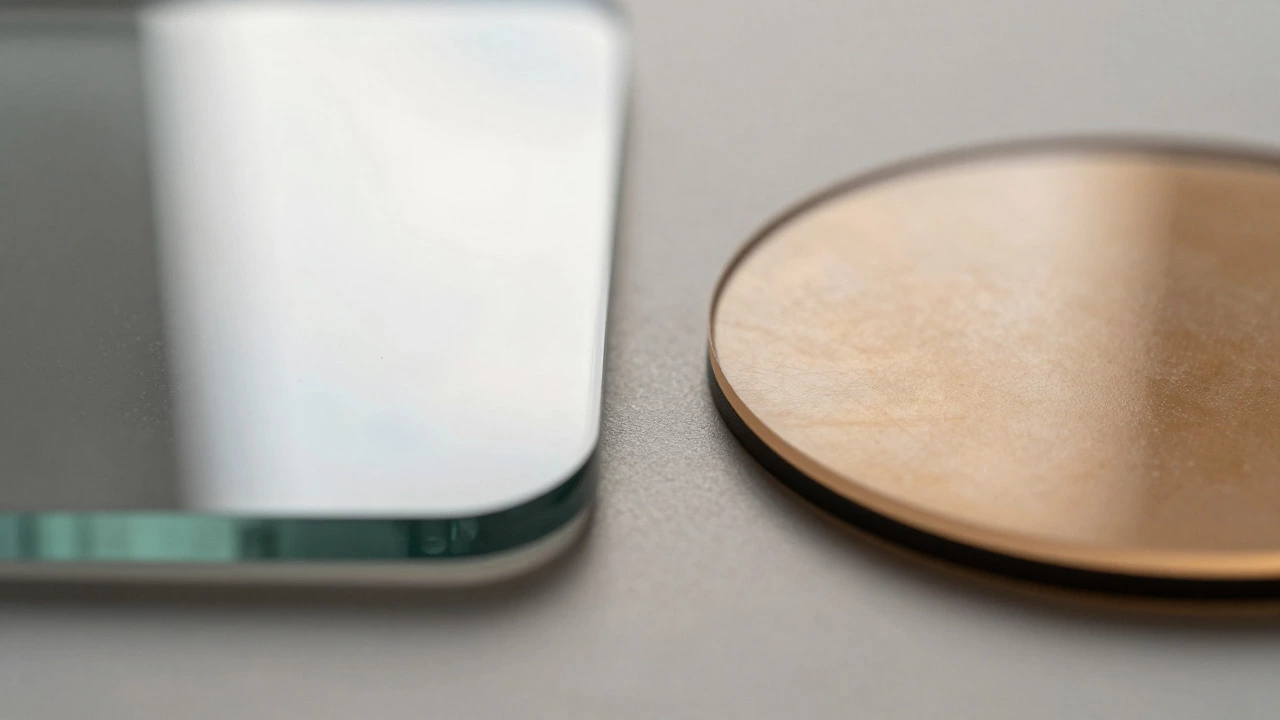
Let’s talk about what you see. High-quality tempered glass offers superior optical clarity. It has a neutral tone, meaning it doesn’t distort the colors of the rug or floor beneath it. When light hits it, it reflects cleanly. It feels cold to the touch, which adds to that premium, minimalist vibe many designers love.
Acrylic, while clear, often has a slight blue tint depending on the manufacturing quality. Cheaper acrylics can look cloudy or yellowish over time, especially if exposed to direct sunlight. However, high-grade cast acrylic can be nearly indistinguishable from glass to the untrained eye. The key difference is warmth. Acrylic feels warmer to the touch than glass. In a cozy, wood-heavy living room, this subtle temperature difference can make the space feel less sterile. But if you’re going for a stark, industrial-chic look, the coldness of glass might be exactly what you want.
One aesthetic trap to avoid: fingerprints. Glass shows every smudge, dust particle, and hair. Acrylic is static-prone, meaning it attracts dust like a magnet. Both require regular wiping. Neither is truly "low maintenance" in terms of cleaning frequency, though the method differs.
Durability: What Happens When Things Get Dropped?
This is the make-or-break section for most households. We need to separate myth from reality regarding strength.
Tempered glass is processed by rapid heating and cooling, creating internal stresses that make it four to five times stronger than annealed glass. If it breaks, it doesn’t shatter into sharp shards; it crumbles into small, blunt cubes. This makes it much safer for homes with kids. However, it is brittle. A sharp, concentrated impact-like dropping a heavy ceramic mug corner-first-can still cause it to explode. And once it goes, it’s gone. You can’t repair a broken glass table.
Acrylic is tougher against blunt force. Drop a book on it? No problem. But it has a major weakness: scratching. Keys, rough coasters, or even abrasive cleaners can leave permanent swirl marks on acrylic. While minor scratches can sometimes be buffed out with specialized polishes, deep gouges are permanent. Furthermore, acrylic can craze (develop fine cracks) over time due to stress or chemical exposure from certain cleaners. If you use harsh chemicals like ammonia-based window cleaners on acrylic, you risk hazing the surface permanently.
For a household with young children who throw toys, acrylic might actually be safer because it’s less likely to shatter entirely upon impact, though it can still crack. For a quiet adult home where spills are rare, glass offers a more resilient surface against daily wear and tear, provided you don’t drop heavy objects on it.
Budget Breakdown: Cost vs. Value
Price is usually the deciding factor. Generally, you will pay 30% to 50% more for a glass coffee table compared to an acrylic equivalent of similar design. Why? Glass is heavier, harder to transport, and requires more precise cutting and edging processes. Tempering adds another layer of cost. Acrylic is easier to mold, cut, and ship, keeping production costs lower.
If your budget is tight, acrylic gives you the *look* of a luxury glass table without the luxury price tag. However, consider longevity. A cheap acrylic table may cloud or scratch within two years, forcing you to replace it sooner. A mid-range glass table might last ten years or more with minimal visible wear. Calculate the cost per year of use, not just the upfront price.
Maintenance: How Much Time Will You Spend Cleaning?
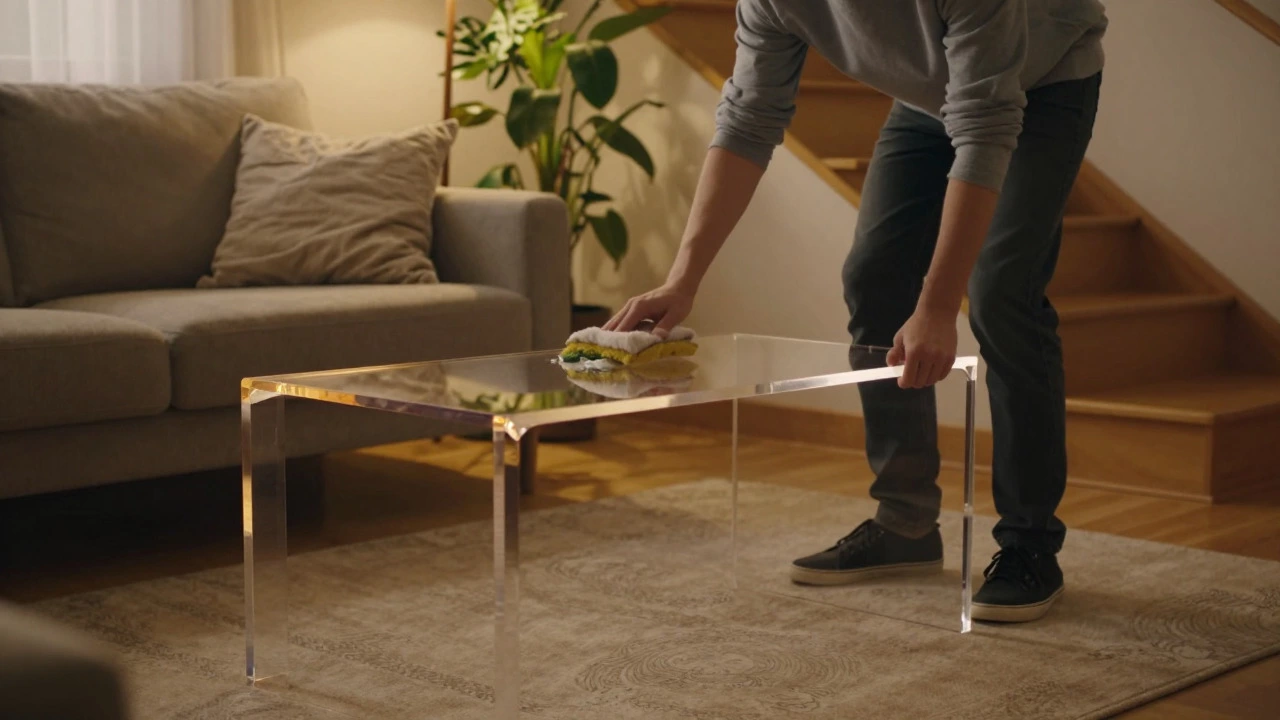
You need to know the right way to clean each material before you buy it. Using the wrong cleaner is the fastest way to ruin either surface.
- Glass: Use a standard glass cleaner or a mixture of water and white vinegar. Microfiber cloths are essential to avoid streaks. Avoid abrasive sponges. The main enemy is hard water stains, which can etch the glass over time if left to dry repeatedly.
- Acrylic: Never use ammonia, alcohol, or acetone. These chemicals dissolve the surface finish. Use mild soap and warm water with a soft cloth. Dry immediately to prevent water spots. For stubborn dirt, use a dedicated acrylic polish. Store coasters away from the table when not in use, as condensation rings can be harder to remove from acrylic than glass.
If you hate cleaning, neither option is perfect. But glass is more forgiving of occasional neglect. Acrylic demands gentler, more specific care routines.
Safety Considerations for Families
If you have kids or pets, safety is paramount. Tempered glass is the industry standard for safety. When it breaks, the pieces are relatively harmless. Acrylic, while tough, can snap into larger, sharper fragments if subjected to extreme stress or heat. Also, consider stability. Because acrylic tables are lighter, they are more prone to tipping if a child climbs on them. Ensure any acrylic table you choose has a wide, stable base. Glass tables, being heavier, are naturally more stable and less likely to tip over.
Which One Should You Choose?
Here is the bottom line based on your lifestyle:
Choose Glass If:
- You want a timeless, high-end look that won’t go out of style.
- You prioritize scratch resistance and long-term durability.
- You have a spacious living room where the visual weight of the table complements the architecture.
- You don’t mind the extra weight during moves or rearranging.
- You prefer a cooler, more formal aesthetic.
Choose Acrylic If:
- You are on a tighter budget but want a modern, transparent look.
- You live in an apartment with limited space or difficult access (stairs).
- You frequently change your furniture layout.
- You want a warmer-feeling surface that blends well with organic materials like wood and fabric.
- You are careful with your belongings and willing to perform gentle maintenance.
There is no universally "better" material. There is only the better choice for your specific life. Ask yourself: Do I value permanence and prestige, or flexibility and affordability? Once you answer that, the decision becomes clear.
Is acrylic coffee table safe for hot drinks?
Generally, yes, but with caution. Acrylic has a lower heat resistance than glass. While it can handle a warm cup of coffee, placing a boiling hot pot directly on it can cause warping or melting. Always use coasters or trivets for very hot items. Glass, particularly tempered glass, handles heat much better and is less likely to deform.
Can you repair scratches on an acrylic coffee table?
Yes, minor surface scratches can often be buffed out using specialized acrylic polishing kits or even toothpaste for very fine scuffs. Deep scratches are harder to fix and may require professional restoration or replacement of the panel. Glass scratches are rarely repairable and usually require replacing the entire top.
Does acrylic turn yellow over time?
Lower-quality acrylic can yellow when exposed to UV light from sunlight over several years. High-quality cast acrylic includes UV inhibitors to prevent this. If you place your table near a large window, invest in higher-grade acrylic or consider glass, which does not yellow.
Which is quieter: glass or acrylic?
Acrylic is quieter. Glass produces a distinct clinking sound when objects are placed on it, which some find annoying. Acrylic absorbs more sound, resulting in a softer thud when setting down cups or books. This can contribute to a calmer atmosphere in a busy living room.
Are glass coffee tables dangerous for kids?
Tempered glass is considered safe for homes with children because it shatters into small, blunt pieces rather than sharp shards. However, the edges can still be hard. Many parents opt for rounded-edge designs or add silicone bumpers to the corners for extra peace of mind. Acrylic is also safe but can crack into larger pieces if impacted heavily.