What Does a Bad Foundation Crack Look Like? A Homeowner’s Guide
Foundation Crack Severity Checker
Enter details about your foundation crack to determine if it is likely cosmetic or requires professional attention.
You spot a line in your basement wall and panic sets in. Is your house falling apart? Or is it just the concrete doing what concrete does when the weather gets weird? Most homeowners stare at these lines wondering if they need to call a contractor or just ignore them until next year. The truth is, not all cracks are created equal. Some are cosmetic annoyances that cost nothing but peace of mind. Others are screaming warnings that your foundation is shifting under pressure.
Here is the reality: identifying the difference between a harmless shrinkage crack and a serious structural failure saves you thousands. You don't need an engineering degree to spot the red flags. You just need to know what to look for. This guide breaks down exactly what a bad foundation crack looks like, why it happens, and when you should actually worry about the integrity of your home.
The Anatomy of a Cracked Foundation
Before you judge the severity of a crack, you need to understand the material it lives in. Concrete is strong in compression but weak in tension. When forces pull it apart faster than it can handle, it cracks. In New Zealand, where soil types range from expansive clays to loose volcanic ash, this movement is common. The key isn't just finding a crack; it's analyzing its shape, direction, and width.
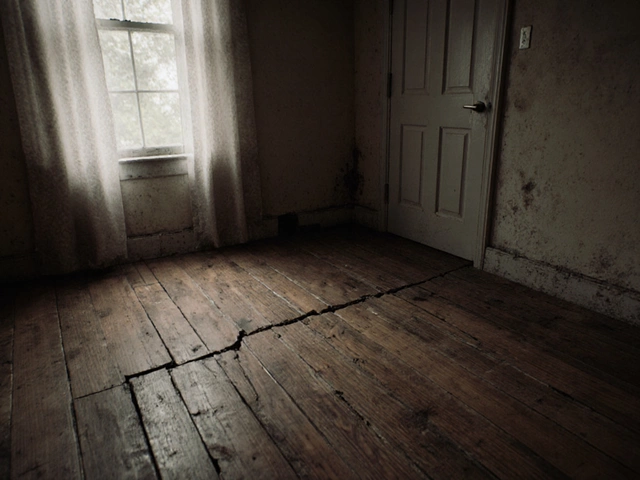
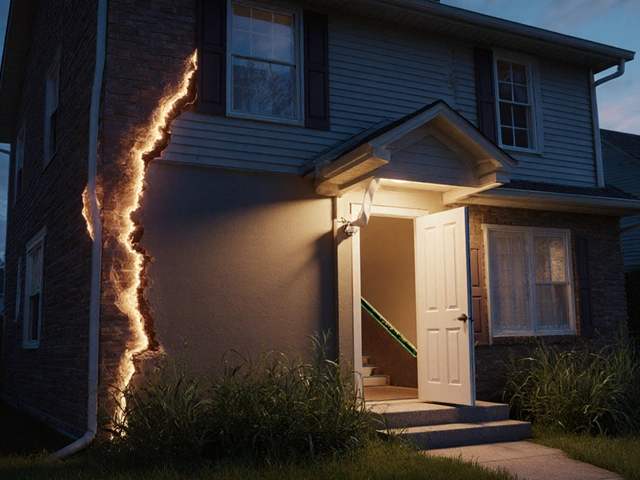
A healthy foundation has minor hairline fractures. These are usually less than 1/8 inch wide and follow predictable patterns based on how the concrete cured. A bad foundation crack, however, tells a story of ongoing stress. It often widens over time, changes direction, or displaces the concrete so one side sits higher than the other. If you see vertical steps in brickwork or diagonal lines shooting out from window corners, pay attention. These aren't just surface blemishes; they are symptoms of underlying movement.
| Feature | Cosmetic (Low Concern) | Structural (High Concern) |
|---|---|---|
| Width | < 1/8 inch (hairline) | > 1/4 inch or widening |
| Pattern | Vertical or map-cracking (random) | Horizontal, stair-step, or diagonal |
| Displacement | Flat surface, no offset | One side higher/lower than the other |
| Location | Center of wall panel | Near corners, windows, or load-bearing points |
Identifying Horizontal Cracks: The Silent Killer
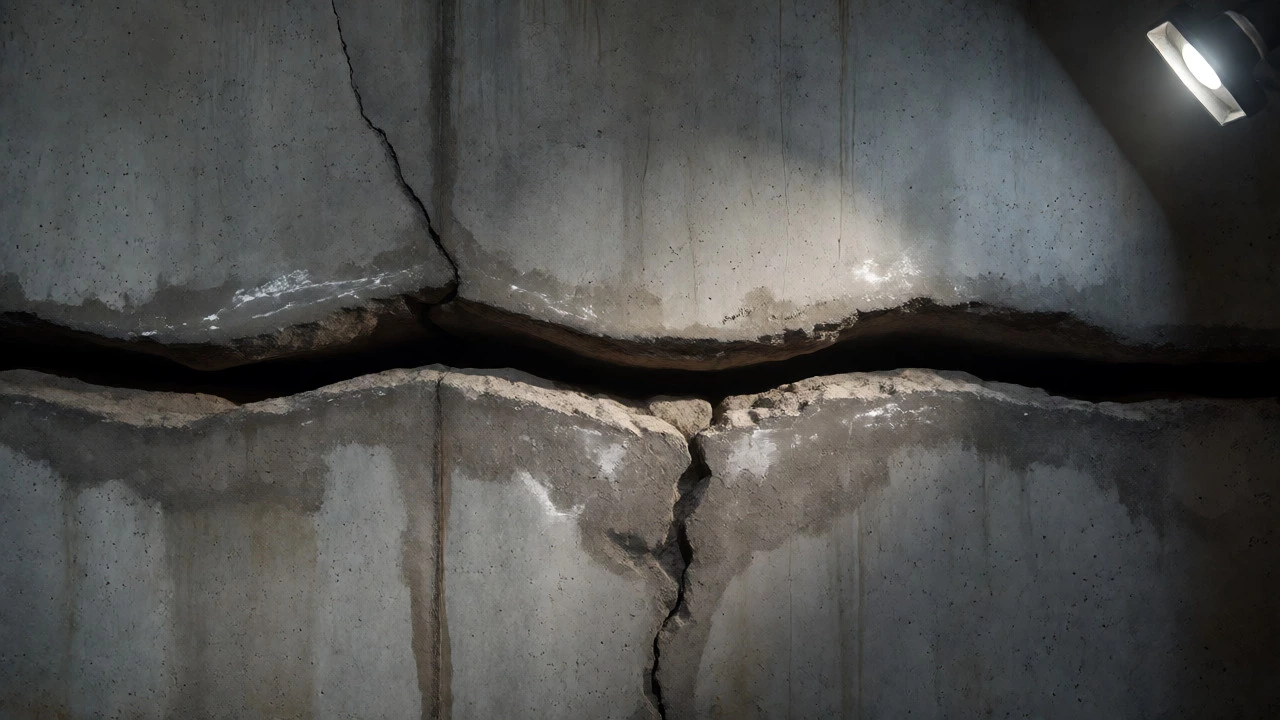
If you see only one type of crack to fear, make it horizontal. While vertical cracks are often caused by simple settling or shrinkage, horizontal cracks in a basement wall indicate lateral pressure. This means the soil outside your foundation is pushing against the wall with enough force to bow it inward. In clay-heavy soils, which swell significantly when wet, this hydrostatic pressure can be immense.
A horizontal crack running across the middle of a block wall is a classic sign of failing support. If the wall bulges slightly near the crack, the problem is advanced. You might notice doors sticking on the opposite side of the house because the floor joists are being pulled away from the wall. Ignoring this can lead to wall collapse. Unlike vertical cracks, horizontal ones rarely stop moving once they start. They require immediate professional assessment, often involving carbon fiber straps or steel I-beams to reinforce the wall before it fails completely.
Stair-Step Cracks in Brick and Block Walls
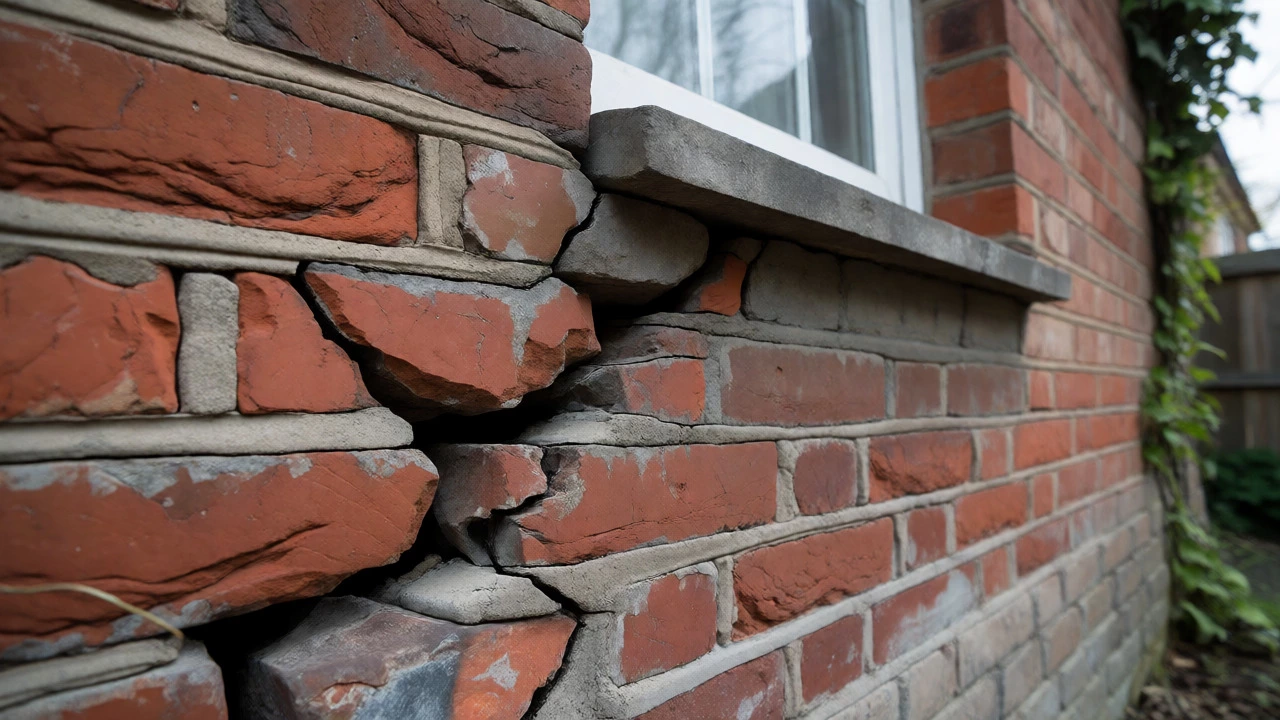
Not everyone has poured concrete walls. Many older homes use cinder blocks or brick veneer. In these structures, a bad foundation crack looks like a staircase climbing up the mortar joints. This pattern occurs because the blocks shift vertically relative to each other. Gravity pulls the upper section down while the lower section stays put, or vice versa due to differential settlement.
Small stair-step cracks under 1/8 inch are common in new builds as the house settles into its footprint. But watch the trend. If the crack extends more than a few feet up the wall, or if it appears simultaneously on multiple sides of the house, you have differential settlement. This means parts of your house are sinking at different rates. One corner might drop while another stays firm, twisting the frame. Check your door frames. If a rectangular door now looks like a parallelogram, the stair-step crack is telling you the structure is distorting.
Diagonal Cracks: Settling vs. Sliding
Diagonal cracks are tricky because they can be benign or brutal. They typically originate from a corner of a window or door and shoot outward toward the edge of the wall. In many cases, this is normal settlement. As a house dries out and shrinks, it settles unevenly, creating these angled fissures. If the crack is thin and stable, you can likely patch it and move on.
However, if the diagonal crack is wide at the top and narrow at the bottom, or vice versa, it suggests sliding or heaving. For example, if the soil beneath one side of the foundation expands (heaves) while the other side remains stable, the house tilts. This creates tension that snaps the masonry diagonally. Measure the width at both ends. If there is a significant difference, the foundation is rotating. This requires more than a filler job; it needs stabilization to prevent further tilt.
The Width Test: When Millimeters Matter
How wide is too wide? General contractors and engineers often use specific thresholds to determine risk. While every house is different, here are the rules of thumb used in the industry:
- Hairline (< 1/16 inch): Almost always cosmetic. Caused by curing shrinkage. No action needed beyond sealing if water leaks.
- Minor (1/16 to 1/8 inch): Monitor. Mark the ends with tape and check back in six months. If it doesn't grow, it's likely settled.
- Moderate (1/8 to 1/4 inch): Warrants investigation. Could indicate active movement. Check for sticking doors or sloping floors.
- Severe (> 1/4 inch): Structural concern. Likely requires reinforcement or underpinning. Water infiltration is probable.
Don't rely solely on visual estimation. Use a coin or a drill bit to gauge the gap. If you can fit a dime into the crack, you are past the cosmetic stage. Remember, width alone isn't the only factor. A 1/4-inch vertical crack that hasn't moved in ten years is less dangerous than a 1/8-inch horizontal crack that widened last month. Activity matters more than size.
Warning Signs Beyond the Wall
Your foundation talks through more than just cracks. It communicates through the rest of your house. If you see a crack, scan the surrounding areas for corroborating evidence. This holistic view helps distinguish between isolated wall defects and systemic foundation failure.
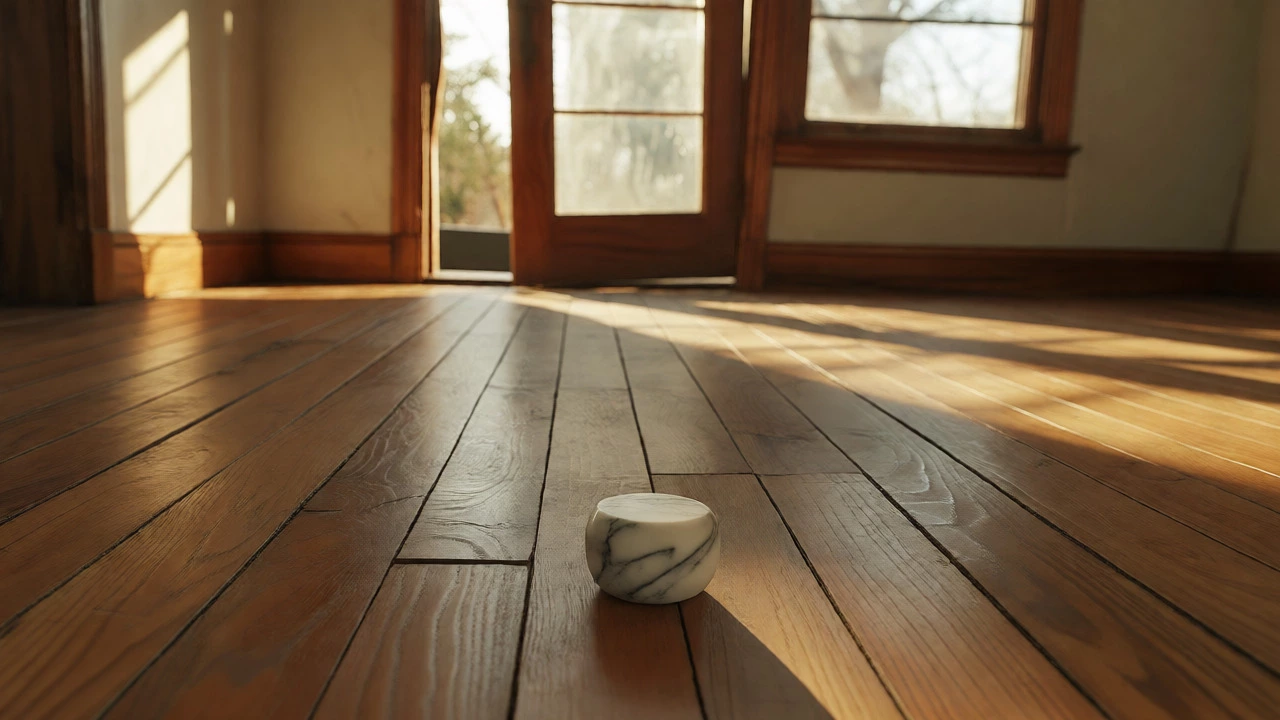
Look inside the house. Are your floors noticeably sloped? Place a marble on a hard surface; if it rolls consistently in one direction, the slab is tilting. Check your drywall. Cracks above door frames or along ceiling seams often mirror foundation movement below. Outside, inspect the chimney. If it leans away from the house, the footing beneath it may have sunk. Gutters pulling away from the roofline are another clue. When the foundation shifts, the entire frame moves, dragging attachments with it.
Water is also a major indicator. A bad crack lets moisture in. Look for efflorescence-a white, powdery residue on the concrete. This salt deposit forms when water evaporates from the wall, leaving minerals behind. Persistent dampness or mold growth near a crack confirms that the breach is deep enough to compromise the waterproofing membrane. In Auckland's humid climate, this moisture issue can escalate quickly, affecting indoor air quality and wood rot.
When to Call a Professional
You don't need to hire an engineer for every hairline fracture. Save your money for the real problems. Call a structural engineer or a reputable foundation repair specialist if you encounter any of these scenarios:
- Rapid Growth: The crack visibly widened within weeks or months.
- Horizontal Orientation: Any horizontal crack in a block or concrete wall.
- Bowing Walls: The wall curves inward rather than staying flat.
- Door/Window Issues: Doors won't latch or windows stick without obvious humidity causes.
- Sloping Floors: Visible or measurable tilt in living spaces.
- Separation: Gaps opening between the foundation and the sill plate (the wood framing on top).
Getting a professional opinion early prevents small issues from becoming catastrophic failures. An engineer can provide a report detailing the cause and recommended fix, whether it's epoxy injection, polyurethane foam, or helical piers. DIY patching kits work for non-structural leaks, but they don't stop movement. If the foundation is moving, covering the crack just hides the symptom while the disease progresses.
Is a vertical crack in my basement wall dangerous?
Usually, no. Vertical cracks are most commonly caused by concrete shrinkage during curing or minor settling. If the crack is narrow (under 1/8 inch), straight, and shows no signs of displacement (one side higher than the other), it is typically cosmetic. However, if it allows significant water ingress or continues to widen, it should be sealed and monitored.
How much does foundation repair cost in New Zealand?
Costs vary widely based on the method and extent of damage. Minor epoxy injections might cost $500-$1,500 per crack. More extensive solutions like carbon fiber strapping or steel beams can range from $3,000 to $10,000+. Underpinning with piers for severe settlement can exceed $20,000. Always get three quotes and ensure the contractor provides a warranty.
Can I fix foundation cracks myself?
You can seal non-structural, static cracks yourself using hydraulic cement or flexible polyurethane caulk. This prevents water entry and pests. However, DIY methods do not address the root cause of structural movement. If the crack is active (widening) or horizontal, professional intervention is required to stabilize the foundation.
Do foundation cracks affect home value?
Yes, especially if unresolved. Cosmetic cracks rarely impact value. Significant structural cracks, particularly those requiring expensive repairs, can lower resale value or scare off buyers who fear hidden costs. Providing documentation of professional repair and warranties can mitigate negative perceptions and reassure potential buyers.
What causes foundation cracks in Auckland specifically?
Auckland's unique geology plays a big role. Expansive clay soils swell when wet and shrink when dry, causing ground movement. Additionally, older neighborhoods may have foundations built before modern seismic codes were strictly enforced. Heavy rainfall events can saturate soil, increasing lateral pressure on basement walls, leading to horizontal cracking.