Is It Normal for a 100-Year-Old House to Have Cracks?
Crack Severity Checker
Assess Your Crack
Assessment Result
Key Findings
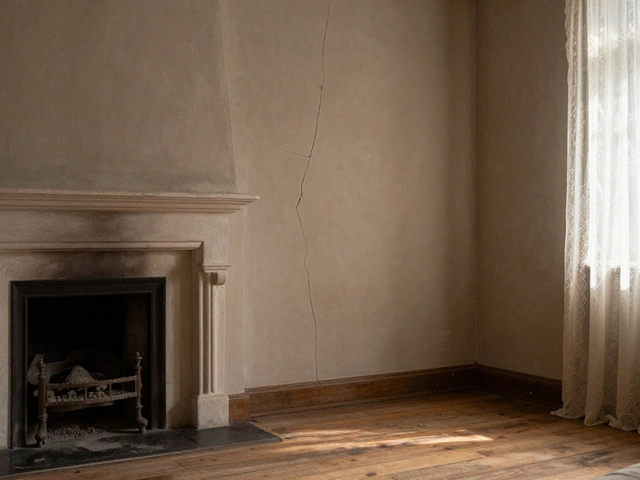
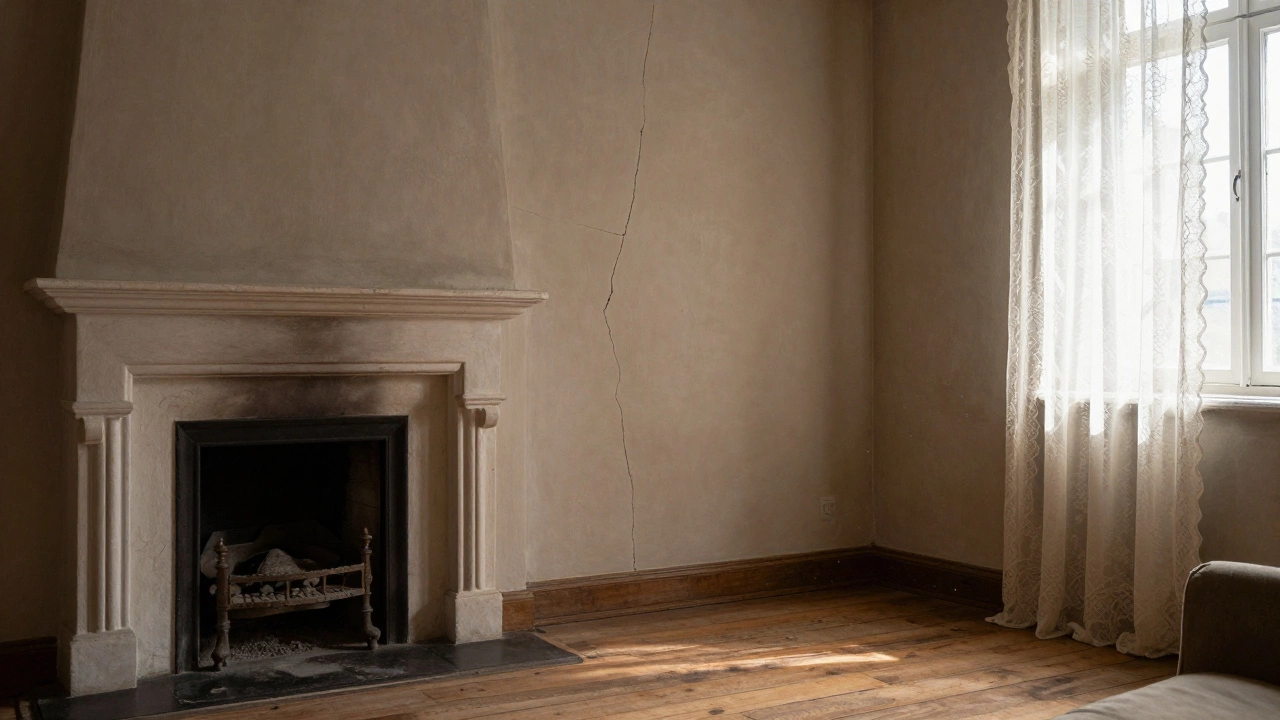
If you’ve just bought a 100-year-old house and you’re staring at a hairline crack running down the living room wall, you’re not alone. And no, you don’t need to panic-yet. Cracks in older homes aren’t just common; they’re expected. But not all cracks are the same. Some are harmless signs of age. Others? They’re warning signs you can’t ignore.
Why do old houses crack at all?
Think of a house like a living thing. It breathes. It expands. It settles. A century ago, homes were built with materials and techniques that didn’t promise perfection-they promised durability. Brick, stone, timber, and lime mortar were the norm. These materials move with temperature, moisture, and ground shifts. Modern homes use concrete slabs and steel framing that resist movement. Old homes? They let it happen.
Over 100 years, the ground beneath a house doesn’t stay still. Soil dries out in summer, swells in winter, shifts with rain, and settles under weight. In Auckland, where we get heavy winter rains and clay-rich soil, this movement is even more noticeable. A 100-year-old house has seen dozens of wet seasons, earthquakes, tree roots growing nearby, and maybe even a few renovations that changed how weight is distributed.
That’s why you see cracks. Not because something’s broken. Because the house is still adjusting.
What do harmless cracks look like?
Not all cracks are dangerous. In fact, most are just part of the house’s story. Here’s how to tell the difference:
- Thin, hairline cracks (less than 1mm wide) that follow mortar lines in brickwork or run along ceiling corners are almost always harmless. These are called settlement cracks and happen as the structure slowly sinks into the ground.
- Vertical cracks in plaster or drywall near doorways or windows? Common. They form as the frame shifts slightly over time.
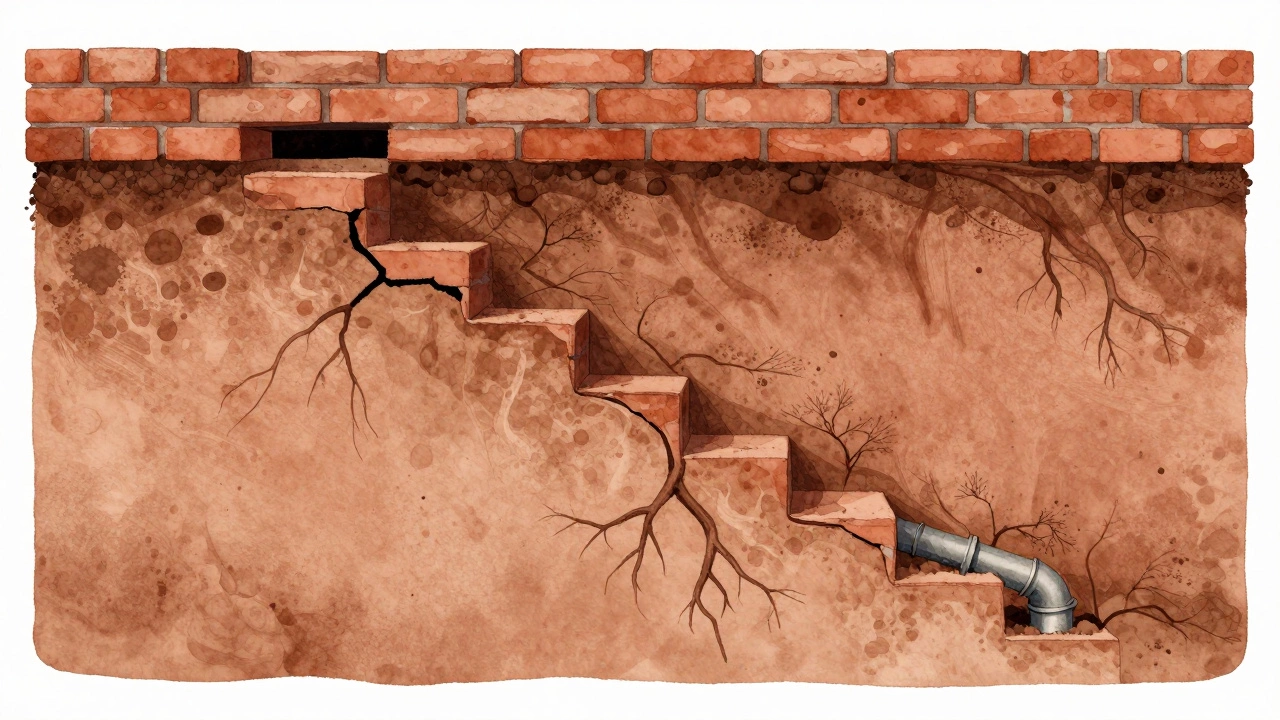
- Stair-step cracks in brick foundations? If they’re narrow, uneven, and don’t widen over months, they’re likely just the result of natural brick movement.
These cracks rarely grow. They don’t let in water. They don’t make doors stick. They’re cosmetic. You can fill them with flexible caulk and paint over them. No repair needed.
When should you worry?
Now, here’s the part that matters. Some cracks aren’t just signs of age-they’re signs of trouble. Look for these red flags:
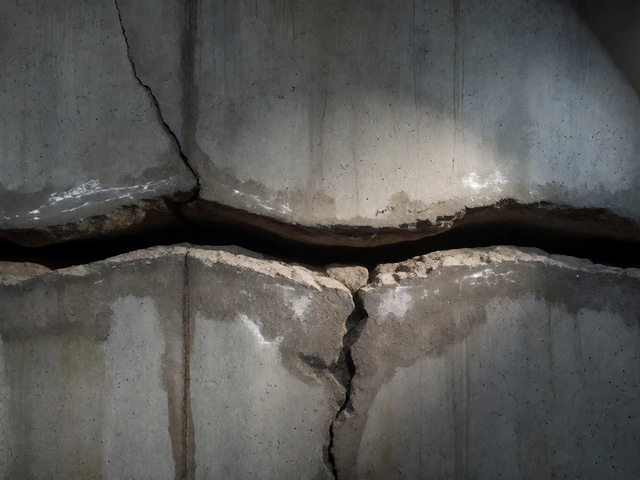
- Crossing cracks wider than 5mm-especially if they’re diagonal and start at windows or doors. This suggests uneven settling or soil failure.
- Crack patterns that look like a ladder-running vertically through multiple floors. That’s a sign the foundation is shifting, not just settling.
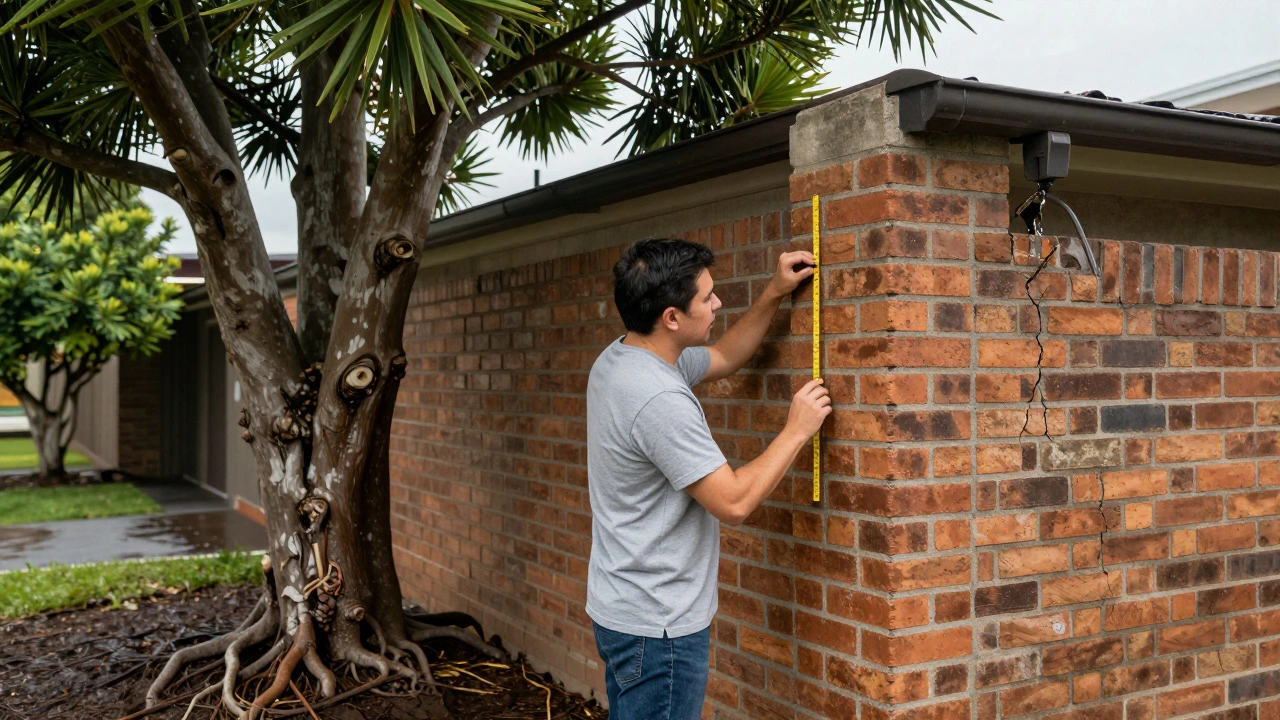
- Cracks that are getting wider over time. Measure one with a ruler every three months. If it grows by more than 1mm per season, get it checked.
- Doors or windows that stick suddenly after being fine for years. If you have to lift a door to close it, or a window won’t latch, the frame is out of square.
- Cracks on the exterior that match interior cracks. If the crack on the inside wall lines up perfectly with one on the outside, it’s likely structural.
These aren’t just cosmetic. They can mean the foundation is sinking, the soil is eroding, or there’s water damage under the slab. Left unchecked, they can lead to serious structural issues.
What causes serious cracks in old homes?
There are three main reasons why an old house develops dangerous cracks:
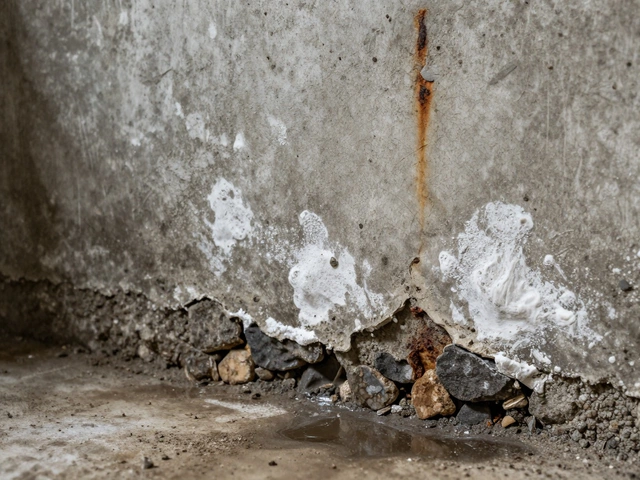
- Soil movement-especially in Auckland’s expansive clay soils. When clay gets wet, it swells. When it dries, it shrinks. This constant push-pull lifts and drops foundations unevenly.
- Water damage-leaky gutters, poor drainage, or burst pipes under the floor can soften the soil beneath the foundation. Over time, the ground gives way.
- Tree roots-large trees planted too close to the house can suck moisture from the soil, causing it to dry and shrink. Roots can also physically push against foundations.
One client in Ponsonby had a 1920s bungalow with a 10mm crack running from the front porch to the back bedroom. We found a large pohutukawa tree 1.5 meters from the foundation. The roots had dried out the soil beneath the footings. Once the tree was removed and drainage fixed, the cracking stopped.
What should you do if you see cracks?
Don’t rush to call a contractor. Don’t ignore it either. Here’s what to do:
- Document everything. Take photos. Date them. Use a ruler to measure the width of each crack. Note if it’s indoors or out, near a window, or along a wall.
- Monitor for change. Check the same cracks every 3 months. Mark them with tape or a pencil. If they grow, it’s time to act.
- Check your drainage. Are gutters clogged? Is water pooling near the foundation? Fixing this alone can stop minor cracking.
- Call a structural engineer-not a general handyman. If cracks are wider than 5mm, diagonal, or growing, you need someone who understands load paths and foundation behavior. A building inspector won’t cut it.
- Don’t patch and forget. Filling a wide crack with plaster or filler without fixing the cause? That’s like putting a bandage on a broken leg.
Can you prevent cracks in old homes?
You can’t stop aging, but you can slow down the damage. Here’s how:
- Keep gutters clean and downspouts extending at least 1.5 meters from the house.
- Install French drains if your yard slopes toward the foundation.
- Water your foundation in dry spells-especially in summer. A slow drip from a hose for an hour once a week helps keep soil stable.
- Keep large trees at least 3 meters from the house. If you have one closer, get a root barrier installed.
- Avoid major renovations that shift load, like removing load-bearing walls, without professional advice.
One homeowner in Remuera kept her 1890s villa crack-free for 15 years just by watering the soil around the foundation during droughts. Simple. Cheap. Effective.
What’s the cost of fixing serious cracks?
It depends. Minor repairs like repointing brickwork or injecting epoxy into small cracks? $500-$2,000. Major foundation underpinning? $15,000-$50,000. But here’s the thing: the longer you wait, the more expensive it gets. A small crack that grows into a 20mm gap can mean replacing entire sections of footing.
Insurance rarely covers foundation issues unless they’re caused by a sudden event like a flood or earthquake. Most policies treat settling as normal wear and tear. That means you’re on your own.
Is it worth buying a 100-year-old house with cracks?
Absolutely-if you know what you’re looking at. Old homes have character, craftsmanship, and charm that new builds can’t replicate. High ceilings, solid timber floors, original fireplaces. They’re built to last. The problem isn’t the cracks. It’s whether you’re willing to understand them, monitor them, and maintain them.
Many people walk away from old houses because they see a crack and assume it’s a money pit. But with the right knowledge, a 100-year-old house can be a long-term investment. Just don’t skip the inspection. Don’t assume it’s fine. And don’t ignore the signs.
Cracks in an old house aren’t a dealbreaker. They’re a conversation starter. Between you and the house. And if you listen closely, it’ll tell you exactly what it needs.
Are cracks in a 100-year-old house normal?
Yes, small cracks are normal in homes over 50 years old. They’re caused by natural settling, soil movement, and material aging. Hairline cracks along mortar joints or ceiling corners are typical and not a cause for concern.
When should I be worried about cracks in my old house?
Worry when cracks are wider than 5mm, diagonal, growing over time, or match up between inside and outside walls. If doors stick suddenly or windows won’t close, that’s a sign of structural movement. Get a structural engineer to inspect it.
Can I fix foundation cracks myself?
You can patch small cosmetic cracks with flexible caulk or plaster, but never fill large or growing cracks yourself. That’s just hiding the problem. The root cause-like poor drainage or soil movement-needs professional attention.
Do new builds have fewer cracks than old houses?
New builds are designed to minimize cracking with reinforced concrete slabs and modern materials, but they still get small cracks during settling-usually within the first year. However, they don’t have the century of movement that old homes do. Cracks in new homes are often just shrinkage cracks, not structural.
How much does it cost to fix foundation cracks in an old house?
Minor repairs like repointing or epoxy injection cost $500-$2,000. Major foundation underpinning or slab replacement can run $15,000-$50,000. The key is catching problems early-waiting makes it far more expensive.