What Furniture Is Usually in a Dining Room?
Dining Room Planner Calculator
Input Measurements
Calculate
When you think of a dining room, you probably picture a table and chairs. But that’s just the start. A real dining room has layers-pieces that work together to make meals feel special, storage that keeps things tidy, and accents that turn eating into an experience. If you’re setting up a new space or just wondering what’s missing, here’s what you’ll actually find in most well-used dining rooms around the world.
The Dining Table: The Heart of the Room
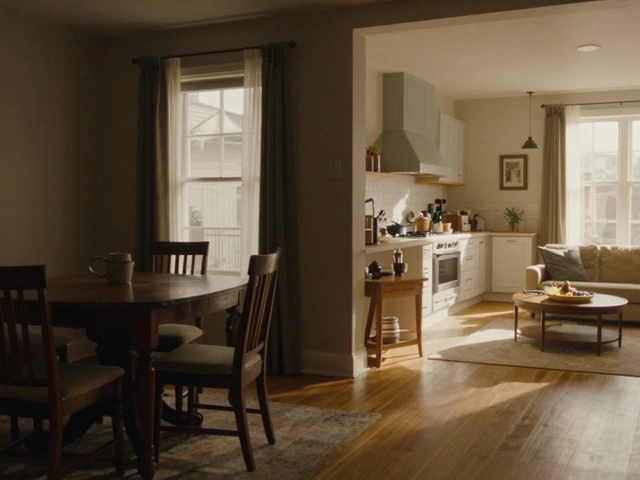
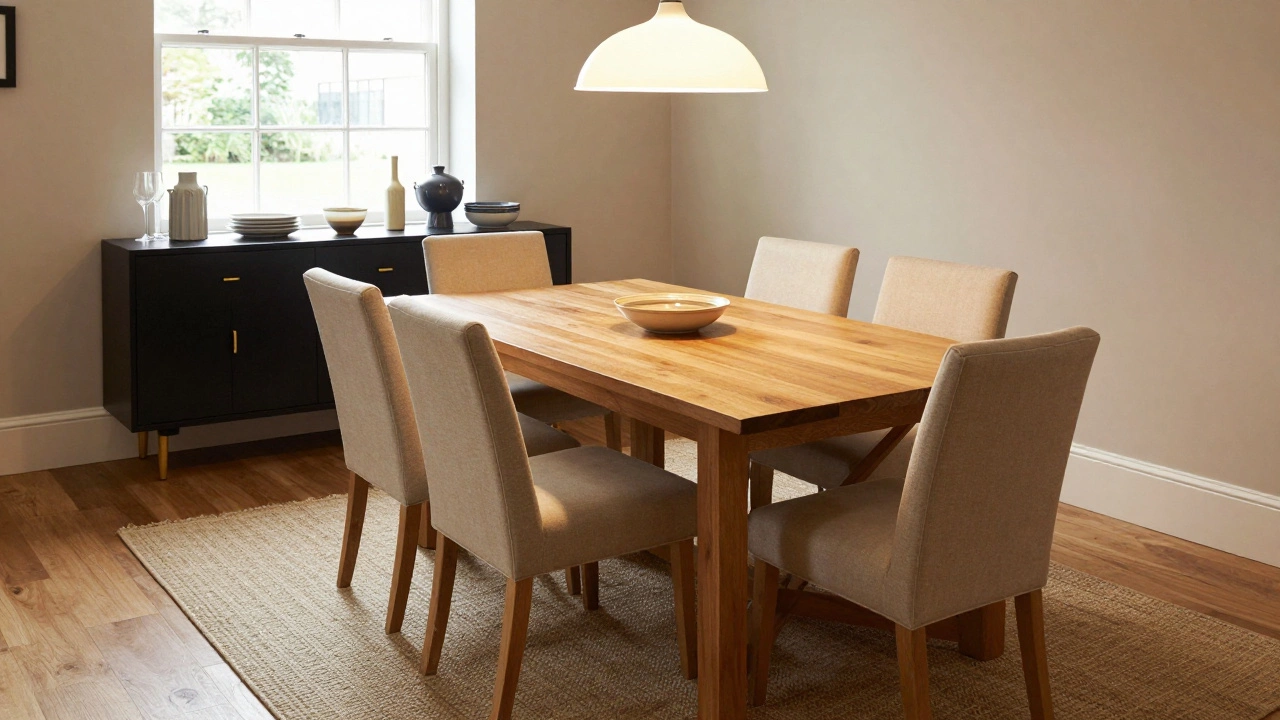
The table isn’t just a surface-it’s the reason the room exists. Most homes have a rectangular or oval table, usually between 72 and 96 inches long. That’s enough for six to eight people. Round tables are common in smaller spaces or for families who want everyone to feel equally close. In New Zealand, where casual dining is the norm, many people choose solid wood tables-oak, walnut, or pine-that can take years of use without looking worn out.
Height matters too. Standard dining tables are about 28 to 30 inches tall. That’s designed to match chair seat heights of 18 inches, so your knees fit comfortably underneath. If you have a mix of adults and kids, adjustable-height tables are becoming more popular. Some even come with extendable leaves for holidays or guests.
Chairs: Comfort That Lasts
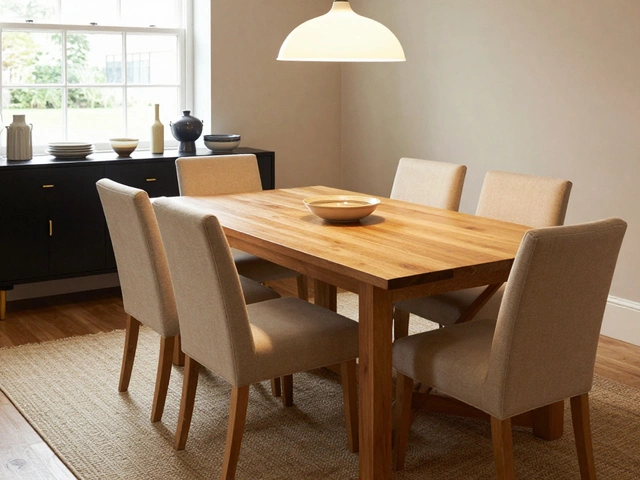
You can’t have a dining table without chairs, but not just any chairs will do. Most homes use matching sets of four to eight chairs. Upholstered seats are common in formal dining rooms-think padded seats with fabric or leather. In more casual homes, wood chairs with simple cushions or even bare wood seats are preferred. The key is durability. People sit down for dinner every night, sometimes with kids, sometimes with wine. Chairs need to handle spills, scratches, and the occasional wobble.
Backrests matter too. A slight curve supports the lower spine, and arms make it easier to push in and out. If space is tight, bench seating is a smart alternative. It saves room, works great for kids, and lets you squeeze in extra people. Many modern dining rooms mix chairs and benches for flexibility.
Sideboard or Buffet: Hidden Storage
If you’ve ever struggled to find serving dishes, napkins, or extra wine glasses after a party, you know why a sideboard or buffet matters. These are long, low cabinets with drawers and cabinets. They sit against a wall, usually behind or beside the table. They’re not just for storage-they double as serving surfaces. Pour wine, set out bread, or lay out dessert plates right on top.
Sideboards often have a top surface that’s smooth and easy to wipe down. Many include a wine rack, cutlery trays, or even a built-in wine chiller. In older homes, you’ll find them made of dark wood with brass handles. Today, they come in light oak, matte black, or even painted white. The best ones have deep drawers for table linens and shallow ones for napkin rings or matches.
Lighting: Setting the Mood
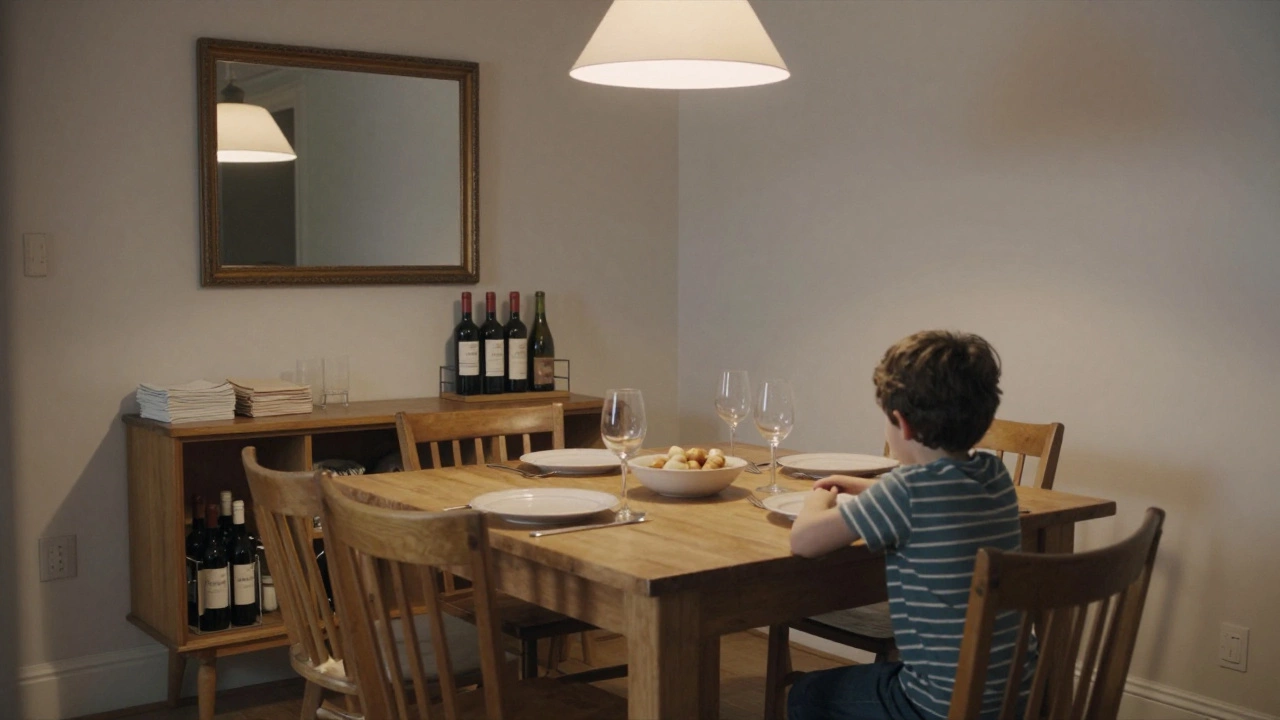
A dining room without proper lighting feels flat. Most homes hang a chandelier or pendant light directly over the table. The rule of thumb? The fixture should be about one-third the width of the table. So if your table is 48 inches wide, pick a light under 16 inches across. It should hang 30 to 36 inches above the table-high enough so people can see each other, low enough to create a cozy glow.
LED bulbs are now standard. They’re energy-efficient and give off a warm white light (2700K to 3000K) that makes food look natural, not washed out. Dimmers are a must. You want bright light for cleaning up after dinner, but soft light for Sunday brunch or a quiet night in.
Accents That Make It Yours
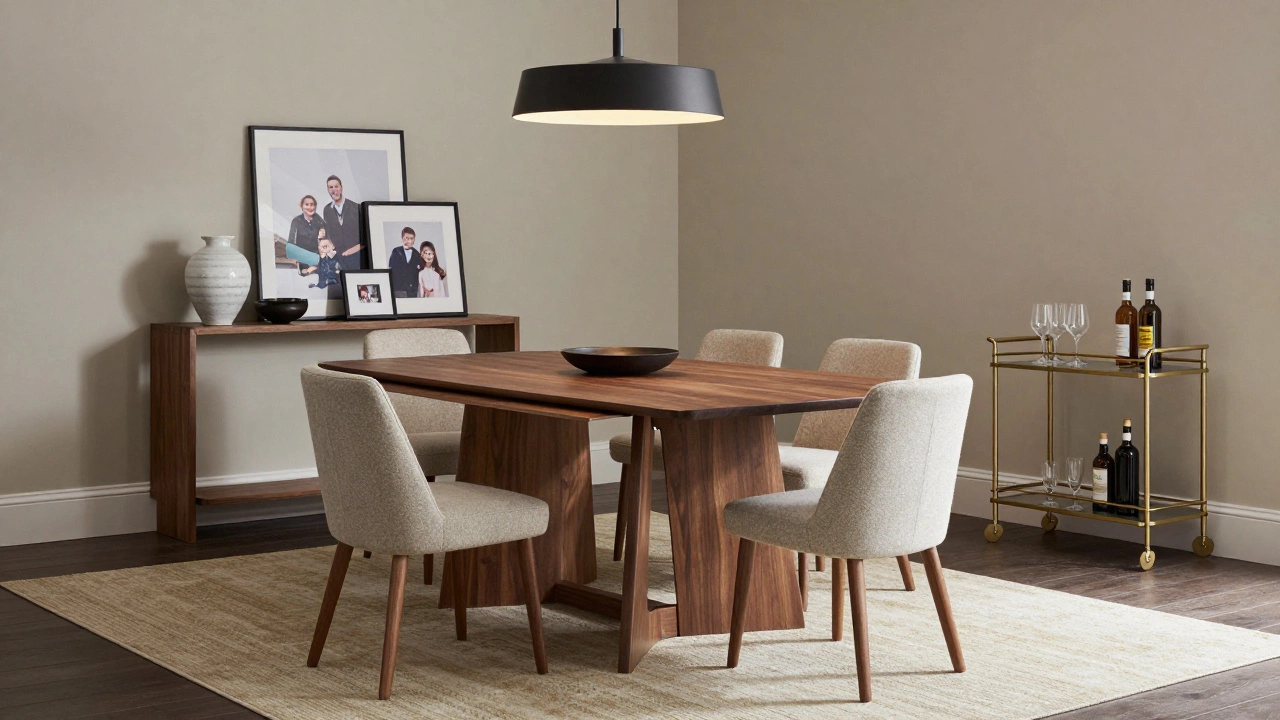
Beyond the basics, most dining rooms have a few personal touches. A mirror on the wall bounces light around and makes the space feel bigger. A rug under the table anchors the area and softens footsteps. It should be big enough so that chairs don’t sit halfway off it when pulled out-aim for at least 24 inches of rug on all sides.
Side tables or console tables behind the dining area hold decor, books, or a small plant. A bar cart is trending in homes where people entertain often. It holds glasses, bottles, and mixers, so you don’t have to run to the kitchen every time someone wants a drink.
Even small things count: a bowl for keys or a tray for mail near the door, a candle on the sideboard, or framed photos of family meals. These don’t need to match perfectly-they just need to feel lived-in.
What’s Missing? Common Oversights
Many people skip a few key pieces and regret it later. For example, chair pads or cushions are often forgotten. Wood chairs can be hard after an hour. A simple slipcover or foam pad adds comfort without changing the look.
Another common mistake? Not planning for storage. If you don’t have enough space for serving dishes, extra napkins, or holiday tableware, you’ll end up cramming them in the kitchen. A sideboard or buffet isn’t optional-it’s practical.
And don’t overlook height clearance. If your light fixture hangs too low, or your ceiling is too low, you’ll bump your head every time you stand up. Always measure before buying.
Final Thought: It’s About How You Use It
The best dining room isn’t the one with the most expensive furniture. It’s the one where people linger after dinner. Where the table gets sticky from jam, where chairs are pushed back in a hurry, where laughter echoes off the walls. The furniture should support that-not fight it.
Start with a solid table and chairs. Add storage that works for your stuff. Light it right. Then fill in the gaps with things you love. That’s how a dining room becomes more than a room-it becomes a place where memories are made.
Do I need a sideboard in my dining room?
You don’t absolutely need one, but most homes have one because it solves real problems. It stores serving dishes, linens, napkins, and glassware. It also gives you a surface to set out food during meals. If your dining room is small or you don’t entertain often, a narrow console table with drawers can work too. But if you host dinners, a sideboard or buffet is a game-changer.
How many chairs should I have in my dining room?
Most dining rooms have six to eight chairs. That’s enough for everyday meals and occasional guests. If you have a small family, four chairs might be fine. If you regularly host larger groups, consider a table with leaves or a bench on one side. You can always add extra chairs for special occasions.
What’s the best material for a dining table?
Solid wood is the most popular choice because it lasts decades and can be refinished. Oak, walnut, and teak are durable and look great. If you have kids or pets, consider a table with a sealed finish or a glass top-it’s easier to clean. Avoid particleboard or thin veneers; they chip and warp over time. In New Zealand, many people choose locally sourced timber like rimu or kauri for its warmth and durability.
Can I use a coffee table as a dining table?
Technically, yes-but it’s not practical. Coffee tables are usually 16 to 18 inches high, which is too low for comfortable dining. You’d have to hunch over, and your knees would hit the underside. Dining tables are 28 to 30 inches high for a reason. If space is extremely tight, consider a drop-leaf table that tucks into a corner. But don’t try to force a coffee table into a dining role.
Should dining room chairs match?
Matching chairs look polished and traditional, but they’re not required. Many modern homes mix styles-two armchairs at the ends, bench seating on one side, or different fabric colors. The key is balance. Keep the height consistent, and make sure the overall feel is cohesive. A little contrast can make the room feel more personal and less like a showroom.