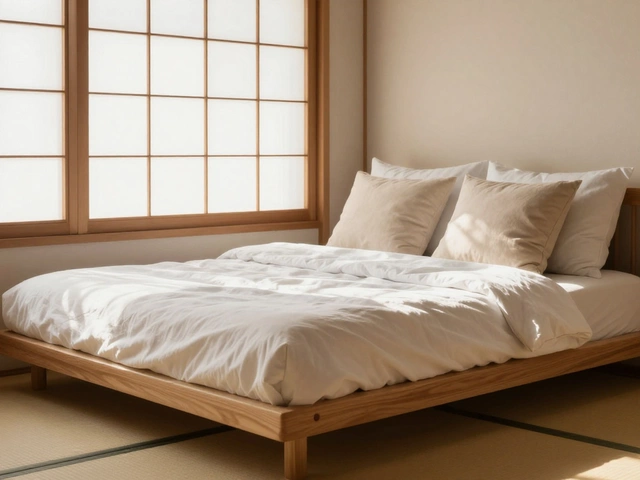
What Is a Japanese Sofa Bed? Design, Mechanics, and Buying Guide
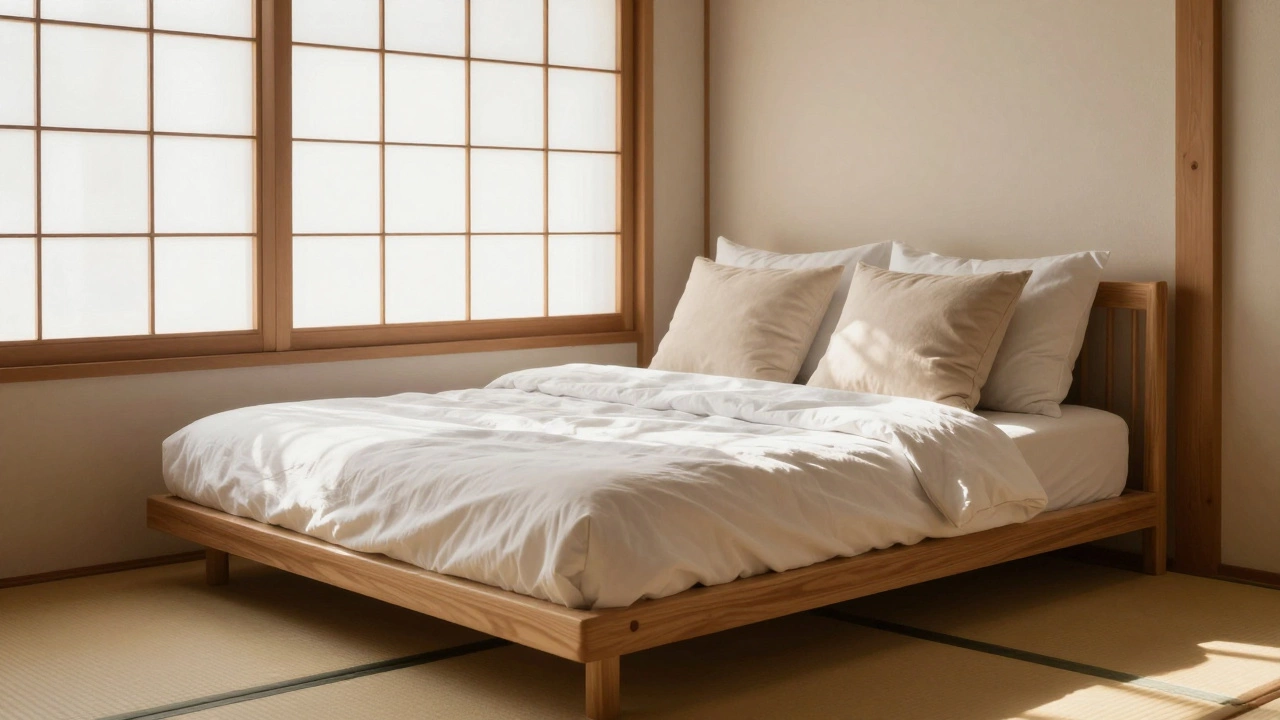
Japanese Sofa Bed Selector
Find the perfect convertible futon style for your space and lifestyle.
Picture this: you’re hosting friends for dinner in your cozy apartment. The night wears on, someone suggests staying over, and suddenly you realize your guest room is actually just a closet with a door. In Western homes, we usually solve this by keeping a bulky sleeper sofa that takes up half the living room. But in Japan, where urban apartments often range from just 30 to 50 square meters, space is treated differently. Enter the Japanese sofa bed, a piece of furniture that redefines how we think about sleeping and sitting in small spaces.
If you’ve been scrolling through interior design feeds, you might have seen these sleek, low-profile units. They look like modern benches or minimalist daybeds during the day and transform into surprisingly comfortable beds at night. But what exactly makes them "Japanese"? Are they just regular futons with a frame? And more importantly, will one actually work for your lifestyle?
The Core Concept: Minimalism Meets Functionality
To understand the Japanese sofa bed, also known as a futon sofa or convertible futon, you first have to understand the cultural context it comes from. Traditional Japanese interiors prioritize open floor plans and flexibility. Walls are often sliding doors (shoji), and furniture is designed to be moved or stored away easily. This philosophy is called "ma," which refers to the effective use of negative space.
A Japanese sofa bed isn’t just a mattress on a box spring hidden inside a couch. It’s typically a low-to-the-ground frame that holds a traditional Japanese futon (a thin cotton or wool mattress) or a specialized foam pad. During the day, the bedding is folded neatly into the frame or stacked against the wall, revealing a clean, uncluttered surface perfect for sitting, working, or even doing yoga. At night, you unfold it to create a flat sleeping surface.
This design serves two main jobs:
- Space Optimization: It frees up floor area when not in use, making small rooms feel larger.
- Aesthetic Continuity: It maintains a minimalist look without the visual bulk of a traditional Western sofa.
How It Differs From Western Sleeper Sofas
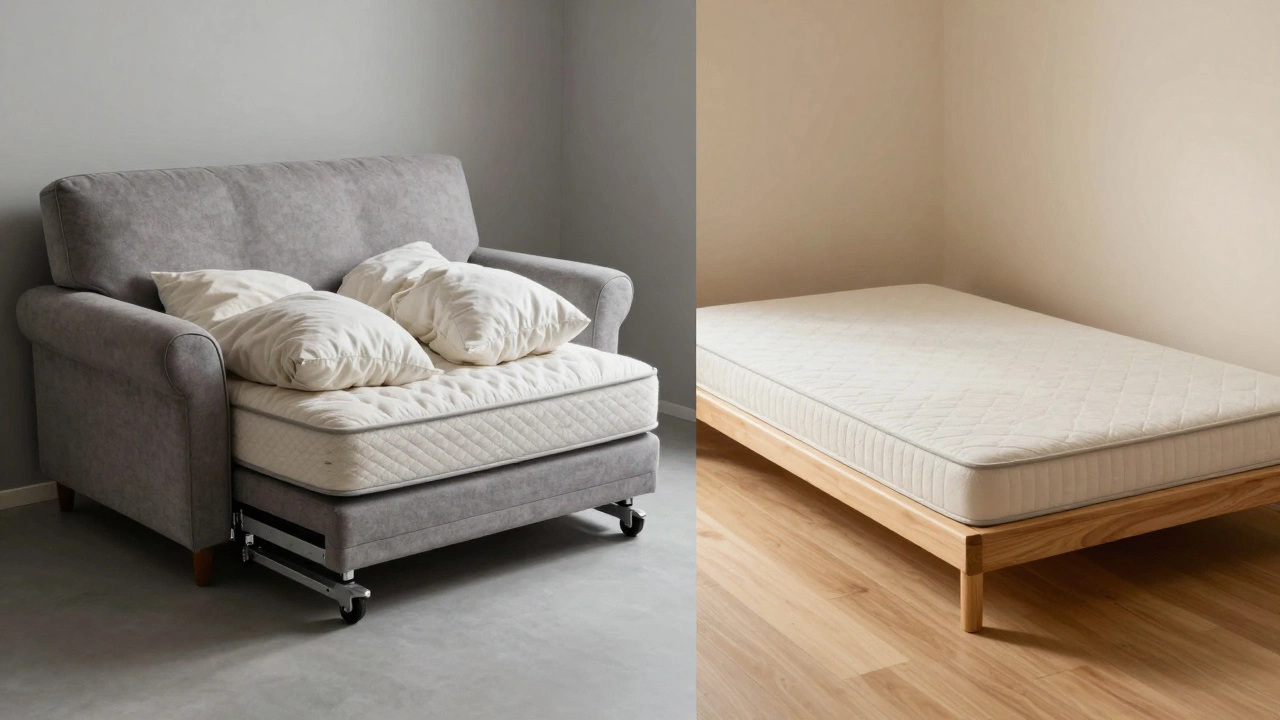
You might wonder why you wouldn’t just buy a standard pull-out sofa. The difference lies in the mechanics and the comfort profile. A typical Western sleeper sofa uses a metal trundle mechanism that pulls out from under the seat cushions. These can be heavy, noisy, and often result in a lumpy sleeping surface because the mattress is compressed for storage.
In contrast, a Japanese-style unit usually operates on a simpler hinge or fold-out system. Here’s a quick comparison to help you decide which fits your needs:
| Feature | Japanese Futon Sofa | Western Pull-Out Sofa |
|---|---|---|
| Height Profile | Low (15-20 cm / 6-8 inches) | Standard (40-50 cm / 16-20 inches) |
| Mechanism | Fold-out hinges or stackable layers | Metal trundle/pull-out frame |
| Sleeping Surface | Firm, flat, traditional futon or thin foam | Medium-soft, often lumpy due to compression |
| Dual Use | Sitting, dining, yoga, play area | Primarily sitting; limited floor access |
| Storage Needs | Bedding must be folded/stored manually | Self-contained; no extra storage needed |
The Japanese version requires a bit more effort-you have to fold the bedding yourself-but it rewards you with a cleaner aesthetic and a firmer, often healthier sleep surface. If you prefer sinking into soft cushions, a Western sofa might win. If you value back support and open floor space, the Japanese style is hard to beat.
Types of Japanese Convertible Seating
Not all Japanese sofa beds are created equal. Depending on your budget and specific needs, you’ll find three main variations in the market today.
1. The Traditional Shikibuton Frame
This is the most authentic option. It consists of a simple wooden or fabric-covered frame that sits directly on the floor. You place a shikibuton (the thick bottom mattress) and a kakebuton (the top duvet) on it. When not in use, you fold the shikibuton into thirds and tuck it into the frame or store it in a nearby closet. This setup is incredibly affordable but requires daily maintenance-airing out the futon is essential to prevent mold, especially in humid climates.
2. The Modern Lift-Up Ottoman
Popular in contemporary urban apartments, this style looks like a large, upholstered bench. The lid lifts up to reveal a compartment where the bedding is stored. Some high-end models include a built-in gas strut to make lifting easier. These are great for people who want the convenience of a closed storage solution but still appreciate the low profile. Brands like Muji and IKEA have popularized similar concepts globally.
3. The Wall-Bed Hybrid (Murphy Futon)
For extreme space saving, some Japanese designers combine the futon concept with a Murphy bed. The unit folds vertically against the wall during the day, leaving zero footprint on the floor. At night, you lower it and lay out the futon. This is ideal for studio apartments or tiny homes where every square centimeter counts.
Key Features to Look For When Buying
If you’re ready to bring a Japanese sofa bed into your home, don’t just pick the prettiest one. Consider these practical attributes that affect daily usability.
- Frame Material: Wood frames (like oak or ash) offer durability and a warm aesthetic. Metal frames are lighter and cheaper but can feel cold. Fabric-wrapped frames provide cushioning for sitting but may stain easier.
- Cushion Density: If the unit includes fixed seat cushions, check the density. High-density foam (30kg/m³ or higher) retains its shape better over time. Low-density foam flattens quickly, making the sofa uncomfortable for guests.
- Ventilation: Since futons trap heat and moisture, look for designs with slatted bases or breathable fabrics. This helps air circulate underneath, reducing the risk of mildew-a common issue in older, poorly ventilated apartments.
- Weight Capacity: Ensure the frame can support both your weight and the weight of the bedding. Cheap particleboard frames may sag after six months of regular use.
Pros and Cons: Is It Right for You?
Let’s be honest. No furniture is perfect. Here’s a realistic breakdown of what life with a Japanese sofa bed actually looks like.
The Good:
- Cost-Effective: Generally much cheaper than high-quality Western sleeper sofas.
- Back Health: Firm surfaces are recommended by many chiropractors for spinal alignment.
- Flexibility: You can move it around easily if you rearrange your room.
- Aesthetic Appeal: Fits seamlessly into Scandinavian, Japandi, or minimalist decor styles.
The Bad:
- Daily Routine: You must fold and store the bedding every morning. If you’re lazy or forgetful, it becomes a tripping hazard.
- Sitting Comfort: Sitting on a firm futon for long periods (like watching TV) isn’t as plush as a deep-cushioned armchair. You’ll likely need extra throw pillows.
- Allergies: Traditional cotton futons can harbor dust mites if not aired out regularly. Synthetic alternatives exist but breathe less well.

Styling Tips for Your Living Space
Integrating a Japanese sofa bed into a non-Japanese home can sometimes feel disjointed if not styled correctly. The key is balance. Since the sofa bed is low and minimal, pair it with taller elements to create vertical interest. Think tall bookshelves, hanging plants, or floor lamps.
Use textiles to add warmth. A Japanese sofa bed can feel stark on its own. Add a chunky knit throw, a patterned rug, and several decorative cushions. This softens the look and makes the space inviting for guests. Remember, the goal is to make it look like intentional design, not a temporary fix for lack of space.
If you live in a colder climate, consider heating options. Sleeping on a low platform near the floor can feel chilly. A radiant floor heater or a heated blanket can make winter nights much more comfortable without needing to invest in expensive electric futon covers.
Maintenance and Longevity
One of the biggest misconceptions about Japanese futons is that they require no care. In reality, they demand more attention than a standard mattress. To keep your investment lasting years, follow these rules:
- Air It Out Daily: Even if you didn’t sleep on it, humidity builds up. Open a window and let the futon breathe for at least 30 minutes each morning.
- Rotate Regularly: Flip the futon head-to-foot every week to prevent uneven wear and sagging.
- Spot Clean Immediately: Spills happen. Blot them immediately with a dry cloth. Avoid soaking the futon, as drying it completely indoors can be difficult and lead to mold.
- Inspect the Frame: Check screws and joints every few months. Tighten any loose hardware to ensure stability when sitting or folding.
Is a Japanese sofa bed comfortable for side sleepers?
Traditional Japanese futons are quite firm, which can be challenging for side sleepers who need pressure relief at the hips and shoulders. However, adding a 2-3 inch memory foam topper can significantly improve comfort for side sleepers while maintaining the space-saving benefits of the base frame.
Do Japanese sofa beds work in humid climates?
Humidity is the enemy of traditional cotton futons. If you live in a tropical or coastal area, opt for synthetic fiber-filled futons or those with waterproof, breathable covers. Additionally, using a dehumidifier in the room is crucial to prevent mold growth inside the bedding.
Can I use a Japanese sofa bed as my primary bed?
Yes, many people in Japan use futons as their primary sleeping surface for decades. However, it requires discipline in airing and rotating the mattress. If you prefer a softer, plush sleeping experience, you might find it too firm for nightly use unless you add significant padding.
How much does a quality Japanese sofa bed cost?
Prices vary widely. Basic DIY frames with separate futons can cost under $150. Mid-range branded units from retailers like Muji or Nitori range from $300 to $800. High-end custom wooden frames with premium organic cotton bedding can exceed $1,500. Always budget for the bedding separately if it’s not included.
Are there pet-friendly options?
Pets love the low, accessible nature of futon sofas. However, hair and dander embed easily into natural fibers. Choose removable, machine-washable covers made of tightly woven synthetic blends. Microfiber covers are particularly good at repelling pet hair compared to cotton or linen.