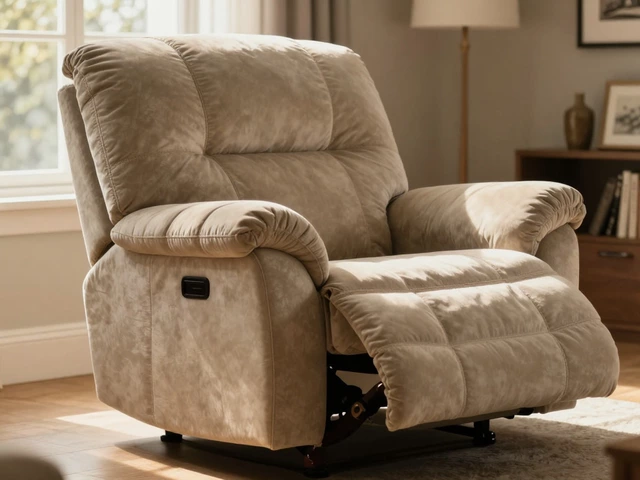
How Long Does a Lazy Boy Couch Last? Lifespan, Care & Repair Guide
Recliner Repair vs. Replace Calculator
Analyzing...
Enter details to see if you should fix or buy new.
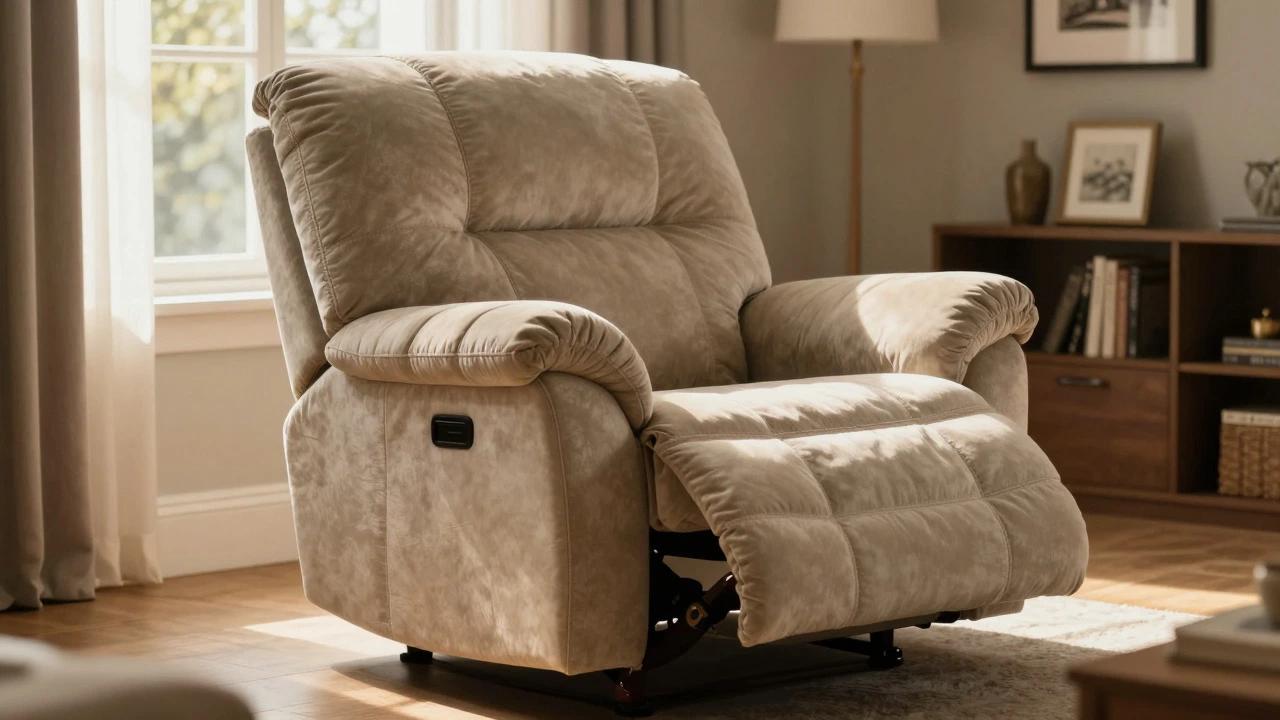
There is a specific kind of dread that settles in when your favorite recliner starts squeaking or the cushion feels like it’s sinking into a hole. You bought that Lazy Boy because you wanted comfort that lasts, not just for the next few months but for years of movie nights and naps. But how long does it actually last? The short answer is: it depends heavily on what you buy, how you use it, and whether you treat it right.
Generally speaking, a high-quality recliner can serve you well for 7 to 10 years. Premium models with solid wood frames and high-density foam might push that to 12 or even 15 years. On the flip side, a budget-friendly option from a big-box store might start showing wear and tear after just 3 to 5 years. Knowing where your piece falls on this spectrum helps you decide if it’s time to repair, replace, or just accept the creak as part of the charm.
Key Factors That Determine Your Recliner’s Lifespan
Not all recliners are built the same. When manufacturers talk about durability, they are usually referring to three core components: the frame, the mechanism, and the upholstery. If one of these fails, the whole experience changes.
- The Frame: This is the skeleton of your couch. Kilt-cane webbing and solid hardwood (like oak or maple) are the gold standard. Particleboard or metal-only frames are lighter but often less durable under heavy daily use.
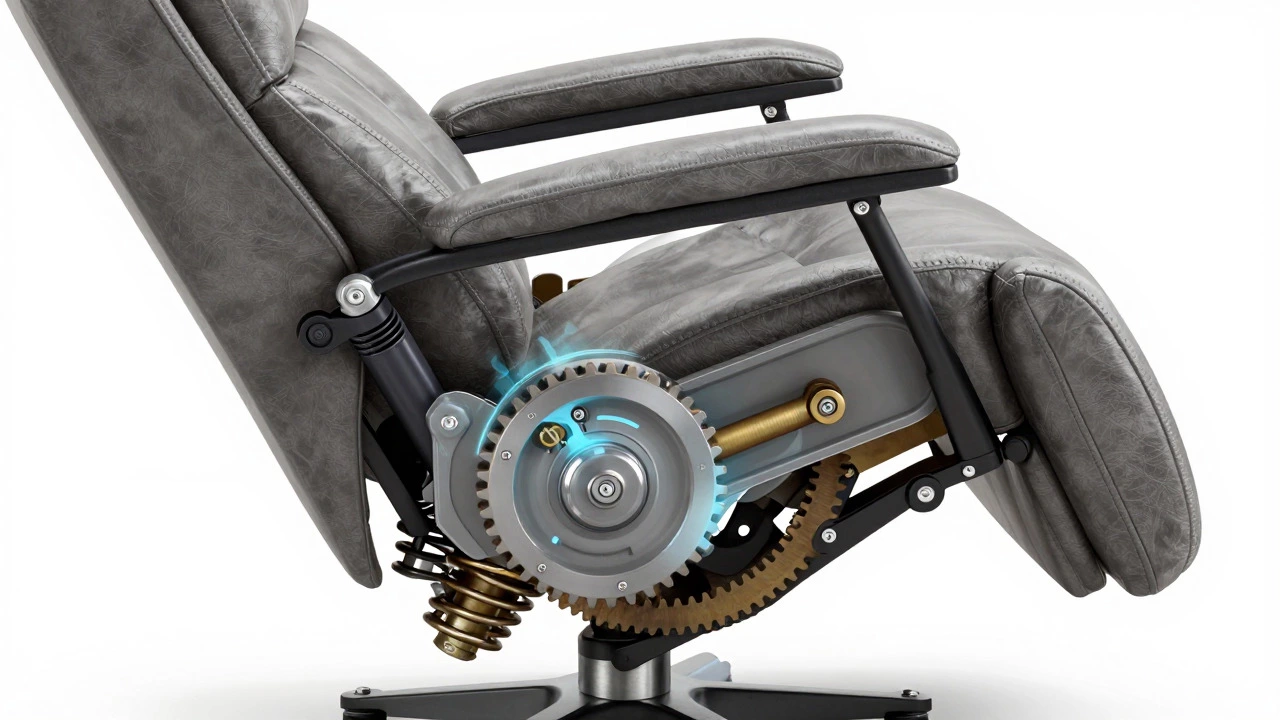
- The Mechanism: The gears, springs, and levers that allow the chair to recline are the most common point of failure. A hydraulic lift is generally smoother and quieter than a manual spring system, but both require regular care.
- Upholstery Material: Leather ages gracefully but can crack if not conditioned. Fabric is more forgiving of spills but wears out faster at friction points like armrests and seat edges.
Your usage habits play a huge role here. A recliner used by a single adult who weighs under 200 pounds will last significantly longer than one shared by two adults, children, and a large dog. Every time someone jumps onto the seat or pulls the lever aggressively, they are stressing the internal components. Think of it like a car engine; gentle acceleration saves the transmission, while hard braking wears it down faster.
Signs It’s Time to Retire Your Recliner
Sometimes, the decision to replace your furniture isn’t about a total breakdown. It’s about the subtle signs that say the structure is giving up. Ignoring these red flags can lead to a sudden collapse, which is not only annoying but potentially dangerous.
- Excessive Squeaking: A little noise is normal, but if the chair sounds like it’s trying to escape every time you sit down, the pivot points are likely worn out. Lubrication might help temporarily, but it’s often a sign of structural fatigue.
- Slow Recline Speed: If the chair takes forever to extend or retract, the gas lift cylinder may be losing pressure. This is a common issue in older models and usually signals the end of the line for smooth operation.
- Visible Sagging: If the seat cushion no longer supports your weight evenly and creates a dip in the middle, the high-density foam has broken down. Once memory foam or high-resilience foam collapses, it rarely bounces back.
- Frayed Webbing: If you look underneath the seat and see stretched or torn kilt-cane webbing, the support system is compromised. This is a safety hazard because the seat could detach from the frame.
If you notice two or more of these issues simultaneously, it is usually cheaper and less stressful to replace the unit rather than attempt a full restoration.
Comparison of Recliner Durability by Type
Understanding the differences between construction types helps set realistic expectations. Here is how different categories typically hold up over time.
| Recliner Type | Avg. Lifespan | Common Failure Point | Ideal For |
|---|---|---|---|
| Budget Big-Box Store | 3-5 Years | Mechanism jams, fabric pilling | Temporary setups, guest rooms |
| Mid-Range Specialty | 7-10 Years | Cushion sagging, minor squeaks | Daily family use |
| Premium Solid Wood | 10-15+ Years | Upholstery wear, gas lift pressure loss | Long-term investment, heavy users |
| Power Recliner | 8-12 Years | Motor burnout, wiring issues | Accessibility needs, tech-savvy users |
Notice that power recliners have a slightly shorter average lifespan than their manual counterparts. This is because they contain electronic components-motors, wiring, and remote controls-that can fail independently of the mechanical structure. However, they offer a smoother experience that many find worth the trade-off.
How to Extend the Life of Your Sofa Set
You don’t have to accept a short lifespan as fate. With a bit of proactive maintenance, you can add several years to your recliner’s life. These steps are simple and don’t require professional tools.
- Lubricate the Hinges: Every six months, apply a silicone-based lubricant to the moving parts of the reclining mechanism. Avoid WD-40 unless specified by the manufacturer, as it can dry out and attract dust.
- Rotate and Fluff Cushions: If your cushions are removable, rotate them front-to-back and left-to-right monthly. This ensures even wear and prevents one spot from collapsing faster than others.
- Protect from Sunlight: Direct UV rays break down fabric fibers and fade colors. Use curtains or blinds to shield your recliner from direct afternoon sun, especially if it faces a window.
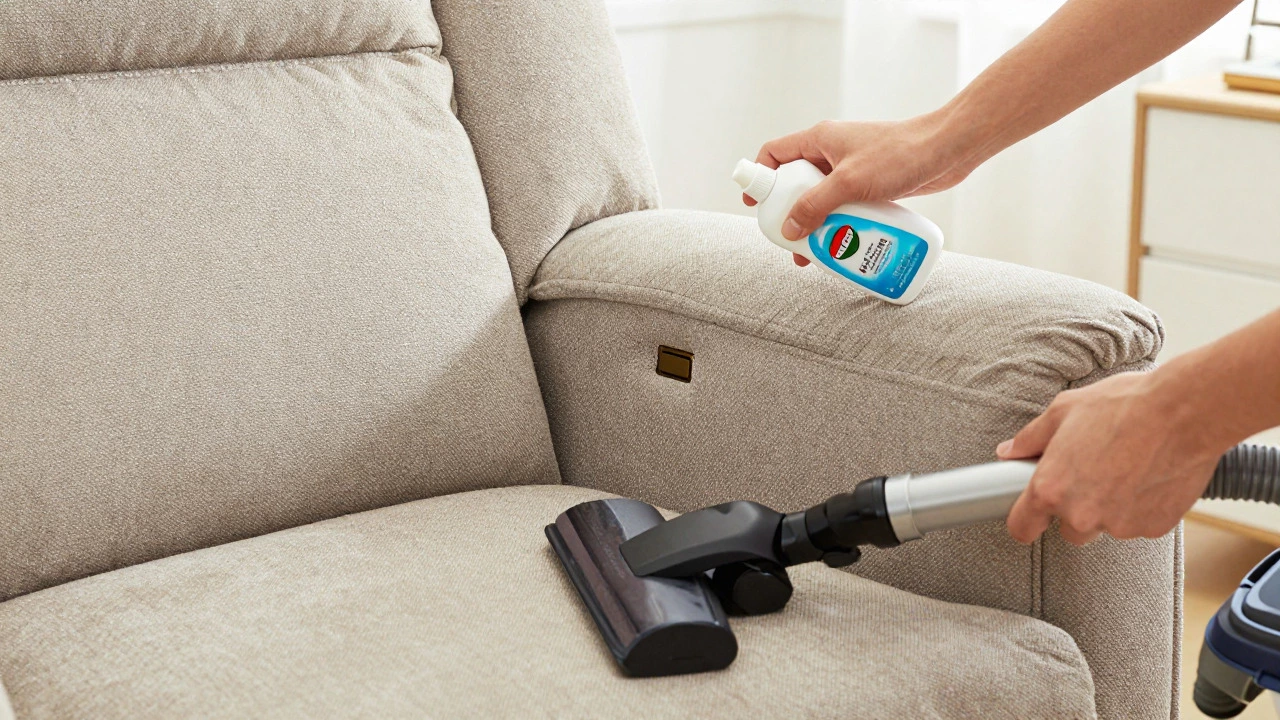
- Clean Regularly: Vacuum crevices weekly to prevent dust buildup in the mechanism. For fabric, use a mild cleaner every few months. For leather, condition it twice a year to prevent cracking.
- Check Weight Limits: Most recliners have a maximum weight capacity, often around 300 to 400 pounds. Consistently exceeding this limit stresses the frame and mechanism. If you’re near the limit, consider a reinforced model.
One often-overlooked tip is to avoid using the recliner as a bed. While it’s tempting to stretch out for a nap, sleeping in a reclined position puts uneven stress on the spine and the chair’s structure. Frequent full-extension use can warp the frame over time.
Repair vs. Replace: Making the Right Call
When your recliner starts acting up, the first question is always: should I fix it or buy new? The answer depends on the cost of the repair relative to the value of the chair.
If the issue is cosmetic-like a small tear in the fabric or a faded area-a local upholsterer can often fix it for $100 to $300. This is a good investment if the frame and mechanism are still solid. However, if the problem is mechanical, such as a broken gear or a failed gas lift, the repair cost can range from $150 to $400. At that point, if the chair is already 5 or more years old, replacing it is usually more economical.
Consider the warranty coverage as well. Many premium brands offer limited warranties on the frame and mechanism for 5 to 10 years. If you’re still within that window, contact the manufacturer before paying for a private repair. They may cover the parts or labor, saving you significant money.
Frequently Asked Questions
Why does my recliner squeak so much?
Squeaking is usually caused by friction in the hinge joints or the reclining mechanism. Over time, grease dries out, and metal-on-metal contact increases. Applying a silicone lubricant to the pivot points usually resolves the issue. If the squeak persists after lubrication, the bearings may be worn out, indicating age-related wear.
Can you reupholster an old recliner?
Yes, reupholstering is a viable option if the frame and mechanism are in good condition. It gives the chair a fresh look without the cost of buying new. However, the process is complex due to the internal mechanisms, so it’s best done by a professional. Expect to pay $500 to $1,500 depending on the fabric and complexity.
What is the average lifespan of a power recliner?
Power recliners typically last between 8 and 12 years. The main limiting factor is the electric motor and wiring, which can fail due to heat buildup or electrical surges. The mechanical frame often outlasts the electronics, so replacing the motor assembly can sometimes extend the life of the chair.
Are Lazy Boy couches better than other brands?
Lazy Boy is known for its patented reclining technology and consistent build quality. While other brands offer competitive products, Lazy Boy often scores higher in long-term reliability surveys. Their frames are typically made from kiln-dried hardwood, which resists warping better than particleboard. However, price varies widely by model, so always check the specific materials listed for each product.
How do I know if my recliner frame is broken?
A broken frame is indicated by a loud crack or pop when sitting, visible gaps between the seat and base, or the chair feeling unstable. If the chair wobbles excessively or makes grinding noises, the wooden joints may have split. This is a critical safety issue and usually requires replacement, as repairing a cracked hardwood frame is difficult and rarely cost-effective.