How to Make Your Bathroom a Sanctuary: Design, Accessories & Routine
Bathroom Sanctuary Cost Estimator
Select Your Upgrades
Check the items you plan to add or upgrade to create your personal retreat.
Estimated Budget
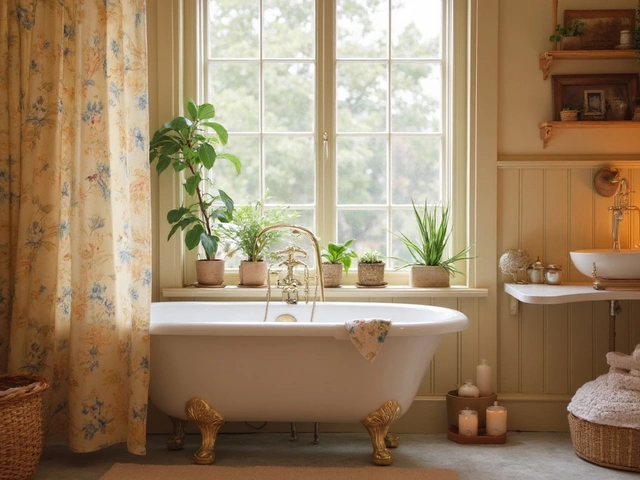
Most of us treat the bathroom as a utility room. It’s where we brush our teeth, take a quick shower, and get dressed. But it doesn’t have to be that way. With the right approach, your bathroom can become a true bathroom sanctuary-a place where you actually want to linger. Think of it as your personal spa, a quiet retreat from the noise of daily life.
You don’t need a million-dollar renovation to achieve this. In fact, most of the transformation comes from small changes in lighting, scent, texture, and routine. The goal is to shift the energy of the space from functional to restorative. Let’s look at how you can do that, starting with the senses.
Mastering Light and Atmosphere
Lighting is the single biggest factor in setting the mood. Harsh overhead lights are the enemy of relaxation. They create shadows under your eyes and make the space feel clinical. To fix this, you need layers of light.
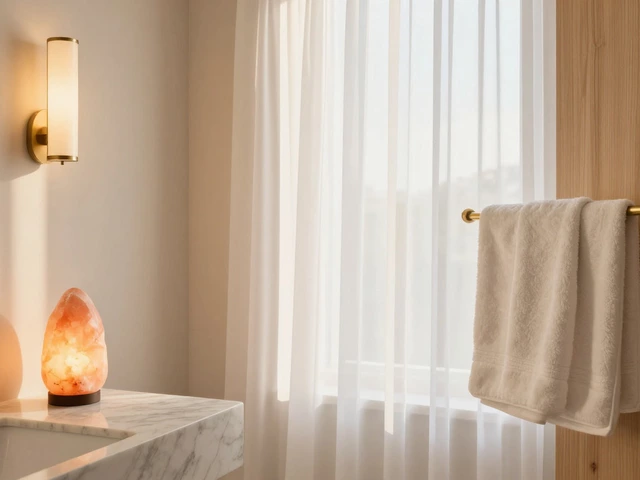
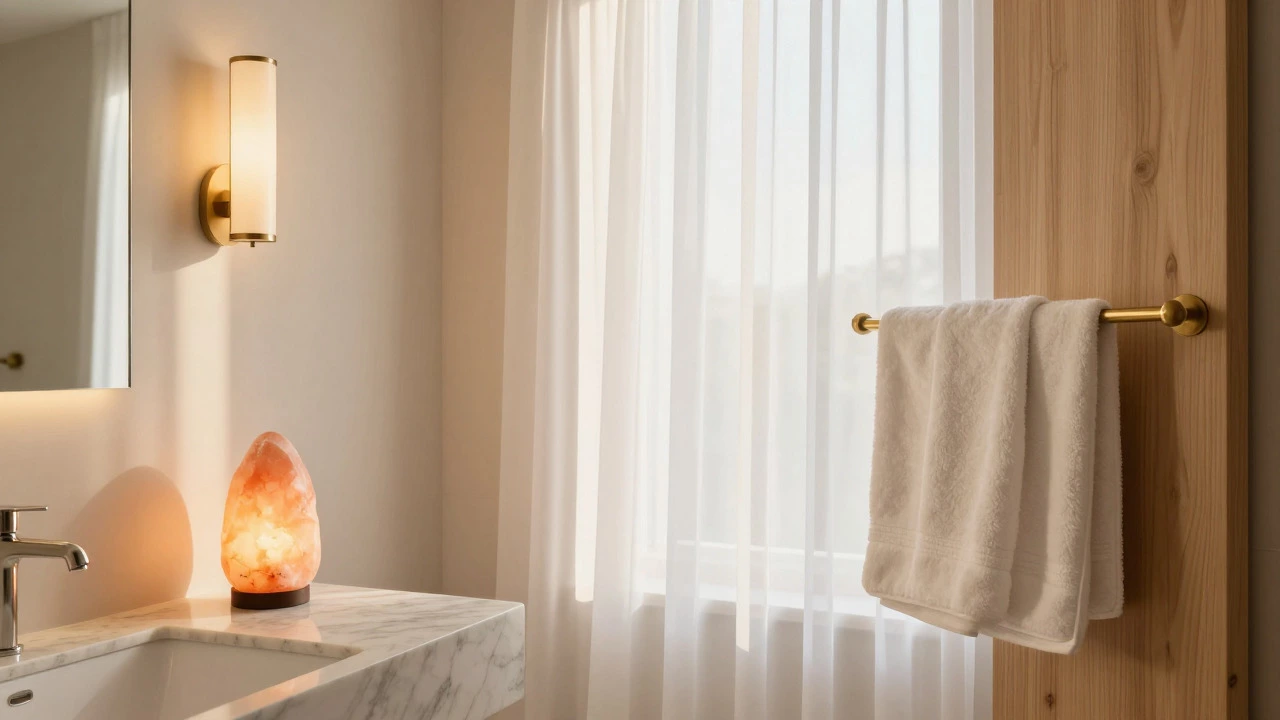
Start by dimming or replacing bright white bulbs with warm-toned LEDs (around 2700K). This mimics the golden hour sunlight, which naturally calms the nervous system. Add wall sconces near the mirror for soft, even illumination when you’re getting ready. These should be positioned at eye level to avoid glare.
Then, introduce ambient light. Salt lamps, LED candles, or smart bulbs that change color can add a gentle glow. If you have windows, use sheer curtains to diffuse natural light during the day. The key is to eliminate harsh contrasts. When the light is soft, your body relaxes faster.
What kind of light bulb temperature is best for a relaxing bathroom?
Aim for "warm white" bulbs, typically between 2700K and 3000K. Avoid "daylight" or cool white bulbs (4000K+), as these mimic fluorescent office lighting and can feel sterile or energizing rather than calming.
The Power of Scent and Air Quality
Your sense of smell is directly linked to memory and emotion. A bathroom that smells like mildew or stale water will never feel like a sanctuary. You need to control the air quality and introduce intentional scents.
First, ensure proper ventilation. Run the exhaust fan for at least 20 minutes after every hot shower to prevent mold and humidity buildup. If your fan is noisy, consider upgrading to a quieter model or installing a heat recovery ventilator if you’re doing a larger remodel.
Once the air is fresh, add scent. Essential oil diffusers are a great choice because they purify the air while adding aroma. Lavender, eucalyptus, and chamomile are top picks for relaxation. Place the diffuser on a shelf away from direct water spray. Alternatively, use high-quality reed diffusers or soy wax candles with natural wicks. Avoid synthetic air fresheners, which often contain chemicals that can irritate the lungs.
Textures That Invite Touch
A sanctuary feels good to touch. Cold tiles and hard plastic surfaces feel industrial. You want to introduce warmth and softness through textiles and materials.
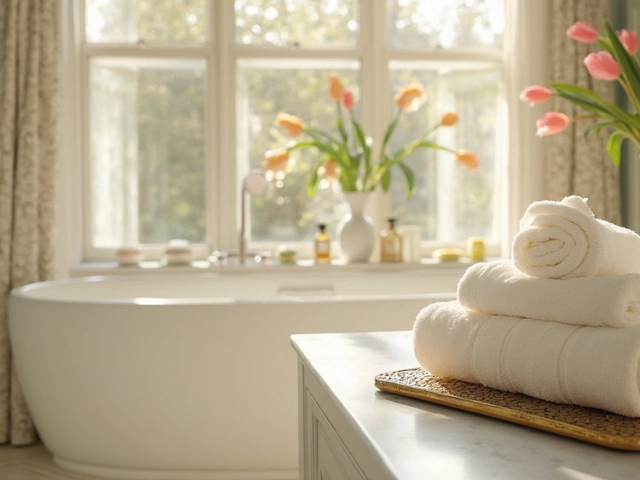
Invest in high-quality towels. Look for Turkish cotton or bamboo blends. They are absorbent, durable, and feel luxurious against the skin. Keep them fluffy by avoiding fabric softener, which coats the fibers and reduces absorbency. Instead, rinse with a cup of white vinegar occasionally to keep them fresh.
Add a plush bath mat. Not just any mat-one that stays dry and doesn’t slip. Memory foam mats provide cushioning for tired feet. Consider adding a wooden stool or a teak bench. Wood brings organic warmth to a space dominated by tile and glass. Just ensure the wood is sealed properly to withstand moisture.
Bamboo Towels are an eco-friendly alternative to cotton that dries faster and resists odors naturally.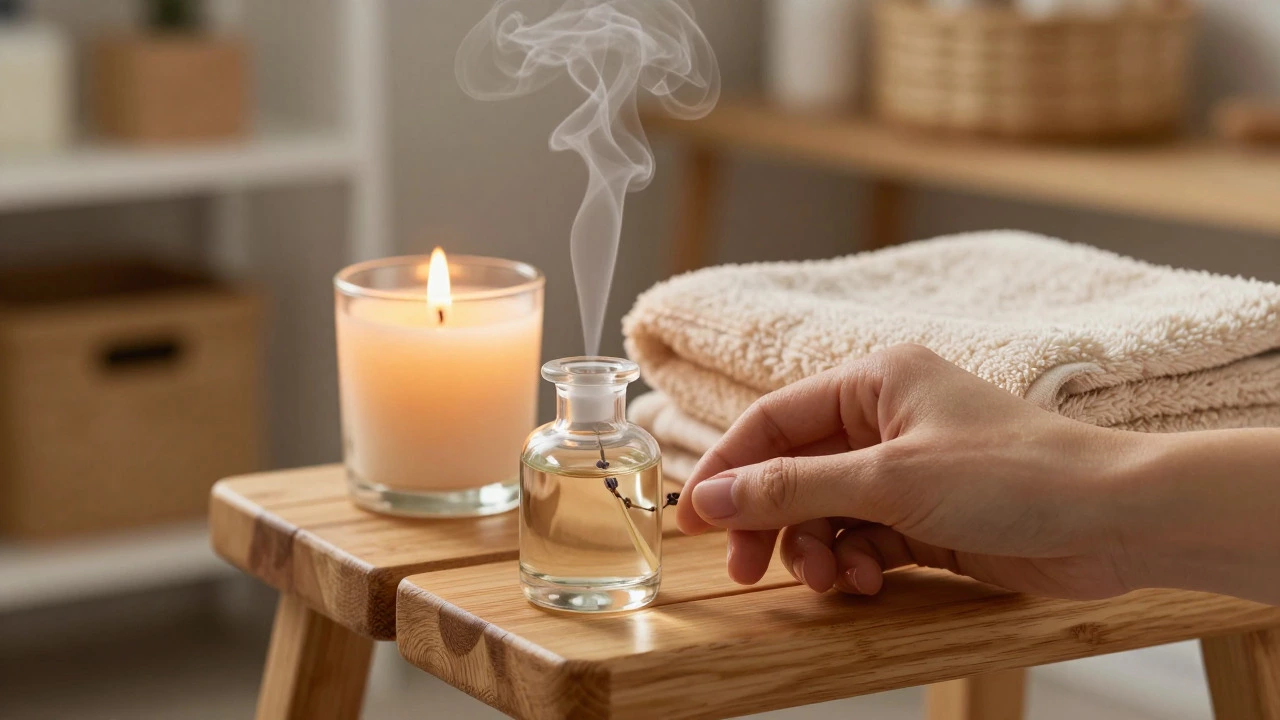
Decluttering for Mental Clarity
Clutter creates visual noise, which increases stress. A sanctuary must be tidy. This isn’t about having an empty room; it’s about having everything in its place.
Start by removing anything you haven’t used in six months. Old makeup, expired lotions, and broken tools go in the trash. For what remains, use storage solutions that hide the mess. Baskets made of seagrass or woven wood look better than plastic bins. Use apothecary jars for cotton balls and swabs. Keep countertops clear except for one or two decorative items, like a small plant or a candle.
If you have limited counter space, install floating shelves or a medicine cabinet with mirrored doors. Vertical storage keeps the floor area open, making the room feel larger and more serene.
Soundscapes and Privacy
Silence is golden, but sometimes silence is awkward. Background noise can mask the sounds of the house-kids playing, traffic outside-and help you focus on yourself.
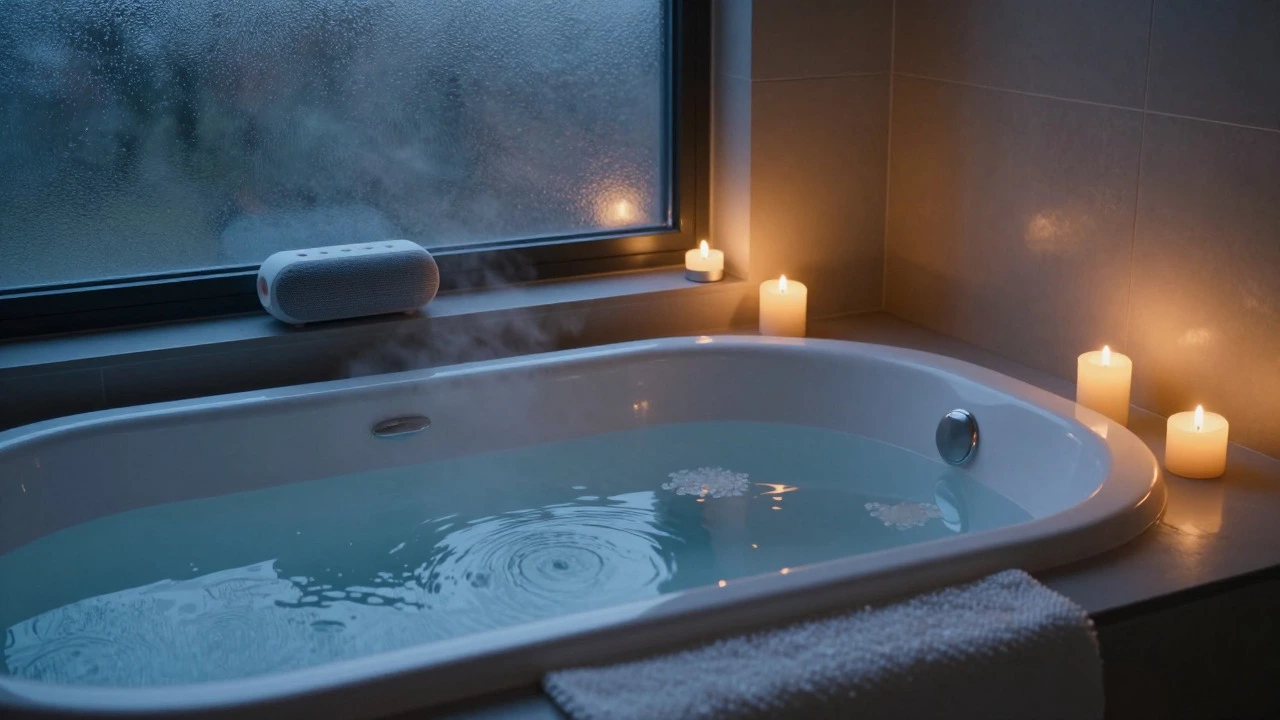
Install a waterproof Bluetooth speaker. Play soft instrumental music, nature sounds, or guided meditations. Many people find that rain sounds or ocean waves sync well with the sound of running water in the shower. Keep the volume low enough that it doesn’t overpower your thoughts.
If privacy is an issue, consider frosted window film or blackout blinds. Knowing you can close off the world makes the space feel safer and more intimate.
Rituals Over Objects
Finally, remember that a sanctuary is defined by how you use it, not just what’s in it. Create rituals that signal to your brain that it’s time to unwind.
- Morning Reset: Spend five minutes stretching or practicing gratitude while waiting for the coffee to brew. Don’t rush out the door.
- Evening Wind-Down: Take a warm bath with Epsom salts instead of a quick shower. Read a few pages of a book or listen to a podcast.
- Weekly Clean: Do a quick wipe-down of surfaces once a week. A clean space is a calm space.
These small habits turn the bathroom from a place of obligation into a place of care. You don’t need to buy expensive gadgets. You just need to pay attention to the details that affect your comfort.
Comparison: Quick Fixes vs. Long-Term Investments
| Strategy | Estimated Cost | Impact Level | Effort Required |
|---|---|---|---|
| Replace Light Bulbs | $10 - $30 | High | Low |
| New Towels & Mats | $50 - $150 | Medium | Low |
| Essential Oil Diffuser | $30 - $80 | High | Low |
| Decluttering Session | $0 | Very High | Medium |
| Install Floating Shelves | $40 - $100 | Medium | High |
Notice that decluttering has the highest impact for zero cost. Start there before spending money on new accessories. Once the space is clear, the other elements will shine.
Troubleshooting Common Issues
Humidity Damage: If you see peeling paint or warped wood, address the moisture source immediately. Check caulk around the tub and sink. Re-caulk if it’s cracked. Use a dehumidifier if the bathroom lacks a window.
Noise Complaints: If your partner finds the music annoying, use headphones or limit the soundtrack to specific times. Soundproofing can also be achieved with thick rugs and heavy curtains.
Lack of Space: Small bathrooms benefit most from mirrors and light colors. White, beige, and soft gray reflect light and make the room feel bigger. Avoid dark colors on all walls unless you have excellent lighting.
Creating a bathroom sanctuary is an ongoing process. It’s about tuning the environment to support your well-being. Start with one change today-maybe swapping out a harsh light bulb or buying a nice candle. Notice how it feels. Then build from there.