What Does Water Damage to Foundation Look Like? Signs, Causes & Fixes
Foundation Damage Risk Assessor
Select the signs you have observed in your home's foundation or surrounding area.
Risk Assessment
Select symptoms above and click "Assess Risk Level" to see your foundation's health status.
Recommended Action:
Most homeowners ignore the subtle signs of foundation water damage, which is structural deterioration caused by excess moisture affecting the base of a building until it’s too late. You might think a small crack in your basement wall is just cosmetic, but it could be the first warning sign of a much bigger problem. Water doesn’t just sit there; it moves, erodes, and expands, turning minor issues into catastrophic structural failures. Recognizing what water damage to a foundation looks like early can save you tens of thousands of dollars in repairs.
Visual Signs: What to Look For on Concrete and Masonry
The most obvious indicators of water damage appear directly on the surface of your foundation walls and footings. Concrete is porous, meaning it absorbs water like a sponge. When that water freezes or contains dissolved minerals, it leaves behind tell-tale marks. If you walk around your home’s exterior or look at your interior basement walls, keep an eye out for these specific visual cues.
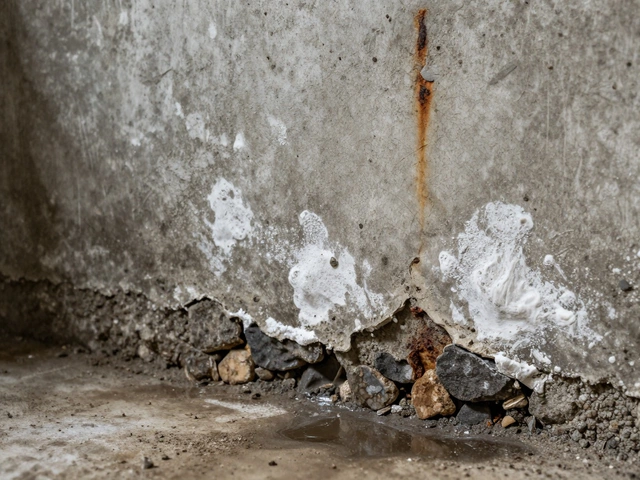
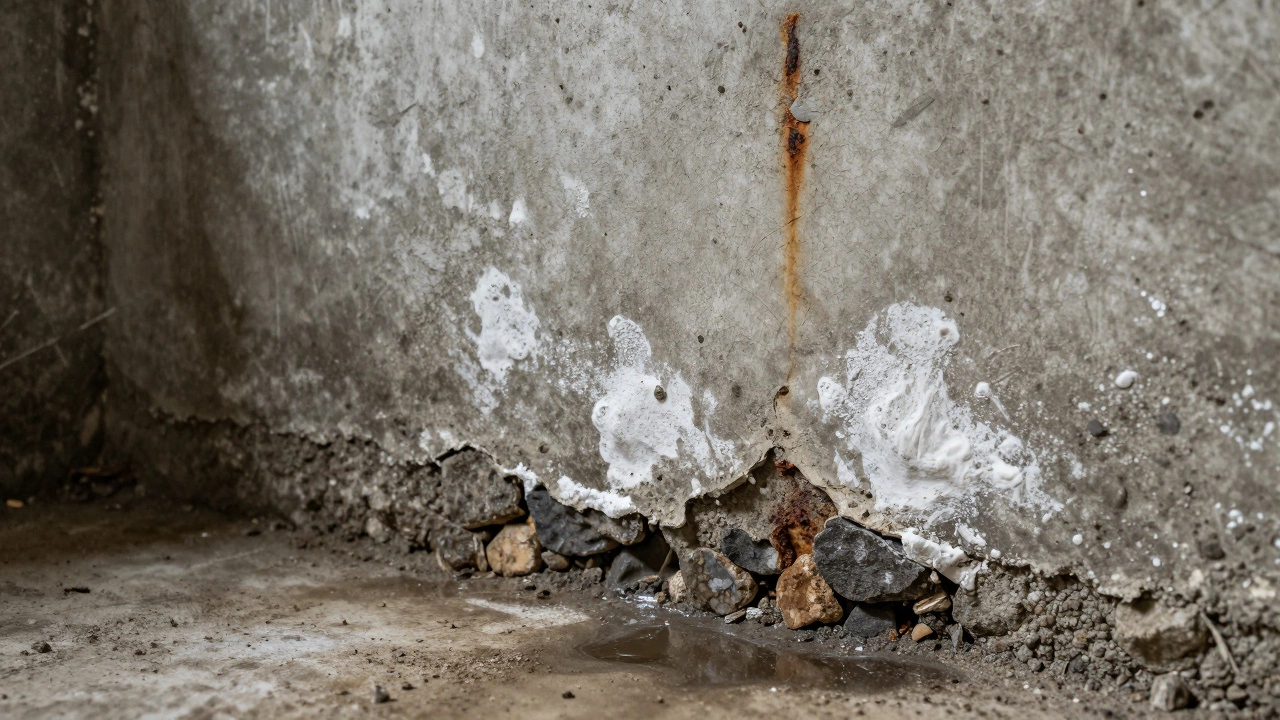
- Efflorescence: This looks like a white, chalky powder coating the surface of your concrete or brick. It happens when water seeps through the masonry, dissolves salts inside, and then evaporates on the surface, leaving the salt residue behind. While efflorescence itself isn’t structurally damaging, it proves that water is actively moving through your foundation.
- Spalling: Imagine peeling paint, but on concrete. Spalling occurs when the outer layer of concrete flakes off, exposing the aggregate stones underneath. This often starts as small bubbles that pop open. It’s usually caused by freeze-thaw cycles where trapped water expands and pushes the concrete apart.
- Dark Staining or Discoloration: Wet concrete looks darker than dry concrete. If you see irregular dark patches on your foundation walls, especially near the bottom where the ground meets the structure, that’s likely standing water or chronic dampness. Over time, this can lead to mold growth, which adds a black or greenish tint.
- Rust Streaks: If your foundation has steel rebar or anchor bolts, rust streaks running down the wall indicate that moisture has penetrated deep enough to corrode the metal. Rust takes up more space than solid steel, which can crack the surrounding concrete from the inside out.
These visual clues are your first line of defense. They don’t always mean your house is collapsing tomorrow, but they do mean water is winning the battle against your structure.
Structural Cracks: Reading the Language of Your Walls
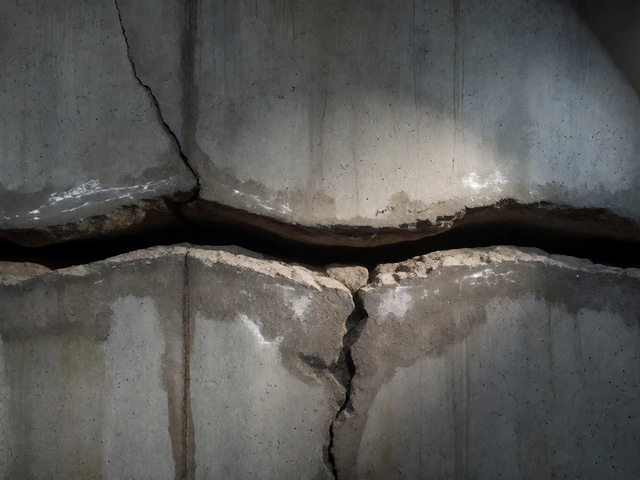
Not all cracks are created equal. A hairline crack less than 1/8 inch wide might just be normal settling. But water damage changes the game entirely. When water saturates the soil around your foundation, it can cause the ground to expand (in clay soils) or wash away (in sandy soils), leading to uneven movement. This movement stresses the concrete, creating cracks that reveal the severity of the water issue.
Here is how to distinguish between harmless cracks and those caused by water damage:
| Crack Type | Appearance | Likely Cause | Risk Level |
|---|---|---|---|
| Vertical Hairline | Thin, straight vertical lines | Normal concrete shrinkage during curing | Low |
| Horizontal | Lines running parallel to the ground | Hydrostatic pressure from saturated soil pushing against the wall | High |
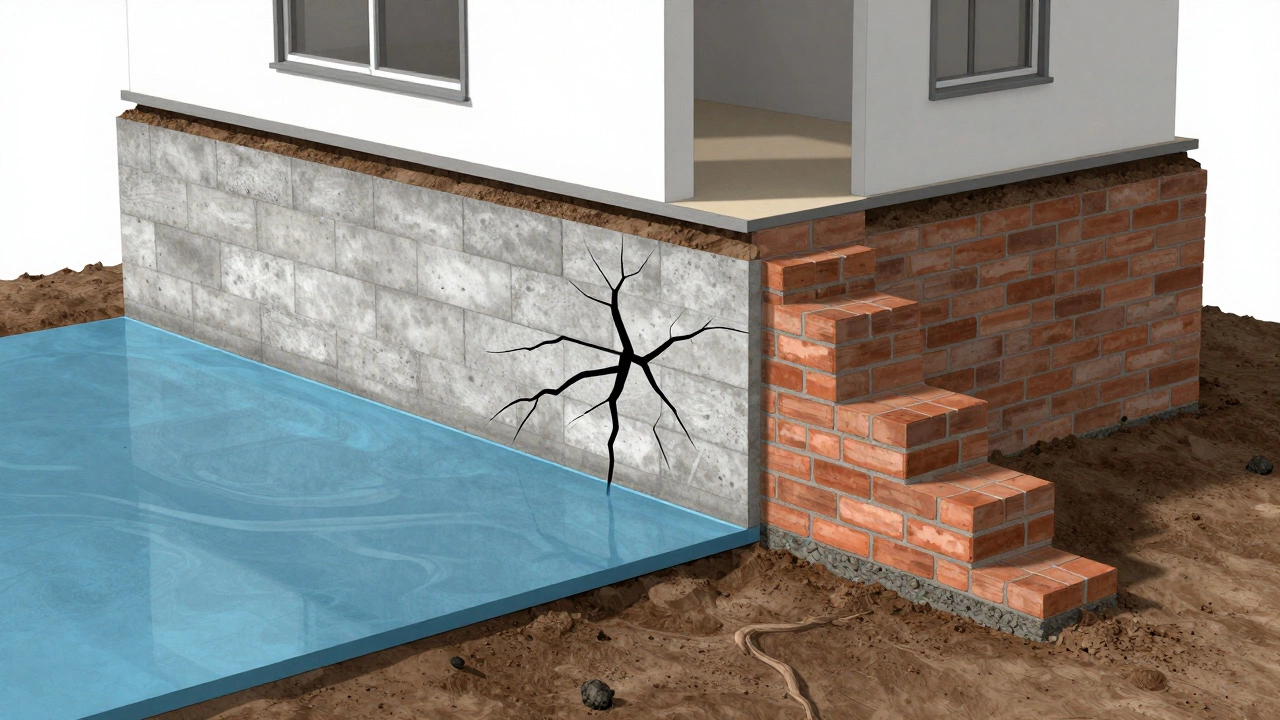
| Stair-Step | Cracks following the mortar joints in brick/block | Differential settlement due to soil erosion or expansion | Medium-High |
| Diagonal | Angled cracks starting at corners of doors/windows | Uneven sinking of the foundation caused by wet/dry soil cycles | Medium |
Horizontal cracks are particularly dangerous. They suggest that the soil outside your foundation is so saturated with water that it’s exerting immense lateral pressure. In colder climates, this pressure can bow the entire wall inward. If you see horizontal cracking, you need professional assessment immediately, not just a bucket and a mop.
Interior Symptoms: Clues From Inside Your Home
You don’t have to dig up your yard to spot foundation water damage. The symptoms often manifest inside your living spaces, long before the exterior shows major signs. Pay attention to these interior red flags:
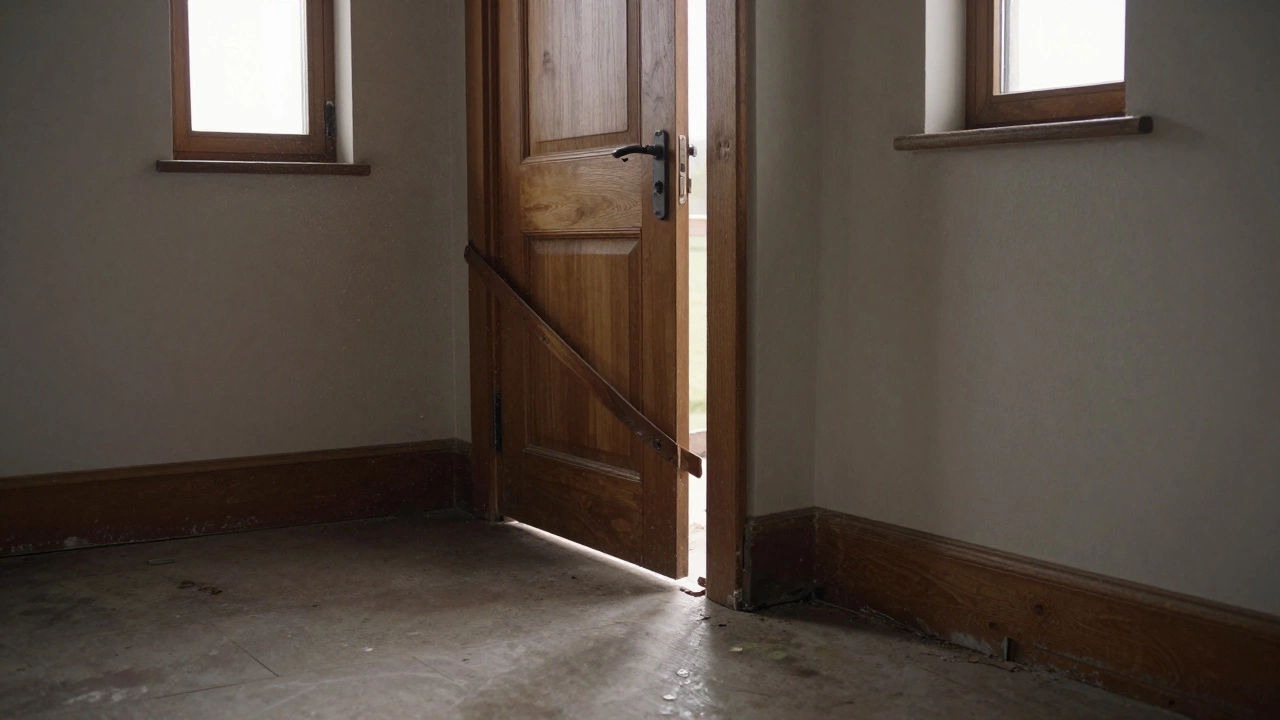
Doors and Windows That Stick: If your front door suddenly requires a kick to close, or your window sashes jam in their tracks, your frame may have shifted. Water softens the soil beneath the foundation, causing parts of the house to settle unevenly. This distortion twists the door and window frames, making them no longer square.
Gaps Around Baseboards: Check the junction where your walls meet the floor. If you see widening gaps, especially in older homes, the foundation may be pulling away from the sill plate. This separation is often a result of soil shrinkage after a period of heavy rain followed by drought, or vice versa.
Musty Odors: Your nose knows before your eyes do. A persistent earthy, musty smell in your basement or lower-level rooms indicates high humidity and potential mold growth. Mold thrives in damp environments, and if it’s growing on your foundation walls, you have a chronic moisture intrusion problem.
Bowing or Bulging Walls: Stand back and look at your basement walls. Do they look straight, or do they appear to curve slightly inward? Even a few inches of bowing can compromise the structural integrity of the entire house. This is almost always caused by hydrostatic pressure from groundwater.
Exterior Landscaping and Soil Indicators
The health of your foundation is tied directly to the soil surrounding it. Water damage doesn’t just affect the concrete; it affects the ground that supports it. Look at your yard for these external signs:
- Poor Drainage: After a rainstorm, does water pool near the foundation? Standing water within three feet of your house is a recipe for disaster. It increases the hydrostatic pressure and allows water to seep through any existing micro-cracks.
- Sinkholes or Depressions: If you notice sunken areas in your lawn, especially near the foundation, it could mean underground pipes are leaking or the soil has washed away. This loss of support causes the foundation to sink.
- Separated Grading: Proper grading slopes away from the house to direct water runoff. If the soil has settled or eroded, creating a flat area or even a dip toward the house, water will flow directly into your basement or crawl space.
- Mushy Grass: Grass that feels spongy underfoot near the foundation suggests overly saturated soil. Clay soils, in particular, hold onto water for days, keeping the foundation walls constantly wet.
Fixing these landscaping issues is often the cheapest way to prevent further foundation damage. Extending your downspouts and re-grading your yard can stop the problem at its source.
How Water Causes Foundation Damage: The Mechanisms
Understanding *why* water damages foundations helps you appreciate the urgency of repair. There are three main mechanisms at play:
Hydrostatic Pressure: As groundwater levels rise, water presses against your foundation walls and floor slab. This pressure builds up over time. Since water seeks the path of least resistance, it will force its way through tiny pores, cracks, and joints. This is why basements flood during heavy rains.
Soil Expansion and Contraction: Many regions have expansive clay soils. These soils swell when wet and shrink when dry. This constant cycle of expanding and contracting lifts and drops sections of your foundation unevenly. This differential movement creates stress fractures and shifts the entire structure.
Chemical Degradation: Water isn’t just physically destructive; it’s chemically active. Dissolved salts and minerals in the water can react with the cement paste in concrete, causing it to break down. This process, known as leaching, weakens the concrete matrix, making it crumbly and prone to spalling.
Immediate Steps to Take When You Spot Damage
If you’ve identified any of the signs above, don’t panic, but do act quickly. Here is your action plan:
- Stop the Water Source: Clear gutters, extend downspouts, and ensure your yard drains away from the house. If it’s raining heavily, wait for the storm to pass before doing exterior work, but address drainage immediately after.
- Document Everything: Take clear photos of cracks, stains, and bulging walls. Measure the width of cracks using a ruler or coin. This documentation is crucial for insurance claims and for contractors to assess the progression of damage.
- Consult a Professional: Don’t rely on DIY fixes for structural issues. Hire a licensed foundation repair specialist. Look for someone who offers both waterproofing and structural reinforcement services. They should perform a thorough inspection, possibly including soil testing and moisture mapping.
- Get Multiple Quotes: Foundation repair is expensive. Get at least three estimates. Be wary of companies that pressure you into signing immediately or offer “lifetime warranties” that sound too good to be true.
Remember, ignoring small signs leads to big bills. A $500 drainage fix today can prevent a $20,000 foundation rebuild tomorrow.
Is white powder on my foundation walls bad?
Yes, it is a warning sign. That white powder is called efflorescence. It indicates that water is moving through your foundation walls and evaporating, leaving behind mineral salts. While the salts themselves aren't damaging, the presence of water means you have a moisture intrusion issue that needs addressing to prevent structural decay.
Can I fix foundation cracks myself?
You can patch very small, non-moving hairline cracks with epoxy injection kits for cosmetic reasons. However, if the cracks are wider than 1/8 inch, horizontal, stair-step, or accompanied by sticking doors/windows, you should not attempt DIY repairs. These are signs of structural movement that require professional engineering solutions like carbon fiber straps or steel beams.
How much does it cost to repair water-damaged foundations?
Costs vary widely based on severity. Simple waterproofing and drainage improvements might cost between $1,000 and $4,000. Structural repairs like wall bracing or underpinning can range from $5,000 to $20,000 or more. Early detection significantly reduces these costs.
Does homeowner's insurance cover foundation water damage?
Typically, no. Most standard homeowner's insurance policies exclude damage caused by gradual wear and tear, poor maintenance, or flooding. Coverage is usually only available if the damage results from a sudden, accidental event, like a burst pipe. Always check your specific policy details and consider separate flood insurance if you live in a risk zone.
What is the difference between hydrostatic pressure and soil erosion?
Hydrostatic pressure is the force exerted by standing water against your foundation walls, causing them to bow or crack horizontally. Soil erosion is the washing away of the dirt supporting your foundation, causing it to sink or settle unevenly. Both are caused by water but manifest differently: one pushes from the side, the other removes support from below.