Where to Store Patio Cushions When It Rains: A Complete Guide
Patio Cushion Storage Advisor
Configure Your Situation
Action Plan:
Select your cushion details and click "Get Storage Recommendation" to see the best way to protect your investment.
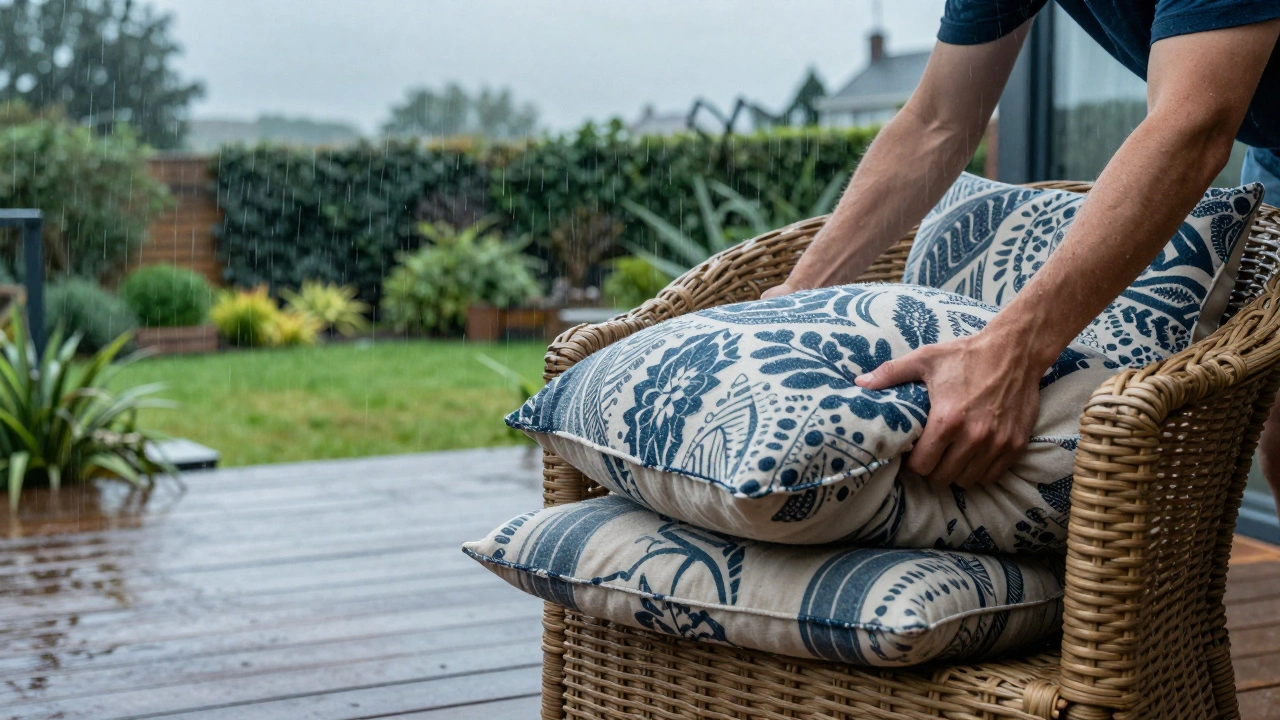
That sudden summer shower hits just as you’re settling in for a quiet evening on the deck. You scramble to grab your pillows, but where do they actually go? Leaving them out risks mold, mildew, and ruined fabric. Bringing them inside feels like a chore if you don’t have a clear plan. The answer isn’t just "inside" or "under the table." It’s about having a smart, accessible system that protects your investment without turning every rainstorm into a panic.
In Auckland, where weather can shift from sunny to stormy in minutes, protecting patio cushions is essential for extending the life of outdoor furniture and preventing moisture damage isn't optional-it's necessary. Whether you live in a space with high humidity or frequent rainfall, knowing exactly where to put these items when the sky opens up saves you money on replacements and keeps your outdoor living area looking fresh.
The Golden Rule: Dry Before Storing
Before you worry about *where* to put them, you need to know *when* it’s safe to store them. This is the most common mistake people make. If you shove damp cushions into a closed box or under a cover, you’re creating a breeding ground for bacteria and mold. Moisture trapped against fabric leads to that musty smell you can never quite scrub out.
- Quick Rain: If the rain stops and the sun comes out, let them air dry completely before storing. Even if they feel dry to the touch, the foam core might still hold moisture.
- Prolonged Storms: If the forecast calls for days of rain, bring them inside immediately. Do not wait for them to dry outdoors if there’s no sun or breeze to help the process.
- The Shake Test: Give each cushion a good shake to dislodge surface water. Then, prop them up vertically against a wall or rail to allow airflow through the seams.
If you must store them while slightly damp, ensure the storage area has excellent ventilation. Never zip up a plastic bag or airtight container unless the cushions are bone-dry.
Best Indoor Storage Solutions
Your home is the safest place for patio cushions during heavy rain, but you probably don’t want them cluttering your living room floor. Here are the best indoor spots that keep them protected and accessible.
1. Under-Bed Storage Bins
If you have a spare bedroom or a guest room, under-bed storage is ideal. Use breathable fabric bins rather than plastic ones. Plastic traps humidity, which can seep into the cushions over time. Fabric allows air circulation, reducing the risk of mildew. Look for bins with wheels so you can slide them out easily when the weather clears.
2. Closet Shelves or Corners
A walk-in closet or even a corner of a linen closet works well. Stack the cushions vertically rather than flat. Vertical stacking prevents the foam from compressing permanently, which helps them retain their shape and loft. If you stack them flat, limit the height to two or three cushions to avoid crushing the bottom ones.
3. Garage or Basement (With Caution)
These areas are great for bulk storage, but they often suffer from temperature fluctuations and higher humidity levels. If you use your garage or basement, place the cushions on pallets or shelves-never directly on the concrete floor. Concrete wicks moisture, and even a small amount of dampness can ruin foam cores. Consider using a dehumidifier in the room if it tends to get damp.
| Location | Pros | Cons | Best For |
|---|---|---|---|
| Under-Bed Bins | Out of sight, easy access | Limited space | Small apartments, spare rooms |
| Closet Shelves | Dry, climate-controlled | Takes up closet space | Homes with ample closet space |
| Garage/Basement | Plenty of room | Humidity, pests, temperature swings | Large sets, long-term storage |
Smart Outdoor Storage Alternatives
Not everyone has convenient indoor space. If bringing cushions inside every time it rains is impractical, you need robust outdoor solutions. The key here is protection from both water and UV rays.
1. Waterproof Furniture Covers
This is the most popular solution for a reason. High-quality waterproof covers are durable fabrics treated with water-repellent coatings to shield outdoor furniture from rain and sun should be made from materials like polyester with a polyurethane coating. Look for covers that are breathable; non-breathable covers trap condensation underneath, leading to mold growth on the cushions themselves. Ensure the cover fits snugly around the entire seating arrangement to prevent wind from lifting it.
2. Outdoor Storage Benches
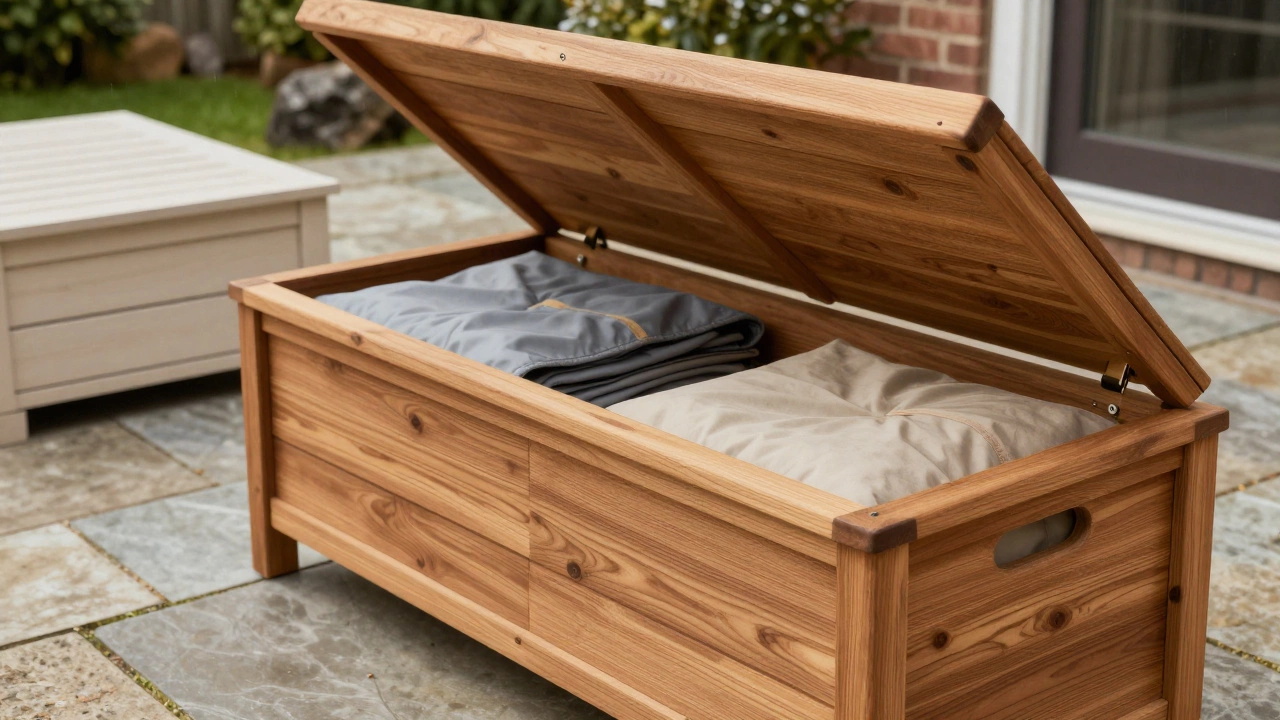
An outdoor storage bench is a dual-purpose piece of garden furniture that provides seating and hidden compartment for cushions and accessories is a stylish way to hide cushions away. These benches are designed to withstand the elements, often made from teak, aluminum, or resin wicker. They keep cushions off the ground and shielded from direct rain. Just make sure the lid seals tightly to keep water out.
3. Deck Boxes
Similar to storage benches, deck boxes are low-profile containers that fit neatly under tables or along deck edges. Choose one with a hinged lid that lifts easily. Many modern deck boxes feature drainage holes at the bottom to prevent any accidental water accumulation from pooling inside.

Materials Matter: What Are Your Cushions Made Of?
Not all cushions are created equal. Understanding the material helps you decide how urgently you need to move them and how much protection they require.
- Solution-Dyed Acrylic: Brands like Sunbrella use this fabric. It’s highly resistant to fading, mold, and mildew. While it can handle some rain, prolonged exposure will still degrade the stitching and foam. It’s durable, but not invincible.
- Polyester with PU Coating: Common in mid-range outdoor furniture. The coating repels water initially, but it wears off over time. Once the coating fails, the fabric absorbs water quickly. These need faster storage.
- Mesh or Canvas: These breathe well but absorb water rapidly. They take longer to dry and are more prone to mildew. Always store these indoors after rain.
The foam core is also critical. Standard polyurethane foam breaks down when wet. Look for cushions with reticulated foam or quick-dry foam cores if you live in a rainy climate. These materials allow water to pass through and evaporate faster, reducing drying time significantly.
Preventative Measures for Long-Term Care
Storing cushions correctly is only half the battle. Regular maintenance ensures they last for years, not just seasons.
Use Cushion Clips or Ties
Wind can blow cushions off chairs and into puddles or gardens. Using simple clips or ties keeps them securely attached to the furniture frame. This makes it easier to pull the whole set under a cover or into storage without chasing individual pillows.
Clean Before Storing
Dirt and organic matter hold moisture. Before putting cushions away for an extended period, clean them according to the manufacturer’s instructions. A mix of mild detergent and water usually suffices. Rinse thoroughly and let them dry completely. Storing dirty cushions traps odors and accelerates fabric breakdown.
Rotate and Flip
If you’re storing cushions for winter or long dry spells, rotate them occasionally. This prevents uneven compression and ensures that any residual moisture doesn’t settle in one spot. It also helps maintain the integrity of the foam.
Common Mistakes to Avoid
Even with the best intentions, small errors can lead to big problems. Here’s what to steer clear of.
- Using Plastic Bags: As mentioned, plastic traps moisture. If you must use plastic for transport, leave it open or cut slits for airflow.
- Stacking Too High: Heavy stacks crush the foam, making cushions flat and uncomfortable. Limit stacks to two or three layers.
- Ignoring Seams: Check the stitching regularly. Frayed seams let water penetrate the foam core, which is nearly impossible to dry out completely once soaked.
- Leaving Them in Direct Sunlight While Covered: Dark-colored covers can heat up significantly in the sun, cooking the moisture trapped underneath. Choose light-colored covers or ensure ventilation.
Conclusion: Build a Routine
Protecting your patio cushions doesn’t have to be a hassle. By identifying a few designated storage spots-whether indoor closets or outdoor benches-and establishing a quick routine for checking the weather, you can keep your outdoor furniture looking new. Remember, the goal is to keep them dry, ventilated, and protected from UV damage. With a little planning, you’ll spend less time worrying about rain and more time enjoying your outdoor space.
Can I leave patio cushions outside overnight if it’s just drizzling?
It depends on the material. Solution-dyed acrylic fabrics can handle light drizzle, but it’s risky. If the forecast calls for more rain or high humidity, it’s safer to bring them in. Prolonged dampness, even from light rain, encourages mold growth on the foam core.
How do I remove mildew from patio cushions?
Mix one cup of white vinegar with one gallon of warm water. Scrub the affected areas with a soft brush, then rinse thoroughly. For stubborn stains, add a quarter cup of bleach to the solution, but test a small, hidden area first to ensure colorfastness. Let the cushions dry completely in direct sunlight before storing.
Are waterproof covers breathable?
High-quality waterproof covers are designed to be breathable. They have micro-pores that allow water vapor to escape while blocking liquid rain. Cheap, non-breathable covers trap condensation, which can lead to mold. Look for terms like "breathable membrane" or "ventilated design" when shopping.
What is the best type of foam for outdoor cushions in rainy climates?
Reticulated foam or quick-dry foam is best. Unlike standard solid foam, reticulated foam has an open-cell structure that allows water to drain through and air to circulate, speeding up the drying process. This reduces the risk of mold and odor buildup.
Can I wash my patio cushions in a washing machine?
Only if the manufacturer explicitly states it’s safe. Most outdoor cushions have large foam cores that can be damaged by agitation and spin cycles. Hand washing with mild soap and water is generally safer and extends the life of the fabric and foam.