The Evolution of the Kitchen Table: Do We Still Need Them in 2026?
Kitchen Dining Space Planner
Your Lifestyle Profile
Recommended Setup
Analyzing...Select your preferences to see the ideal setup for your home.
The Great Shift from Formal to Flexible
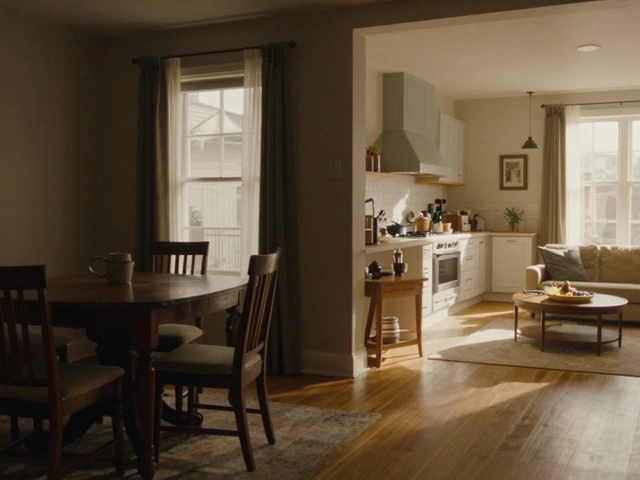
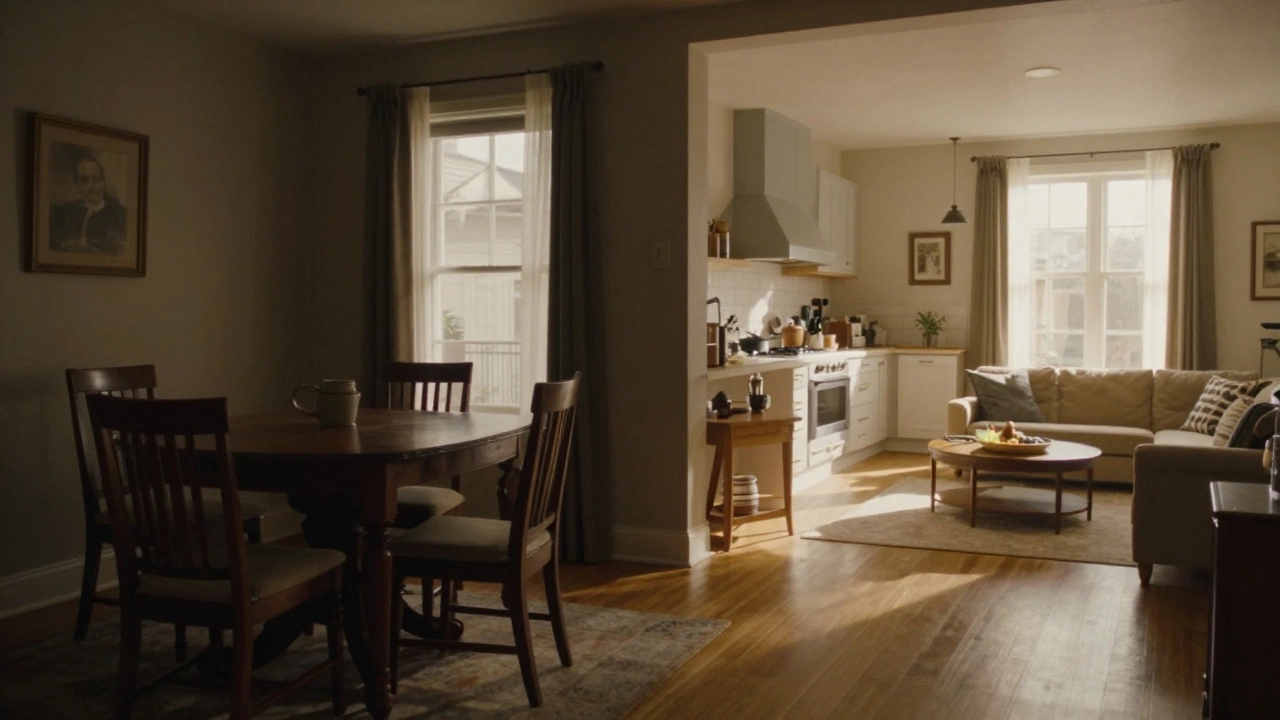
For decades, the dining room was a sacred space. You had the Dining Room Table, a piece of furniture designed for ritual and ceremony. Today, that rigidity is gone. We've traded formal etiquette for efficiency. Most modern families have moved toward an open-concept layout where the kitchen flows directly into the living area. This shift happened because we stopped treating meals as a formal event and started treating them as a social hub.
The kitchen table trends of 2026 show a clear preference for "multifunctional zones." Instead of one giant table, people are opting for smaller, more agile setups. Why? Because we don't just eat at the table anymore. We pay bills, help kids with geometry homework, and occasionally scroll through social media while eating toast. The table is no longer just for food; it's the headquarters of the home.
The Rise of the Kitchen Island and Breakfast Bar
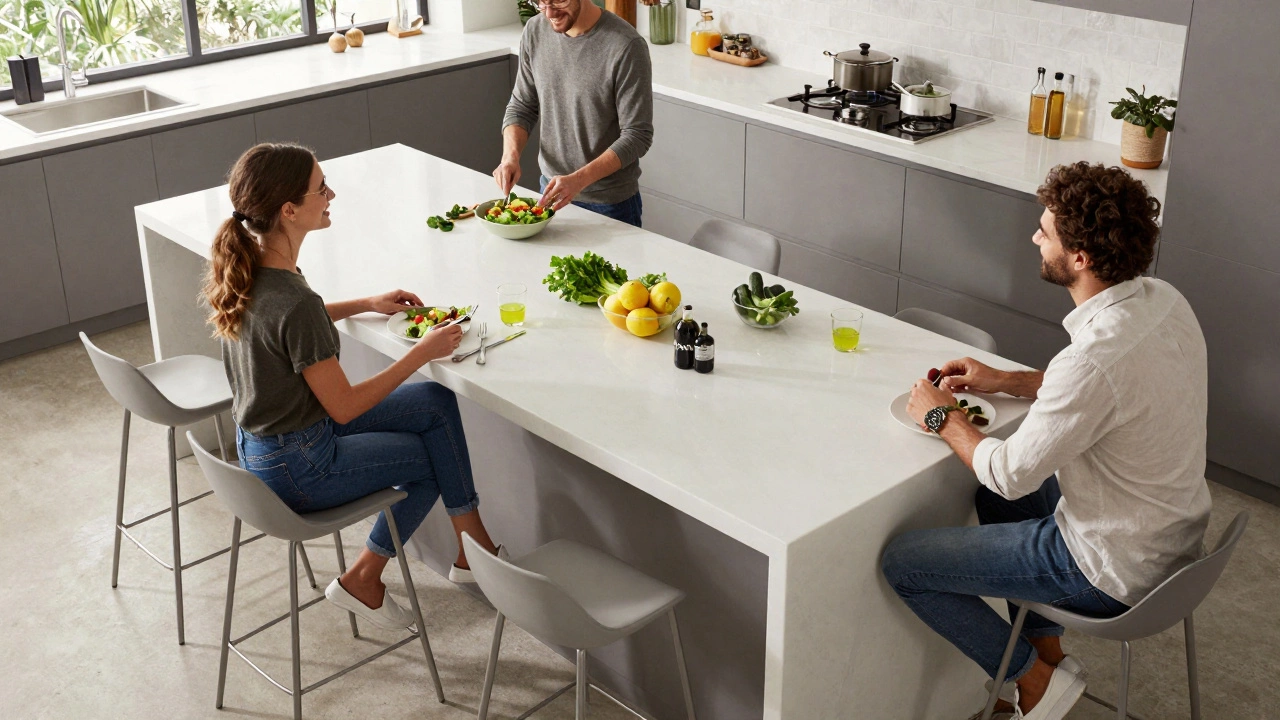
If you look at new home constructions, the Kitchen Island has effectively swallowed the traditional table. An island provides a massive surface for prep work and a place for people to lean in and chat with the cook. In many urban apartments, the "breakfast bar"-a narrow counter with a few stools-has completely replaced the table.
This isn't just about saving space; it's about the psychology of the room. Standing or sitting on a high stool creates a more casual vibe. It removes the barrier between the person preparing the meal and the guests. When you're around an island, the conversation flows better because no one is trapped in a formal chair facing one direction. It turns the kitchen into a social theater rather than a utility room.
| Feature | Traditional Kitchen Table | Modern Kitchen Island |
|---|---|---|
| Primary Use | Formal meals, long conversations | Quick bites, food prep, social hanging |
| Space Requirement | Requires dedicated floor area | Integrated into kitchen workflow |
| Flexibility | Static position | Often serves as a workspace and dining area |
| Vibe | Structured and ceremonial | Casual and energetic |
The Return of the "Nook" and Small-Scale Dining
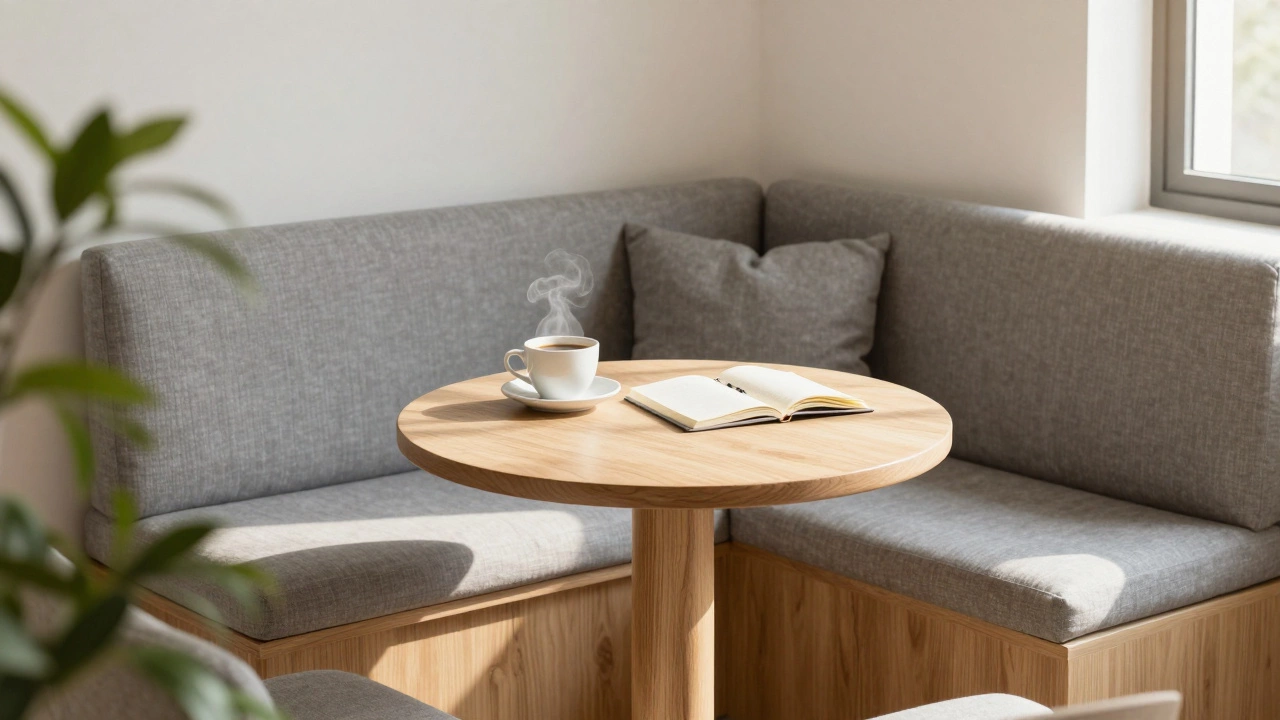
Interestingly, while the giant formal table is fading, we are seeing a resurgence of the Breakfast Nook. People are craving intimacy. A small, circular table tucked into a corner with a built-in bench (banquette seating) offers something an island cannot: a sense of enclosure and coziness.
This trend is driven by the need for a "quiet zone." In a house full of screens and noise, a small table becomes a sanctuary for a morning coffee or a one-on-one heart-to-heart. It's a psychological anchor. We've realized that while the island is great for parties, the nook is better for relationships. It proves that we still value the act of sitting across from someone, even if we don't need a 10-seat table to do it.
Remote Work and the Table's New Identity
We can't talk about furniture in 2026 without mentioning the impact of Remote Work. For millions, the kitchen table became the primary office during the early 2020s. This permanently changed how we buy furniture. We now look for tables with "work-friendly" attributes: smoother surfaces, proximity to power outlets, and ergonomic heights.
The table has evolved into a hybrid tool. Many people are now investing in Extendable Tables. These allow a family to keep a small, manageable footprint for daily laptop work and quick dinners, but expand the surface area when the extended family visits. It's a response to the volatility of modern life-we want our furniture to adapt to our schedule, not the other way around.
Material Choices: From Heavy Oak to Sustainable Composites
The materials we use for our dining surfaces have shifted as much as the shapes. Heavy, dark-stained woods that required coasters and polishing are being replaced by Quartz, sintered stone, and recycled plastics. These materials reflect a move toward low-maintenance living.
Why the change? Because the kitchen table is now a high-traffic zone. It's where the toddler spills apple juice and the teenager does chemistry homework. We want surfaces that can take a beating without scarring. The aesthetic has shifted from "look but don't touch" to "use it for everything." Sustainable materials are also a huge driver, with many homeowners choosing FSC-certified woods or reclaimed materials to align with environmental values.
Do We Still Need a Dedicated Dining Room?
The short answer is: maybe, but not for the reasons your grandparents did. The dedicated dining room is no longer about status or tradition. Instead, it's becoming a "flex room." Some people use it as a library that happens to have a table, while others use it as a formal guest space.
However, the reality is that the center of gravity has shifted. The kitchen is the heart of the home, and the table-in whatever form it takes-is the altar. Whether it's a marble-topped island, a foldable bistro set, or a cozy corner nook, the need for a flat surface where people can gather remains constant. We haven't stopped using kitchen tables; we've just stopped letting the tables dictate how we live.
Is a kitchen island a total replacement for a dining table?
For some, yes. Many small households use an island as their primary eating spot. However, islands lack the ergonomic comfort of a standard table for long meals. While great for quick breakfasts or appetizers, they can be tiring for a three-course dinner. Most people find a combination of an island for utility and a smaller table for comfort works best.
What is the best table shape for a small kitchen?
Round tables are generally best for small spaces because they lack sharp corners and allow for better movement flow around the room. They also make conversation feel more inclusive. If you have a very narrow space, a rectangular "narrow' table or a wall-mounted drop-leaf table is a better bet to keep the walkways clear.
Are formal dining rooms becoming obsolete?
They aren't obsolete, but their purpose has changed. Very few people use them daily. Instead, they are being repurposed as home offices, music rooms, or "occasional" dining spaces for holidays. The trend is toward integrating dining into the living area rather than isolating it in a separate room.
What materials are most durable for a multipurpose kitchen table?
Quartz and sintered stone are incredibly durable and resistant to stains and scratches. For wood lovers, hardwoods like white oak or maple with a high-quality polyurethane finish offer a good balance of beauty and resilience. Avoid softwoods or unsealed natural stone (like marble) if the table will be used for kids' homework or heavy daily use.
How do I choose between a breakfast bar and a dining table?
Consider your lifestyle. If you eat most meals on the go or prefer a social, "perching" atmosphere, a breakfast bar is ideal. If you value sit-down family meals, enjoy long dinners with friends, or need a comfortable spot for focused work, a proper dining table is essential. Many modern homes successfully use both-the bar for morning coffee and the table for evening meals.
What to Consider When Choosing Your Setup
If you're deciding whether to ditch your table for an island or add a nook to your kitchen, ask yourself a few practical questions. First, how many people actually sit down at once? If it's just two people 90% of the time, a massive table is just a dust collector. Second, what happens during "peak hour"? If the kitchen becomes a traffic jam during breakfast, a fixed table might be the problem; a mobile or foldable option could be the cure.
Don't forget about the "landing zone" effect. We often use tables to drop keys, mail, and bags. If you remove the table, make sure your island or counters have enough room to absorb that clutter, or you'll find your living room surfaces suddenly becoming the new dumping ground.