How to Get Rid of Old Age Aches and Pains with Recliners

Recliner Pain Relief Suitability Quiz
Answer these questions to determine which type of seating support will best alleviate your specific discomforts.
Your Personalized Seating Profile
You wake up stiff. Your knees click when you stand. The lower back feels like it’s been carrying bricks all night. If you’re over 50, you probably know this feeling well. We often blame age for these aches, but sometimes the culprit is closer than we think: your chair. Specifically, sitting in a bad one for hours on end. Here’s the good news. You don’t need surgery or expensive pills to fix most daily discomfort. You might just need to change how you sit. Recliner chairs are not just luxury furniture anymore; they are becoming essential tools for managing chronic pain and improving mobility.
| Issue | Standard Chair Impact | Recliner Benefit |
|---|---|---|
| Lumbar Support | Often flat or unsupported, causing slouching. | Contoured backrests maintain natural spine curve. |
| Circulation | Seat edge cuts off blood flow behind knees. | Elevated legs reduce swelling and improve flow. |
| Joint Stress | Hard surfaces press into hips and tailbone. | High-density foam distributes weight evenly. |
| Mobility | Standing up requires significant knee/hip force. | Lift mechanisms assist rising without strain. |
The Science Behind Sitting Pain
Let’s get real about what happens when you sit poorly. When you slump into a soft sofa, your pelvis tilts backward. This flattens the natural curve of your lower back. Over time, this puts pressure on the intervertebral discs. It’s like squeezing a wet sponge from the wrong side. The result? Inflammation and nerve irritation. That sharp pain you feel after an hour of watching TV isn’t random. It’s mechanical failure caused by poor posture support. Many older adults suffer from osteoarthritis or degenerative disc disease. These conditions make joints sensitive to pressure. A standard dining chair forces your feet to dangle if you’re shorter, pulling on your hamstrings. Or it pushes your knees higher than your hips, twisting the pelvis. Both scenarios aggravate existing pain. The goal isn’t just to be comfortable; it’s to align your skeletal structure so muscles can relax instead of fighting gravity.
Why Recliners Are Different
A power recliner is a motorized seat that adjusts backrest angle and footrest height independently. Unlike manual models, power versions allow precise positioning without physical effort. This matters because reaching for a lever or pushing down on a footrest can strain arthritic hands or weak shoulders. With a simple button press, you shift from upright to zero-gravity position.
Zero gravity is a term borrowed from NASA. Astronauts use it during launch to distribute body weight evenly. When you mimic this position in a recliner, your heart works less hard to pump blood. Your legs rise above your heart level. This reduces edema (swelling) in ankles and feet, a common complaint among seniors. It also takes the load off your lumbar spine. Think of it as unloading a heavy backpack you’ve worn all day. Your muscles finally get a break.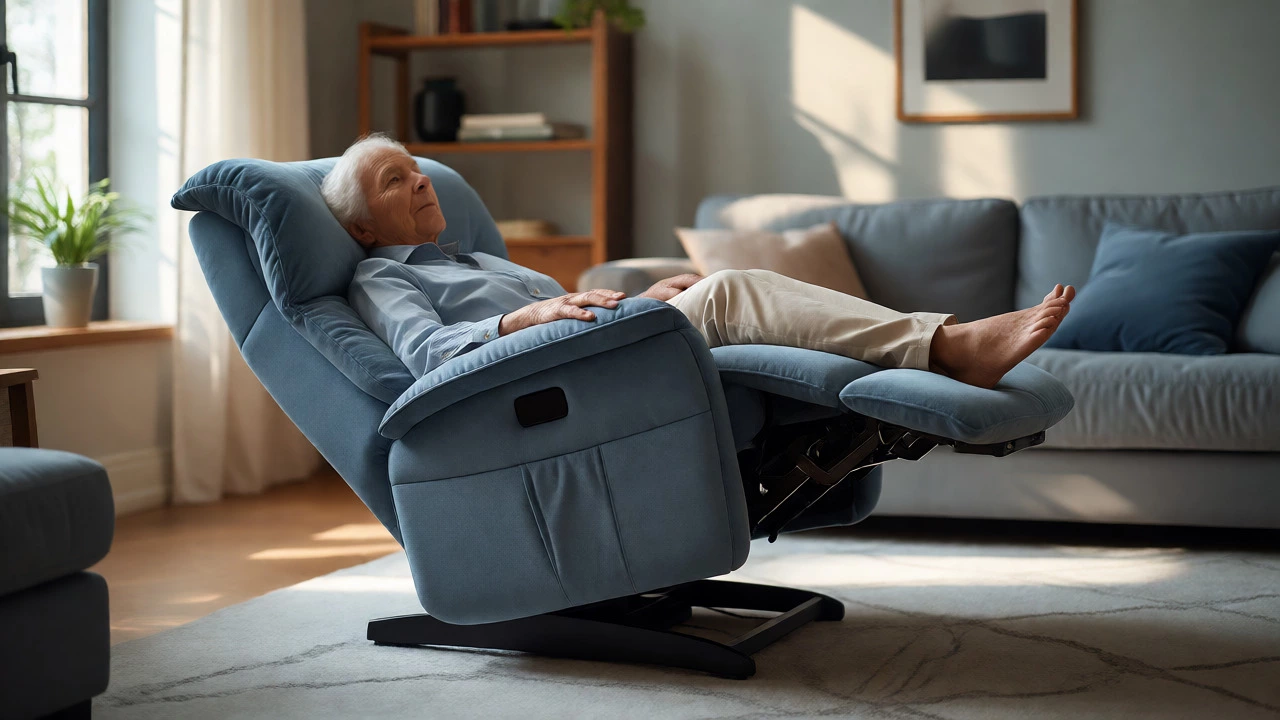
Key Features That Actually Reduce Pain
Not all recliners are created equal. Some are just bulky boxes with motors. To actually help with aches, look for specific engineering features. First, check the lumbar support. It should be adjustable or built with high-resilience foam that contours to your lower back. Static support fails if your posture changes throughout the day. Second, consider the seat depth. Too deep, and your back doesn’t touch the cushion. Too shallow, and your thighs aren’t supported, increasing pressure on your buttocks. Ideally, there should be two to three fingers of space between the seat edge and the back of your knees. This prevents compression of the popliteal artery, which affects circulation. Third, look at the armrests. They shouldn’t be too wide or too narrow. Wide armrests prevent you from leaning forward comfortably. Narrow ones dig into your elbows. Properly positioned arms allow you to push yourself up using your triceps, sparing your knees and hips.
The Rise of Lift Chairs
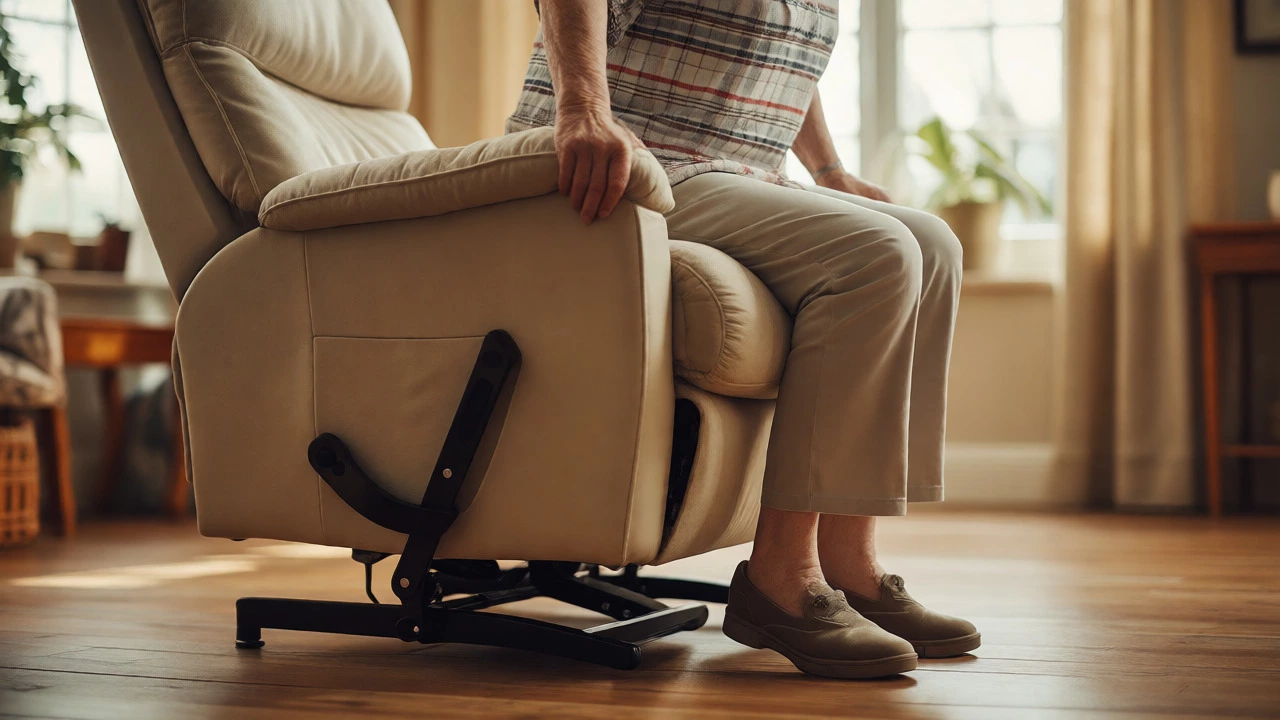
If standing up is painful, a lift chair might be the answer. Also known as geriatric chairs, these devices tilt the entire seat forward and upward to assist users in standing. They aren’t just for people who can’t walk. Many active seniors use them to protect their joints from repetitive stress. Imagine getting out of a low, soft couch. You have to twist, heave, and engage core muscles you didn’t know you had. Do that ten times a day, and you’re wearing down your hip sockets. A lift chair does the work for you. The mechanism slowly raises you to a standing position. No jerking. No straining. Just smooth, assisted movement. For those with rheumatoid arthritis or recent hip replacements, this feature is non-negotiable.
Choosing the Right Material
Fabric choice sounds trivial until you sweat through it in July or stick to it in January. Leather looks great but can become sticky in humid climates like Auckland’s summer. It also cools quickly, which might bother someone with poor circulation. Microfiber or breathable polyester blends offer better temperature regulation. They wick moisture away and stay neutral against the skin. Durability matters too. Older adults often move more slowly and may drag themselves slightly when shifting positions. Cheap vinyl cracks within a year. High-quality bonded leather or heavy-duty fabric withstands friction. Check the stitching. Double-stitched seams last longer under constant tension. Remember, replacing a broken recliner costs hundreds. Buying quality upfront saves money and hassle later.
Beyond the Chair: Lifestyle Tweaks
A recliner helps, but it won’t cure everything. Movement is still medicine. Sitting for four hours straight, even in the perfect chair, stiffens joints. Set a timer. Every 45 minutes, stand up. Walk to the kitchen. Stretch your neck. Use the recliner as a base camp, not a bunker. Hydration plays a role too. Spinal discs contain mostly water. Dehydration makes them shrink, reducing shock absorption. Drink water regularly. Pair this with gentle stretching before bed. Try lying on your back with knees bent. Roll your pelvis gently to massage the lower back. Then settle into your recliner for reading or TV. This routine prepares your body for restful sitting.
Do recliners cause back pain?
No, proper recliners alleviate back pain. Poorly designed ones can worsen it. Look for adjustable lumbar support and firm foam. Avoid chairs that are too soft, as they lack structural support for the spine.
Is a power recliner worth the cost?
For those with limited mobility or joint pain, yes. Power mechanisms eliminate the need to manually adjust levers, reducing strain on hands and shoulders. The convenience often leads to more frequent use, maximizing health benefits.
Can sleeping in a recliner help sleep apnea?
Yes. Sleeping in a slightly elevated position keeps airways open. Many modern recliners offer near-flat settings suitable for napping. This reduces snoring and improves oxygen intake compared to lying flat on a mattress.
What size recliner fits small apartments?
Look for "wall-hugger" models. These slide forward as they recline, requiring only inches of clearance behind them. Measure your space carefully, including doorways, to ensure delivery is possible.
How long do recliner motors last?
Quality motors typically last 10-15 years with regular use. Brands like La-Z-Boy or Flexsteel offer warranties covering mechanical parts. Regular maintenance, such as keeping debris out of tracks, extends lifespan significantly.