Small Bathroom Remodel Budget: What’s Reasonable in 2026?
Small Bathroom Remodel Budget Estimator
Enter details and click Calculate to see your estimated range.
Why This Estimate?
- Labor is King: Labor accounts for 50-60% of professional projects. Moving pipes adds significant cost.
- Hidden Costs: Always add a 10-15% contingency for hidden water damage or outdated wiring.
- Savings Tip: Keeping the existing layout (not moving drains/toilets) is the single biggest money saver.
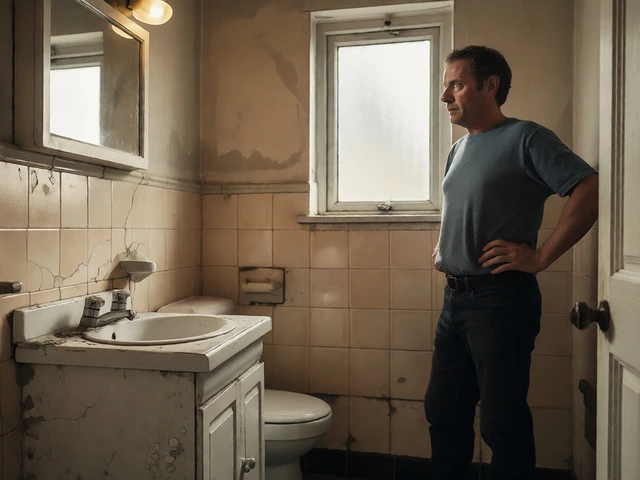
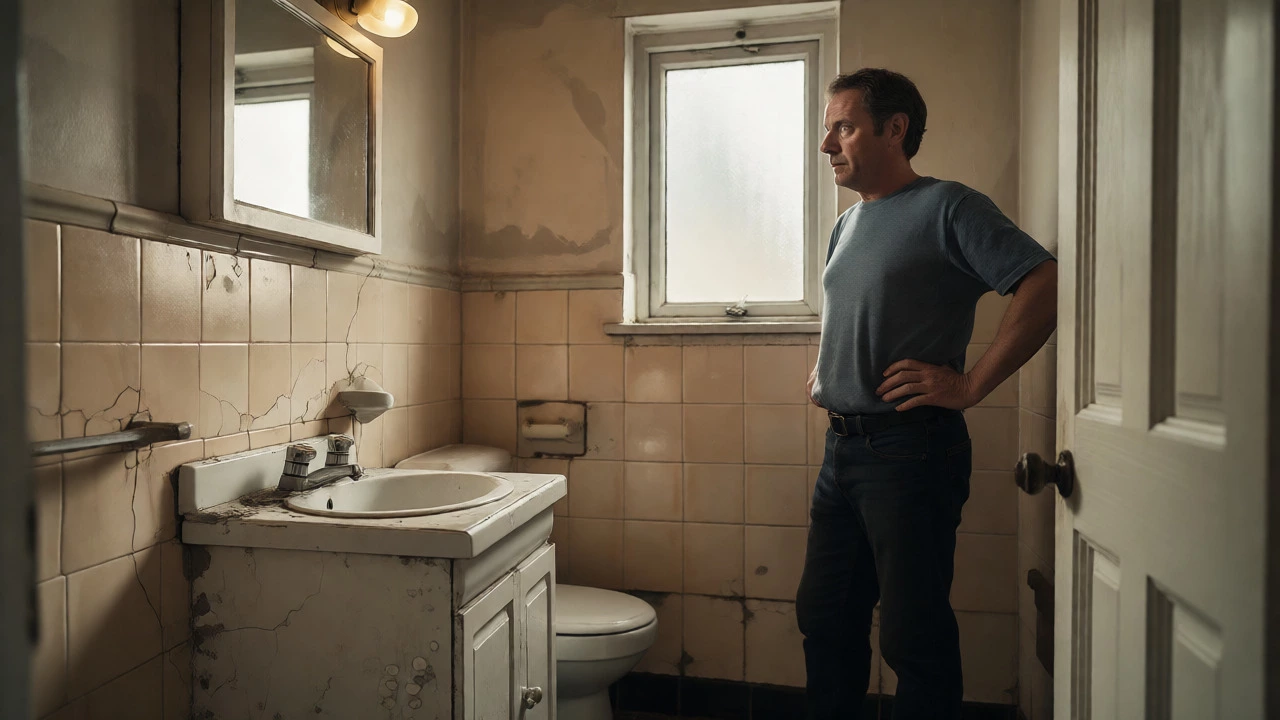
You walk into your tiny bathroom, stare at the cracked tile or the dated vanity, and wonder: how much is this going to hurt my wallet? It’s a common panic. But here’s the truth: a small bathroom remodel doesn’t have to break the bank if you know where the money actually goes. Most homeowners underestimate the labor costs and overestimate the savings from DIY-ing complex plumbing tasks. In 2026, with material prices stabilizing but labor rates climbing, setting a realistic budget is less about guessing and more about understanding the tiers of renovation.
Before you start picking out faucets, you need to know what "reasonable" means for your specific situation. Are you swapping fixtures, or are you moving pipes? The difference between a $3,000 refresh and a $15,000 gut job is usually hidden behind the walls. Let’s break down exactly what you should expect to pay, why, and where you can save without cutting corners that lead to expensive repairs later.
The Three Tiers of Small Bathroom Costs
Budgets aren’t one-size-fits-all. They depend entirely on the scope of work. Industry data suggests three distinct levels of spending for bathrooms under 40 square feet. Knowing which tier you fall into prevents sticker shock.
| Remodel Level | Cost Range | Typical Scope of Work |
|---|---|---|
| Cosmetic Refresh | $2,500 - $5,000 | Painting, replacing vanity/faucet, new mirror, lighting, regrouting tiles. No layout changes. |
| Mid-Range Update | $8,000 - $15,000 | New flooring, partial tiling, new tub/shower surround, standard fixture upgrades, minor electrical updates. |
| Full Gut & Redesign | $18,000 - $30,000+ | Moving plumbing/drain lines, full tile replacement, custom shower pan, high-end fixtures, structural changes. |
If you’re just tired of the look, stick to the cosmetic tier. You can change the entire vibe of a room by painting cabinets, updating hardware, and installing modern LED lighting. This is the highest ROI move for renters or those planning to sell soon. However, if your grout is black with mold or your subfloor feels spongy, you’re likely entering mid-range territory because moisture damage needs fixing, not just covering.
Where Does the Money Actually Go?
It’s easy to obsess over the price of a fancy gold faucet, but materials are often only half the battle. Labor typically accounts for 50% to 60% of any professional bathroom project. Why so high? Because bathroom work involves multiple specialized tradespeople working in tight quarters.
Here’s a typical breakdown for a mid-range remodel:
- Labor (50-60%): Demolition, tile installation, plumbing rough-in, electrical wiring, drywall finishing.
- Fixtures & Hardware (20-25%): Toilet, sink, faucet, showerhead, towel bars, vanity.
- Materials (15-20%): Tile, thinset mortar, grout, waterproofing membranes, paint, primer.
- Permits & Fees (5%): Local building department charges for plumbing/electrical permits.
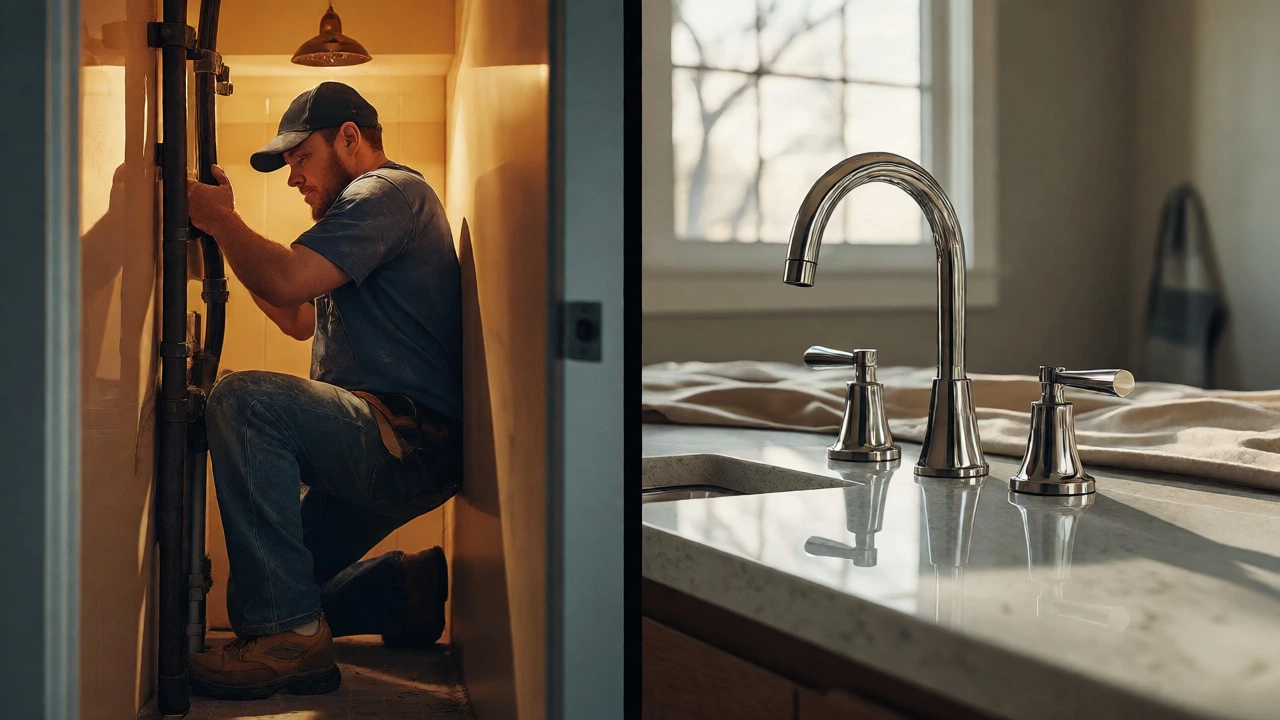
Notice that the flashy stuff-the marble countertop, the smart toilet-is a smaller slice than the invisible work. A plumber charging $150 per hour isn’t ripping you off; they’re navigating code requirements that prevent leaks and backups. If you try to save money by skipping a licensed plumber for a simple drain swap, you might end up paying double when the wrong pipe thread strips and floods your hallway.
DIY vs. Hiring Pros: The Hidden Risks
Can you do it yourself? Yes, for some things. Can you do it all yourself? Probably not, unless you have experience with wet areas. The biggest mistake homeowners make is assuming bathroom renovations are like painting a bedroom. Water is unforgiving.
Consider these tasks safe for confident DIYers:
- Installing a new vanity cabinet (if plumbing connections are straightforward).
- Painting walls and ceilings.
- Replacing light fixtures (after turning off power).
- Swapping out a pre-drilled sink faucet.
Leave these to the pros:
- Tiling floors and showers. Improper slope leads to standing water and mold.
- Any plumbing beyond a simple fixture swap.
- Electrical rewiring in wet zones (code requires GFCI protection).
- Waterproofing membranes (like Schluter-Kerdi or RedGard) before tiling.
A failed waterproofing job can cost $5,000+ to fix later because you have to rip everything out again. Paying a pro $1,500 to install a proper shower pan now saves you thousands in potential water damage claims.
How to Cut Costs Without Regretting It
You don’t need to spend $25,000 to get a beautiful bathroom. Smart choices keep budgets reasonable. Here’s how savvy homeowners stretch their dollars.
Keep the Layout: Moving the toilet or shower drain requires breaking concrete (in slab foundations) or rerouting joists (in wood frames). Each move can add $1,000-$3,000 in labor and materials. Keeping existing plumbing locations is the single biggest budget saver.
Choose LVP Over Tile: Luxury Vinyl Plank (LVP) looks like wood or stone, is 100% waterproof, and installs quickly with click-lock mechanisms. It costs significantly less than ceramic tile once you factor in labor. Tile takes days to lay, cure, and grout. LVP takes hours.
Refinish Instead of Replace: If your bathtub is structurally sound but ugly, reglazing costs $400-$600 versus $1,200+ for a new acrylic tub plus disposal fees. Just ensure the contractor uses industrial-grade epoxy, not cheap spray paint.
Shop Secondhand: Habitat for Humanity ReStores and local salvage yards often have unused fixtures, vanities, and even tile boxes at 50-70% off retail. You might find a high-end Kohler faucet for $80 instead of $250.
Common Budget Killers to Watch For
Even with a solid plan, surprises happen. Here are the top three reasons small bathroom budgets blow up:
- Hidden Water Damage: Once you peel back old vinyl flooring, you might find rotted subfloor. Repairing this adds material and carpentry labor. Always budget a 10-15% contingency fund for this exact scenario.
- Outdated Wiring: Older homes may lack GFCI outlets or have aluminum wiring that needs special connectors. An electrician visit can add $500-$1,000 unexpectedly.
- Ventilation Issues: If your current fan is weak or vents into the attic (not outside), you’ll need a new duct run through the roof or wall. This requires framing and roofing patches, adding another $300-$800.
Ask your contractor to inspect these areas before signing a contract. A quick look under the sink and in the attic can reveal problems early.
Sample Budget Breakdown: The ,000 Sweet Spot
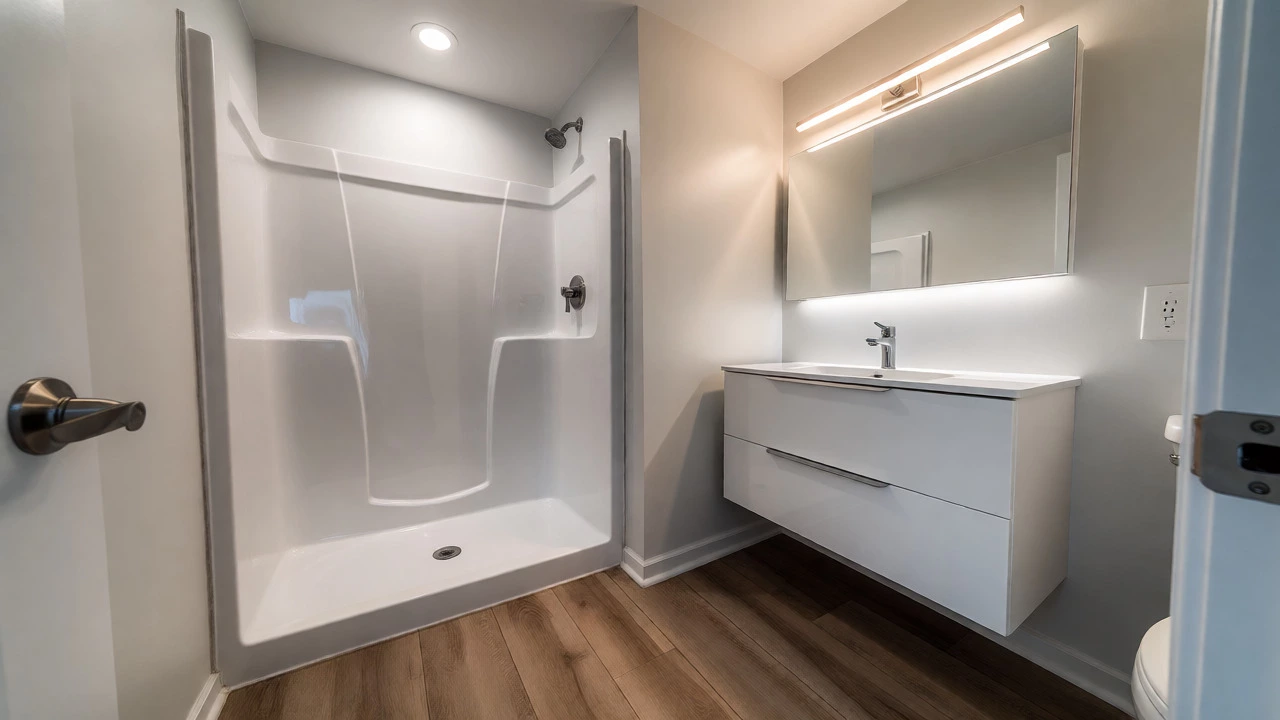
For most suburban homes, a $10,000 budget allows for a respectable, durable upgrade without luxury frills. Here’s how that money might look in practice:
- Demolition & Prep ($800): Removing old fixtures, disposing of debris, patching walls.
- Flooring ($1,200): High-quality LVP or large-format porcelain tile installed professionally.
- Shower/Tub Area ($2,500): New prefabricated shower surround or tiled alcove with waterproof backing.
- Vanity & Sink ($1,500): Mid-range cabinet from Home Depot/Lowe’s with quartz top and modern faucet.
- Toilet ($400): Efficient dual-flush model.
- Lighting & Electrical ($600): New LED vanity lights, updated switch, GFCI outlet check.
- Paint & Trim ($300): Moisture-resistant paint and baseboards.
- Labor Contingency ($2,700): Buffer for unexpected repairs or higher-than-estimated labor hours.
This budget assumes you’re keeping the layout and doing no major structural changes. It’s realistic for a 5x8 foot bathroom using standard, off-the-shelf components.
Final Thoughts: Start With Your Must-Haves
A reasonable budget depends on your home’s value and your personal tolerance for discomfort. Don’t overspend on a bathroom if you plan to sell in two years-stick to neutral, clean updates. If you’re staying long-term, invest in better ventilation and durable surfaces that reduce maintenance headaches.
Get three quotes from licensed contractors. Compare them line-by-line, not just the bottom number. One quote might seem cheaper but excludes permit fees or disposal costs. Clarify what’s included before signing. And always, always keep that 15% emergency fund untouched until the very end. You’ll thank yourself when the old pipes decide to leak during demolition.
What is the average cost to remodel a small bathroom in 2026?
The national average for a small bathroom remodel ranges from $8,000 to $15,000 for a mid-range update. Cosmetic refreshes can be done for under $5,000, while full gut renovations with layout changes often exceed $20,000 depending on regional labor rates and material choices.
Is it cheaper to tile or use vinyl plank flooring?
Luxury Vinyl Plank (LVP) is generally cheaper overall because it requires less labor time. While material costs can be similar, tile installation involves mortar, curing time, and grouting, which increases labor hours significantly. LVP clicks together quickly and is fully waterproof.
Do I need a permit for a bathroom remodel?
Most jurisdictions require permits for changes to plumbing or electrical systems. Simple fixture swaps (like changing a faucet) usually don’t need permits, but moving pipes, drains, or adding new circuits does. Check with your local building department to avoid fines.
How long does a small bathroom remodel take?
A professional crew typically completes a small bathroom remodel in 3 to 7 days. Cosmetic updates take 1-2 days, while a full gut with tile work and drying time for mortar/grout can take up to two weeks if delays occur.
What adds the most value to a small bathroom remodel?
Updating lighting, improving ventilation, and ensuring functional, clean plumbing fixtures add the most value. Neutral color schemes and durable materials appeal to future buyers. Avoid overly personalized designs like bright pink tiles or niche layouts.