Flooring Replacement Cost for 2000 Sq Ft: Materials, Labor & Hidden Fees
Flooring Replacement Cost Calculator (2000 Sq Ft)
Select Your Flooring Type
Installation & Labor
Additional Services
Estimated Total Cost
Based on 2,000 square feet
Cost Breakdown
Walking into a contractor’s office with a blank check is the fastest way to watch your savings vanish. You have 2000 square feet of worn-out flooring that needs replacing. The number on the invoice could range from $4,000 to over $30,000 depending on what you choose. That is a massive gap. Most homeowners get blindsided not by the material price, but by the hidden costs of demolition and subfloor repair.
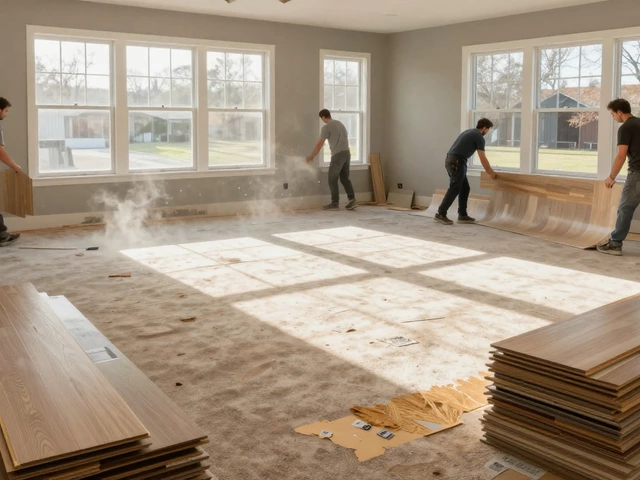
Replacing flooring in a space this size is a significant renovation project. It involves more than just unrolling new carpet or clicking down planks. You need to understand the full scope: removing the old stuff, prepping the ground beneath it, installing the new surface, and dealing with the furniture. This guide breaks down exactly where your money goes so you can budget accurately and avoid nasty surprises.
Key Takeaways
- The average total cost to replace 2000 sq ft of flooring ranges from $4,000 (budget laminate) to $30,000+ (premium hardwood).
- Labor typically accounts for 40-50% of the total project cost, including removal of old flooring.
- Subfloor repairs are the most common hidden cost; expect to pay $2-$4 per sq ft if leveling or patching is needed.
- Vinyl Plank Flooring (LVP) offers the best balance of durability and cost for high-traffic areas.
- Hardwood adds the most resale value but requires ongoing maintenance and has higher upfront costs.
Material Costs: The Foundation of Your Budget
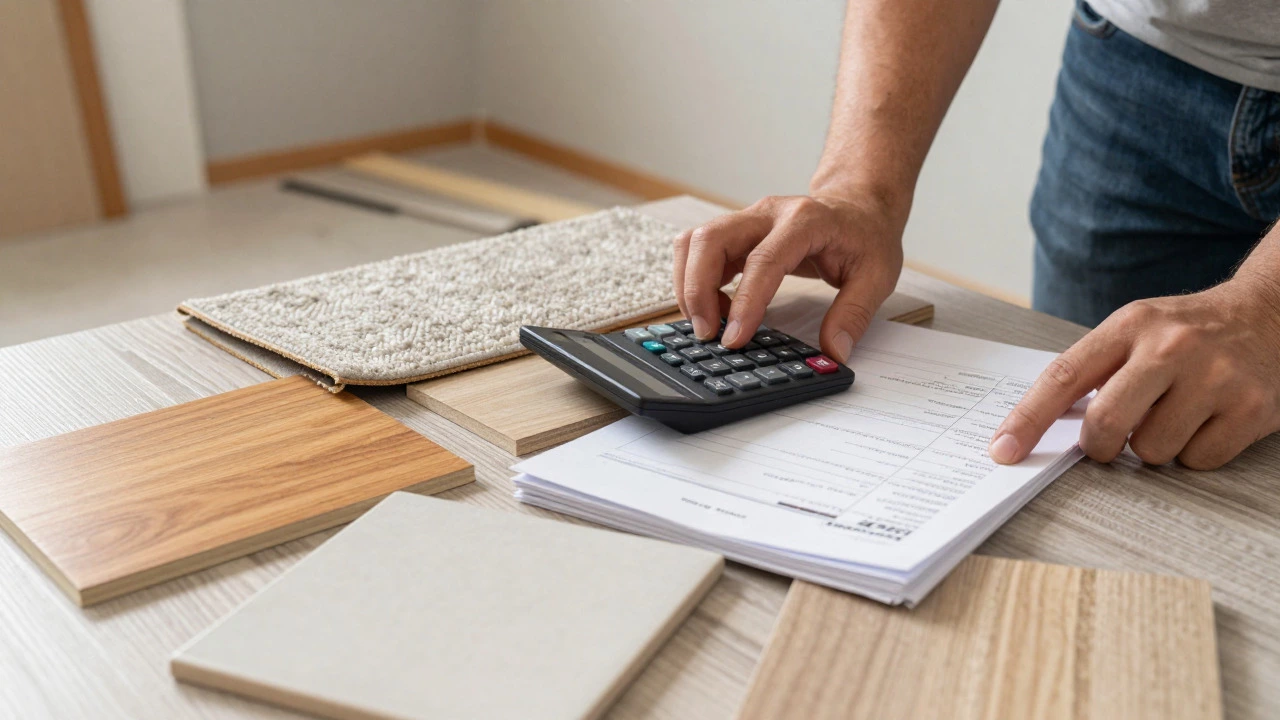
The type of flooring you select dictates the majority of your expense. For a 2000-square-foot home, small differences in price per square foot add up quickly. Let’s look at the realistic market prices for materials alone, excluding installation.
| Flooring Type | Price Range (Per Sq Ft) | Total Material Cost (2000 Sq Ft) | Best For |
|---|---|---|---|
| Laminate Flooring | $1.50 - $4.00 | $3,000 - $8,000 | Budget-conscious renovations, high traffic |
| Luxury Vinyl Plank (LVP) | $3.00 - $7.00 | $6,000 - $14,000 | Kitchens, bathrooms, moisture-prone areas |
| Engineered Hardwood | $5.00 - $9.00 | $10,000 - $18,000 | Basements, living rooms, resale value |
| Solid Hardwood | $8.00 - $12.00+ | $16,000 - $24,000+ | Long-term investment, traditional aesthetics |
| Carpet | $2.00 - $6.00 | $4,000 - $12,000 | Bedrooms, noise reduction, comfort |
| Ceramic/Porcelain Tile | $4.00 - $10.00 | $8,000 - $20,000 | Bathrooms, entryways, wet areas |
Notice how Luxury Vinyl Plank sits in the middle. It mimics the look of wood but resists water damage, making it a smart choice for open-plan homes where kitchens flow into living areas. If you are looking for pure affordability, Laminate Flooring is hard to beat, though it lacks the longevity of real wood or vinyl in damp environments.
Labor and Installation: Why It Costs More Than You Think
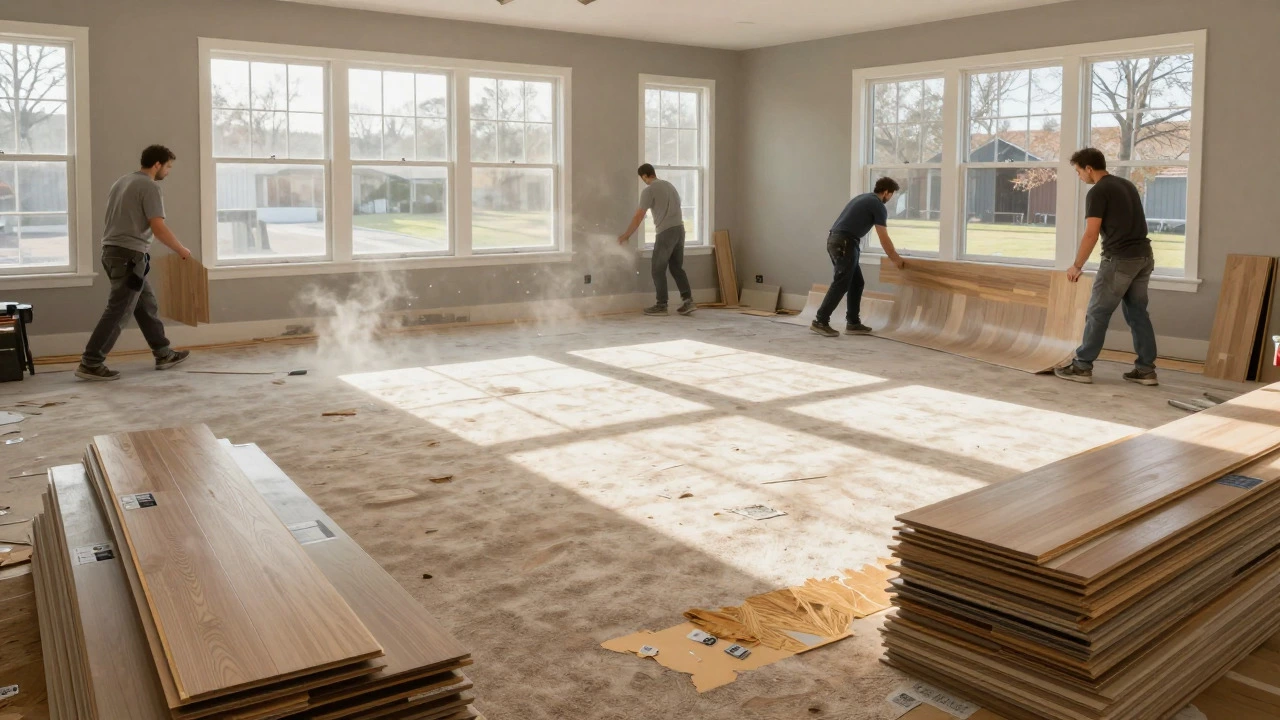
You might be tempted to DIY to save money. For 2000 square feet, that is a lot of cutting, measuring, and heavy lifting. Professional installation ensures proper acclimation, seamless transitions, and warranty validity. Labor costs vary by region and complexity, but here is the breakdown for a standard residential job.
- Removal and Disposal: Contractors charge $1.00 to $3.00 per square foot to rip out old flooring. This includes hauling away debris. If you have multiple layers (e.g., tile over wood), this cost increases.
- Installation: Installing floating floors like laminate or LVP costs $1.00 to $3.00 per square foot. Glued-down or nailed installations, such as hardwood or tile, run $3.00 to $6.00 per square foot due to the skill and time required.
- Transition Strips: Don’t forget the thresholds between rooms. These small metal or wood pieces cost $5 to $15 each plus installation fees.
For a 2000-square-foot home, expect to pay between $4,000 and $12,000 purely for labor. This covers the crew coming in, tearing out the old mess, and laying the new floor correctly. Cheap labor often leads to squeaky floors, visible gaps, or premature wear.
The Hidden Costs: Subfloor Prep and Furniture Moving
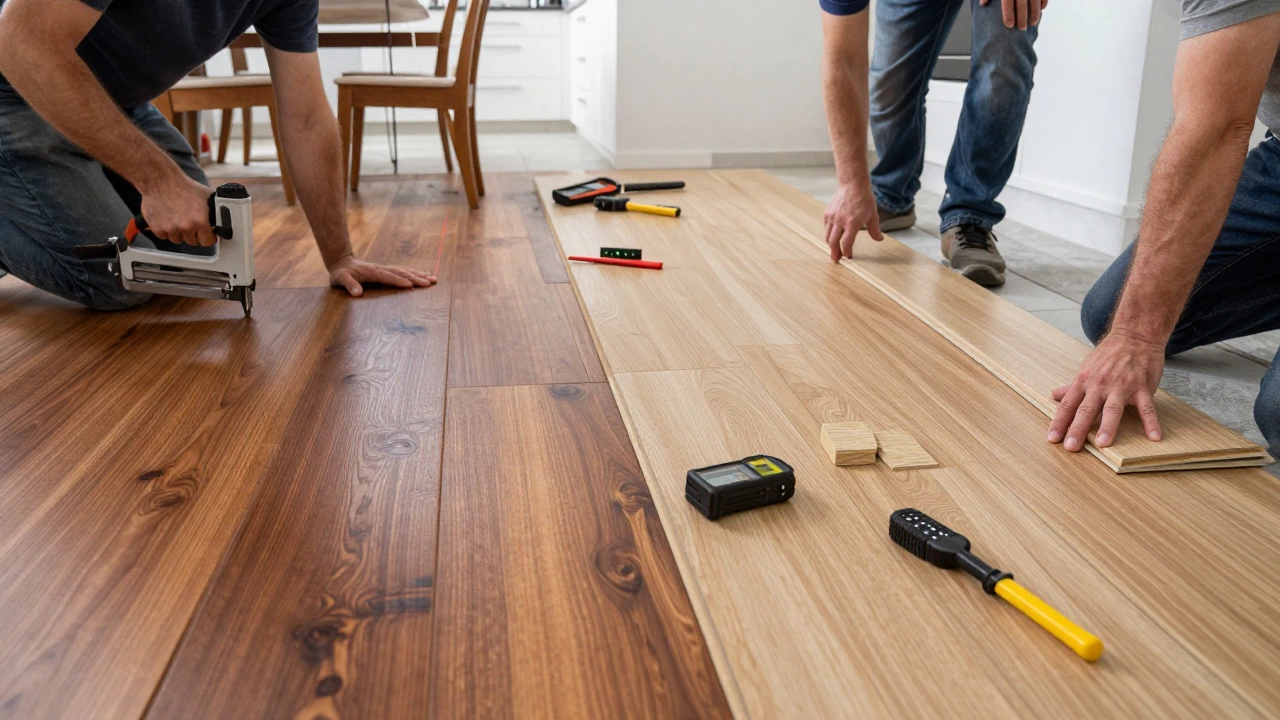
This is where most budgets break. Contractors will quote you for the new floor, but they rarely include extensive subfloor repair unless specified. When they pull up your old carpet or tile, the plywood underneath might be damaged, uneven, or covered in old adhesive.
Subfloor Preparation is critical. If the subfloor is not level, your new flooring will click, crack, or squeak. Common prep tasks include:
- Sanding High Spots: $0.50 to $1.50 per square foot.
- Patching Holes: Charged hourly or per hole, typically $50 to $100 per hour.
- Installing New Plywood: If the existing subfloor is rotted, you may need new underlayment, costing $1.00 to $2.00 per square foot.
Additionally, consider Furniture Moving. Do you want the contractors to move your heavy sofas, dining tables, and beds? Many crews offer this service for an extra fee, usually $100 to $300 for a whole house. If you do it yourself, ensure you have help and protective pads to avoid damaging your walls and doors.
Comparing Top Choices: Which Fits Your Lifestyle?
Choosing the right material isn't just about price; it's about how you live. Here is how the top contenders stack up for a 2000-square-foot home.
| Feature | Hardwood | Luxury Vinyl (LVP) | Laminate | Tile |
|---|---|---|---|---|
| Durability | High (can be refinished) | Very High (waterproof) | Moderate (prone to swelling) | Extremely High |
| Comfort | Warm, natural feel | Softer underfoot than tile | Hollow sound, less comfortable | Cold, hard surface |
| Resale Value | Excellent | Good | Fair | Good |
| Maintenance | Periodic refinishing | Easy cleaning | Low, but avoid excess water | Grout cleaning required |
| Noise Level | Can echo without rug | Quiet with good underlayment | Clicky if poorly installed | Very noisy |
If you have pets or young children, Luxury Vinyl Plank is often the winner. It withstands spills and scratches better than laminate and looks nearly identical to wood. If you plan to sell the house within five years, Hardwood Flooring remains the gold standard for buyer appeal, despite the higher initial cost.
DIY vs. Professional Installation: A Reality Check
For 2000 square feet, DIY is possible but risky. Floating floors like laminate and click-lock vinyl are designed for homeowner installation. However, mistakes in cutting around door frames, cabinets, and irregular walls can lead to wasted material and ugly gaps.
Professional installers bring tools like pneumatic nailers, moisture meters, and professional-grade cutters. They also handle the logistics of moving large boxes of flooring into your home. If you choose DIY, factor in the cost of renting equipment ($100-$200) and buying extra material for errors (typically 10% overage). For glued or nailed floors, hire a pro. The risk of voiding warranties or creating trip hazards is too high.
Timeline: How Long Will It Take?
A 2000-square-foot project is not a weekend job. Here is a realistic timeline:
- Material Acquisition: 1-3 weeks for delivery, especially for custom orders.
- Demolition: 1 day for a crew of two to remove old flooring and haul away debris.
- Subfloor Prep: 1-2 days for sanding, patching, and leveling.
- Installation: 2-4 days depending on the material complexity and room layout.
- Curing/Acclimation: Some adhesives require 24-48 hours before furniture can be moved back.
Expect the entire process to take 1 to 2 weeks from start to finish. Plan accordingly if you need to stay in the house during the renovation.
Money-Saving Tips Without Sacrificing Quality
You don’t have to spend $30,000 to get a beautiful floor. Here are practical ways to keep costs down:
- Buy Directly from Manufacturers: Skip the big-box markup. Many flooring suppliers offer bulk discounts for 2000+ square feet.
- Choose Standard Sizes: Custom widths or lengths cost more. Stick to standard plank dimensions.
- Remove Furniture Yourself: Save the $200+ moving fee by clearing rooms before the crew arrives.
- Reuse Transition Strips: If your existing thresholds are in good condition, ask the installer to reuse them.
- Bundle Services: If you are also painting or updating trim, negotiate a package deal with contractors.
Frequently Asked Questions
How much does it cost to replace 2000 square feet of hardwood flooring?
Replacing 2000 square feet of solid hardwood flooring typically costs between $16,000 and $24,000 for materials alone. With professional installation, removal of old flooring, and subfloor prep, the total project cost ranges from $25,000 to $35,000. Engineered hardwood is slightly cheaper, averaging $10,000 to $18,000 for materials.
Is Luxury Vinyl Plank (LVP) worth it for a whole house?
Yes, LVP is an excellent choice for whole-house renovations. It is waterproof, durable, and quieter than laminate. For 2000 square feet, expect to pay $6,000 to $14,000 for materials and $10,000 to $18,000 all-in with installation. It holds up well in high-traffic areas and is easy to maintain.
What is the cheapest flooring option for 2000 square feet?
The most affordable option is basic laminate flooring, which can cost as little as $1.50 per square foot for materials. For 2000 square feet, the material cost would be around $3,000. Including installation and removal, the total cost could be as low as $4,000 to $5,000. Carpet is another low-cost alternative, starting at $2.00 per square foot for materials.
Do I need to remove baseboards when replacing flooring?
It depends on the thickness of the new flooring. If the new floor is the same height as the old one, you can leave the baseboards in place. If the new floor is thicker, you may need to undercut the baseboards or remove and reinstall them. Contractors usually charge extra for baseboard removal and reinstallation, ranging from $1.50 to $3.00 per linear foot.
How long does it take to install flooring in a 2000 square foot home?
A professional crew can typically install 2000 square feet of floating flooring (like laminate or LVP) in 2 to 3 days. Hardwood or tile installation takes longer, usually 4 to 6 days, due to the precision required for nailing, gluing, or grouting. Add 1-2 days for demolition and subfloor preparation.
Should I DIY my flooring installation?
DIY is feasible for floating floors like laminate and click-lock vinyl if you have experience with power tools and precise measurements. However, for 2000 square feet, the learning curve and risk of errors are high. Professional installation ensures proper acclimation, seamless transitions, and warranty coverage. Consider DIY only if you are confident in your skills and willing to invest time in learning.