Does Homeowners Insurance Cover Foundation Leaks?
When you notice water pooling near your foundation or cracks starting to form in your basement walls, it’s natural to panic-and wonder: does homeowners insurance cover foundation leaks? The short answer? It depends. Most policies won’t cover damage from gradual leaks, but they might pay out if the leak came from a sudden, accidental event. Understanding the fine print can save you thousands.
What Kind of Foundation Damage Is Covered?
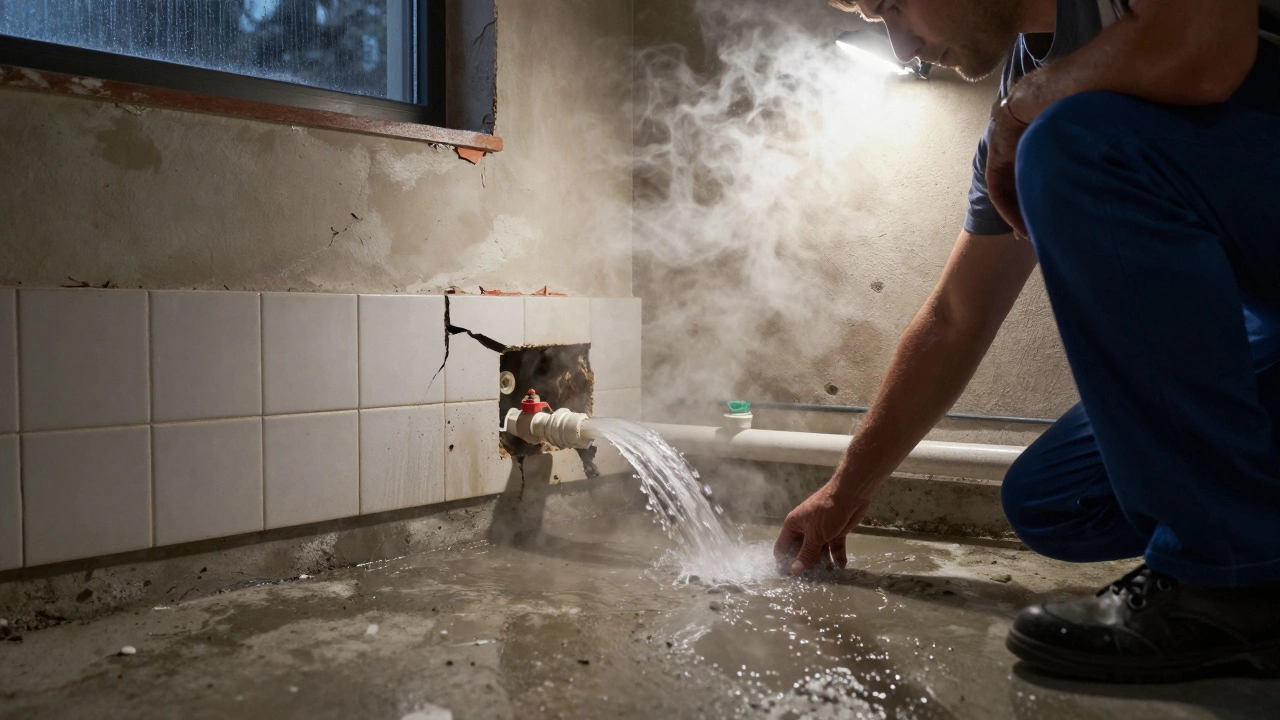
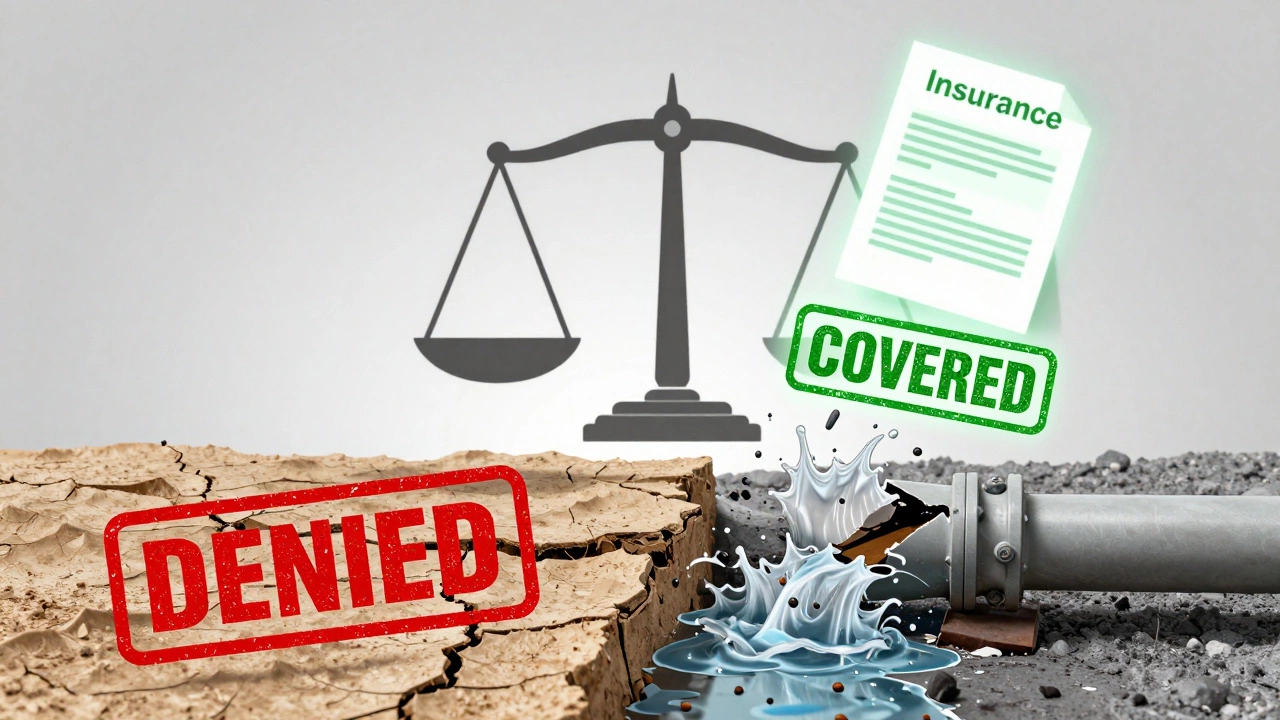
Homeowners insurance typically covers sudden and accidental water damage, not slow leaks. For example, if a burst pipe behind your foundation wall floods the basement overnight, that’s usually covered. But if water has been seeping in slowly over months due to poor drainage or aging concrete, that’s considered maintenance neglect-and it’s not covered.
Insurance companies define covered events as "sudden and accidental." That means:
- ✅ A ruptured water line under your slab
- ✅ A broken sump pump during a storm
- ✅ A frozen pipe that bursts and floods your crawlspace
But these are not covered:
- ❌ Gradual seepage from groundwater
- ❌ Poor drainage around your home
- ❌ Cracks from soil settling over time
- ❌ Foundation damage from earthquakes or floods (those need separate policies)
In Auckland, where heavy rain and clay-rich soil are common, slow water infiltration is one of the top causes of foundation issues. Most insurers see this as predictable, not accidental. So if your foundation has been leaking for six months and you finally file a claim, they’ll likely deny it.
What About Water Damage Inside the House?
If a foundation leak causes water to spill into your living room, bedroom, or basement, the damage to your floors, walls, or furniture might still be covered-even if the source isn’t. For example, if a sudden pipe burst causes flooding that ruins your hardwood floors, the flooring repair is usually covered. But the cost to fix the pipe or seal the foundation? That’s on you.
Think of it this way: insurance covers the result, not the cause. You can get your drywall replaced, but not the root problem that made it wet.
When Does Insurance Actually Pay Out?
There are a few real scenarios where foundation leak repairs are covered:
- You have a covered peril like a fire that damages plumbing lines, causing a leak.
- A tree falls on your house during a storm and cracks the foundation, leading to water intrusion.
- A neighbor’s faulty irrigation system overflows and floods your foundation (in some cases, liability coverage may help).
One Auckland homeowner we spoke to had a pipe burst behind her foundation after a cold snap. The water flooded her garage, warped her floor joists, and cracked the concrete slab. Her insurer paid $18,000 for repairs because the pipe rupture was sudden, accidental, and not due to age or neglect.
But another homeowner in Manukau had a slow leak from a cracked footing for over two years. When she finally called her insurer, they sent an adjuster who found mineral deposits and mold growth-clear signs of long-term moisture. Claim denied.
What’s Usually Excluded?
Standard homeowners policies in New Zealand exclude:
- Foundation damage from earth movement (settling, expansion, or shifting soil)
- Water damage from groundwater or surface water (like rain runoff)
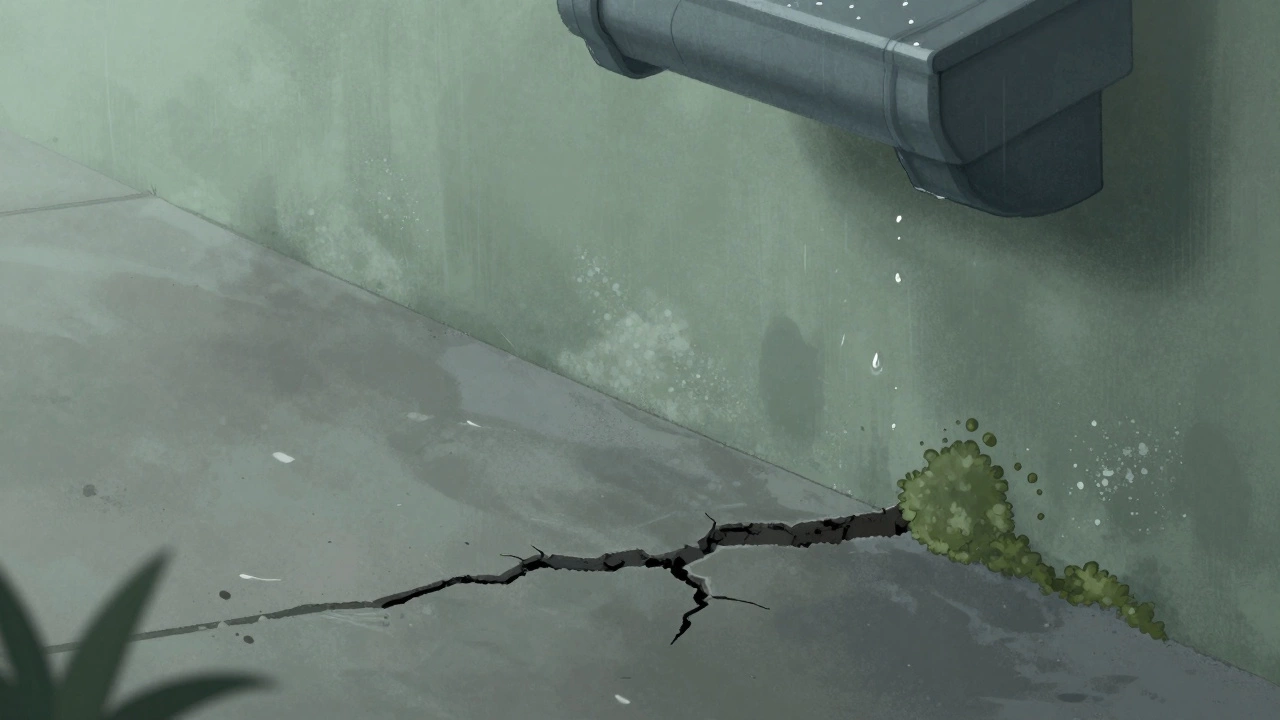
- Damage from lack of maintenance (clogged gutters, no downspout extensions)
- Foundation repairs needed due to aging materials (concrete cracking after 30+ years)
Many people assume their policy covers "all water damage," but that’s not true. Flood insurance isn’t part of standard policies here-it’s sold separately. And even then, it usually doesn’t cover gradual leaks, only sudden flooding from rivers, storms, or sewer backups.
How to Prove It Was Sudden (and Not Gradual)
If you think your leak might be covered, you need evidence. Insurers will send a claims adjuster to inspect the site. They’ll look for:
- Signs of long-term moisture: mold, efflorescence (white chalky residue), rust on pipes
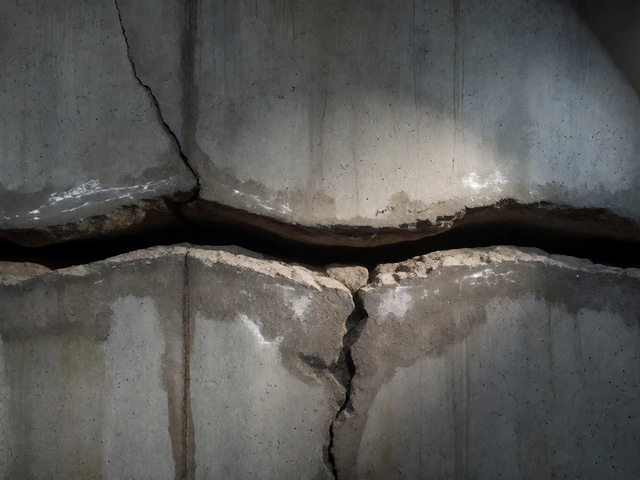
- Crack patterns: wide, jagged cracks suggest long-term stress
- Water stains: old, faded stains mean the leak has been ongoing
- Timing: Did the leak start after a storm? A pipe burst? A plumbing upgrade?
Keep records. Take photos before and after. Save receipts for any repairs you’ve done. If you’ve had a plumber check your pipes in the last year, that helps. If you’ve ignored a dripping hose bib for two winters? That works against you.
What Should You Do Instead?
Since most foundation leaks aren’t covered, prevention is your best defense:
- Install downspout extensions that carry water at least 3 meters from your foundation
- Grade your yard so it slopes away from the house
- Inspect gutters twice a year-clogged gutters are a leading cause of foundation leaks in Auckland
- Check for cracks in your basement or slab every spring
- Consider a sump pump with battery backup if you’re in a low-lying area
Some homeowners in New Zealand buy foundation protection plans from private contractors. These aren’t insurance-they’re service contracts. You pay an annual fee, and they’ll inspect, seal, or repair minor issues. They don’t cover major damage, but they can catch problems before they cost $20,000.
Should You Buy Extra Coverage?
Standard policies don’t offer foundation leak riders. But if you live in an area with poor drainage or old clay soil, talk to your insurer about:
- Water backup coverage (covers sewer or drain backups into your home)
- Earthquake insurance (if you’re in a seismic zone)
- Flood insurance (if you’re near a river or coastal area)
None of these cover gradual seepage. But if you’ve got a history of basement flooding after heavy rain, adding water backup coverage might be worth the $100-$300 extra per year.
What to Do If Your Claim Is Denied
If your insurer says "no," don’t just accept it. Ask for a written explanation. Request a second inspection. Sometimes adjusters miss signs of sudden damage. If you have photos showing the leak started after a storm or pipe repair, submit them. You can also hire an independent structural engineer to write a report-sometimes that’s enough to reopen the claim.
In Auckland, the Insurance Council of New Zealand offers a free dispute resolution service. If you’re stuck, use it. Many claims get overturned with proper documentation.
Bottom Line
Homeowners insurance rarely covers foundation leaks caused by slow, ongoing water issues. But it can cover sudden damage from bursts, storms, or accidents. The key is knowing the difference-and acting fast when something unexpected happens. Regular maintenance is your real insurance policy. Fix your gutters. Redirect your downspouts. Watch for cracks. That’s how you avoid a $30,000 repair bill.
Does homeowners insurance cover foundation cracks?
Most policies do not cover foundation cracks unless they result from a sudden, covered event like a tree falling on your house or a burst pipe. Cracks from settling, soil expansion, or age are considered maintenance issues and are excluded.
Can I get coverage for foundation leaks through a separate policy?
You can’t buy a standalone policy just for foundation leaks. But you can add water backup coverage to your existing homeowners policy, which may help if the leak comes from a sewer or drain backup. Flood and earthquake insurance are separate and don’t cover gradual seepage.
What’s the difference between a leak and a flood?
A leak is slow, steady water movement over time-like water seeping through a crack. A flood is a sudden, large volume of water entering your home from outside sources like rivers, heavy rain, or storm surges. Floods require separate flood insurance; leaks usually don’t qualify.
How do I know if my foundation leak is covered?
Ask yourself: Did this start suddenly? Was it caused by a burst pipe, storm damage, or a covered peril? If yes, it might be covered. If the water has been coming in for months or years due to poor drainage or aging materials, it’s likely not covered. Document everything and contact your insurer.
Should I fix a small foundation leak myself?
Yes-if it’s minor. Small cracks can be sealed with epoxy or hydraulic cement. Fixing it early prevents bigger problems and helps if you later file a claim. But if the leak is widespread or you see structural damage, call a professional. DIY fixes won’t help if the foundation is shifting.