What Is a China Bed? Understanding This Popular Sofa Bed Style
China Bed Cost Comparison Tool
Cost Comparison Calculator
Calculate how much you'll save with a China bed over a modern sofa bed based on your usage patterns.
Cost Comparison Results
Enter your usage details above to see your cost comparison.
Your Estimated Savings
| Feature | China Bed | Modern Sofa Bed |
|---|---|---|
| Initial Cost | $450 | $1,200 |
| Replacement Cost | $150 | $1,200 |
| Lifespan | 15 years | 5 years |
| Total Cost Over 15 Years | $600 | $3,600 |
Estimated Savings
$3,000
Return on Investment
500%
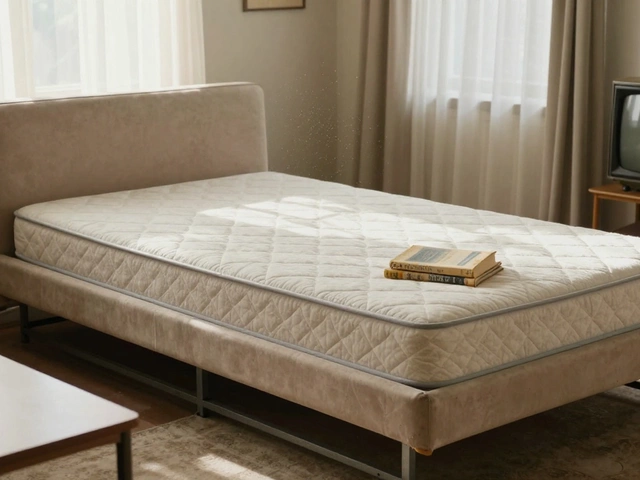
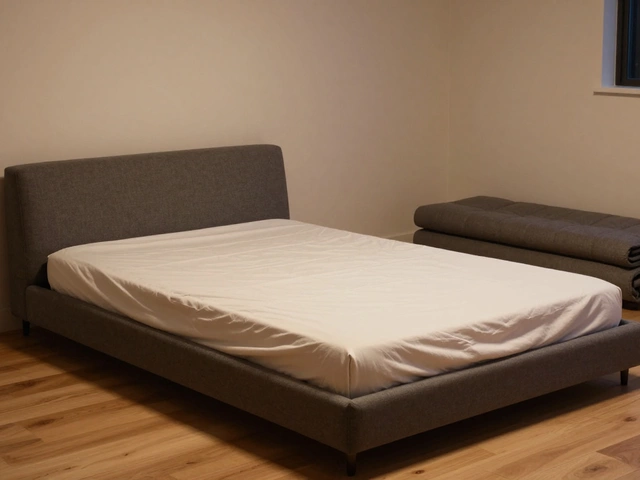
A China bed isn’t a bed made in China-it’s a specific type of sofa bed that became popular in the 1980s and 1990s, especially in North America and Europe. You’ve probably seen one: a sturdy, boxy sofa with a thick cushion that pulls out into a full-size mattress. Unlike modern pull-out sofas with thin foam or spring mechanisms, China beds use a heavy-duty metal frame and a thick, often spring-filled mattress that unfolds from underneath the seat. They’re not fancy, but they’re built to last-and they’re still in use today in dorm rooms, guest rooms, and small apartments.
How a China Bed Works
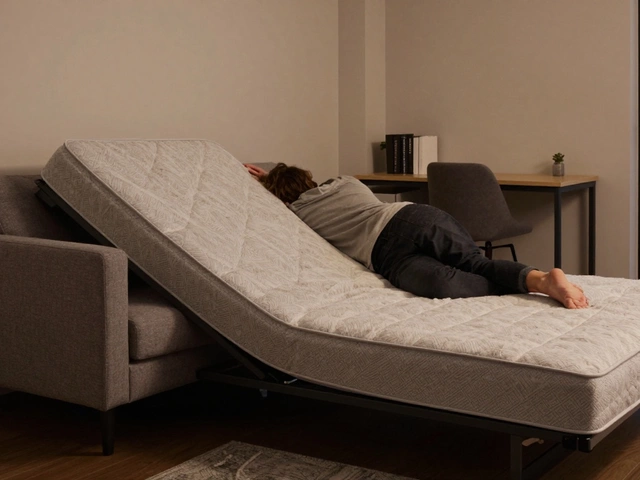
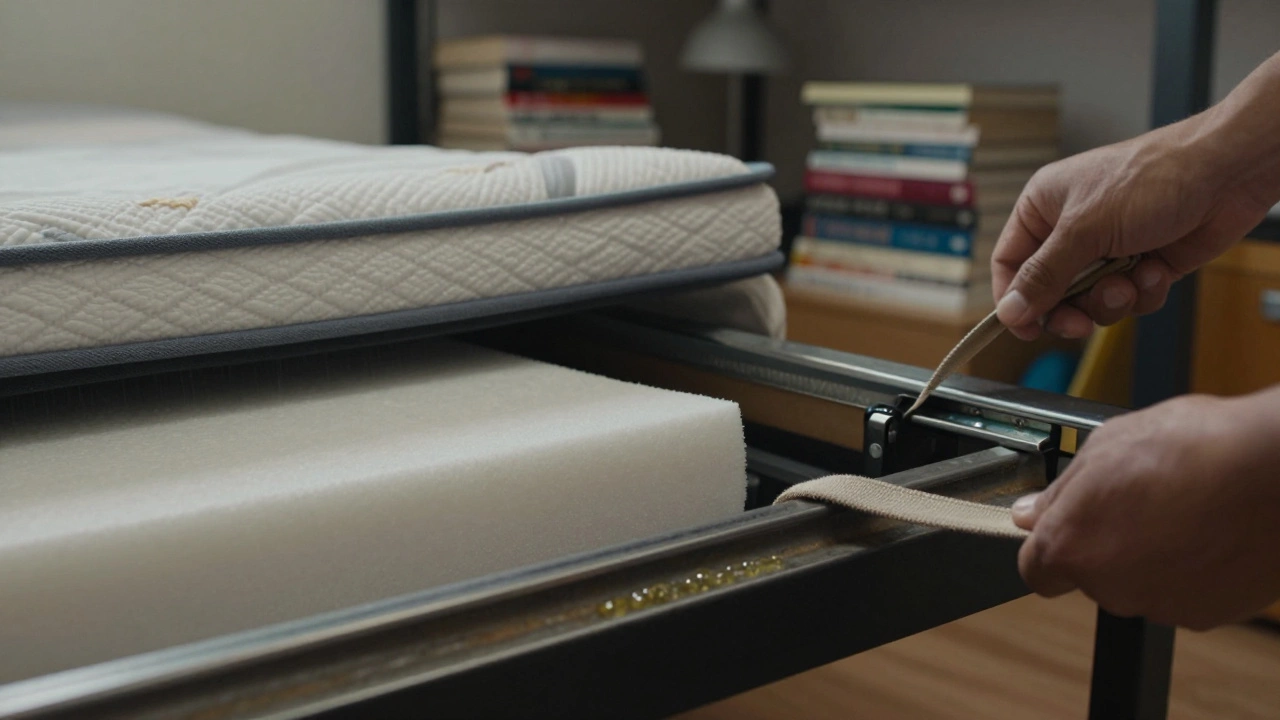
The name comes from the way the mattress is stored and pulled out. When the sofa is closed, the mattress lies flat underneath the seat cushion. To turn it into a bed, you pull a handle or strap, and the entire mattress slides out on metal rails. The backrest folds down to meet the mattress, creating a flat sleeping surface. There’s no complex mechanism-no hinges that snap or springs that twist. Just a simple, reliable sliding system.
Most China beds have a mattress that’s 5 to 6 inches thick, which is significantly thicker than the 3-inch foam pads found in many modern sofa beds. That extra thickness means you don’t feel the metal frame when you sleep. The frame itself is usually made of steel, sometimes with a powder-coated finish to prevent rust. The upholstery is often a durable polyester blend or vinyl, designed to resist wear from daily use.
Why People Still Buy China Beds
People don’t buy China beds because they’re trendy. They buy them because they work. In households with limited space, a China bed gives you a full-size sleeping surface without needing a separate guest bed. Unlike futons that sag or inflatable mattresses that leak, a China bed stays firm and level night after night.
They’re also cheap to replace. If the fabric tears or the mattress sags after 10 years, you can buy a new mattress and slipcover for under $200. Compare that to replacing a high-end sectional with a built-in sleeper-often costing over $1,500. China beds are the equivalent of a Honda Civic in the furniture world: no frills, but they keep running.
Many older apartments and rental units still have China beds installed. Landlords prefer them because they’re durable, easy to clean, and don’t require special tools to maintain. Even today, you’ll find them in student housing, hostels, and budget hotels in cities like Toronto, Chicago, and London.
China Bed vs. Modern Sofa Beds
Modern sofa beds have evolved with sleeker designs and thinner profiles, but they often sacrifice comfort for style. Here’s how they stack up:
| Feature | China Bed | Modern Sofa Bed |
|---|---|---|
| Mattress Thickness | 5-6 inches | 2-4 inches |
| Mattress Type | Spring or high-density foam | Memory foam or thin foam |
| Frame Material | Steel | Steel or aluminum |
| Opening Mechanism | Sliding pull-out | Click-clack, fold-out, or motorized |
| Weight Capacity | 500+ lbs | 300-400 lbs |
| Price Range | $300-$700 | $800-$2,500 |
| Longevity | 15-25 years | 5-10 years |
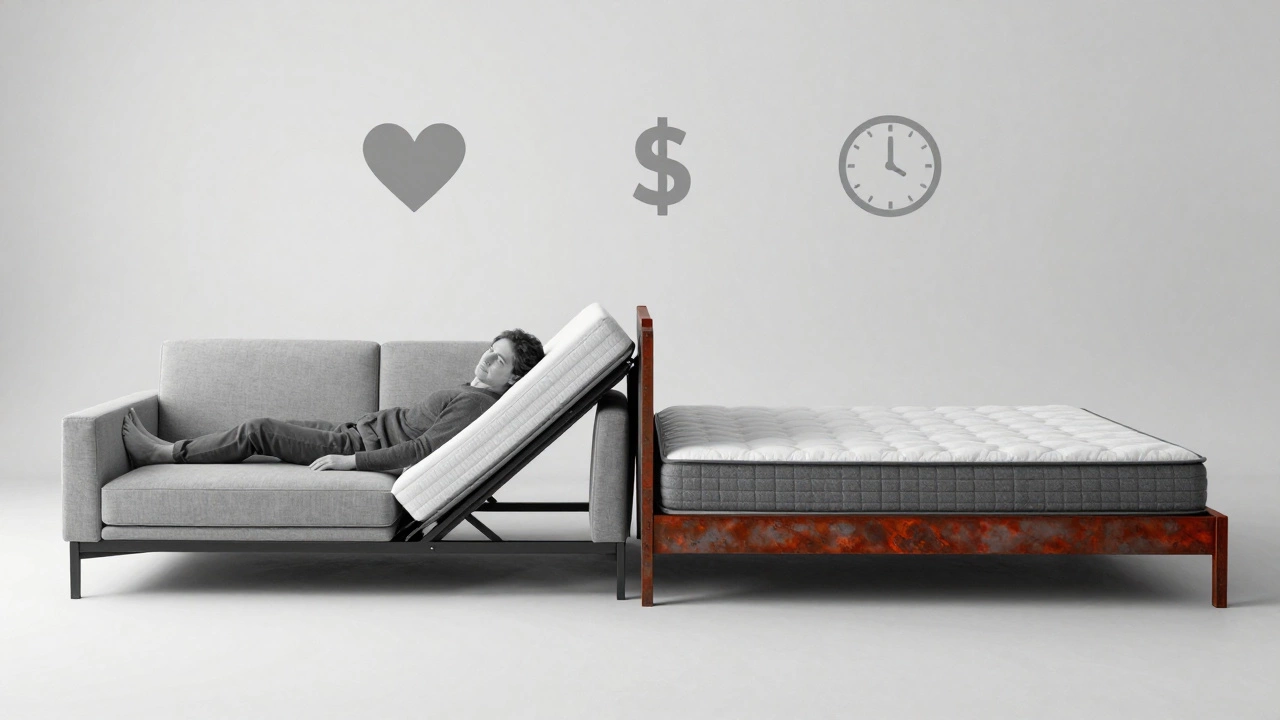
The trade-off is clear: China beds are bulkier and less stylish, but they’re far more durable and comfortable for long-term use. If you’re looking for something that looks good in a modern living room and you only need it for occasional guests, a modern sofa bed might be fine. But if you need a bed that can handle nightly use, kids jumping on it, or guests staying for weeks, a China bed still wins.
Common Problems and Fixes
Even though China beds are built tough, they’re not immune to wear. The most common issues:
- Sticking or hard-to-pull mattress: Dust and debris build up on the metal rails. Clean them with a dry cloth and apply a silicone-based lubricant (not oil-it attracts dirt).
- Sagging mattress: Flip or rotate the mattress every few months. If it’s over 10 years old, replace it with a 5-inch high-density foam or innerspring mattress designed for sofa beds.
- Loose or broken handle: Most handles are bolted on. Tighten the screws or replace the handle with a universal pull strap from a hardware store.
- Upholstery tears: Slipcovers are available online for most standard China bed sizes. You can also reupholster the frame yourself with outdoor-grade fabric for under $100.
One pro tip: If you’re buying a used China bed, test the pull mechanism before you take it home. A smooth, quiet slide means the frame is still in good shape. If it grinds or catches, the rails may be bent-and that’s expensive to fix.
Where to Find China Beds Today
You won’t find China beds at high-end furniture stores. They’re mostly sold by discount retailers, warehouse outlets, and online marketplaces like eBay, Facebook Marketplace, or Craigslist. Some companies still make them new-brands like China Bed is a common term, but actual manufacturers include American Leather, Ashley Furniture, and IKEA’s older models. Sleeper sofas with similar designs are still produced under different names.
Many people buy them secondhand. If you’re shopping for one, look for models labeled as “full-size sleeper sofa” or “heavy-duty pull-out.” Avoid anything labeled “space saver” or “compact”-those are usually thinner, lower-quality versions.
Who Should Buy a China Bed?
China beds are perfect for:
- People living in small apartments or studios
- Hosts who regularly have overnight guests
- Parents with kids who need a guest bed for sleepovers
- Anyone on a tight budget who wants long-term value
- Landlords managing rental properties
They’re not ideal for:
- People who prioritize sleek, modern design
- Those who need a sofa that looks good in a photo shoot
- Anyone who plans to use it as a daily seating surface for more than 4-5 hours a day
China beds aren’t glamorous, but they’re practical. They don’t try to be anything else. If you need a bed that works reliably, day in and day out, without breaking the bank, this is still one of the best options on the market.
Is a China bed the same as a futon?
No. A futon is a thin mattress that folds in half and sits directly on a wooden or metal frame. It’s meant to be used as both a sofa and a bed, but the mattress is usually only 3-4 inches thick and doesn’t offer much support. China beds have a separate, thicker mattress that slides out on metal rails, making them far more comfortable for sleeping.
Can you replace the mattress on a China bed?
Yes, and it’s one of the biggest advantages. Most China beds use standard full-size mattress dimensions (54 x 75 inches). You can buy a new 5- or 6-inch high-density foam or innerspring mattress online for under $150. Just make sure it’s labeled as compatible with sofa beds-regular mattresses are often too thick or too soft.
Do China beds come in different sizes?
Most are full-size, but some models come in twin or queen. Twin versions are rare and usually found in dorm rooms or children’s rooms. Queen China beds exist but are harder to find and more expensive. Full-size remains the standard because it offers the best balance of space and affordability.
Are China beds comfortable for everyday use?
Yes-if you’re using the mattress for sleeping. The thick, firm mattress supports the body well, and the steel frame prevents sagging. However, the sofa portion isn’t designed for all-day lounging. The seat cushion is firm and flat, unlike plush sectionals. For occasional guests or nightly use, it’s ideal. For daily lounging, you’ll want something softer.
Why are they called China beds if they’re not from China?
The name likely comes from the style’s popularity in the 1980s, when many affordable furniture pieces were imported from Asia. While most China beds sold in the U.S. and Canada were made in the U.S. or Mexico, the term stuck as a generic label for this simple, pull-out design. It’s similar to how people call all facial tissues “Kleenex”-the brand name became the common term.
Final Thoughts
If you’ve ever woken up on a sofa bed that felt like you were sleeping on a metal bar, you know why China beds still matter. They’re not the prettiest option on the market, but they’re the most dependable. For anyone who needs a reliable, long-lasting, affordable solution for extra sleeping space, the China bed hasn’t been replaced-it’s been ignored by trend-driven designers, but it’s still doing its job better than almost anything else.