What's the Difference Between a Sofa Bed and a Sleeper Sofa?
Sofa Bed vs Sleeper Sofa Comparison Tool
Which Option Suits You Best?
People often use the terms sofa bed and
How a Sofa Bed Actually Works
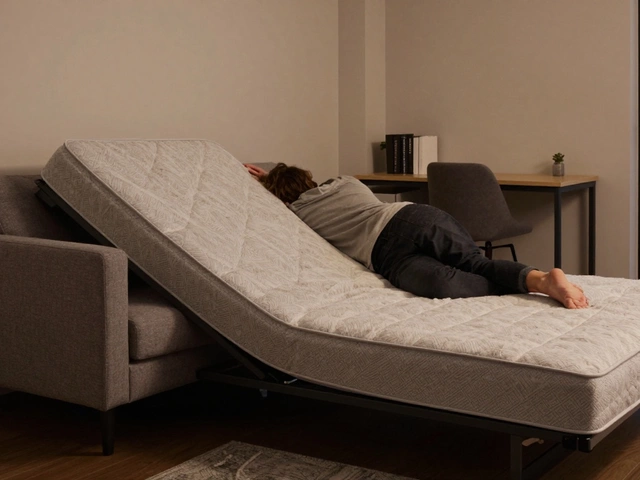
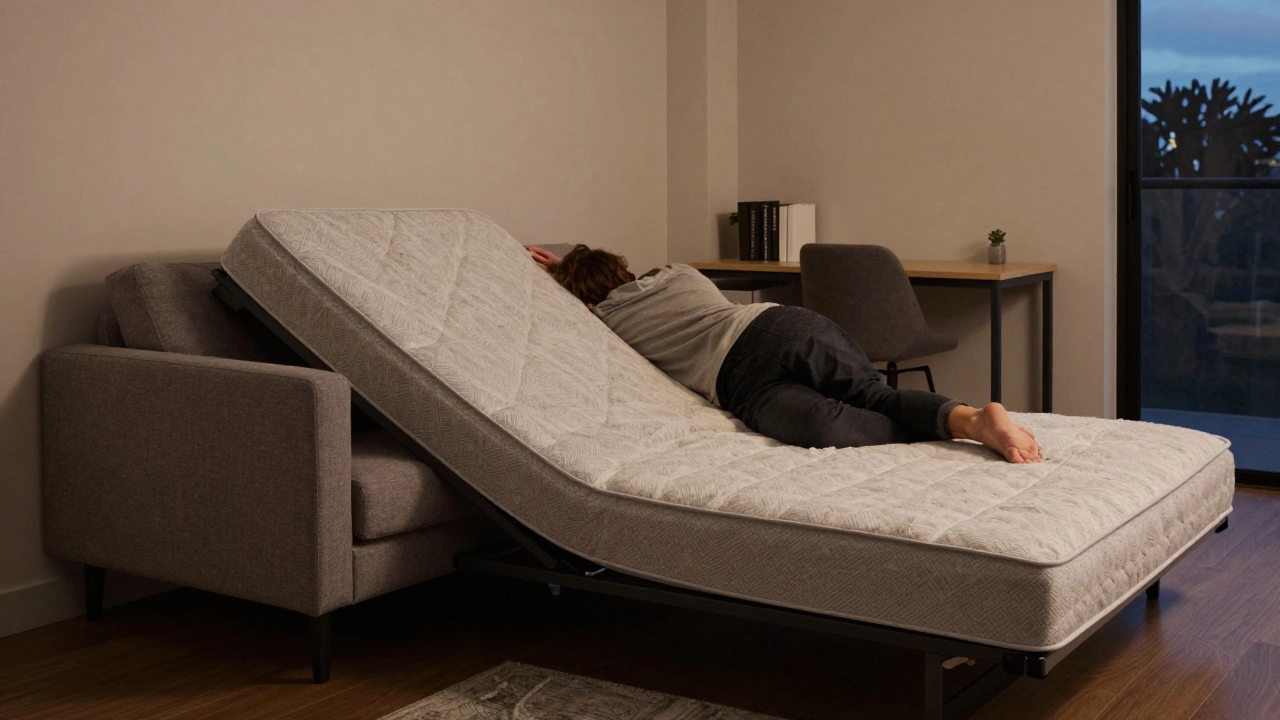
A sofa bed is designed to look like a regular sofa most of the time, but it has a hidden mattress that pulls out or folds down when you need an extra bed. The mechanism is usually simple: a metal or wooden frame under the seat cushions that slides or flips out. When you pull it out, the mattress unfolds from underneath. It’s the kind of thing you might see in a studio apartment in Auckland or a guest room in a small house.
The mattress on a sofa bed is typically thin-often around 3 to 4 inches thick. It’s not meant for long-term sleeping. Most people use it for occasional guests, like a cousin visiting for the weekend or a friend staying over after a late-night movie. The fabric on top is usually the same as a regular sofa: cotton, microfiber, or polyester. That means it looks nice, but it doesn’t always hold up well to daily use as a bed.
One big downside? The mattress often doesn’t lie flat. There’s usually a ridge where the frame folds, which can make sleeping uncomfortable. And if the frame isn’t built well, the whole thing can wobble. I’ve seen people wake up with a sore back because the sofa bed didn’t support their spine properly. It’s not a dealbreaker for occasional use, but don’t expect it to replace a real mattress.
What Makes a Sleeper Sofa Different
A sleeper sofa is built like a real bed disguised as a sofa. It’s not just a sofa with a mattress underneath-it’s engineered to be a bed first, and a sofa second. The frame is stronger, often made of steel or hardwood, and the mechanism is more like a pull-out drawer than a flip-out panel.
The mattress on a sleeper sofa is thicker-usually 5 to 7 inches-and sometimes even includes memory foam or innerspring layers. That means it feels more like a real bed. You can actually sleep on it for weeks if you need to. Many models come with a full-size or queen-size mattress, so two adults can sleep comfortably without elbows poking ribs.
The mechanism is smoother too. You don’t have to wrestle with it. Most sleeper sofas have a lever or handle you pull, and the bed glides out on rollers. Some even have built-in locks to keep the mattress flat and stable. Brands like IKEA, Ashley, and La-Z-Boy make models that are tested for daily use. In fact, some people in Auckland use them as their primary bed in tiny apartments because they’re more reliable than a sofa bed.
Comfort: It’s Not Just About the Mattress
Comfort isn’t just about thickness. It’s about support, motion transfer, and how the frame holds up over time. A sofa bed’s thin mattress often sinks in the middle after a few months, especially if it’s used regularly. The frame doesn’t always support the edges well, so you roll toward the center when you sleep.
A sleeper sofa, on the other hand, is built with edge support. That means the sides of the mattress stay firm, so you don’t feel like you’re falling off the bed. The frame also has better weight distribution. You won’t hear loud pops or groans when you move around. That matters if you share the bed with someone-or if you’re a light sleeper who wakes up at the slightest noise.
There’s also the issue of the cushion. On a sofa bed, the seat cushions are often stiff and don’t move much. That’s fine for sitting, but when you pull out the bed, you’re left with a flat, unyielding surface. A sleeper sofa usually has removable or foldable cushions that tuck neatly under the mattress. That means when you’re sleeping, there’s no bump or lump under your back.
Space and Style: Which Fits Your Room?
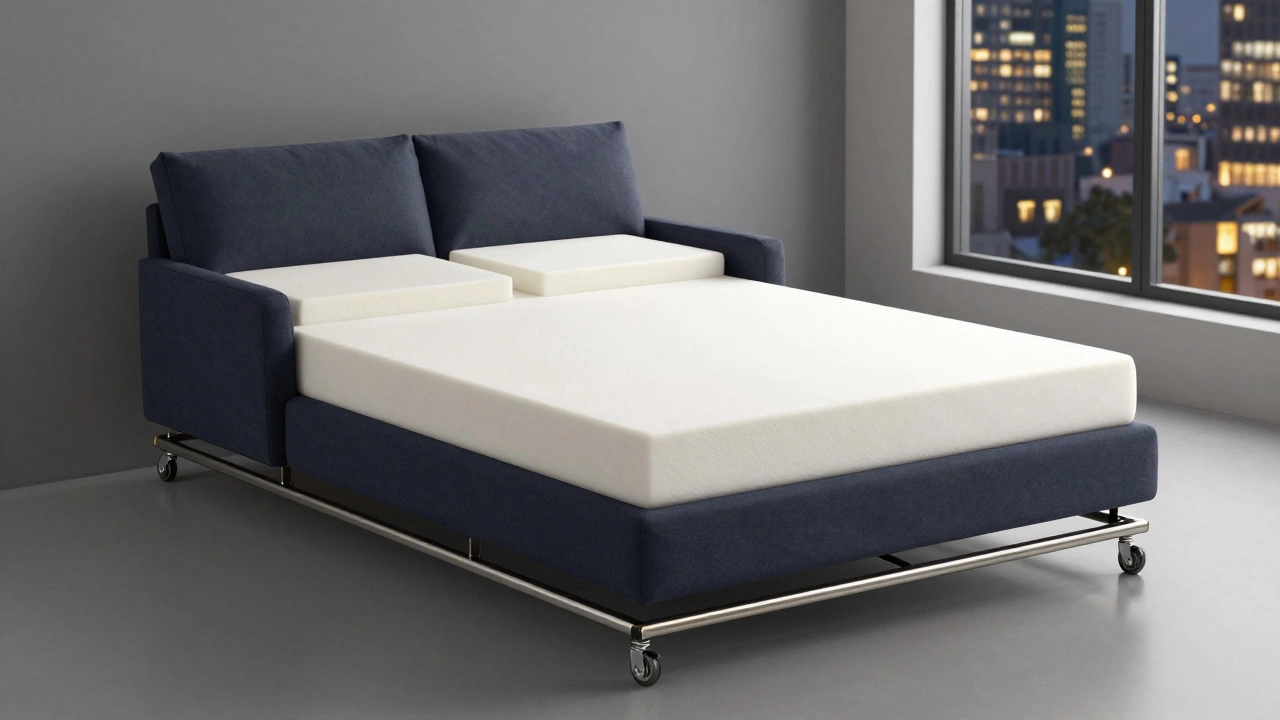
If you’re working with limited space, both options can work. But the way they look matters. A sofa bed often looks like a traditional sofa, so it blends into a living room without drawing attention. That’s great if you want something that looks like furniture, not a bed.
A sleeper sofa, though, tends to look bulkier. The frame is thicker, and the arms are often more pronounced. That’s because the mechanism needs room to slide out. But modern designs have changed that. Many now have clean lines, tapered legs, and minimalist upholstery that look just as stylish as a regular sofa. You can find sleeper sofas in velvet, linen, and even leather that match contemporary interiors.
Storage is another factor. Some sleeper sofas have drawers underneath for linens or blankets. Sofa beds rarely do. If you’re tight on closet space, that’s a real advantage.
Price and Longevity: What You Pay For
Price-wise, sofa beds start around $400. You can find decent ones for under $600. But they’re not built to last. After two or three years of regular use, the frame can loosen, the mattress can flatten, and the fabric can wear thin.
Sleeper sofas start at $800 and go up to $2,000 or more. But they’re designed to last. Many come with 10-year warranties on the frame and mechanism. The mattress is often covered by a 5-year guarantee. That’s not just marketing-it’s because the materials are better. Steel frames don’t bend. High-density foam doesn’t collapse. The stitching holds up.
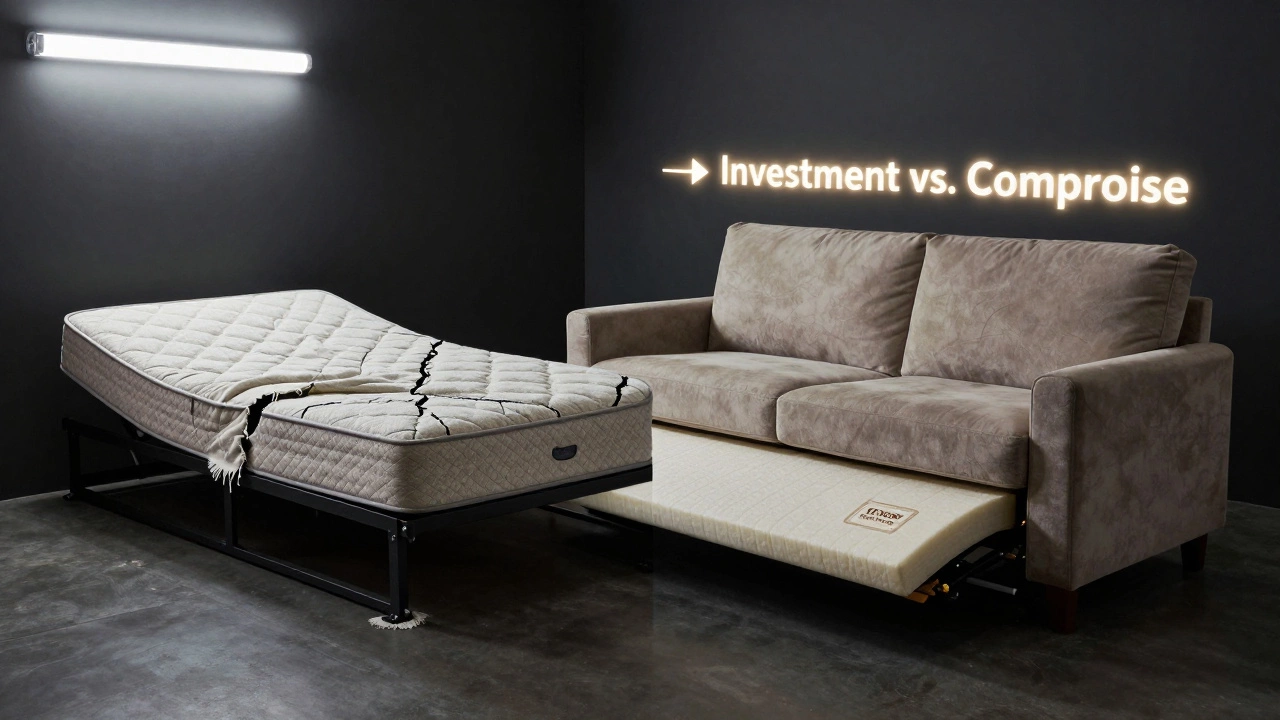
Think of it this way: a sofa bed is like a rental car. It gets you from A to B. A sleeper sofa is like buying a reliable sedan. You pay more upfront, but you don’t have to replace it every few years.
When to Choose Which
Go for a sofa bed if:
- You only need an extra bed once or twice a year
- You’re on a tight budget
- You want something that looks like a regular sofa
- You’re using it in a guest room, not as a primary bed
Choose a sleeper sofa if:
- You need a bed for more than occasional use
- You want real comfort-no back pain, no lumps
- You’re using it as a primary bed in a studio or small apartment
- You’re willing to invest in something that lasts
There’s no right or wrong choice. It’s about how you live. If you rarely have guests, a sofa bed is fine. But if you’ve ever woken up stiff, frustrated, or just plain uncomfortable because your ‘bed’ didn’t work, you’ll know the difference.
Real-Life Example: A Small Apartment in Ponsonby
Last year, a friend moved into a one-bedroom apartment in Ponsonby. She didn’t want to buy a full bed because she needed space for a desk and storage. She bought a $500 sofa bed. Three months later, she was sleeping on the floor. The mattress sagged. The frame creaked. She couldn’t get a good night’s sleep.
She replaced it with a $1,200 sleeper sofa from IKEA. Same footprint. Same look. But now she sleeps like she’s on a real bed. Her back doesn’t hurt. Her guests don’t complain. And she’s had it for over a year with zero issues.
That’s the difference.
Can a sofa bed be used as a primary bed?
Technically, yes-but it’s not recommended. Most sofa beds have thin, low-density mattresses that flatten quickly and offer poor spinal support. If you sleep on one every night, you’re likely to develop back pain or poor sleep quality over time. A sleeper sofa is a far better option for daily use.
Is a sleeper sofa bigger than a sofa bed?
Not necessarily in footprint, but yes in structure. A sleeper sofa has a thicker frame and deeper seat to accommodate the pull-out mechanism and thicker mattress. That means it might take up slightly more floor space when closed, but it also provides a much larger sleeping surface-often full or queen size-compared to the twin or full sizes common on sofa beds.
Do sleeper sofas come in different sizes?
Yes. Most come in twin, full, and queen sizes. Twin is common for studio apartments or kids’ rooms. Full is the most popular for couples in small spaces. Queen sizes are available but take up more room and are usually more expensive. Always measure your space before buying.
How long do sleeper sofas last?
A well-made sleeper sofa can last 10 to 15 years with regular use. The frame and mechanism are built to handle daily opening and closing. The mattress, if it’s high-density foam or innerspring, should last 7 to 10 years. Look for warranties that cover both the frame and the mattress for the best assurance.
Are sleeper sofas easy to clean?
Yes, if you choose the right fabric. Look for removable, machine-washable covers or stain-resistant materials like microfiber, performance velvet, or Crypton fabric. Avoid delicate fabrics like linen or silk if you plan to use it often. Most modern sleeper sofas are designed with easy cleaning in mind.