How to Pick a Couch: The Ultimate Buying Guide
Couch Buying Assistant
Answer a few questions about your living situation to get personalized recommendations for frame, fabric, and style.
Recommended Strategy
Ideal Sofa Type
Construction & Comfort
- Frame:
- Suspension:
- Cushion Fill:
Fabric & Color Advice
Select your preferences and click "Get Recommendations" to see your ideal couch profile.
You’ve probably stood in that showroom before. Rows of plush, inviting sofas stretch out like an endless buffet, and suddenly, your brain shuts down. You want comfort, but you also need it to fit through the front door. You want durability for your kids (or dog), but you don’t want it to look like a tank. Picking a couch isn't just about picking a color; it's a logistical puzzle mixed with an emotional decision. If you get it wrong, you’re stuck with a bulky mistake for five to ten years. Let’s cut through the noise and figure out exactly what you need.
Measure Twice, Buy Once (Seriously)
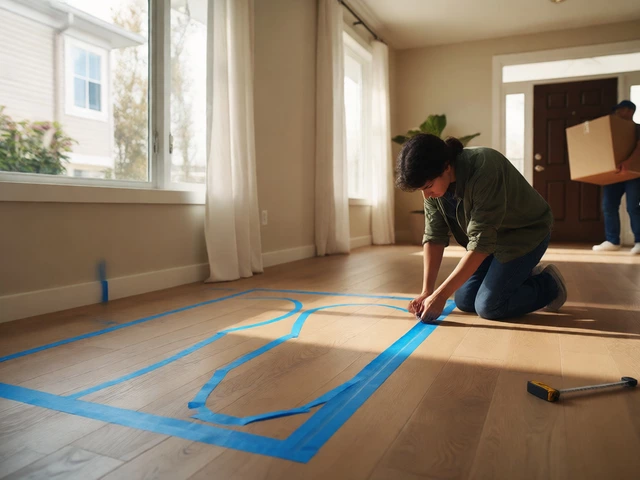
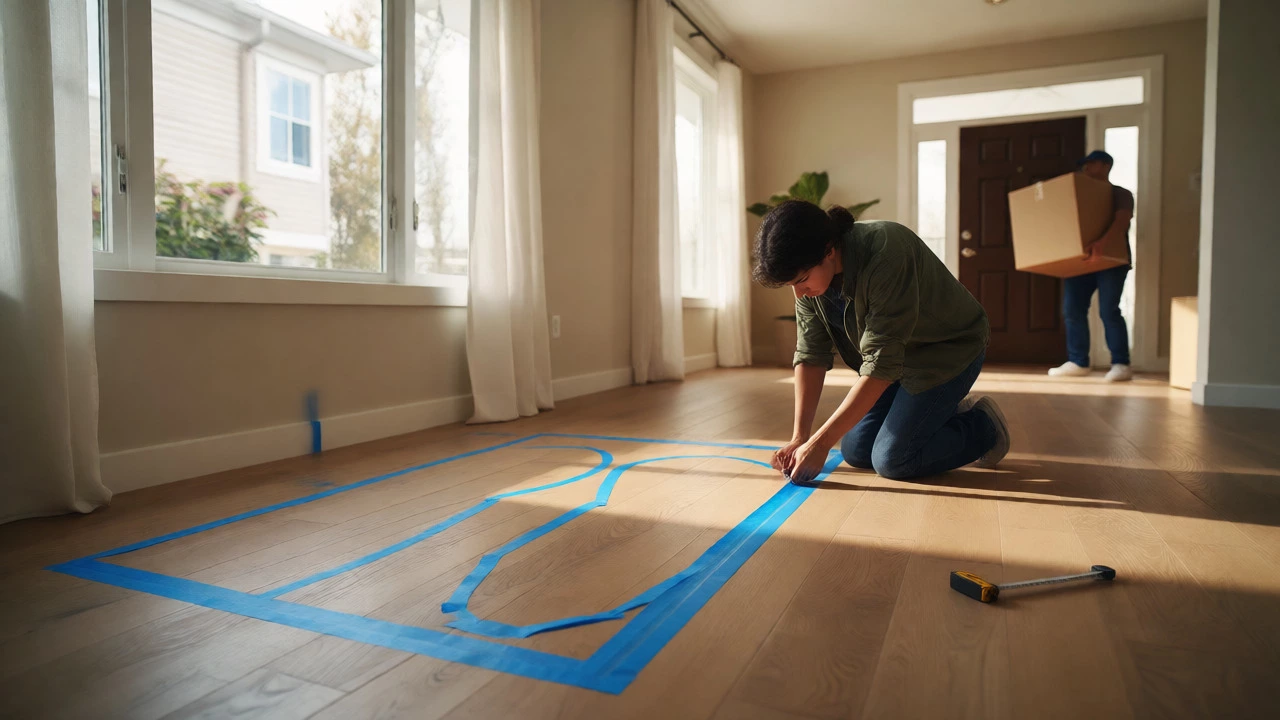
The biggest regret people have after buying a sofa is that it doesn’t fit their space-or their life. Before you even look at fabrics, grab a tape measure. Not a rough guess, not "I think it’s about two meters," but actual numbers. Measure the length, depth, and height of the spot where the couch will live. Then, measure the width of your hallways, staircases, and front door. I once saw a beautiful three-seater get stuck on a third-floor landing because someone forgot to check the turning radius. It was a sad sight.
Here is a quick rule of thumb for living room layouts:
- Walkways: Leave at least 75-90 cm of walking space around the main seating area.
- TV Distance: For a standard 55-inch TV, sit about 1.5 to 2 meters away. This dictates how deep your sofa should be.
- Rug Size: Ideally, all front legs of the sofa should sit on the rug. If the rug is too small, the sofa looks untethered and floating.
Decide Your Primary Use Case
Who is using this couch? Are you a solo reader who loves curling up? A couple who hosts dinner parties? Or do you have three kids and a golden retriever named Buster? The answer changes everything.
| Lifestyle Profile | Recommended Style | Key Feature to Prioritize |
|---|---|---|
| Family/Pets | Sectional or Large Sofa | Performance Fabric & Removable Covers |
| Entertaining Hosts | U-Shaped Sectional | Ample Seating Capacity & Conversation Flow |
| Solo Reader/Napper | Recliner or Chaise Lounge | Deep Seat Depth (60cm+) & Recline Mechanism |
| Small Apartment | Love Seat or Loveseat | Elevated Legs (Visual Lightness) & Compact Footprint |
If you have pets or kids, avoid light-colored linen unless you are prepared for frequent cleaning. Look for "performance fabrics." These are engineered textiles designed to resist stains and wear. Brands like Crypton or Sunbrella offer options that can handle a spilled glass of red wine without leaving a permanent scar. If you’re single and love napping, prioritize seat depth. Standard seats are about 50-55 cm deep. For lounging, you want 60 cm or more so your knees don’t end up higher than your hips.
Understand the Construction (The Guts Matter)
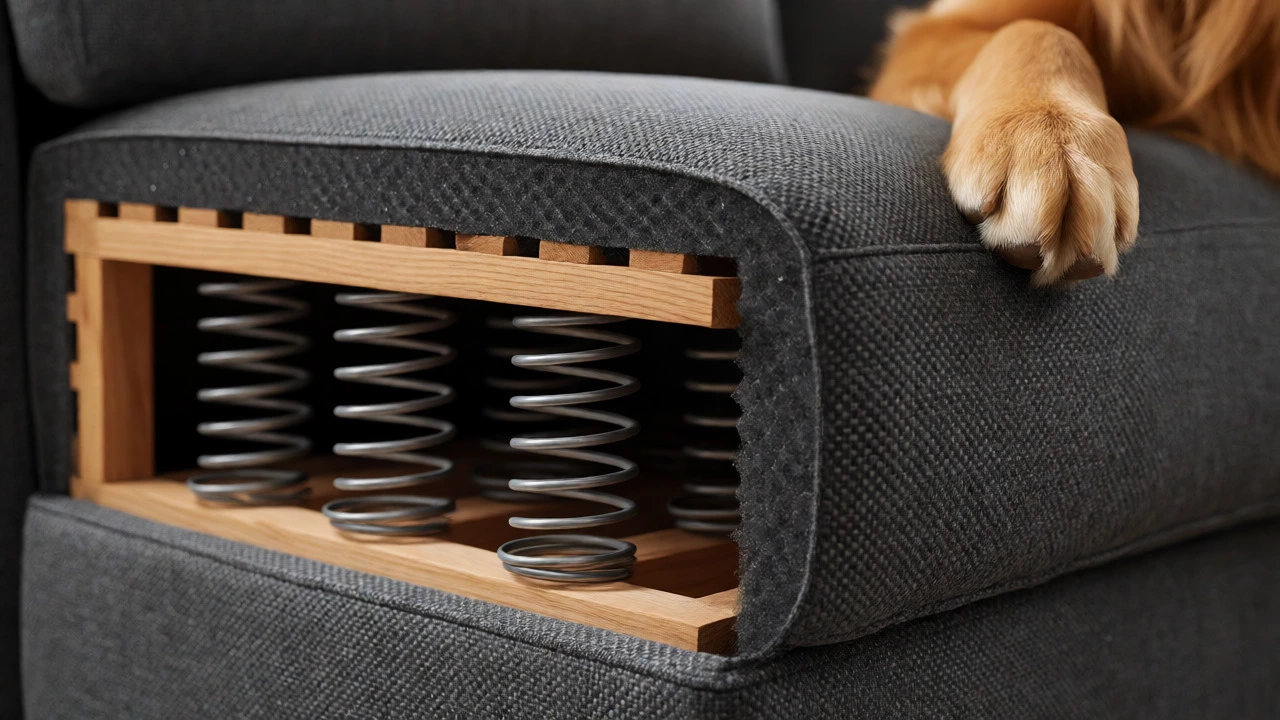
A couch looks fine on day one, but how does it look on day 1,000? That depends on the frame and suspension. Cheap couches use particleboard frames that warp over time. High-quality ones use kiln-dried hardwood. Why kiln-dried? Because it has been heated to remove moisture, preventing warping and cracking as humidity changes in your home. Ask the salesperson: "Is the frame solid wood or plywood?" If they hesitate, walk away.
Next, look at the suspension system. This is what keeps the cushions from sagging into a hammock shape.
- Sinuous Springs: S-shaped steel wires stretched across the frame. Good for mid-range sofas. They provide decent support but can squeak if poorly installed.
- Eight-Way Hand-Tied Springs: The gold standard. Coils tied together in eight directions. This allows the sofa to move with you rather than against you. It lasts longer and feels more luxurious.
- Cross-Bands: Elastic webbing. Common in budget furniture. It sags faster than springs. Avoid this if you plan to keep the couch for more than three years.
Choose the Right Cushion Fill
This is where comfort becomes personal. There is no "best" fill, only what suits your body.
Foam: Dense foam holds its shape well. It feels firm initially but softens slightly over time. Look for high-density polyurethane foam (at least 1.8 lbs per cubic foot). Low-density foam collapses quickly, leaving you sitting on the frame.
Feathers/Down: Luxuriously soft and moldable. You sink in. But they require constant fluffing. If you hate maintenance, skip this. Also, feathers can poke through cheap covers.
Hybrid: Foam core wrapped in a layer of feather or polyester fiber. This gives you the structure of foam with the softness of feathers. It’s the most popular choice for modern sofas because it balances comfort and low maintenance.
Select Fabric and Color Strategically
Color is subjective, but fabric durability is measurable. Check the "double rub" count. This is a test where a machine scrubs the fabric until it wears out. Anything under 15,000 double rubs is decorative-good for a formal chair you rarely sit on. 15,000-30,000 is heavy-duty residential. Over 30,000 is commercial grade, built for hotels and offices. For a family home, aim for at least 20,000.
Natural fibers like cotton and linen breathe well but stain easily. Synthetic blends like polyester or olefin are tougher and often cheaper. Leather is durable and ages well, but it can feel cold in winter and sticky in summer. In Auckland, where humidity fluctuates, leather needs conditioning to prevent drying out. Microfiber is a great hidden gem-it’s incredibly durable, easy to clean, and surprisingly soft, though it can attract pet hair (which vacuums off easily).

Test Drive Like You Mean It
Don’t just sit politely on the edge. Get on the floor. Lie down. Sit cross-legged. Put your feet up. Spend at least 15 minutes in the store. Bring your phone and scroll while sitting to simulate real life. Pay attention to the armrests. Are they tall enough to rest your head on when reclining? Can you lean back comfortably without your neck straining?
Also, check the leg height. High-leg sofas (15 cm+) make a room look bigger and allow robot vacuums to clean underneath. Low-profile sofas hug the ground, creating a cozy, grounded feel but trapping dust. If you have allergies, elevated legs are a practical win.
Budget Realistically
You get what you pay for, but you don’t always need the most expensive option. Here’s a rough breakdown for the New Zealand market in 2026:
- $500 - $1,000: Flat-pack or entry-level. Expect particleboard frames and lower-density foam. Good for temporary setups or student rentals.
- $1,000 - $2,500: The sweet spot. Hardwood frames, sinuous springs, decent fabric. This is where you find quality brands like Nick Scali or Harvey Norman’s mid-range lines.
- $2,500+: Premium construction. Eight-way springs, top-grain leather, custom sizing. Brands like King Living offer modular designs that adapt to moving homes.
Remember to factor in delivery costs. Some stores charge extra for stairs or narrow doors. And ask about return policies. Can you return it if it doesn’t match your carpet? Most stores offer a 7-day window, but read the fine print on restocking fees.
What is the most common mistake people make when buying a couch?
Ignoring the scale of the room relative to the sofa size. People often buy a massive sectional that overwhelms a small living room, making it feel cramped. Always use painter's tape to outline the footprint on your floor before purchasing.
How long should a good quality couch last?
With proper care, a high-quality sofa with a hardwood frame and eight-way hand-tied springs can last 10 to 15 years. Cheaper models with elastic webbing may start sagging within 3 to 5 years.
Is velvet a good choice for a family home?
Modern performance velvets are surprisingly durable and stain-resistant. However, traditional velvet shows paw prints and absorbs liquids. If you choose velvet, ensure it is synthetic (polyester) and treated for stain resistance.
Should I buy a sofa with removable covers?
Yes, especially if you have children or pets. Removable covers can be washed or replaced, extending the life of the sofa significantly. Just check if the replacement covers are available from the manufacturer.
What is the best sofa color for hiding dirt?
Mid-tone colors with texture work best. Dark greys, charcoal blues, and warm taupes hide dust and minor spills better than stark whites or solid blacks. Patterns are even better as they visually break up stains.