What Type of Flooring Adds the Most Value to a Home?
Flooring ROI Calculator
Estimate Your Home Value Impact
Calculate potential resale value increase based on Auckland market data
Auckland Market Data Reference
| Flooring Type | Value Added | ROI Range |
|---|---|---|
| Hardwood (solid) | $15,000–$22,000 | 120%–150% |
| Engineered wood | $11,000–$16,000 | 110%–140% |
| Luxury vinyl plank | $6,000–$9,000 | 120%–150% |
| Low-grade laminate | $1,000–$2,500 | 50%–80% |
| Carpet | $0–$1,500 | 0%–30% |
When you’re thinking about selling your home, the floor under your feet might be the most important detail you’re overlooking. It’s not just about looks - it’s about what buyers see, feel, and are willing to pay for. In Auckland’s competitive housing market, where homes often sell within days, the right flooring can make the difference between a quick sale at asking price and months on the market with price drops.
Hardwood Flooring Still Leads the Pack
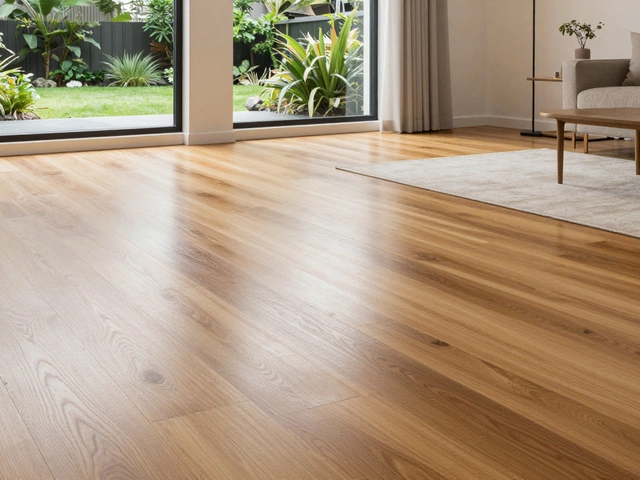
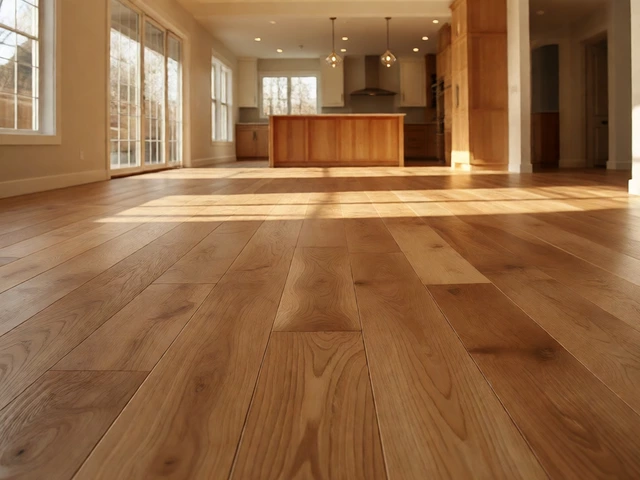
Real estate agents in New Zealand consistently report that solid hardwood floors - especially oak, jarrah, and kauri - add the most value to homes. Buyers don’t just like them; they expect them. A 2024 survey by Real Estate Institute of New Zealand found that homes with original or refinished hardwood floors sold for an average of 8-12% more than comparable homes with carpet or laminate.
Why? Hardwood is durable, timeless, and easy to clean. It doesn’t trap dust, pet hair, or allergens like carpet does. It also lasts decades. I’ve seen homes in Ponsonby and Remuera with 70-year-old jarrah floors that still looked better than new vinyl installed last year. Buyers know they’re not just buying a floor - they’re buying a long-term asset.
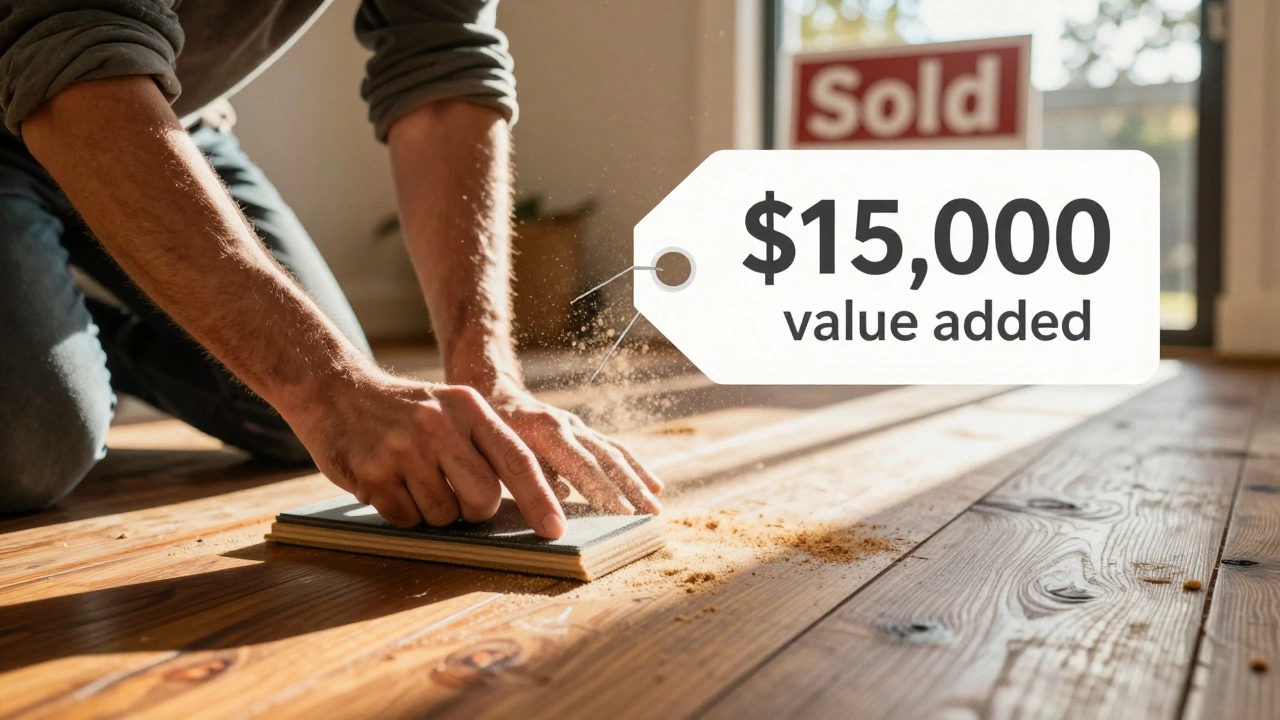
Even if your hardwood is scratched or dull, a simple sanding and resealing can cost under $1,500 for an average home and return 3-5 times that in added value. It’s one of the few home upgrades where you actually make money back - and then some.
Engineered Wood: The Smart Alternative
Not every home can handle solid hardwood. Basements, ground floors with high moisture, or homes on concrete slabs? Solid wood can warp. That’s where engineered wood steps in.
Engineered wood has a thin top layer of real hardwood bonded to layers of plywood. It’s stable, resists moisture better, and can be installed over radiant heating or concrete. In Auckland’s damp climate, this matters. A 2025 study by the New Zealand Building Research Association found that engineered oak floors increased home value by 7-10%, nearly matching solid hardwood.
The big plus? You get the look and feel of real wood without the risk. And unlike cheap laminate, engineered wood can be sanded and refinished once or twice. That’s a huge selling point for buyers who want authenticity without the maintenance headaches.
Luxury Vinyl Plank: The Rising Contender
Luxury vinyl plank (LVP) has come a long way. Today’s best LVP looks so much like wood or stone that even professionals struggle to tell the difference. Brands like Karndean, COREtec, and Shaw’s Floorte Pro now offer textures that mimic the grain, knots, and even the slight imperfections of real timber.
It’s waterproof, scratch-resistant, and costs about half as much as real wood. For homes targeting first-time buyers or rental investors, LVP is becoming the go-to. In suburbs like Manukau and Botany, homes with high-end LVP sold just as fast as those with hardwood - sometimes faster - because buyers appreciated the low upkeep.
But here’s the catch: LVP doesn’t add as much value as real wood. It adds comfort, convenience, and modern appeal - but not the same emotional weight. Buyers see it as a cost-effective choice, not a premium feature. So if your goal is to maximize resale value, LVP is a solid second choice, not the winner.
What Flooring Lowers Value?
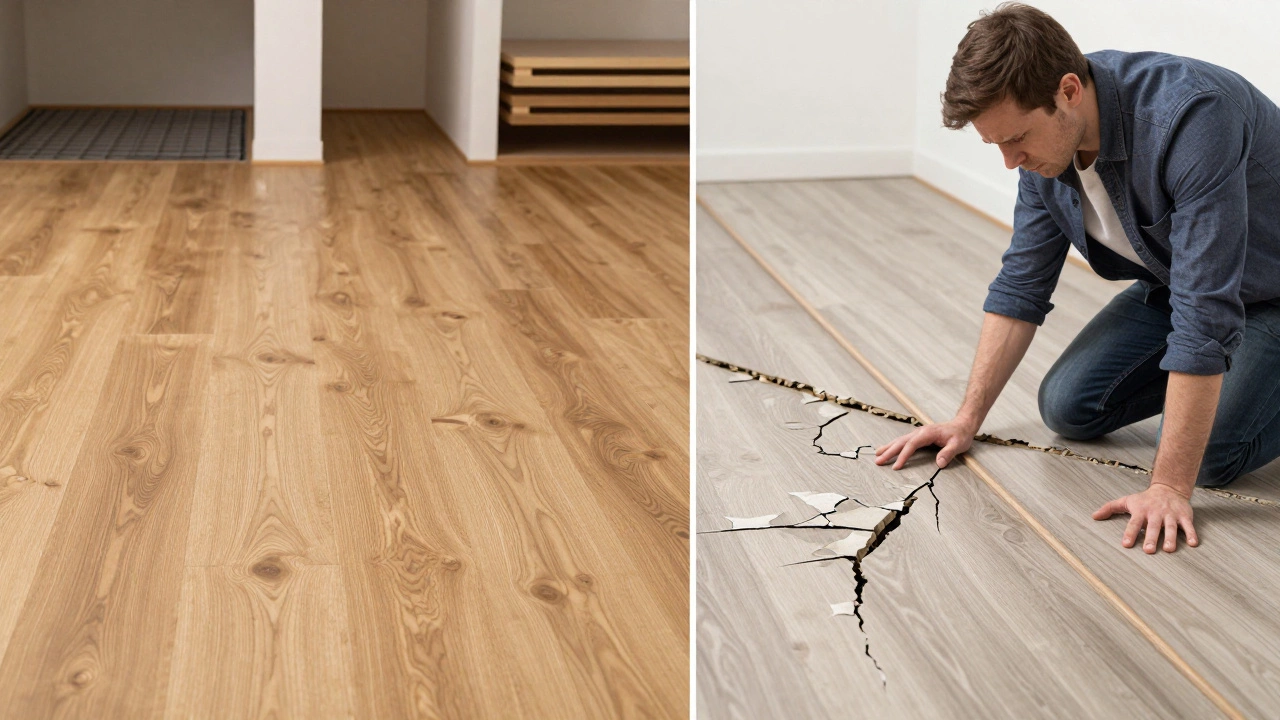
Not all flooring is created equal - some actually hurt your home’s appeal.
Carpet is the biggest offender. Even if it’s clean, buyers assume it’s hiding stains, odors, or allergens. In Auckland’s humid climate, old carpet can harbor mold. A 2023 real estate report from Barfoot & Thompson showed that homes with carpet in living areas took 22% longer to sell than those with hard flooring.
Low-grade laminate is another red flag. Thin, glossy, plastic-looking planks scream “cheap renovation.” Buyers associate them with rental properties or quick flips. If you’ve got this, replace it. The cost to swap out cheap laminate with LVP or engineered wood is often less than $3,000 - and the return is immediate.
Tile in living areas? It’s fine in kitchens and bathrooms, but cold, hard tile in the lounge or hallway feels impersonal. Unless it’s high-end natural stone with underfloor heating, it’s a turnoff.
What Buyers Actually Look For
It’s not just about the material - it’s about the condition and consistency.
Buyers don’t want mismatched floors. One room with hardwood, another with vinyl, another with carpet? It looks like you patched things together. Consistency matters more than perfection. A slightly worn but uniform hardwood floor beats a brand-new but clashing mix of materials.
Also, color matters. Light to medium tones - think natural oak, ash, or walnut - sell best. Dark floors show dust and scratches more. Too light? They can look washed out in Auckland’s overcast winters. Stick to mid-tones that reflect light without being too sterile.
And don’t forget the transition strips. A messy edge between rooms or a crooked threshold looks amateurish. Clean, seamless transitions signal quality workmanship.
Cost vs. Return: The Numbers
Here’s what you’re likely to spend and get back in Auckland’s market (2025 data):
| Flooring Type | Cost to Install (avg. 120m²) | Estimated Value Added | ROI |
|---|---|---|---|
| Hardwood (solid oak/jarrah) | $12,000-$18,000 | $15,000-$22,000 | 120%-150% |
| Engineered wood | $8,000-$12,000 | $11,000-$16,000 | 110%-140% |
| Luxury vinyl plank (high-end) | $4,000-$7,000 | $6,000-$9,000 | 120%-150% |
| Low-grade laminate | $2,500-$4,000 | $1,000-$2,500 | 50%-80% |
| Carpet (new) | $3,000-$5,000 | $0-$1,500 | 0%-30% |
Notice something? LVP gives you the highest ROI - but hardwood gives you the highest absolute value. If you’re planning to sell within 2-3 years, LVP makes sense. If you’re aiming for top dollar and have the budget, go with real wood.
Pro Tips for Maximum Value
- Refinish, don’t replace - if your hardwood is under the carpet, it might still be good. A pro can lift the carpet, sand, and seal it for under $3,000.
- Match the tone of your kitchen and bathroom floors. If you have stone tiles in the kitchen, avoid clashing wood tones in the hallway.
- Don’t install new flooring right before listing. Let it settle. Buyers notice new, shiny floors that haven’t been lived in - it looks staged.
- Use area rugs strategically. A neutral, high-quality rug can soften hardwood without hiding it.
- Keep the same flooring throughout main living areas. Bedrooms can be carpet if you must, but never the living room, dining room, or entryway.
What About Underfloor Heating?
If you’ve got underfloor heating, your flooring options narrow. Not all wood works well with it. Engineered wood is the safest bet - it’s designed to handle temperature changes. Solid hardwood can crack. LVP is fine, as long as it’s rated for radiant heat.
And yes - homes with underfloor heating and compatible flooring sell faster. Buyers in Auckland increasingly expect it, especially in new builds and renovated homes. It’s not a luxury anymore; it’s becoming standard.
Final Verdict
If you want to add the most value to your home, go with real wood - solid hardwood if you can afford it, engineered wood if you need moisture resistance. It’s the only flooring type that consistently boosts resale value, appeals to the widest range of buyers, and lasts longer than most homeowners expect.
Luxury vinyl plank is a smart, budget-friendly alternative - especially if you’re targeting younger buyers or investors. But it won’t give you the same emotional pull or long-term prestige.
And avoid anything that looks cheap, patchy, or dated. Carpet, thin laminate, and mismatched tiles are value killers. Don’t just update your floor - upgrade your home’s story. Buyers aren’t just buying a house. They’re buying the idea of a home that’s cared for, durable, and timeless.
Does engineered wood really add as much value as solid hardwood?
Yes, in most cases. Engineered wood adds 7-10% to home value, nearly matching solid hardwood’s 8-12%. The key difference is durability over time - solid wood can be refinished 5-7 times, while engineered wood typically lasts 2-3 refinishing cycles. But for most homeowners selling within 10 years, the value gain is virtually identical.
Is luxury vinyl plank worth it for resale?
It depends on your market. In Auckland, high-end LVP is a strong second choice - especially in homes targeting first-time buyers or rentals. It offers excellent ROI and fast sales, but it won’t command the same premium as real wood. Buyers see it as practical, not luxurious. Use it if budget is tight, but don’t expect it to be the star of your listing.
Should I replace carpet before selling?
Always. Even if the carpet is clean, buyers assume it hides allergens, pet odors, or mold - especially in Auckland’s damp climate. Replacing carpet with hardwood or LVP in living areas can reduce time on market by 30% and increase offers by up to 10%.
What color flooring sells best in New Zealand?
Light to medium tones like natural oak, ash, and walnut are the safest. They reflect limited natural light in winter and feel warm without being too dark. Avoid very dark stains (they make rooms feel smaller) and overly white or bleached looks (they show dirt too easily). Stick to tones that mimic the natural wood grain.
Can I install new flooring myself to save money?
You can install LVP yourself - it’s designed for DIY. But hardwood and engineered wood require precision cutting, acclimation, and nailing or gluing. A bad installation shows up fast: gaps, creaks, uneven edges. Buyers notice. Hiring a pro for wood floors is worth every dollar - it protects your investment and your sale price.