What Is the Most Expensive Part of a Bathroom Remodel?
Bathroom Remodel Cost Calculator
Estimate Your Bathroom Renovation Cost
Based on New Zealand renovation costs in 2025. Your total cost will vary based on location and complexity.
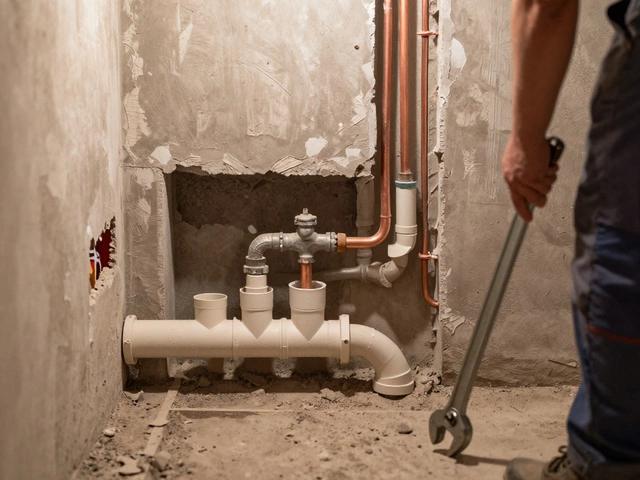
When you’re planning a bathroom remodel, it’s easy to get excited about fancy tiles, modern vanities, or that huge rainfall showerhead. But the real bill killer? It’s not what you see-it’s what’s behind the walls.
Plumbing Is the Hidden Giant
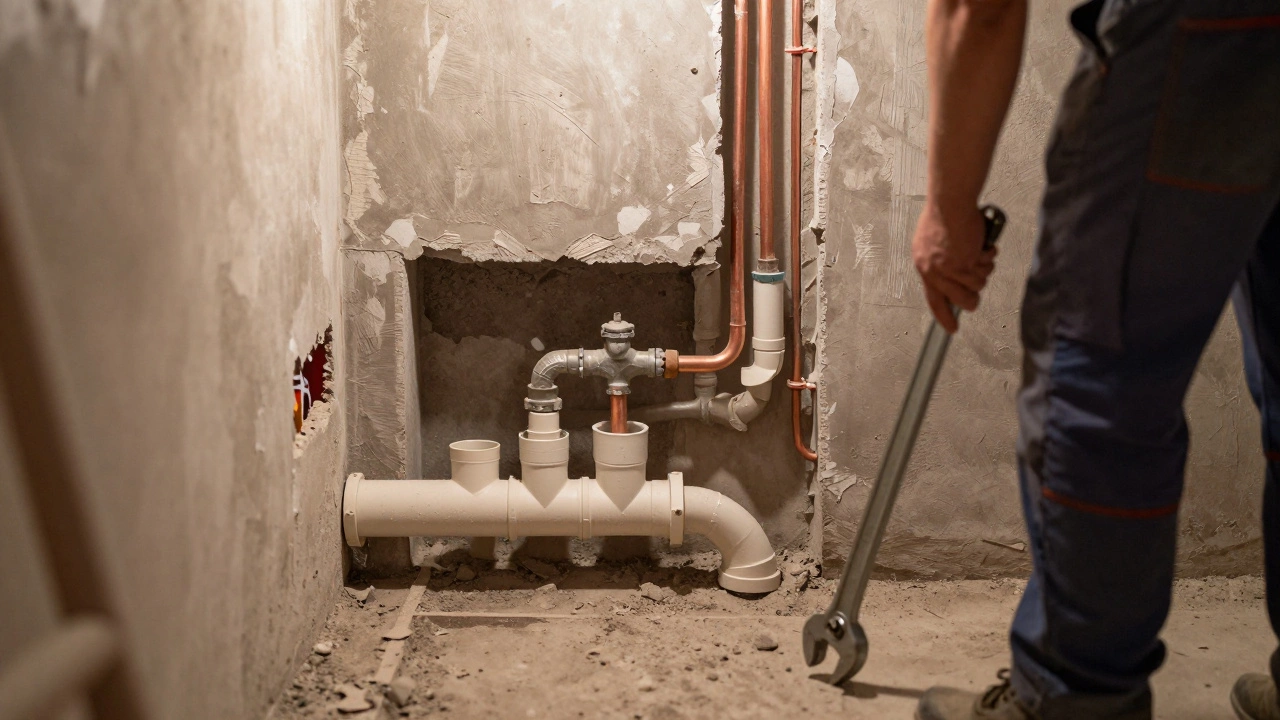
Most people assume the tile or the vanity is the biggest expense. It’s not. Plumbing is. Moving pipes, rerouting drains, or adding new water lines can cost anywhere from $2,500 to $8,000 in a standard bathroom remodel in New Zealand. Why so much? Because it’s not just about swapping out a faucet. It’s about breaking open floors, cutting into walls, dealing with old cast iron or galvanized pipes that crumble when you touch them, and making sure everything meets current building codes.
In Auckland, many homes built in the 70s and 80s have outdated plumbing. If your bathroom is on the second floor, you might need to run new lines through ceiling joists. If you’re moving the toilet even a foot to the left, you’re likely reconfiguring the entire waste stack. That’s labor-intensive, time-consuming, and requires licensed plumbers. A plumber charges $85 to $120 an hour here, and a full re-plumb can take two to three days.
And don’t forget the water supply lines. Copper is expensive, PEX is cheaper but still adds up when you’re running new lines to a new shower, bidet, and dual sinks. Then there’s the pressure testing, permits, and inspections. One homeowner I spoke to in Ponsonday spent $6,200 just on plumbing-more than the entire vanity, tiles, and lighting combined.
Why Moving Fixtures Costs So Much
You might think, “I’ll just move the sink a bit.” But that’s not how it works. Every fixture has a drain and a water line. The drain needs to slope at exactly 1/4 inch per foot to avoid clogs. If you shift the toilet six inches, you might need to re-route the entire waste line under the floor. That means breaking up concrete, possibly dealing with floor joists, and installing new PVC or ABS piping.
Same with showers. If you want a walk-in shower where the old tub was, you’ll need to re-slope the entire subfloor. That’s not just a layer of mortar. It’s structural. You’re removing the old pan, installing a new waterproof membrane, adding a new drain assembly, and making sure the slope directs water perfectly to the outlet. A bad slope means standing water, mold, and a ruined subfloor within a year.
And if your bathroom is above a garage or another room? You’re now dealing with ceiling access, insulation, and noise concerns. All of that adds layers of complexity-and cost.
Electrical Isn’t Cheap Either
Plumbing might be the biggest, but electrical is a close second. Modern bathrooms need more than one light. You want heated floors, a ventilation fan, LED mirrors, towel warmers, USB outlets, and maybe even a smart toilet. Each of these needs its own circuit or at least a dedicated breaker.
Older homes often have 15-amp circuits meant for a single light and outlet. Now you’re adding a 1500-watt heated floor and a 120-watt towel warmer. That’s a 1620-watt load-more than half the capacity of a standard circuit. You can’t just plug it in. You need a new circuit run from the panel, possibly upgrading the panel itself if it’s outdated.
In Auckland, electricians charge $75 to $110 an hour. A full bathroom electrical upgrade-new wiring, GFCI outlets, dedicated circuits for heating, and lighting controls-can easily hit $3,000 to $5,000. And if your house has knob-and-tube wiring? That’s a whole other project. You’ll need to rewire the entire bathroom, and possibly parts of the house, to meet safety standards.
Tile and Fixtures Are Overrated
Here’s the truth: you can buy beautiful, durable tiles for $30 to $60 per square meter in New Zealand. A mid-range vanity? $1,200 to $2,500. A decent shower screen? $800. These look expensive, but they’re not the money pits.
People spend hours scrolling through Instagram for the perfect hexagon tile or matte black faucet. But those choices rarely break the bank. The real cost comes when you change your mind after the walls are open. That’s when you’re stuck paying for demolition, re-plumbing, and re-tiling because the new vanity doesn’t fit the old drain location.
One couple in Takapuna spent $14,000 on their remodel. They thought they’d spend $8,000 on tiles and fixtures. Turns out, $9,500 went to plumbing and electrical. They kept the same $1,800 vanity and $4,000 worth of tiles-they just moved them slightly. The cost wasn’t the stuff. It was the work behind it.
Waterproofing Is Non-Negotiable
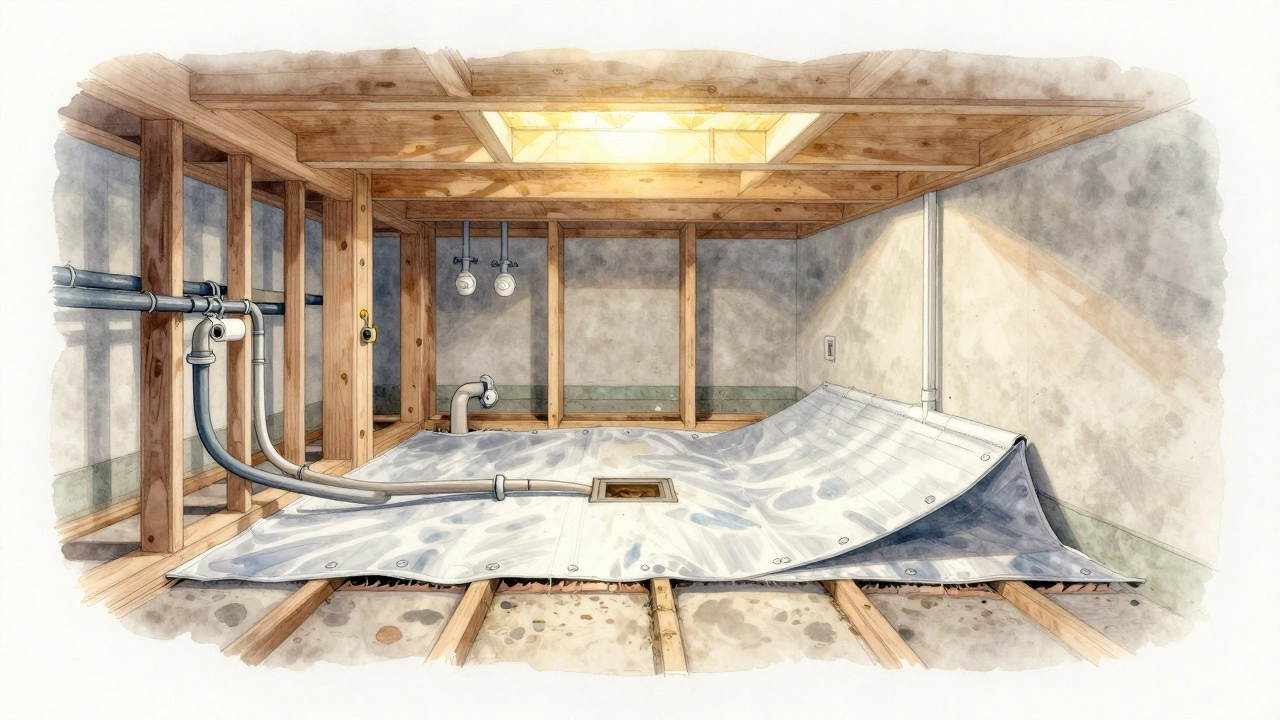
You can’t skip this. If your bathroom leaks, you’re not just dealing with a wet floor. You’re dealing with rot, mold, structural damage, and insurance claims. A failed waterproofing job can cost $15,000 to fix later.
Professional waterproofing includes applying liquid membrane over the entire shower area, extending it up the walls at least 180mm, sealing around pipes, and doing a 24-hour flood test. It’s not just slapping on a sheet of plastic. It’s a multi-layer system: membrane, tape, sealant, and inspection.
DIY waterproofing is tempting. But one mistake-a pinhole in the membrane, a gap around the drain-and you’re inviting mold into your walls. A professional job here runs $1,500 to $3,000. It’s not glamorous. But it’s the difference between a bathroom that lasts 20 years and one that needs a full rebuild in five.
What You Can Save On
There are places to cut costs without sacrificing quality:
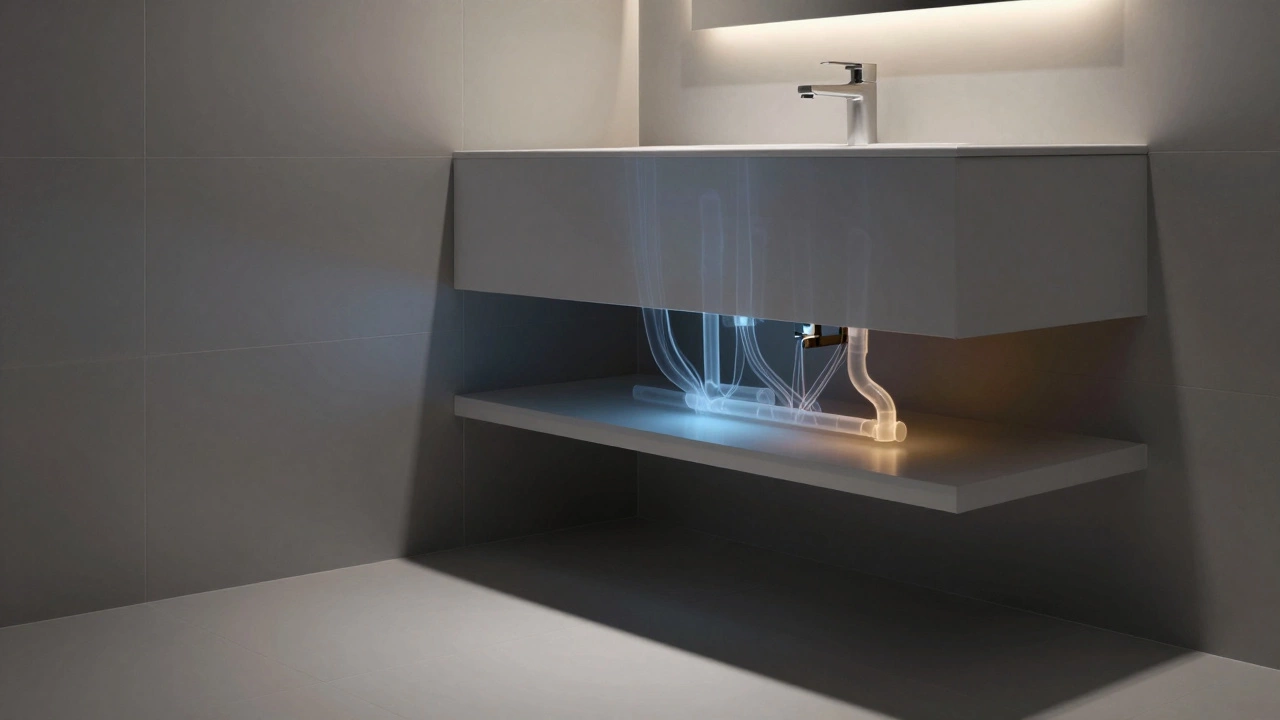
- Keep the existing layout. Don’t move the toilet, sink, or shower. That alone can save $4,000 to $7,000.
- Reuse your vanity if it’s in good shape. Refinish it instead of replacing it.
- Choose standard-sized tiles. Custom cuts mean more waste and more labor.
- Buy fixtures from local suppliers like Bunnings or Trade Me. You’ll save 20-30% over imported designer brands.
- Do your own demolition. Removing old tiles, cabinets, and fixtures is messy but not dangerous if you’re careful.
One Auckland homeowner saved $5,000 by keeping the original plumbing layout and just replacing the vanity, toilet, and showerhead. The result? A fresh, modern bathroom for $11,000 instead of $18,000.
What to Budget For
Here’s a realistic breakdown for a mid-range bathroom remodel in New Zealand (2025 prices):
| Item | Estimated Cost (NZD) |
|---|---|
| Plumbing | $3,000-$8,000 |
| Electrical | $2,500-$5,000 |
| Waterproofing | $1,500-$3,000 |
| Tiles and flooring | $2,000-$5,000 |
| Vanity and fixtures | $1,500-$4,000 |
| Lighting and ventilation | $800-$2,000 |
| Permits and inspections | $500-$1,000 |
| Demolition and waste removal | $800-$1,500 |
The total? $13,000 to $28,000. But if you move plumbing or electrical, you’re likely on the higher end. If you keep everything in place? You can stay under $15,000.
Final Tip: Don’t Skip the Inspection
After the plumber and electrician finish, don’t just start tiling. Have a licensed inspector come in. They’ll check for proper slope, correct pipe sizing, secure connections, and waterproofing integrity. A failed inspection means tearing out work you’ve already paid for. One mistake here can cost you $2,000 or more in redo labor.
The most expensive part of a bathroom remodel isn’t the shiny stuff. It’s the invisible work that keeps your home safe and dry. Plan smart. Keep the layout simple. And don’t let the tile distract you from the pipes.
Is it cheaper to keep the same bathroom layout?
Yes. Keeping the toilet, sink, and shower in their original spots can save you $4,000 to $7,000. Moving plumbing lines is the biggest cost driver in a remodel. Even shifting a fixture a few inches can require cutting into floors, rerouting drains, and re-piping. Sticking to the existing layout keeps labor and material costs low.
Can I do the plumbing myself to save money?
In New Zealand, you need a licensed plumber to do any work that connects to the main water or sewer lines. Even if you’re handy, DIY plumbing on main lines is illegal and dangerous. You risk contamination, leaks, or failing inspections. You can do demolition or install a vanity, but leave the pipes to the pros.
Why is waterproofing so expensive?
Waterproofing isn’t just paint or plastic sheeting. It’s a multi-layer system: membrane, sealant, tape, and a flood test. It has to cover every joint, pipe penetration, and corner. A bad job leads to mold, rot, and structural damage. Professional waterproofing costs $1,500-$3,000 because it’s labor-intensive and requires certified materials. Skimping here can cost $10,000+ to fix later.
Should I upgrade my electrical system during a remodel?
Yes, if your home is older than 1990. Modern bathrooms need dedicated circuits for heated floors, towel warmers, and GFCI outlets. Upgrading from a single 15-amp circuit to multiple 20-amp circuits adds $2,500-$5,000. But it’s necessary for safety and to support today’s fixtures. Skipping this risks tripped breakers or electrical fires.
What’s the biggest mistake people make when remodeling a bathroom?
Moving fixtures without checking the plumbing layout first. People fall in love with a new vanity or shower position, then realize the drain can’t reach it. That leads to expensive re-plumbing, delays, and stress. Always plan the layout before buying anything. Measure everything. Talk to a plumber. Don’t assume the old pipes will work with your new design.