What is Japanese Bedding? A Guide to Futons and Floor Sleeping
Japanese Bedding Planner
Find the perfect setup for your transition to floor sleeping.
Your Recommended System:
Select your preferences and click "Generate My Setup" to see your personalized Japanese bedding recommendations.
The Essentials of the Japanese Bedding System
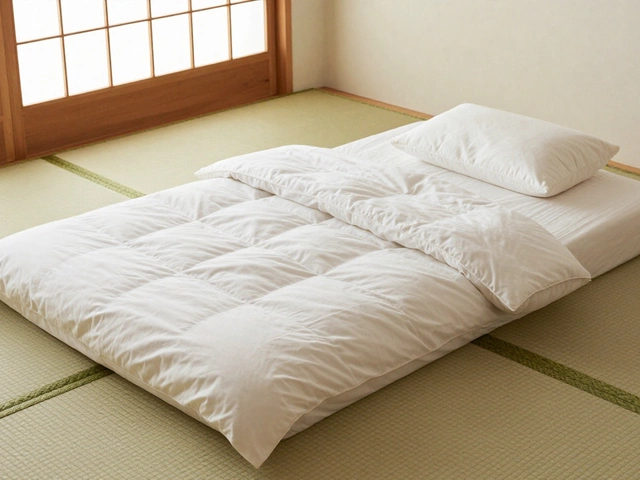
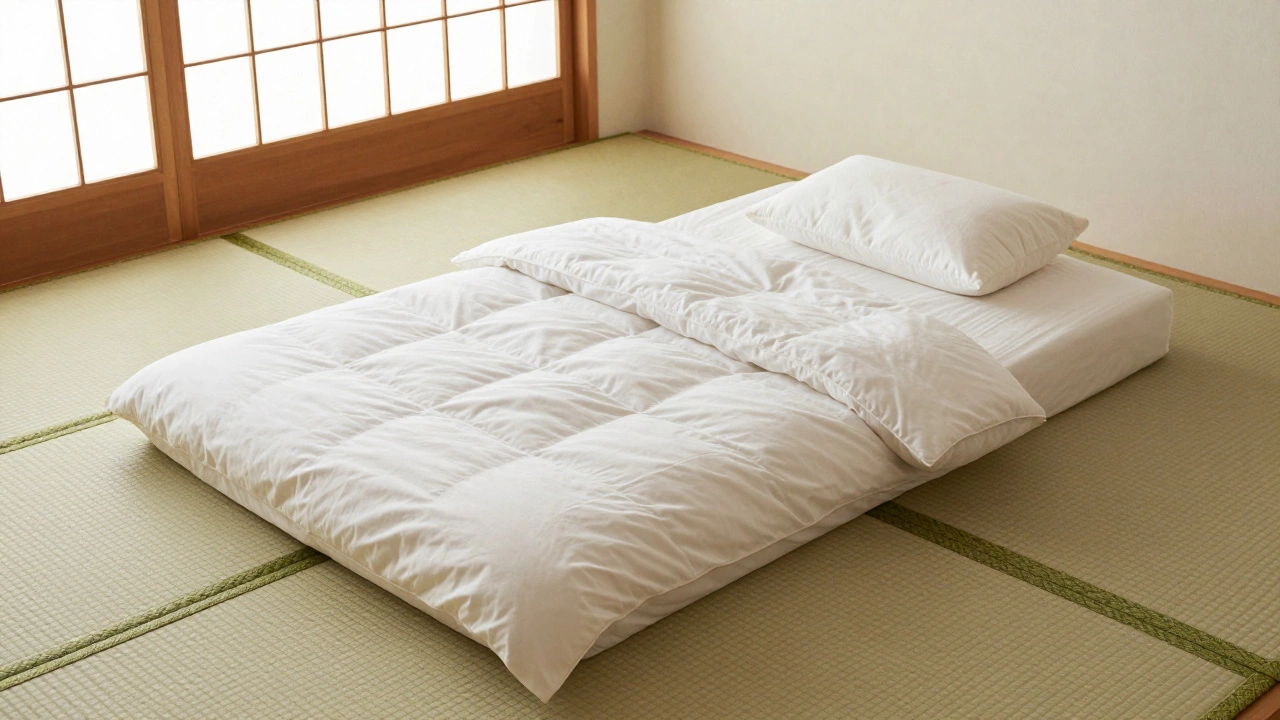
When people say "Japanese bedding," they aren't talking about a single product. It's actually a layered system designed for flexibility and hygiene. The heart of this setup is the Futon is a traditional Japanese style of bedding that consists of a padded mattress laid directly on the floor or a tatami mat. Unlike the western-style "futon" sofa beds we see in furniture stores, the authentic version is thinner, firmer, and designed to be folded away every single morning.
To get the full experience, you need to understand the three main components:
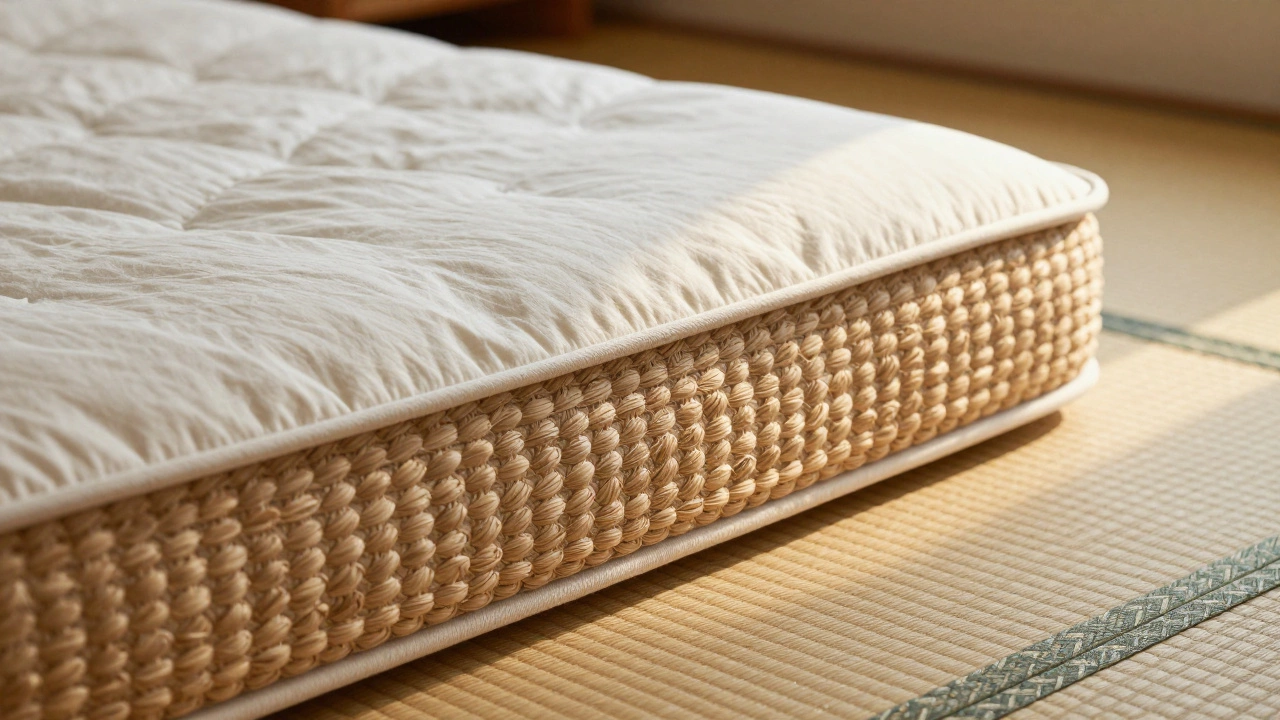
- Shikibuton: This is the actual sleeping mattress. It's usually filled with cotton or synthetic fibers and provides a firm support system that's surprisingly good for your back.
- Kakebuton: This is the duvet or quilt. Because floor sleeping can feel colder than being elevated, these quilts are designed to trap heat efficiently.
- Makura: The pillow. Traditional versions were often filled with buckwheat hulls, which mold to the shape of your neck better than memory foam.
The Secret Ingredient: Tatami Mats
You can't really talk about Japanese bedding without mentioning the Tatami is a type of flooring mat made from traditionally woven soft rush grass. It acts as the foundation for the shikibuton. If you put a cotton mattress directly on a cold hardwood floor, you'll likely wake up with a damp spot under you. Why? Because your body heat meets the cold floor, creating condensation. Tatami solves this. It's breathable, naturally antimicrobial, and provides a slight cushion so you aren't sleeping on raw concrete or wood.
| Feature | Japanese Futon System | Western Mattress/Bed |
|---|---|---|
| Space Usage | Foldable; clears room by day | Permanent footprint |
| Firmness | High/Firm (Orthopedic) | Variable (Soft to Firm) |
| Airflow | High (requires daily airing) | Low (traps dust/moisture) |
| Portability | Very Easy to move | Difficult/Heavy |
Why People are Switching to Floor Sleeping
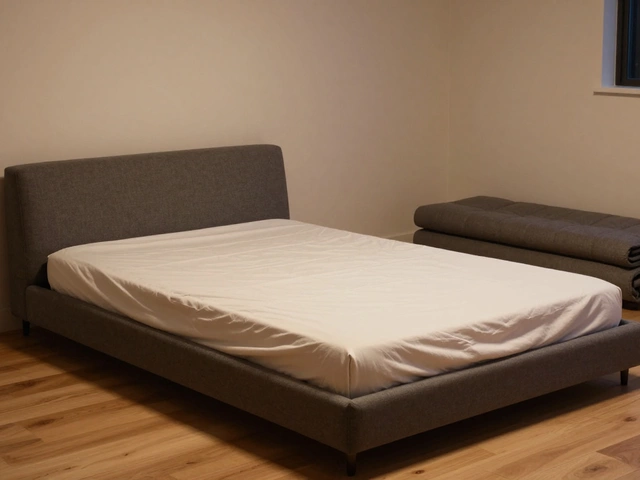
It's not just about the aesthetic. There are some very practical reasons why Japanese bedding is making a comeback in modern apartments. First, think about your square footage. In a city like Tokyo-or even a tiny studio in New York-a queen-sized bed frame is a luxury that takes up 40% of the room. When you use a futon, your bedroom becomes a living room, an office, or a yoga space the moment you fold the bed up.
Then there's the health angle. Many people find that a firmer surface reduces lower back pain. When a mattress is too soft, your spine curves like a hammock, which is why you might wake up feeling stiff. The shikibuton keeps your spine neutral. Just keep in mind that it takes a week or two for your body to adjust if you've spent your whole life on a pillow-top mattress.
Maintenance: The Part Nobody Tells You
Here is the catch: you can't just lay a futon down and forget about it for five years like you do with a Spring mattress. Because it sits on the floor, it absorbs moisture from your body. If you leave it rolled out permanently, you're basically inviting mold to move in. To keep it fresh, you have to follow a few rules:
- Daily Folding: Fold your futon every morning. This allows the underside to breathe and prevents moisture buildup.
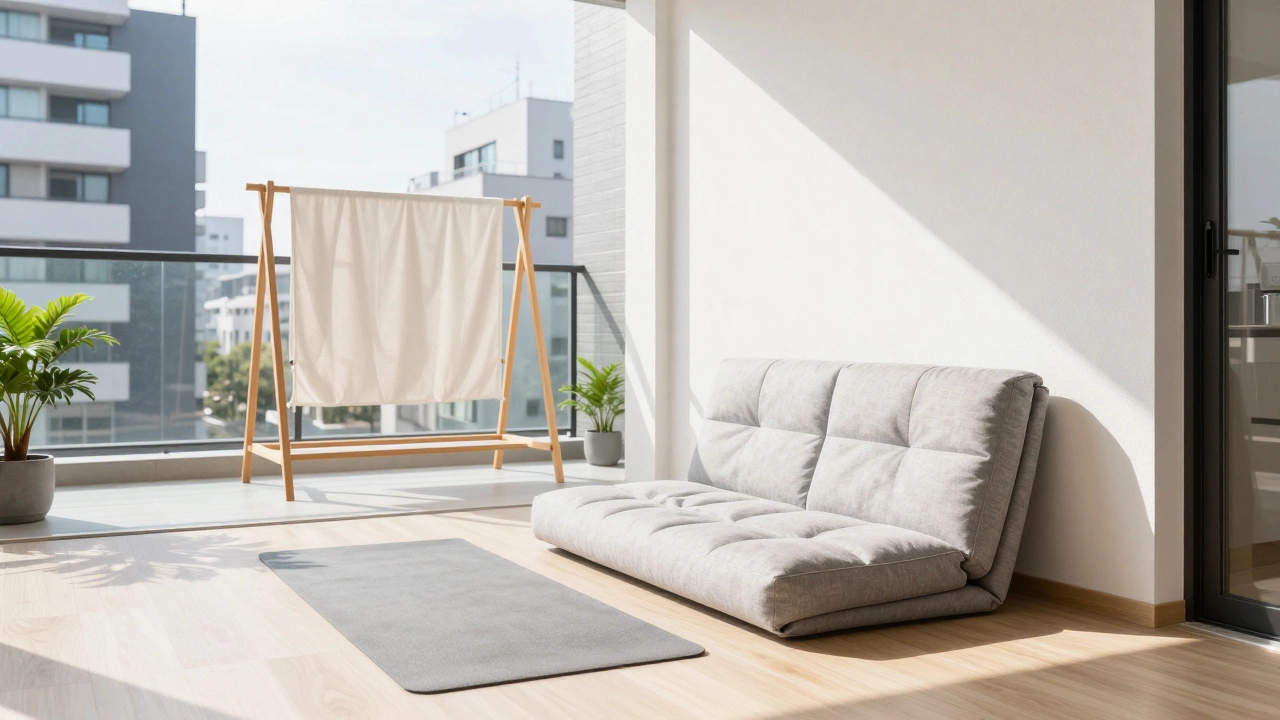
- The Sun Bath: Once a week, hang your shikibuton over a balcony or a drying rack in the sun. The UV rays kill bacteria and the air fluffs up the cotton filling.
- Beating the Dust: Using a traditional bamboo beater to whack the futon helps knock out dust mites and keeps the padding from clumping.
Integrating Japanese Style into a Modern Home
You don't have to live in a traditional minka house to make this work. If you're worried about the transition, start by getting a few Tatami Mats is modular floor coverings that can be placed over existing carpets or tiles . This gives you the moisture-wicking benefits without having to renovate your entire floor.
For those who find the floor too hard, there are modern "hybrid" futons. These use a mix of high-density foam and traditional cotton. They give you that classic look and the ability to fold the bed away, but with a bit more "give" for your hips and shoulders. It's a great middle-ground if you're not ready to go full minimalist.
Common Mistakes to Avoid
One of the biggest blunders people make is buying a "Japanese Futon" from a big-box furniture store and thinking it's the same thing. Often, these are just thin mattresses for sofa beds. A real shikibuton is specifically designed for the floor and has a different density. If it's too thin, you'll feel every bump in the floor; if it's too thick, it won't fold or breathe properly.
Another mistake is ignoring the temperature. Floor sleeping is closer to the cold air of the ground. If you live in a place with freezing winters, you'll need a heavier kakebuton (duvet) than you'd use on a bed frame. Don't underestimate the power of a good quality wool or down quilt to keep you warm when you're just inches from the floor.
Is sleeping on a futon good for back pain?
For many, yes. The firmness of a traditional shikibuton prevents the spine from sagging, which can reduce pressure on the lower back. However, if you have specific medical conditions or are very lean, the lack of cushioning on the hips might be uncomfortable. It's usually best to transition slowly.
How often should I air out my futon?
Ideally, you should fold it every single day. For a deep clean, hanging it in the sun once a week is the gold standard. This prevents mold and keeps the cotton filling from becoming compressed and hard.
Can I put a futon directly on a carpet?
You can, but it's not recommended for the long term. Carpets can trap moisture and aren't as breathable as tatami. Using tatami mats between the carpet and the futon is the best way to ensure your bedding stays dry and hygienic.
What is the difference between a Western futon and a Japanese one?
Western futons are typically mattresses designed for wooden or metal frames (often used as sofa beds). Japanese futons (shikibutons) are thin, foldable cotton mats designed specifically to be placed directly on the floor and stored in a closet during the day.
Do I need a special pillow for floor sleeping?
You don't *need* one, but traditional buckwheat pillows (soba pillows) are popular because they don't trap heat and provide a firmer support that aligns with the firm feel of the mattress.
Next Steps for Your Bedding Upgrade
If you're ready to try this out, don't throw away your current bed just yet. Start by buying a single set of tatami mats and a shikibuton. Try it for two weeks in a guest room or a corner of your bedroom. Give your body time to adjust to the firmness. Once you realize how much extra space you have in your room when the bed is folded away, you'll probably find it hard to go back to a bulky frame.