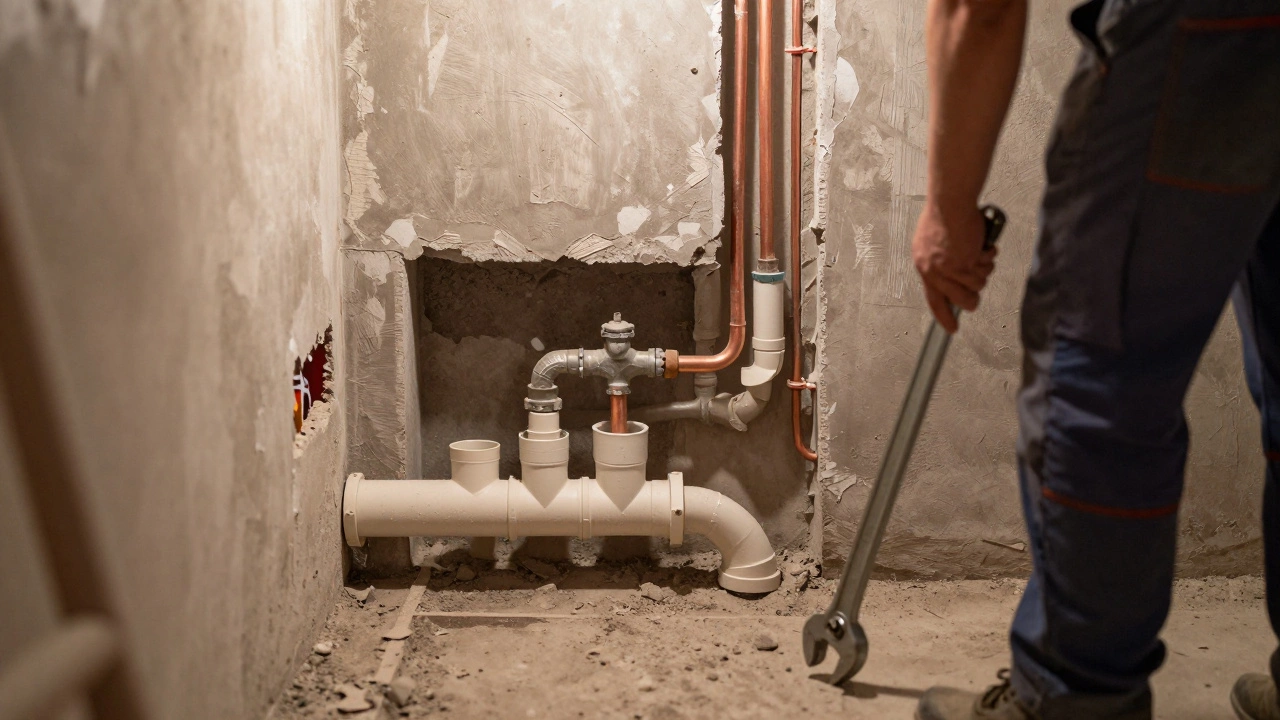
The most expensive part of a bathroom remodel isn't the tiles or vanity-it's plumbing and electrical work hidden behind the walls. Learn what really drives up costs and how to avoid expensive mistakes.
When it comes to home repairs, plumbing costs, the expenses tied to installing, fixing, or replacing water and drainage systems in a home. Also known as pipe work, it’s one of the most common—and often most surprising—parts of any renovation. You might think a leaky faucet is just a drip, but if it’s connected to old pipes or hidden behind walls, the real cost can quickly climb. Plumbing isn’t just about turning on a tap; it’s about pressure, materials, labor, and local codes. In the UK, where many homes have aging systems, getting it right the first time saves money, stress, and water damage down the line.
Most people don’t realize how much bathroom renovation, a project that almost always involves moving or replacing pipes, drains, and fixtures. Also known as bathroom remodel, it’s one of the biggest drivers of plumbing expenses. A simple swap of a toilet or sink might only cost a few hundred pounds, but if you’re moving fixtures, rerouting pipes, or dealing with old cast iron drains, you’re looking at thousands. The same goes for water heater replacement, a task that requires gas or electrical connections, drainage lines, and sometimes structural adjustments. Also known as hot water system upgrade, it’s a job where cutting corners leads to leaks, inefficiency, or even safety hazards. And let’s not forget pipe repair, whether it’s fixing a burst pipe after winter or replacing corroded copper lines. Also known as leak repair, it’s often the hidden cost that catches homeowners off guard.
The plumbing trade, a skilled profession that handles everything from drain cleaning to full system design. Also known as pipefitter, it’s one of the most in-demand jobs in construction because there’s no way around it—every home needs water, and someone has to make sure it flows safely. That’s why licensed plumbers charge what they do: training, insurance, tools, and the fact that one mistake can flood your house. DIY might look tempting, but without the right permits and knowledge, you risk violating building codes, voiding insurance, or causing damage that costs more to fix than hiring a pro in the first place.
What you’ll find in the posts below isn’t just a list of prices—it’s the real talk about what drives those numbers. You’ll see how a small bathroom remodel in 2025 can stay under $10,000 with smart choices, why some foundation cracks tie back to poor drainage, and how the best trades in construction aren’t always the ones you see first. Whether you’re fixing a drip, upgrading a kitchen, or planning a full renovation, the goal isn’t to spend the least—it’s to spend wisely. And that starts with knowing what’s normal, what’s a rip-off, and what you can actually do yourself.
The most expensive part of a bathroom remodel isn't the tiles or vanity-it's plumbing and electrical work hidden behind the walls. Learn what really drives up costs and how to avoid expensive mistakes.