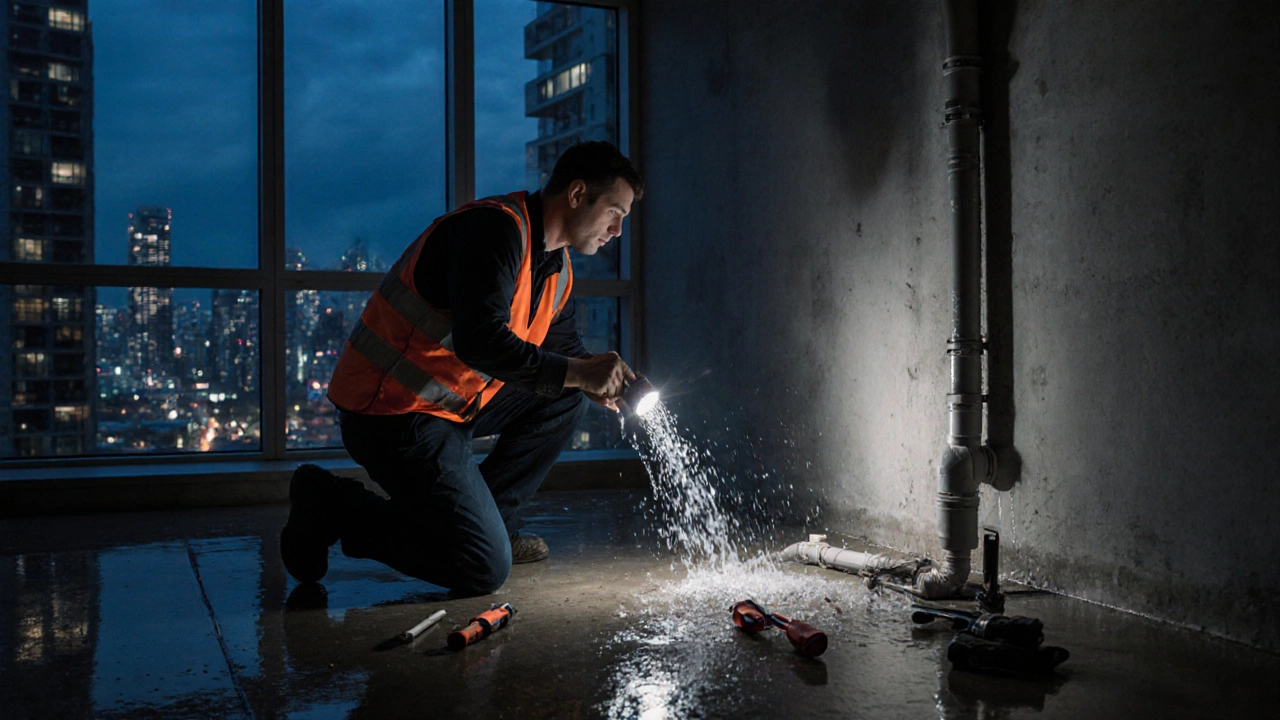
Plumbing and electrical trades offer the best pay, job security, and independence in construction. Learn why these skilled trades beat carpentry and laboring in long-term earnings and career growth.
When you flip a switch and the light comes on, you’re seeing the result of the electrical trade, a skilled profession that designs, installs, and maintains the systems that power homes and buildings. Also known as electrical installation, it’s not just about wires and outlets—it’s about safety, code compliance, and making sure your home works without surprises. This isn’t a job you can DIY safely. A single mistake in wiring can lead to fires, shocks, or costly damage. That’s why licensed electricians are part of nearly every home project, whether you’re adding a new bathroom, upgrading your kitchen, or just replacing an old fixture.
The electrical trade, a skilled profession that designs, installs, and maintains the systems that power homes and buildings. Also known as electrical installation, it’s not just about wires and outlets—it’s about safety, code compliance, and making sure your home works without surprises. This isn’t a job you can DIY safely. A single mistake in wiring can lead to fires, shocks, or costly damage. That’s why licensed electricians are part of nearly every home project, whether you’re adding a new bathroom, upgrading your kitchen, or just replacing an old fixture.
The electrician, a certified professional who installs and repairs electrical systems in residential and commercial buildings doesn’t just work with wires. They plan circuits, calculate load capacity, and make sure your breaker panel can handle modern appliances. If you’re installing a new range, adding smart lighting, or putting in a hot tub, you need someone who knows how much power those devices pull—and how to route it without overloading the system. The home wiring, the network of cables, conduits, and outlets that deliver electricity throughout a building in older homes often can’t support today’s devices. That’s why rewiring is a common part of renovations. And it’s not just about adding more outlets—it’s about making sure the whole system is up to current safety standards.
electrical safety, a set of practices and standards designed to prevent shock, fire, and equipment failure in electrical systems isn’t optional. It’s the reason GFCI outlets are required in bathrooms, why circuits are split by room, and why you can’t just daisy-chain power strips. These rules exist because people have been hurt by cutting corners. The electrical systems, the complete network of components that generate, distribute, and use electrical power in a building in your home are invisible until something breaks. But when they do, it’s often expensive—and dangerous.
What you’ll find below isn’t a list of random articles. These are real questions from people who’ve dealt with faulty wiring, outdated panels, or confusing codes. They’re the stories behind the upgrades, the repairs, and the moments when people realized they needed help. Whether you’re wondering if your 1970s wiring is safe, how much it costs to add a circuit, or why your lights flicker—there’s a guide here that cuts through the noise. No fluff. No theory. Just what you need to know before you call an electrician—or decide you can handle it yourself.
Plumbing and electrical trades offer the best pay, job security, and independence in construction. Learn why these skilled trades beat carpentry and laboring in long-term earnings and career growth.