Commercial use in construction isn't about making money-it's about activity and impact. Learn what home projects cross the line into commercial use and how to stay legal under Auckland's zoning rules.
When you’re planning a home renovation, construction restrictions, rules set by local councils and national building codes that control how you can alter your property. Also known as building regulations, these rules aren’t just paperwork—they’re what keep your home safe, legal, and resale-ready. Too many people jump into a bathroom remodel or kitchen extension only to find out halfway through that they need planning permission, or worse, that their change violates structural safety rules. The truth? You can’t just knock down a wall, add a window, or raise your roof without checking what’s allowed.
These building regulations, technical standards covering everything from insulation and ventilation to fire safety and drainage are different from planning permission, the approval you need from your local council to change the look, size, or use of your property. One is about how you build, the other is about whether you can build at all. For example, putting in a new bathroom? You need to follow building regs for waterproofing and waste pipes. Turning your garage into a bedroom? That’s a planning issue—because you’re changing the home’s function. And if you live in a listed building or conservation area? You’re dealing with a whole other layer of rules. Many homeowners get tripped up thinking a small change doesn’t matter. But a new window in the front of a period home, or a side extension that blocks a neighbor’s light, can trigger enforcement—even if you didn’t mean to break the rules.
What you’ll find in the posts below isn’t just a list of rules—it’s real stories from people who’ve been through it. You’ll see how plumbing and electrical work hidden behind walls can blow budgets (and timelines), why dining rooms are vanishing as homes adapt to modern life, and how even something as simple as a floor crack can tie into foundation safety rules. Some projects cost $10,000 and take weeks. Others stall for months because someone skipped a permit. The posts cover what actually happens on the ground—not what’s on a government website. Whether you’re thinking about a bathroom upgrade, a house extension, or just replacing a roof, you’ll find practical advice on what’s allowed, what’s risky, and what you can do yourself without hiring a lawyer.
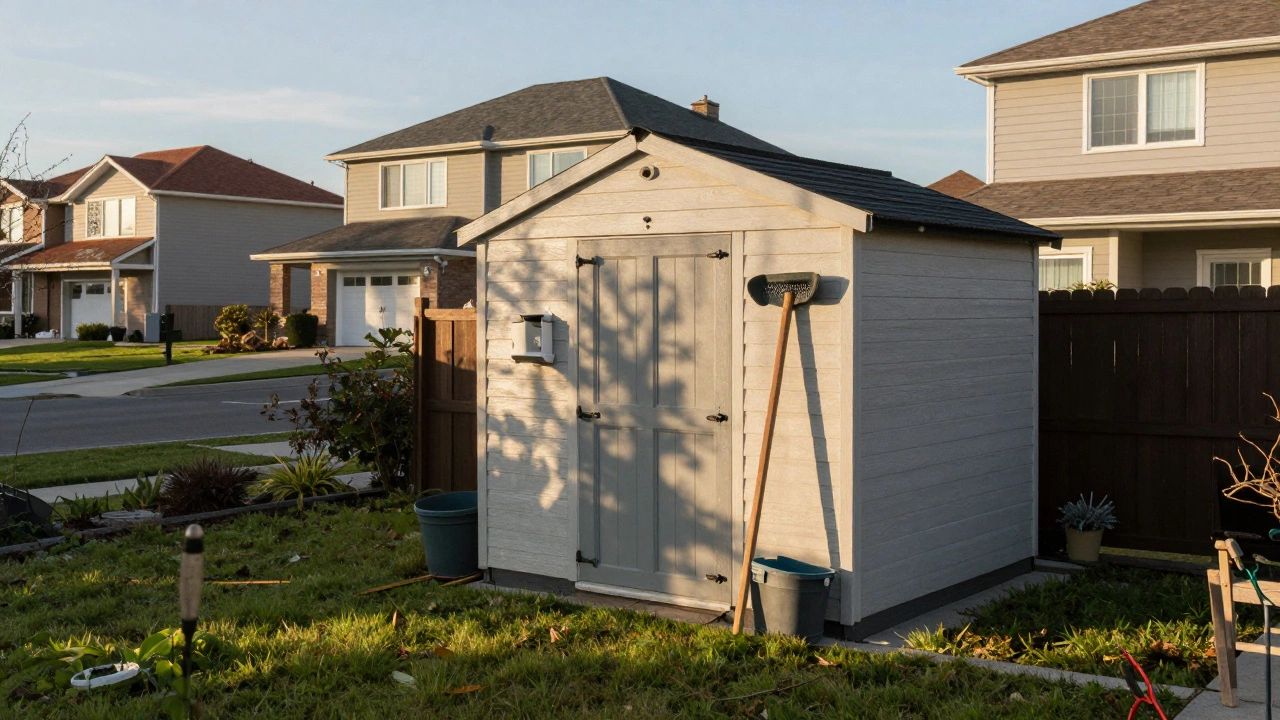
Don’t assume your project is too small to need approval. A shed bigger than 10 square meters? A porch? A new driveway that changes drainage? All of these can trigger restrictions. The goal isn’t to scare you—it’s to help you avoid costly mistakes. The right move isn’t always the cheapest one. Sometimes, the smartest choice is waiting for the right permit, not rushing to start. Below, you’ll find real-world examples of what works, what doesn’t, and what you need to know before you pick up a hammer.
Commercial use in construction isn't about making money-it's about activity and impact. Learn what home projects cross the line into commercial use and how to stay legal under Auckland's zoning rules.