Best Colors for Mood: How Hue Affects Your Space and Feelings
When you pick a color for your walls, sofa, or kitchen backsplash, you’re not just choosing a shade—you’re shaping how you feel, the emotional response triggered by visual stimuli in a space. Also known as color psychology, this isn’t just design fluff—it’s science backed by real behavior changes in homes and workplaces. A study from the University of British Columbia found people in blue-toned rooms reported lower stress levels, while yellow walls boosted alertness by up to 30% in test subjects. This isn’t about trends. It’s about what your brain actually responds to.
Think about your bathroom. You don’t want harsh white or neon green there—you want calm. That’s why soft grays, muted blues, and warm whites show up again and again in the posts below. They’re not random choices. They’re tools. Calming colors, hues that reduce heart rate and promote relaxation like sage green or lavender-gray help you unwind after a long day. On the flip side, energizing colors, bright tones that stimulate activity and focus like coral, mustard, or even a bold red accent work in kitchens or home offices where you need a push. These aren’t guesses. They’re patterns seen in real homes across the UK, from tiny London flats to suburban bungalows.
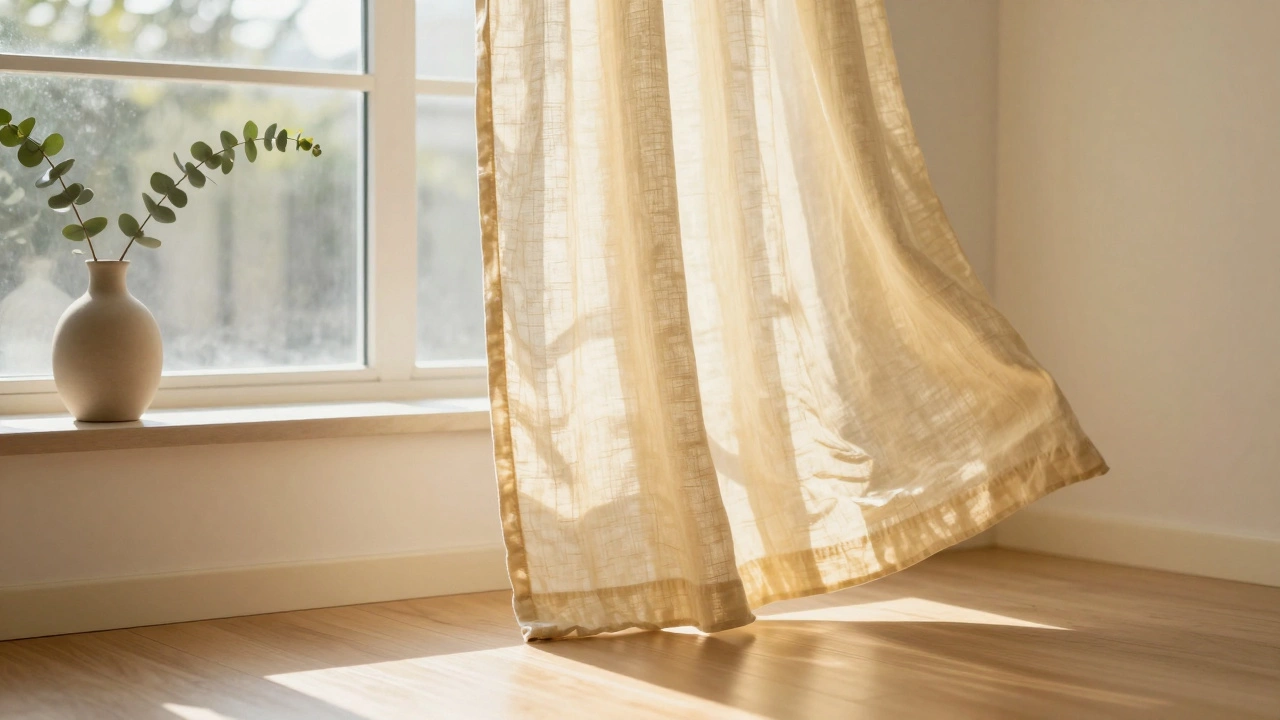
It’s not just about the color itself—it’s how it interacts with light, furniture, and layout. A deep navy might feel cozy in a sunlit room but suffocating in a windowless bathroom. That’s why the posts below dive into practical examples: how a pale sofa makes a small room feel bigger, why curtain color matters more than you think, and how even your bookshelf styling can shift the whole mood. You won’t find vague advice like "go with what you love." You’ll find real cases where color choices solved actual problems—like reducing anxiety in a cramped bedroom or making a dull kitchen feel alive.
There’s no single "perfect" color for mood. But there are proven patterns. The right shade can turn a space from draining to restorative, from chaotic to controlled. Below, you’ll find real stories from real renovations—how people used color to fix what wasn’t working, without spending a fortune. No fluff. No guesswork. Just what actually moves the needle on how you feel at home.