What Color Is Most Uplifting for Curtains?
Uplifting Curtain Mood Calculator
How Colors Affect Your Mood
Based on research from the University of Vienna and Color Research Institute, specific curtain colors can boost serotonin (55% of users report mood improvement) and reduce stress. This calculator estimates your potential mood impact.
Mood Impact Score
Recommendations
Ever walk into a room and instantly feel lighter, even if nothing else changed? Chances are, it was the curtains. They’re not just fabric on a rod-they’re the first thing your eyes land on when you wake up, and the last thing you see before you sleep. So if you’re trying to lift your mood, the color of your curtains matters more than you think.
Yellow Isn’t Just a Color-It’s a Mood Booster
Studies from the University of Vienna show that people exposed to warm yellow tones report higher levels of serotonin, the brain chemical linked to happiness. That’s why hospitals in Sweden use pale lemon-yellow walls in pediatric wings. And it’s why, in homes across New Zealand and beyond, yellow curtains are quietly becoming the go-to choice for living rooms and bedrooms.
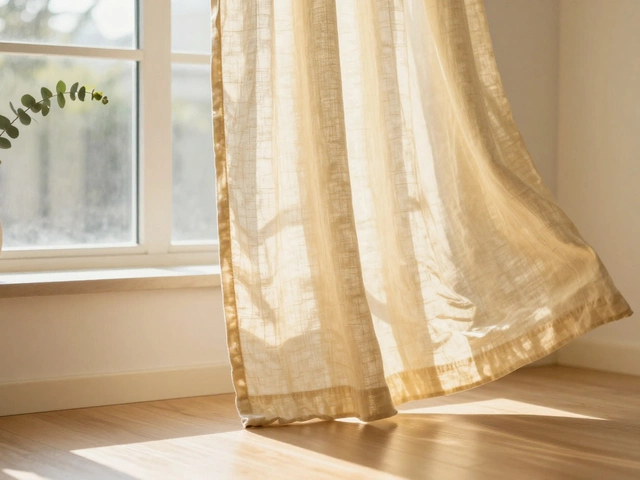
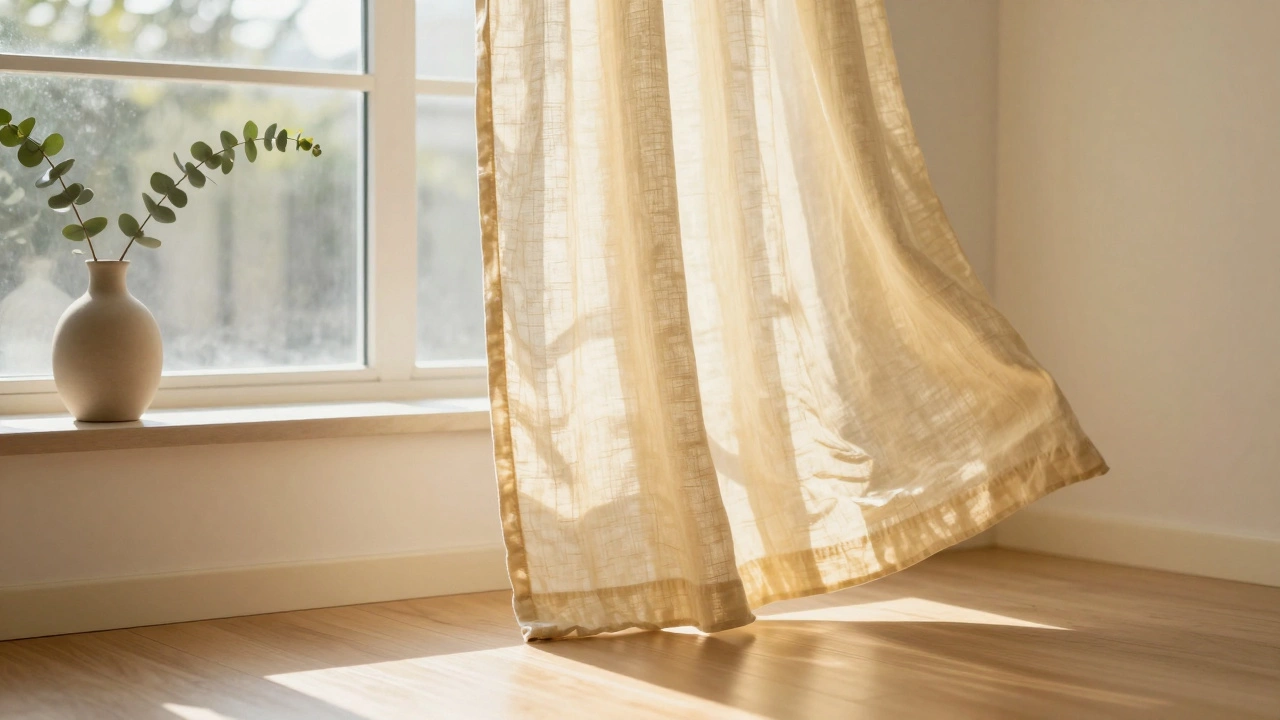
But not just any yellow. Think buttercream, not neon. A soft, sunlit shade like cream yellow works best because it reflects natural light without overwhelming the space. It doesn’t scream. It whispers cheer. Pair it with white walls and wooden floors, and you’ve got a room that feels like morning coffee on a clear day.
One Auckland homeowner, Sarah, replaced her dark gray drapes with linen curtains in a buttery yellow. Within a week, she said she stopped hitting snooze. "I didn’t realize how much the gray was dragging me down," she told me. "Now I open the curtains and just smile. It’s like the room hugs me."
Why Blue Can Be Uplifting Too (If You Pick the Right One)
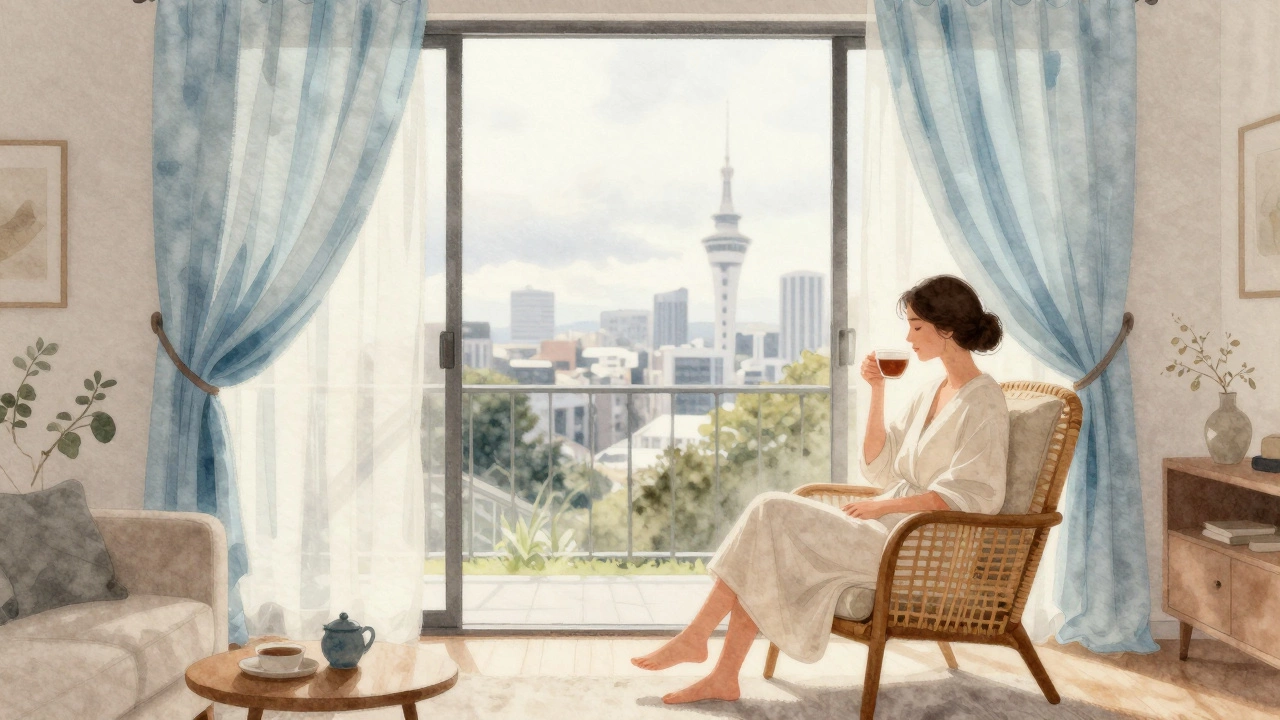
You might think blue is calm, not uplifting. And you’re right-deep navy or stormy gray-blue can feel heavy. But sky blue? That’s different.
A 2023 study by the Color Research Institute found that light blue tones increased perceived energy levels by 27% compared to neutral grays in the same rooms. Why? Because light blue mimics the open sky. Our brains associate it with space, freedom, and calm possibility.
Try a pale sky blue with a hint of gray, like "Dove Wing" or "Morning Light." It works best in rooms with lots of windows, especially in places like Auckland where the sky often shifts between gray and brilliant blue. It doesn’t feel childish. It feels peaceful-but alive.
One client of mine, a nurse working night shifts, chose sky blue curtains for her bedroom. "On days off, when the sun comes up, I feel like I’m waking up to a fresh start," she said. "It’s not loud. It’s just… hopeful."
Green: The Quiet Energy of Nature
Humans have an innate connection to green. It’s the color of growing things. Of trees after rain. Of moss on stone. That’s why biophilic design-bringing nature indoors-isn’t just a trend. It’s a biological need.
Soft sage green curtains have become popular in homes that want calm without dullness. Unlike bright emerald or forest green, sage is muted. It doesn’t compete. It complements. It grounds you without weighing you down.
Pair sage curtains with rattan blinds, ceramic pots, and unpolished wood. Add a single eucalyptus branch in a vase. The room doesn’t feel decorated. It feels alive.
A study from the University of Oregon found that people in rooms with green accents reported lower stress levels and higher focus. Not because green "calms you down." But because it reminds you you’re part of something bigger. That’s uplifting in a quiet, lasting way.
What Colors to Avoid for Uplifting Spaces
Not all bright colors lift your mood. Some do the opposite.
- Red curtains can feel energizing, but they also trigger stress responses in many people. Too much red raises heart rate and cortisol. It’s fine for a dining room, not for a bedroom.
- Purple in deep tones feels luxurious, but in large amounts, it can feel isolating or even melancholic. Save it for accents.
- Dark gray or charcoal curtains, while stylish, absorb light. In winter months, they make rooms feel smaller and heavier. If you love gray, go for a warm taupe instead.
- Neon or fluorescent tones might look fun in a photo, but they tire the eyes. They’re not uplifting-they’re overstimulating.
It’s not about being bold. It’s about being kind to your nervous system.
How to Choose the Right Uplifting Color for Your Space
Here’s a simple test you can do right now:
- Go to your window. Stand where you usually sit in the morning.
- Look at the light coming in. Is it soft? Harsh? Golden? Cool?
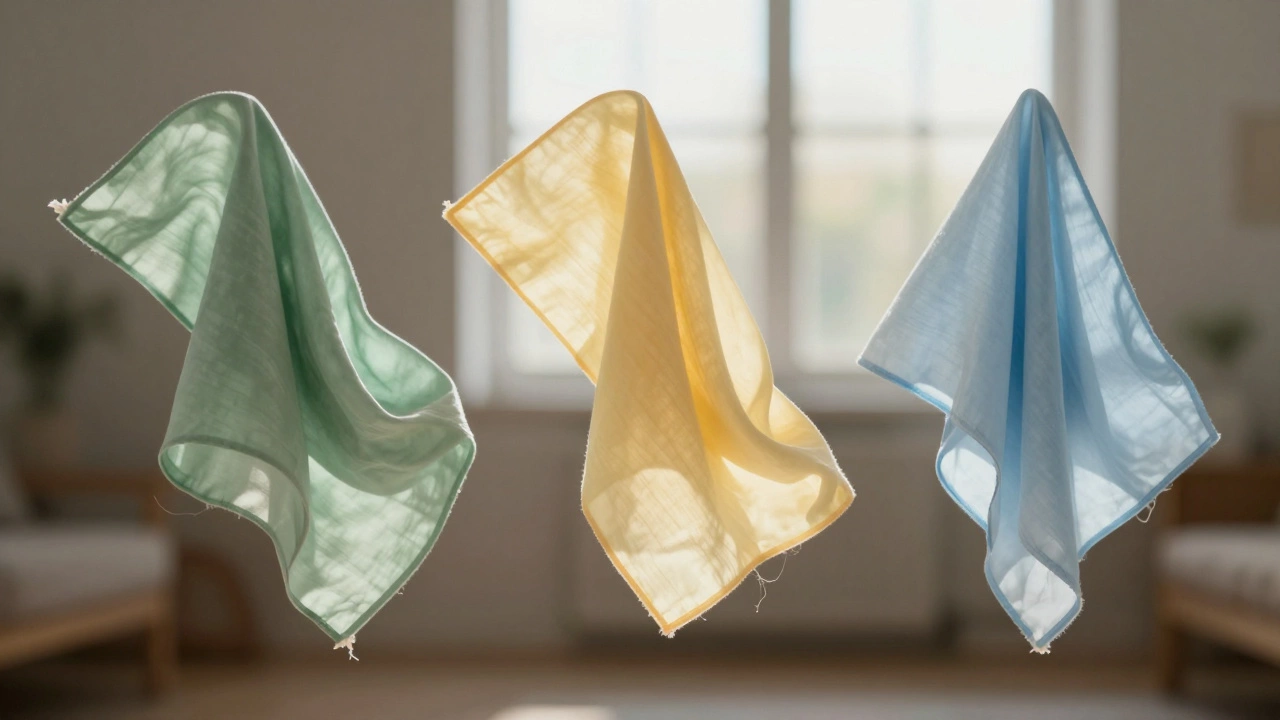
- Hold up swatches of yellow, sky blue, and sage green against the light.
- Which one makes you breathe deeper? Which one makes you feel like you could stay there all day?
That’s your answer.
Don’t overthink it. Don’t follow Pinterest trends. Your body knows what feels right. If a color makes you feel tense, even for a second, it’s not the one.
Also, consider your climate. In Auckland, where winters are damp and skies are often overcast, lighter, warmer tones help. In sunnier places, you can afford slightly deeper tones. But even in the desert, a pale blue curtain still feels like a breath of fresh air.
Material Matters Too
A color looks different depending on what it’s made of. Linen lets light filter through gently. Cotton feels crisp and clean. Velvet absorbs light and feels rich-but it can feel heavy if it’s too dark.
For uplifting results, choose natural fibers. They breathe. They soften light. They age gracefully. Avoid polyester blends unless they’re labeled as "light-filtering." Most cheap synthetics create glare or dull the color.
And don’t forget the lining. A white or cream lining behind a pale curtain makes the color appear brighter and more luminous. It’s a small trick, but it makes a big difference in low-light rooms.
Real Homes, Real Results
One family in Takapuna replaced their dark brown curtains with pale yellow linen ones. Their daughter, who used to hate mornings, now wakes up on her own. "She says the room looks like sunshine," her mom told me.
A retired teacher in Ponsonby switched from navy to sky blue curtains after her husband passed. "It’s not about forgetting," she said. "It’s about remembering that the sky is still there. And so am I."
These aren’t just design choices. They’re emotional anchors.
Final Thought: Uplifting Isn’t Loud
The most uplifting colors don’t shout. They whisper. They wait. They hold space for you to feel better, without forcing it.
Yellow, sky blue, and sage green aren’t magic. But they’re the closest thing we have to a quiet, natural antidepressant-woven into fabric, hung by a rod, opened with the morning light.
Try one. Just one curtain. See how it feels after a week. You might be surprised what a little light can do.
What color curtains make a room feel happier?
Soft yellow, pale sky blue, and muted sage green are the top three colors proven to lift mood in home environments. These tones reflect natural light gently, mimic calming natural elements, and avoid visual overload. Avoid neon or overly dark shades, which can feel draining instead of uplifting.
Is white a good color for uplifting curtains?
White curtains can feel clean and bright, but alone, they often lack emotional warmth. They’re best paired with a pale yellow or light blue backing to add subtle color and depth. Pure white works well in sunny, coastal homes but can feel sterile in dim or winter months.
Do curtain materials affect mood?
Yes. Natural fabrics like linen and cotton filter light softly and feel breathable, which reduces visual fatigue. Synthetic blends can create glare or dull color tones. Heavier materials like velvet absorb light and may make a room feel closed-in, even if the color is bright.
Should I match curtain color to my wall color?
Not necessarily. For uplifting effects, it’s better to choose a curtain color that contrasts gently with your walls. For example, pale yellow curtains on white walls create a soft glow. Matching too closely can make the room feel flat. A tonal difference-like sage curtains on beige walls-adds depth without clutter.
Can curtain color help with seasonal depression?
Yes. Lighter, warmer curtain colors increase exposure to natural light, which helps regulate circadian rhythms and serotonin levels. In places like Auckland with long, gray winters, switching to yellow or sky blue curtains in autumn can reduce symptoms of seasonal low mood. It’s not a cure, but it’s one of the simplest, most effective environmental adjustments you can make.