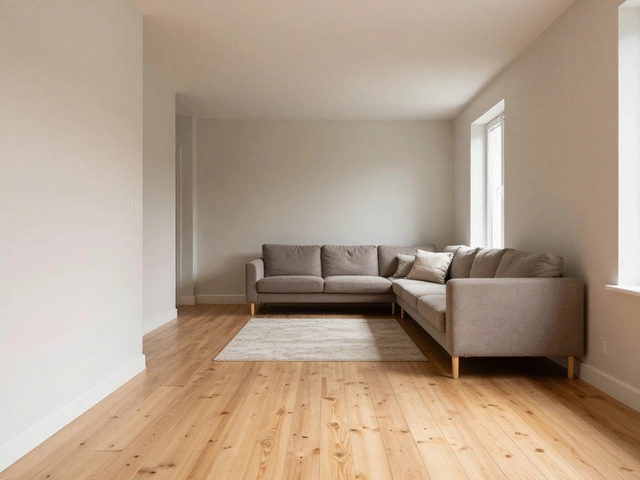
Should You Lay Flooring Horizontal or Vertical? Here's What Actually Matters
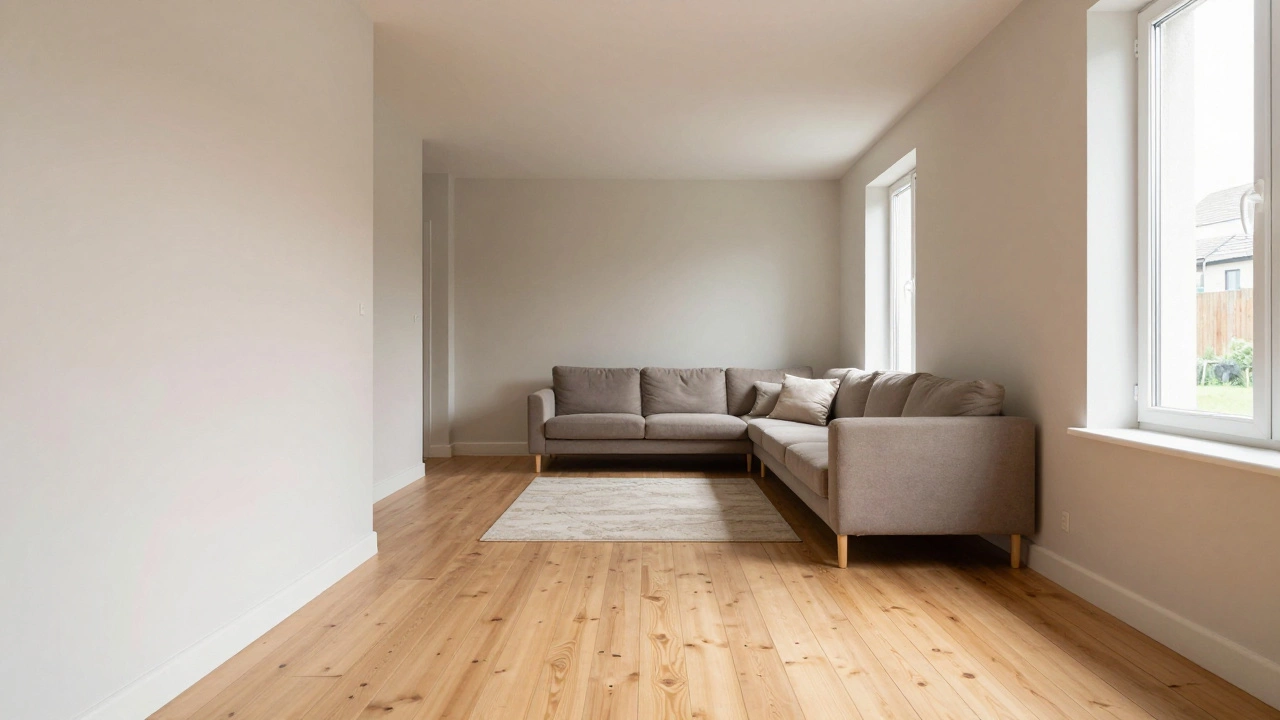
Flooring Direction Calculator
Find Your Perfect Flooring Direction
Answer a few questions about your room to determine the optimal flooring direction for your space.
Room Dimensions
Key Factors
Recommendation
Enter room dimensions and select options to see recommendation
How It Works
Room Dimensions
Longer rooms benefit from horizontal flooring to create visual length
Light & Traffic
Align with light source and traffic patterns for optimal flow
Structural Support
Perpendicular to joists provides best stability
When you're installing new flooring, the direction you lay it might seem like a small detail-just pick what looks nice. But the truth is, the way your floor runs can change how big your room feels, how much light it catches, and even how long the floor lasts. It’s not just about style. It’s about structure, space, and smart choices.
What does horizontal and vertical flooring actually mean?
When people talk about laying flooring horizontal or vertical, they’re referring to the direction of the planks relative to the longest wall in the room. If your room is longer than it is wide, the long wall runs from one end to the other. Laying planks parallel to that wall is called horizontal. Laying them perpendicular to it-that is, running across the short width of the room-is called vertical.
It’s easy to mix this up. Some think horizontal means side-to-side across the room, but that’s not right. It’s all about alignment with the longest wall. A 15-foot-long living room with 10-foot-wide walls? Horizontal means planks run the 15-foot length. Vertical means they run the 10-foot width.
Why does direction even matter?
Because your eyes follow lines. If you lay planks the wrong way, you can make a room feel cramped, choppy, or awkward. Get it right, and you can stretch out a tight space, hide imperfections, or even make a low ceiling feel taller.
Think of it like this: a long, narrow hallway feels endless if the planks run the full length. But if you lay them sideways, across the narrow width, the hallway feels like a series of boxes-short, boxed-in, and claustrophobic. That’s not just perception. It’s how human vision works.
When to go horizontal
Horizontal flooring-planks running parallel to the longest wall-is the default for most rooms. Why? Because it naturally extends the line of sight. In a long living room, kitchen, or hallway, horizontal planks create a sense of flow. They pull your eye from one end to the other, making the space feel bigger and more open.
This is especially useful in older homes with narrow layouts. In Auckland, where many bungalows have long, thin rooms, horizontal flooring is the standard for a reason. It doesn’t fight the shape of the space-it works with it.
Horizontal also hides gaps between boards better. If your subfloor has slight unevenness, running planks lengthwise means the joints line up with the natural slope of the floor, reducing the chance of creaks or gaps opening up over time.
When to go vertical
Vertical flooring-planks running across the short width-isn’t common, but it’s powerful when used right.
Use vertical planks if you want to make a long room feel wider. That 18-foot-long, 10-foot-wide dining room? Lay the planks across the 10-foot side, and suddenly the room feels more balanced. It breaks up the length and adds visual width.
Vertical also works in small rooms. In a tiny bathroom or powder room, running planks from side to side can make the space feel less like a tunnel. It creates a sense of expansion in the direction you want it most.
And here’s a trick professionals use: vertical planks can make low ceilings feel higher. If you have a room with 7-foot ceilings, laying the floor vertically draws the eye upward, especially when paired with vertical wall trim or tall windows. It’s a subtle illusion, but it works.
What about the entrance?
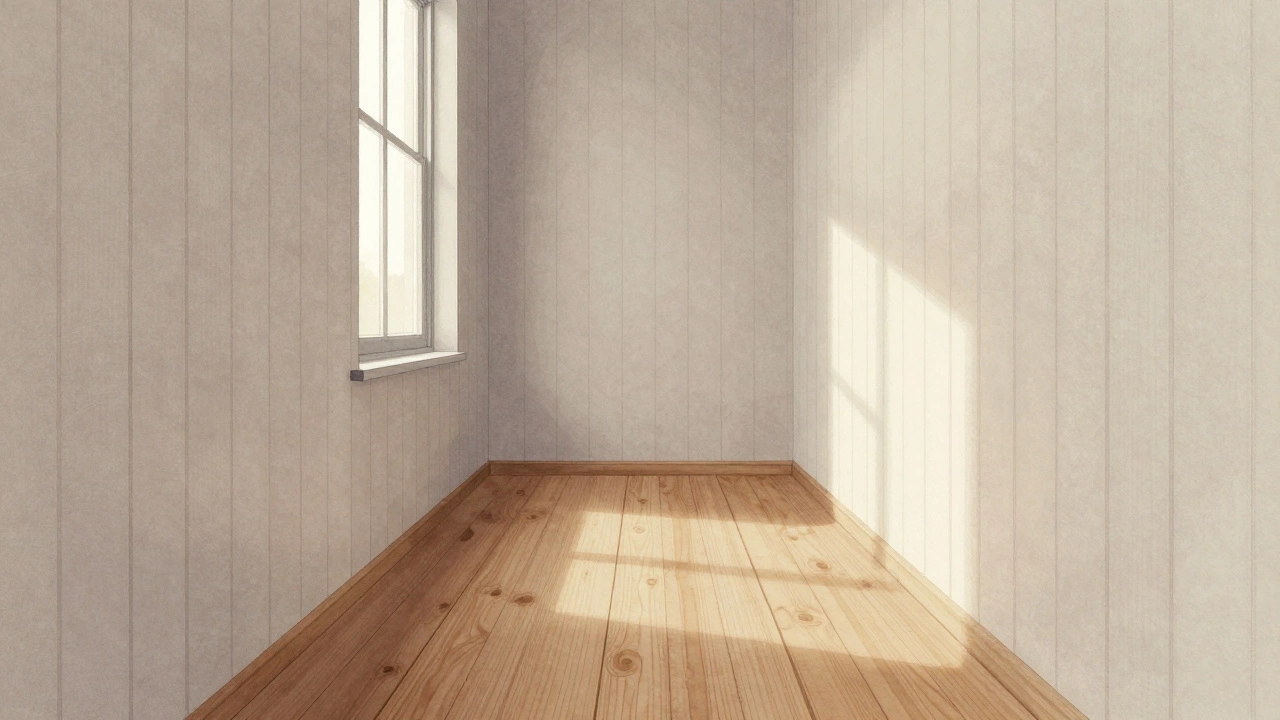
One rule you’ll hear over and over: lay flooring so it runs toward the main entrance. That’s not a myth-it’s physics. When you walk into a room, your eyes naturally follow the path you take. If the planks lead your gaze into the room, it feels welcoming. If they run sideways or away from the door, the space feels disconnected.
So if your front door opens into the middle of a long hallway, lay the planks down the hallway’s length. If the door opens into a corner of the living room, run the planks from the door toward the far wall. It’s not about decoration. It’s about movement and flow.
What if your room isn’t rectangular?
Many homes-especially older ones-have awkward shapes. L-shaped rooms, angled walls, or rooms with alcoves? Don’t force a direction. Instead, follow the natural flow.
In an L-shaped room, lay the planks in the main section first. Then, continue the same direction into the leg of the L. This keeps the look unified. Switching direction mid-room creates a visual break that feels jarring.
For angled walls, lay planks parallel to the longest straight wall. Don’t try to match the angle unless you’re doing a herringbone or chevron pattern. Even then, you’re better off keeping the main direction consistent.
What about wood grain and lighting?
Light matters. If your room gets strong afternoon sun from one side, laying planks perpendicular to the light can create dramatic shadows. That might look cool in a magazine-but in real life, it can make the floor look uneven or dirty.
Best practice: lay planks parallel to the main source of natural light. That way, the grain catches the light evenly. You get a smoother, more uniform look. In Auckland’s often overcast winters, this makes a real difference in how bright your room feels.
Also, wood grain direction affects wear. Planks running the length of a high-traffic path-like a hallway or kitchen aisle-take more stress. If you’re using a softer wood like pine, horizontal runs can help distribute foot traffic more evenly along the grain. Vertical runs across high-traffic zones can lead to faster wear and visible grooves.
What about tile and laminate?
This isn’t just for hardwood. Tile, vinyl plank, and laminate follow the same rules. In fact, they’re even more sensitive to direction because their seams are more visible.
Large-format tiles laid horizontally in a narrow bathroom can make the space feel wider. Small hex tiles laid vertically in a kitchen can add height. The principle stays the same: guide the eye where you want it to go.
What’s the biggest mistake people make?
They pick direction based on what looks good in a showroom photo. That’s dangerous.
Photos are shot with perfect lighting, from perfect angles, in perfect rooms. Your room isn’t a studio. Your walls aren’t straight. Your light doesn’t come from a single source. And your floor will be walked on every day.
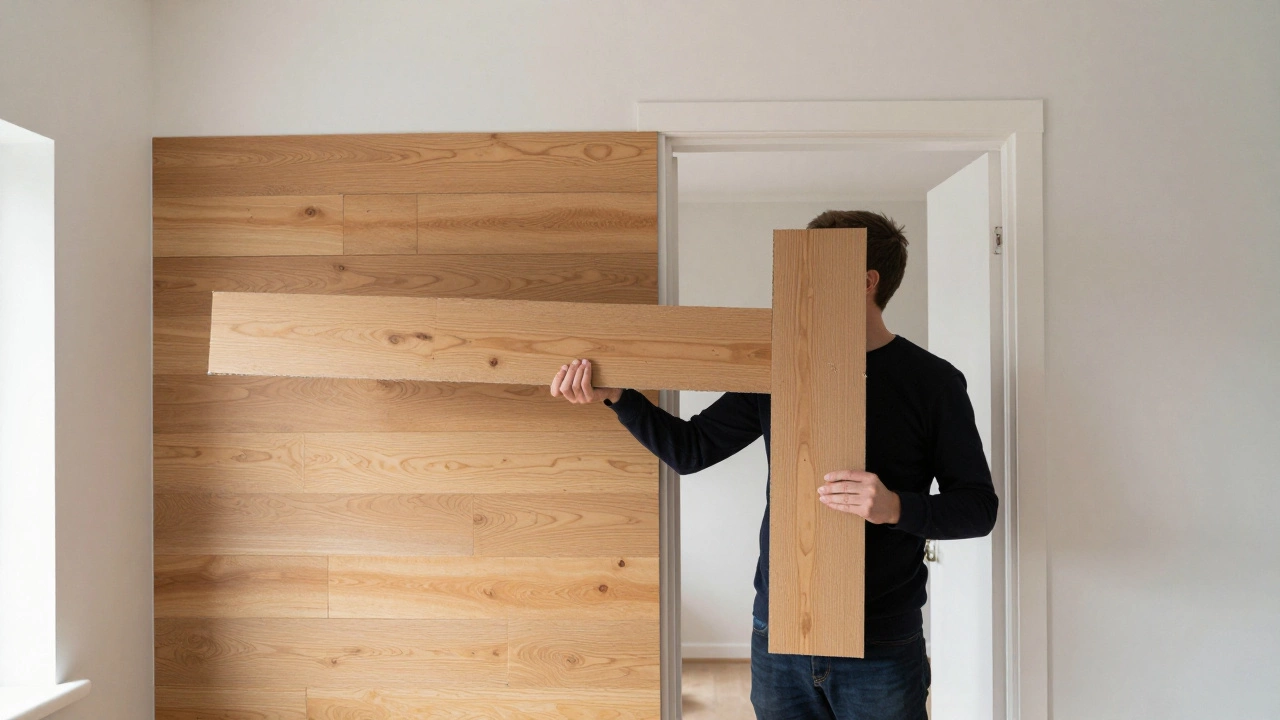
Instead, hold up a plank or a piece of cardboard the size of your flooring and lay it on the floor in both directions. Stand in the doorway. Walk around. See how the light hits it. Notice how your eyes move. Do one direction feel more natural? Does one make the room feel tighter?
Do this before you buy. Do it before you order. It takes five minutes-and it can save you from a regret you’ll live with for years.
What about the subfloor?
Don’t ignore the structure beneath. If your subfloor runs in a certain direction-say, joists running east-west-your flooring should run perpendicular to them. That’s not a suggestion. It’s a rule for solid wood and engineered planks.
Why? Because when you walk on the floor, it flexes slightly. If the planks run the same way as the joists, they’ll flex too much, leading to squeaks and gaps. Running perpendicular gives each plank support from multiple joists. It’s more stable. Less noise. Longer life.
Check your subfloor direction before you buy flooring. If you’re unsure, look at the attic or crawl space. The joists will be clearly visible. Lay your planks across them, not with them.
Final tip: consistency across rooms
If you’re doing multiple rooms, keep the direction the same. Switching from horizontal in the living room to vertical in the hallway looks messy. It breaks the visual flow. Even if the rooms are different shapes, stick to one direction throughout the main living areas.
There are exceptions-like a powder room or laundry room-but for the core spaces, unity matters more than individual preferences.
| Goal | Best Direction | Why |
|---|---|---|
| Make a narrow room feel wider | Vertical | Planks run across the width, breaking up the length |
| Make a short room feel longer | Horizontal | Planks draw the eye down the length |
| Hide uneven subfloor | Horizontal | Joints align with natural slope |
| Improve flow from entrance | Toward the door | Guides movement and sight naturally |
| Reduce wear in high-traffic zones | Horizontal | Distributes foot traffic along the grain |
| Work with joists | Perpendicular | Provides better structural support |
What if I still can’t decide?
Then go with horizontal. It’s the safest, most reliable choice for 9 out of 10 homes. It’s what professionals use when they’re not sure. It works in most layouts, with most lighting, and with most flooring types.
Vertical has its place-but only when you have a clear reason. Don’t use it just because it looks different. Use it because it fixes a problem.
And if you’re still stuck? Take a photo of your room. Draw two lines on it-one horizontal, one vertical. Print it out. Tape it to the wall. Live with it for a day. See which one you stop noticing. That’s the one that belongs in your home.
Does flooring direction affect the value of my home?
Not directly. But poor flooring direction can make a space feel awkward, which affects how buyers perceive it. A well-laid floor that enhances the room’s shape adds subtle value. A badly oriented floor makes a space feel smaller or outdated, which can hurt resale. It’s not about the material-it’s about how it makes the room feel.
Can I change the direction in different rooms?
You can, but it’s rarely a good idea. Switching direction between connected rooms creates a visual disconnect. It looks like an afterthought. If you must switch-for example, in a bathroom or laundry room-do it only in spaces that are visually separated by a door or wall. Never switch mid-open-plan area.
Does it matter if I have underfloor heating?
Yes. The direction doesn’t affect heating performance, but the installation does. Always follow the manufacturer’s instructions. Most engineered wood and laminate floors for underfloor heating need to be laid perpendicular to joists to allow for expansion. Check the specs before you buy.
What if my floor is already installed the wrong way?
Unless it’s causing structural issues, don’t replace it. The direction is mostly about perception. You can work around it with rugs, lighting, and furniture placement. A large area rug placed perpendicular to the planks can reset the visual flow. Sometimes, the best fix isn’t new flooring-it’s new perspective.
Is there a difference between hardwood and luxury vinyl plank (LVP)?
The direction rules are the same. But LVP is more forgiving on uneven subfloors and doesn’t require nailing, so it’s easier to install vertically in tricky spots. Hardwood needs more precise subfloor prep. But both benefit from running perpendicular to joists and following the light and entrance flow.