Modern vs Contemporary Interior Design: Key Differences Explained
Modern vs Contemporary Style Quiz
Walking into a sleek apartment in Auckland, you might see clean lines and neutral tones. You think it's modern. But the designer calls it contemporary. Which one is right? The confusion is real because these two styles are often used interchangeably in magazines and social media feeds. Yet, if you're planning a renovation or buying furniture, mixing them up can lead to a space that feels disjointed rather than cohesive.
The core difference lies in time. Modern interior design is a specific historical movement rooted in the early-to-mid 20th century. It is fixed in time. Contemporary interior design, on the other hand, describes what is happening *right now*. It shifts with trends, technology, and cultural shifts. Understanding this distinction helps you choose a look that will still feel relevant in five years versus one that captures a specific era.
Defining the Historical Anchor: Modern Style
Modernism emerged as a reaction against the ornate details of Victorian and Edwardian eras. Think of the Bauhaus school in Germany or the work of architects like Le Corbusier and Mies van der Rohe. The philosophy was simple: "Form follows function." Decorative elements were stripped away to reveal the structure and purpose of the object or room.
If you want a truly modern home, you are looking for specific characteristics that haven't changed since the 1920s through the 1960s:
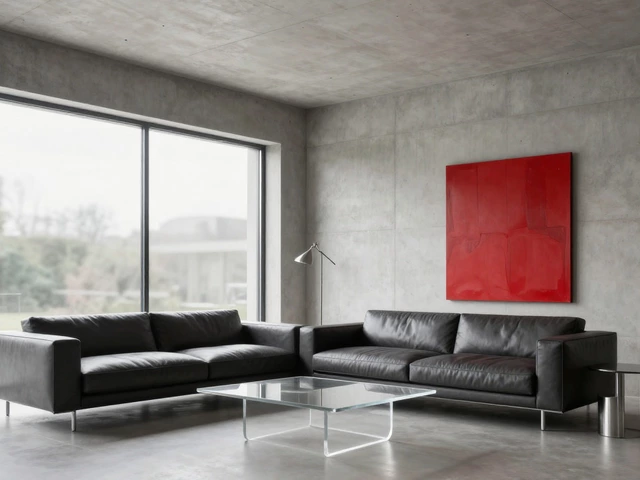
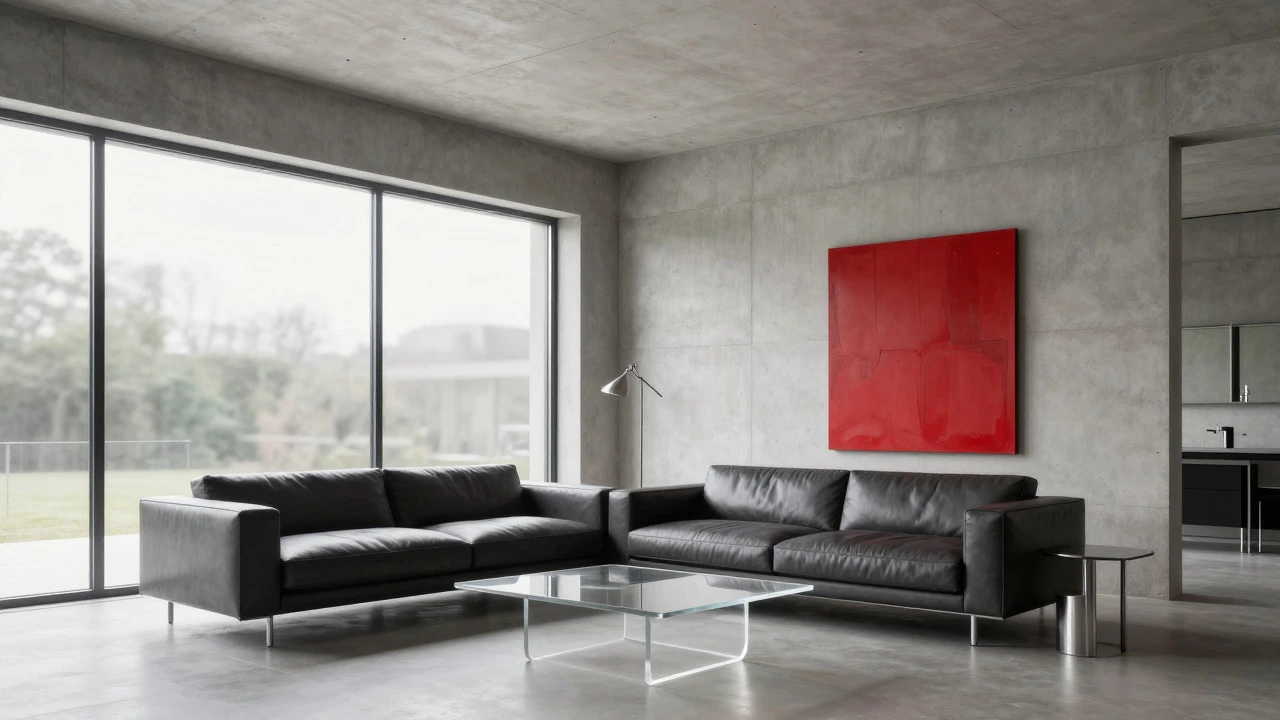
- Materials: Industrial materials like steel, glass, and concrete are exposed, not hidden behind wainscoting or moldings.
- Lines: Horizontal and vertical lines dominate. Furniture has straight edges and minimal ornamentation.
- Color Palette: Neutrals like black, white, gray, and beige, often punctuated by bold primary colors (red, blue, yellow) as accents.
- Furniture: Iconic pieces like the Eames Lounge Chair or a Noguchi coffee table. These are sculptural yet functional.
A modern living room in New Zealand might feature a flat-screen TV mounted on a raw concrete wall, a low-profile sofa in charcoal leather, and large windows that blur the line between indoors and out. It feels timeless because it is anchored in a specific artistic movement.
The Shifting Landscape: Contemporary Style
Contemporary design is fluid. It includes whatever is popular today. In 2026, contemporary interiors might blend biophilic elements with smart home technology. It borrows from modernism but also incorporates mid-century influences, Scandinavian warmth, and global textures.
Because contemporary design reflects the present moment, it changes faster. What was trendy in 2020 (like all-white kitchens with marble islands) might feel dated by 2026. Today’s contemporary trends favor:
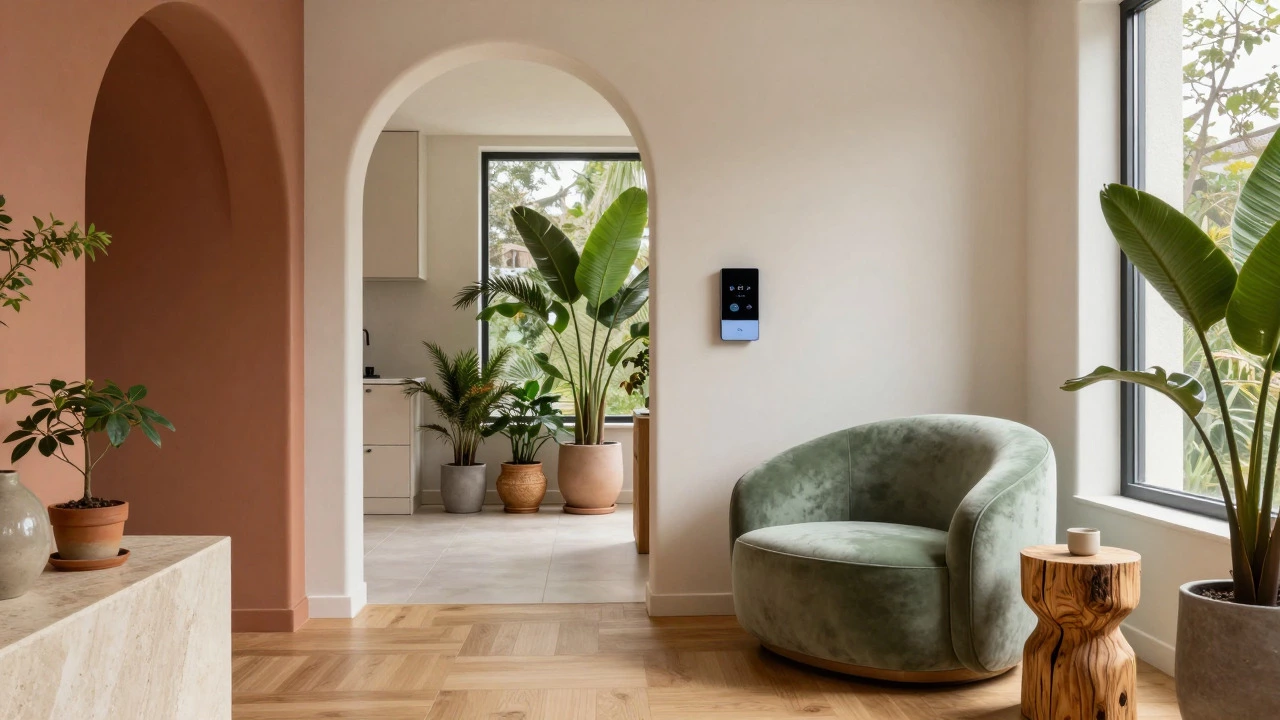
- Biophilia: Integrating plants, natural light, and organic shapes to connect residents with nature.
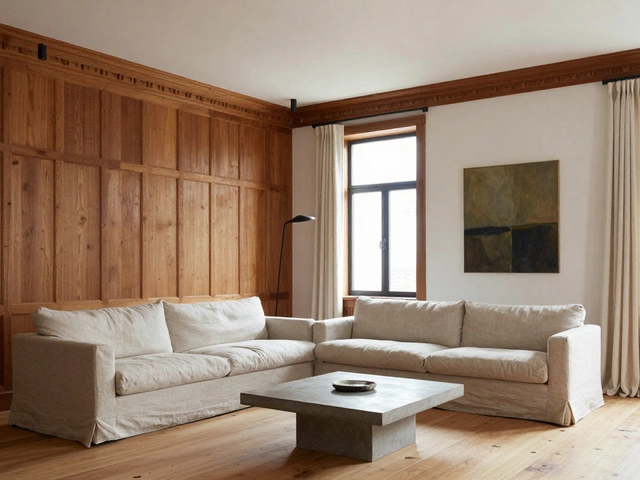
- Mixed Textures: Combining smooth surfaces like polished stone with rough textures like reclaimed wood or linen.
- Curved Forms: Moving away from strict boxy lines toward arched doorways, rounded sofas, and oval tables.
- Sustainability: Using eco-friendly materials and energy-efficient systems as a design feature, not just an afterthought.
In a contemporary Auckland home, you might see a curved velvet armchair next to a sleek metal side table. The color palette could be earthy-sage green, terracotta, and warm oak-rather than the stark black-and-white of pure modernism. It feels fresh, current, and personalized.
Side-by-Side Comparison
To make the decision easier, here is how the two styles stack up against each other across key design elements.
| Feature | Modern Interior | Contemporary Interior |
|---|---|---|
| Timeframe | 1920s-1960s (Historical) | Present Day (Ever-changing) |
| Lines & Shapes | Strictly horizontal/vertical, geometric | Fluid, curved, organic, mixed geometry |
| Materials | Steel, glass, concrete, chrome | Natural wood, stone, fabric, sustainable composites |
| Color Palette | Neutrals + Primary accents | Earthy tones, muted pastels, trending hues |
| Decor | Minimal, abstract art | Eclectic mix, personal items, nature-inspired |
| Longevity | Timeless, rarely goes out of style | Trend-dependent, may need updates every 5-7 years |
How to Choose the Right Style for Your Home
Choosing between these two isn't about which is "better." It's about which fits your lifestyle and long-term plans. If you plan to stay in your home for 15+ years, modern interior design offers a safer bet. Its aesthetic stability means you won't need to repaint or replace major furniture pieces just because a trend shifted. The clean lines and industrial materials age well.
However, if you enjoy changing your space to reflect your evolving tastes, contemporary design gives you more freedom. You can swap out a rug, change the accent wall color, or add new lighting fixtures without clashing with a rigid historical framework. For younger homeowners or those who move frequently, the flexibility of contemporary styles is often more appealing.
Consider your location too. In coastal areas like parts of New Zealand, contemporary designs often incorporate lighter woods and breathable fabrics to suit the climate. Modern designs might lean into darker, heavier materials that require more maintenance in humid environments. Always factor in local weather patterns when selecting finishes.
Blending the Two: A Practical Approach
You don't have to pick just one. Many successful homes blend modern foundations with contemporary touches. This approach, often called "transitional" design, uses the structural elements of modernism (clean lines, open floor plans) but softens them with contemporary textures and colors.
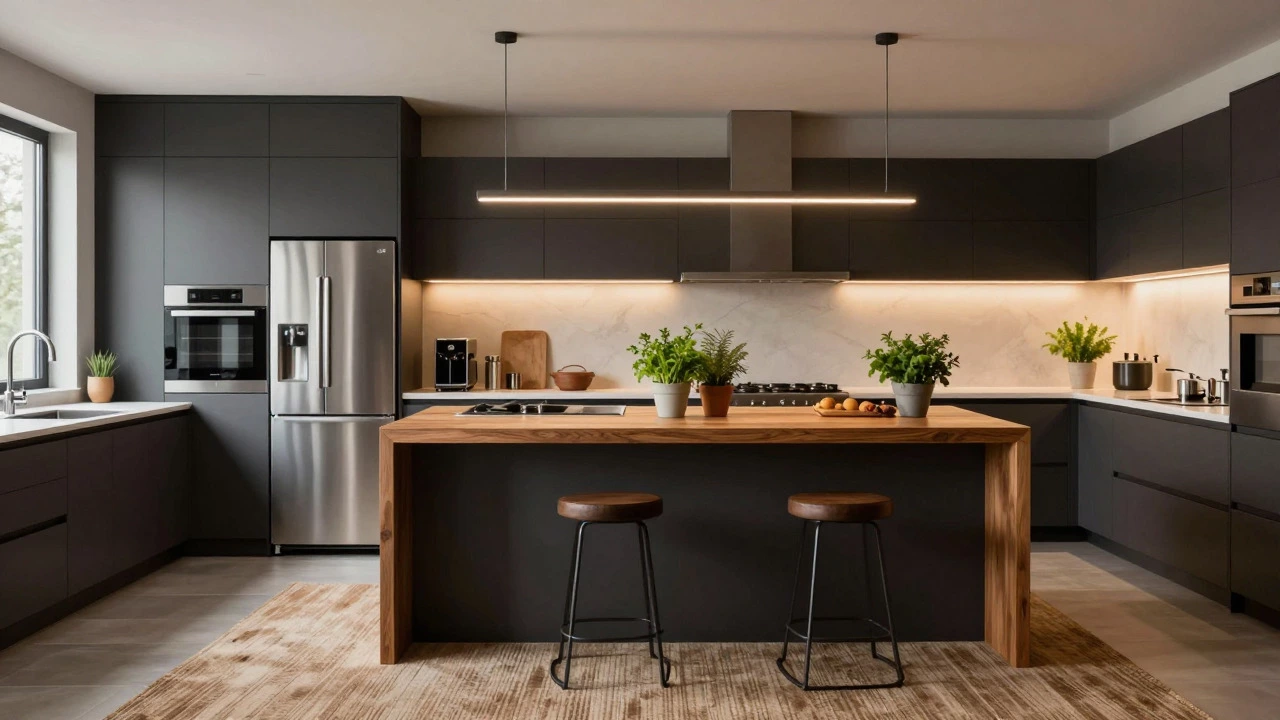
For example, keep the sleek, handle-less cabinets of a modern kitchen but add a wooden island top and a few potted herbs on the counter. Use a modernist chandelier but pair it with a plush, textured area rug. This hybrid method allows you to enjoy the durability of modern forms while keeping the space feeling warm and current.
Common Mistakes to Avoid
One frequent error is assuming that "minimalist" equals "modern." While modernism is minimalist, contemporary design can be maximalist. Don't strip your home bare if you love collecting art or family heirlooms; contemporary design accommodates personal expression much better.
Another mistake is ignoring scale. Modern furniture is often lower to the ground and slimmer. If you place a bulky, high-back contemporary sofa in a strictly modern room with low ceilings, it can feel overwhelming. Ensure your furniture proportions match the architectural lines of your space.
FAQ
Is modern interior design outdated?
No, modern design is considered timeless. Because it is based on a specific historical movement rather than fleeting trends, it remains stylish decades later. Many architects still use modern principles as the foundation for new builds.
Can I have a contemporary bedroom with modern furniture?
Yes. This is a common transitional approach. Use a modern bed frame with clean lines, but layer it with contemporary bedding in soft, textured fabrics and warm colors to create a cozy atmosphere.
Which style is cheaper to maintain?
Modern interiors often require less frequent updating because the style doesn't go out of fashion. However, materials like polished concrete or stainless steel may require regular cleaning to maintain their shine. Contemporary spaces may need more frequent refreshes to stay current with trends.
What colors define contemporary design in 2026?
Current trends favor earthy and calming tones such as sage green, terracotta, warm taupe, and deep blues. Bright, saturated colors are often used sparingly as accents rather than dominant wall colors.
Does modern design work in small apartments?
Yes, modern design is excellent for small spaces. The lack of clutter and emphasis on functionality helps maximize perceived space. Large mirrors and light-colored walls, common in modern aesthetics, further enhance the sense of openness.