How to Make a Traditional Home Look More Modern: Simple Updates That Work

LED Color Temperature Calculator
Traditional homes often feel dated due to warm yellow lighting. This calculator helps you find the ideal LED color temperature to modernize your space while maintaining warmth.
Recommended for modern traditional homes:
3000K-3500K range
This temperature offers the perfect balance between modern brightness and warm comfort. It eliminates the yellow cast of older bulbs while maintaining a welcoming atmosphere. As the article states: "Switch to 3000K or 3500K LEDs—they're bright enough to feel modern but still warm enough to feel welcoming."
Why this matters: In traditional homes with dark wood finishes and rich colors, warm yellow lighting (2700K) makes everything look dated. Cooler temperatures (3500K+) create contrast that makes architectural details pop while maintaining warmth.
Traditional homes have charm-wood paneling, crown molding, dark finishes, and cozy nooks. But if you’re tired of feeling like you’re living in a 1980s movie, you don’t need to tear down walls or hire an architect to make it feel fresh. You can modernize a traditional home without losing its soul. The trick isn’t about removing everything old. It’s about editing it.
Start with the walls
White walls aren’t just a trend-they’re a reset button. Traditional homes often have warm tones: beige, cream, or even golden yellows. These colors feel cozy but also dated. Switching to a clean, cool white like Benjamin Moore’s White Dove or Sherwin-Williams Alabaster instantly opens up the space. It doesn’t matter if your floors are oak or your trim is carved. White walls make everything else look intentional, not stuck in time.Don’t stop at paint. Remove heavy wallpaper borders and outdated textured finishes. If you have plaster walls with cracks, skim-coat them instead of covering them with paneling. Smooth walls are the foundation of modern design. Even small fixes like removing a built-in hutch or covering a dark wood mantel with a thin layer of white plaster can shift the whole vibe.
Update lighting fixtures
Chandeliers with crystal drops and brass sconces from the 90s? They’re not cozy-they’re cluttered. Modern lighting is about simplicity and function. Swap out ornate fixtures for clean-lined pendants, recessed LEDs, or minimalist floor lamps.Look for fixtures with matte black, brushed nickel, or bronze finishes. Avoid anything that looks like it came from a department store holiday sale. A single linear pendant over your dining table or a row of recessed lights along the ceiling can transform a room more than any furniture swap. Don’t forget to turn off the warm yellow bulbs. Switch to 3000K or 3500K LEDs-they’re bright enough to feel modern but still warm enough to feel welcoming.
Replace or refinish trim and doors
Dark wood baseboards and door frames are a hallmark of traditional homes. But they also make rooms feel smaller and heavier. Painting them white or a soft gray instantly lightens the space. You don’t need to replace them-just sand, prime, and paint. It’s one of the cheapest and most effective updates you can do.If you want to go further, consider switching from 4-inch baseboards to 6-inch ones. Wider trim feels more contemporary and adds a sense of scale. Same with doors: replace paneled doors with flat-panel or flush doors. Even a simple change from six-panel to a single flat panel makes a big difference. You’ll be surprised how much cleaner the space looks once the visual noise is gone.
Simplify window treatments
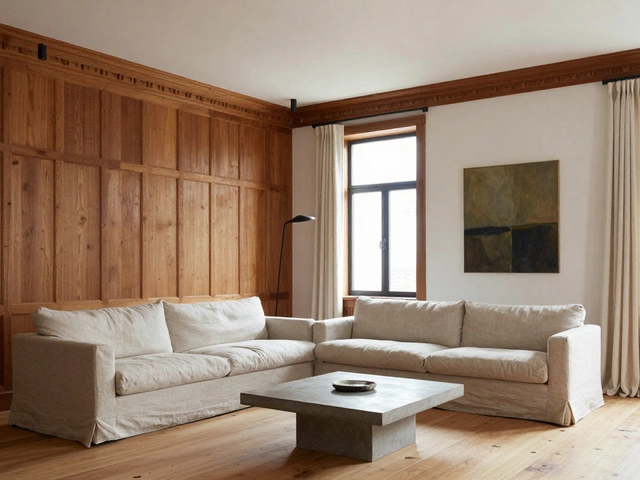
Heavy drapes with tassels, valances, and layered sheers? They’re not elegant-they’re overwhelming. Modern interiors favor clean lines and natural light. Swap out layered curtains for simple linen or cotton panels in neutral tones. Hang them high-close to the ceiling-and let them fall straight to the floor. This makes windows look taller and rooms feel larger.If you want privacy without bulk, try roller shades or woven wood blinds. They’re low-profile, easy to clean, and come in natural textures that add warmth without clutter. Avoid patterned fabrics unless they’re subtle, like a fine stripe or a soft geometric weave.
Replace outdated hardware
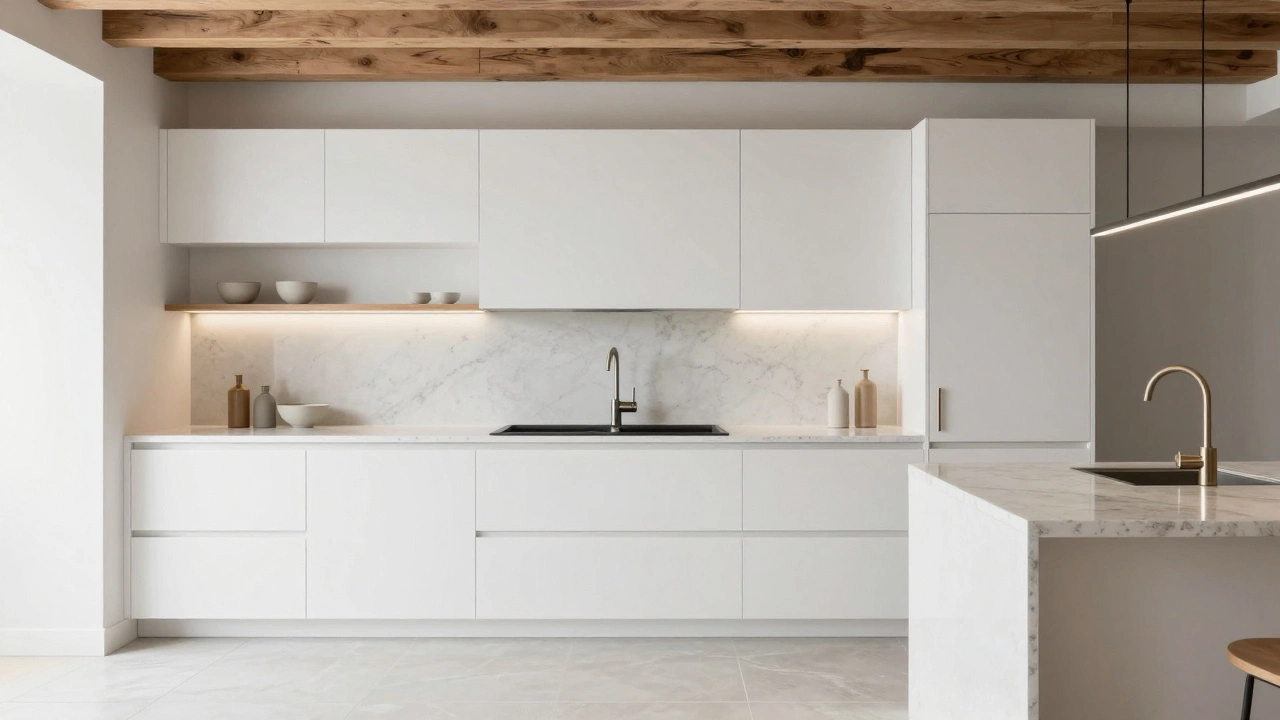
Knobs and pulls on cabinets, drawers, and doors are small, but they speak loudly. Brass knobs from the 90s or ornate ceramic pulls from the 70s scream "old house." Swap them for matte black, brushed brass, or satin nickel pulls. Choose simple shapes: bar pulls, cylindrical knobs, or flush pulls. For kitchen cabinets, try long, horizontal bar pulls-they draw the eye and make cabinets look sleek.Don’t overlook door handles. Replacing a traditional lever handle with a minimalist cylindrical one can make your front door feel like part of a modern home, not a museum piece. Even changing the hinges on interior doors to hidden ones can remove visual clutter.
Declutter and rethink furniture
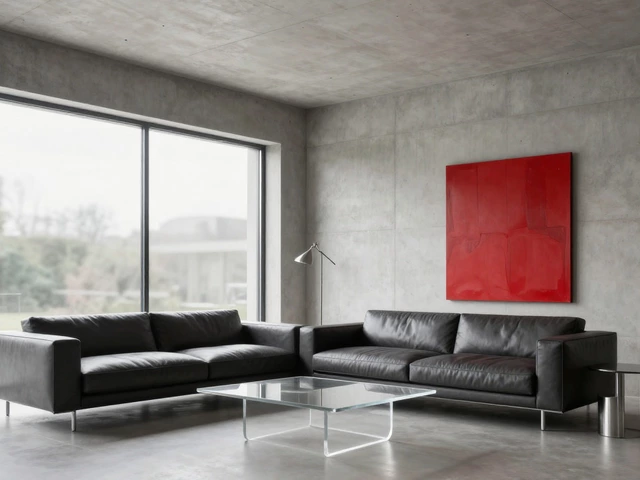
Traditional homes are often filled with too much furniture. A sofa, two armchairs, a side table, a console table, a bookshelf, and a lamp? That’s five pieces in one corner. Modern design is about breathing room. Remove one or two pieces from each room. Keep only what you use daily.Replace bulky, upholstered sofas with low-profile ones. Look for clean lines, exposed legs, and neutral fabrics like linen or performance velvet. Swap out ornate side tables for simple geometric ones in wood, stone, or metal. If you have a heavy oak dining table, consider adding a modern glass top or replacing it with a live-edge slab on slim legs.
One rule: if it has carved legs, tufted upholstery, or a curved silhouette, ask yourself: does it serve the space-or just fill it?
Bring in modern materials
Traditional homes rely on wood, carpet, and porcelain. Modern ones mix materials to create contrast. Add elements like:- Concrete-look tiles in the kitchen or entryway
- Polished quartz or matte black countertops
- Textured plaster walls (not wallpaper)
- Steel-framed glass doors or partitions
- Large-format porcelain tiles (24x48 inches or bigger)
These materials don’t have to dominate. One accent wall in plaster, a single quartz island, or a concrete coffee table can anchor the modern feel without overwhelming the room. The goal is balance-not replacement.
Use color strategically
Modern doesn’t mean all white. It means intentional color. Pick one or two muted tones to use as accents. Think sage green, deep navy, or warm charcoal. Use them on an accent wall, a single piece of furniture, or even in artwork.Avoid bright primaries. They feel loud in a traditional space. Instead, go for tones that feel grounded. A navy armchair in a living room with white walls and oak floors feels modern because it’s calm, not chaotic. A single piece of art in deep olive can draw the eye without clashing.
Keep your palette tight. If you’re using three colors, make sure they’re from the same family-like beige, taupe, and gray. This creates harmony, not confusion.
Minimize electronics and cords
Modern homes hide the mess. TVs, speakers, and chargers are everywhere in traditional homes-on shelves, on tables, dangling from outlets. Tuck them away. Install a media console with closed cabinets. Run cords through the wall or use cord covers painted to match the baseboard. Mount your TV so it blends into the wall.Use smart plugs and wireless charging pads to reduce clutter. A modern space doesn’t look like a tech store-it looks calm. If you can’t see the wires, you won’t feel the chaos.
Focus on the entryway
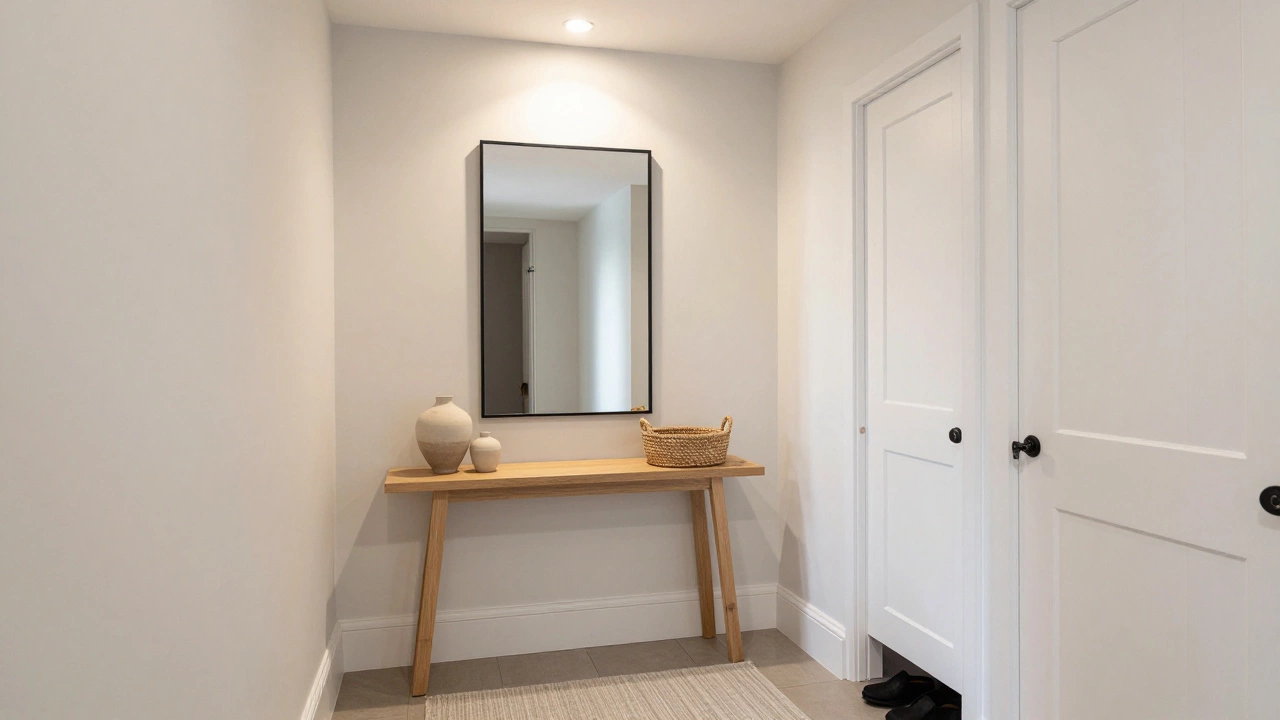
Your entryway sets the tone. If it’s cluttered with coats, shoes, and a dusty umbrella stand, the rest of the house feels messy too. Create a clean zone: a slim console table, a single mirror, a bench with hidden storage, and a small rug. Add a single modern light fixture above it. Even if the rest of the house is still traditional, a clean entry makes the whole home feel updated.Don’t rush it
You don’t have to do everything at once. Start with one room. Paint the walls. Change the lighting. Swap the hardware. Live with it for a month. See how it feels. Then move to the next. The goal isn’t to turn your home into a magazine spread. It’s to make it feel like yours-just clearer, calmer, and more alive.Modern design isn’t about erasing the past. It’s about honoring it by letting go of what no longer serves you.
Can I modernize a traditional home without spending a lot of money?
Yes. The most cost-effective changes are painting walls and trim, replacing hardware, swapping out lighting, and decluttering. These updates can cost under $1,000 and transform the feel of your home. Focus on high-impact, low-cost changes first.
Will painting everything white make my home feel cold?
Not if you layer in texture and warmth. Use natural materials like wood, linen, wool, and stone. Add a few warm-toned rugs, a leather armchair, or brass accents. White walls reflect light and make spaces feel bigger, but the right textures keep them from feeling sterile.
What if I love my original wood floors?
Keep them. Dark oak floors are not a dealbreaker. Sand and refinish them in a lighter stain like natural or honey. Or leave them as-is and balance them with lighter walls, modern furniture, and plenty of neutral textiles. The contrast can look intentional and stylish.
How do I modernize a traditional kitchen without a full remodel?
Paint the cabinets white or gray. Replace cabinet hardware with sleek bar pulls. Swap out the sink for a single-bowl undermount in stainless steel or matte black. Install LED under-cabinet lighting. Add open shelving for a few curated items. These changes cost less than $3,000 and look like a full renovation.
Should I remove all traditional decor like artwork and vases?
No. Keep pieces that have meaning. But edit ruthlessly. One large abstract painting on a white wall looks modern. Five small family photos in ornate frames look cluttered. Choose a few high-quality pieces and display them with space around them. Less is more.