Is Grass Cloth Wallpaper Still in Style in 2024? Trends & Tips
Grass Cloth Wallpaper Style Advisor
Select your room details below to get a personalized recommendation for the perfect grass cloth look.
Your Recommendation
Description goes here.
Recommended Shade
Weave Advice
Advice
Walk into a trendy cafe or a high-end hotel lobby in 2024, and you will likely see it: walls with that distinct, woven texture. Grass cloth wallpaper is a wall covering made from natural fibers like jute, sisal, or bamboo, known for its organic texture and earthy tones. It has been around for decades, but the question remains: is it still cool, or did it fade out of fashion years ago? The short answer is yes, but with a twist. It is no longer just about rustic cabins; it is now a staple in modern minimalist and Japandi-style homes.
The Revival of Natural Textures
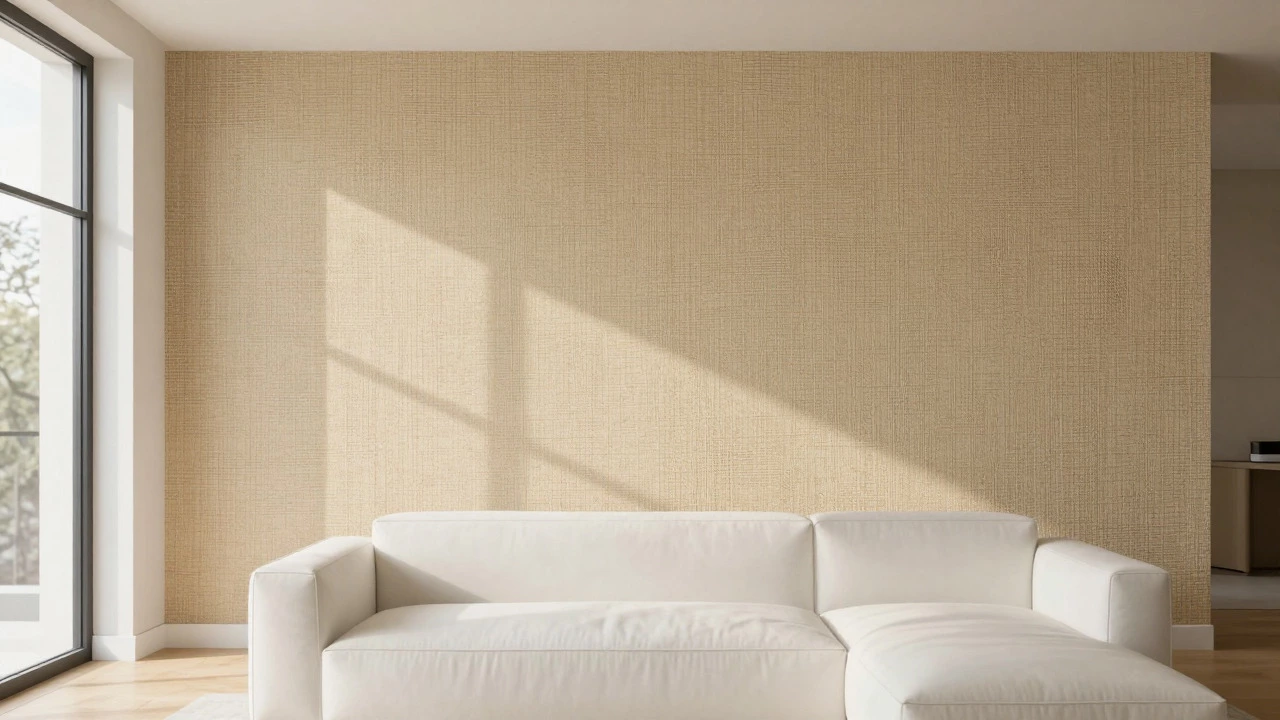
In recent years, interior design has shifted away from flat, glossy surfaces toward materials that feel tactile and real. People are tired of cold, sterile spaces. They want walls that have depth and character. This shift drives the popularity of natural fiber wallpapers. Unlike vinyl, which can look plastic under bright lights, grass cloth catches light differently throughout the day. In the morning, it might look soft and matte; in the evening, the shadows cast by the weave create a subtle pattern on the wall itself. This dynamic quality keeps interiors feeling alive without needing bold prints or loud colors.
Why It Fits Modern Aesthetics
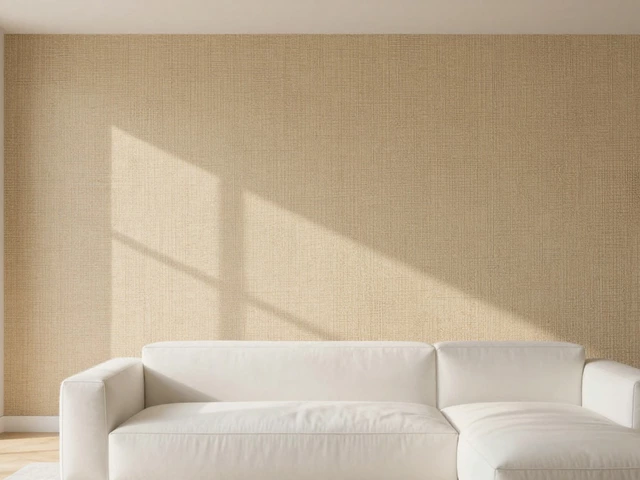
You might associate grass cloth with traditional country houses. That image is outdated. Today, designers use it to anchor modern spaces. Pairing rough, natural textures with sleek furniture creates a balance that feels sophisticated yet comfortable. For example, a smooth white sofa against a textured beige wall prevents the room from looking too clinical. The warmth of the fiber offsets the coolness of metal or glass elements. This contrast is key to the "quiet luxury" trend dominating 2024. It signals quality through material honesty rather than expensive branding.
| Feature | Grass Cloth | Vinyl |
|---|---|---|
| Texture | Highly tactile, visible weave | Smooth or printed imitation |
| Light Interaction | Creates shifting shadows | Reflective or flat |
| Durability | Fragile if wet, durable if dry | Water-resistant, easy to clean |
| Style Vibe | Organic, warm, natural | Modern, practical, varied |
Choosing the Right Shade and Weave
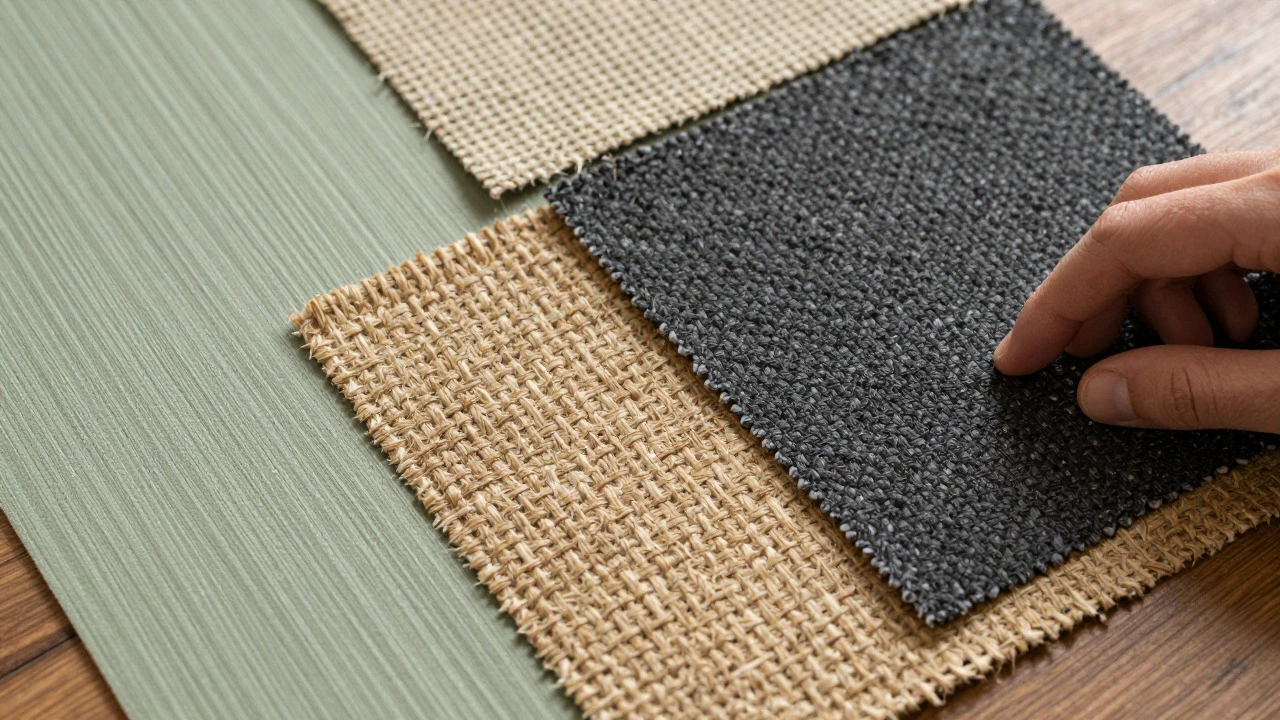
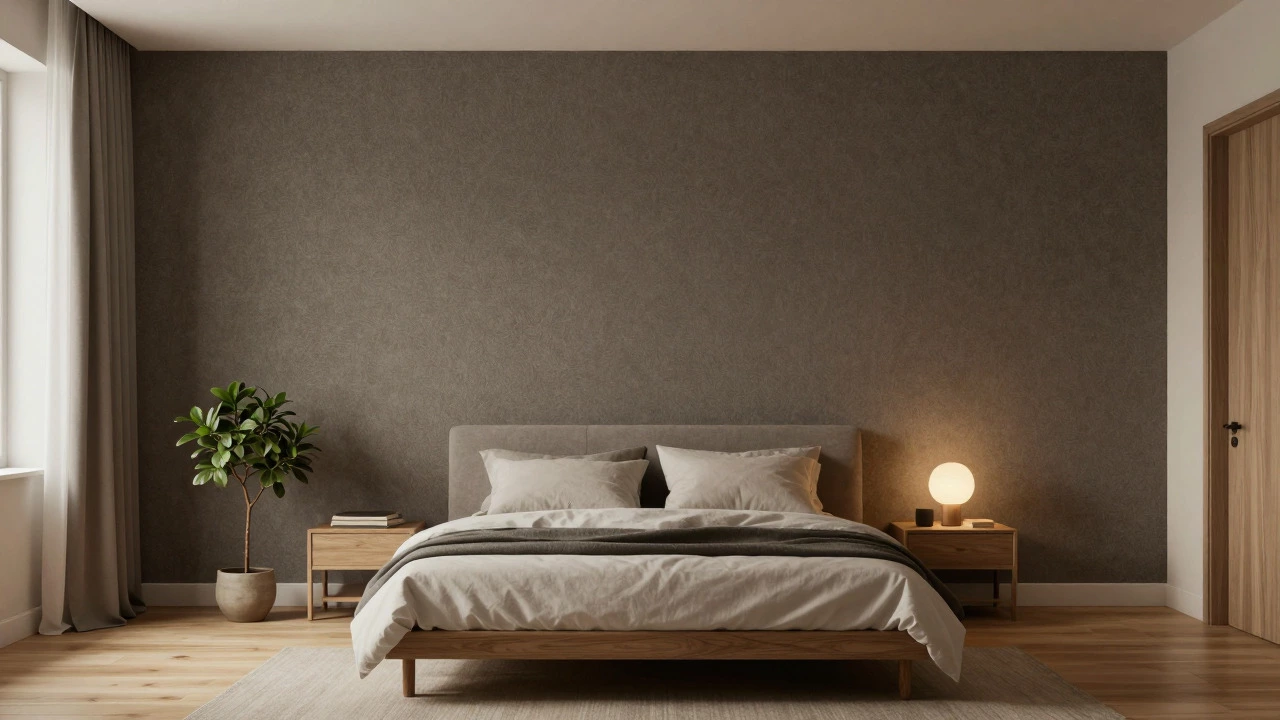
Not all grass cloth looks the same. The color palette has expanded significantly. While beige and tan remain popular, you will find shades of gray, sage green, and even deep charcoal. Darker tones work well in bedrooms or home offices where you want a cozy, enveloping atmosphere. Lighter shades are better for small rooms because they reflect more light and make the space feel larger. When selecting a roll, pay attention to the weave density. A tight weave looks smoother and more formal, suitable for dining rooms. A loose, chunky weave adds more drama and works well in living areas where casual comfort is the priority.
Installation and Maintenance Realities
Let’s be honest: grass cloth is not the easiest wallpaper to hang. The fibers can be fragile, and bubbles are hard to push out once the adhesive dries. If you are a DIY enthusiast, practice on a spare piece first. Use a fine-toothed brush to smooth out wrinkles gently. Avoid using a heavy smoothing tool, as it can crush the texture and ruin the look. Once installed, maintenance is simple but requires care. You cannot wipe it down with a wet sponge like you would vinyl. Dust it with a soft, dry vacuum attachment or a feather duster. If you spill something, blot it immediately. Do not rub, or you will distort the fibers. Because it is porous, avoid using it in bathrooms or kitchens unless you apply a protective sealant, though this can alter the matte finish.
Sustainability and Health Benefits
A big reason for its resurgence is sustainability. Many brands now produce grass cloth from renewable resources like bamboo or sisal. These materials break down more easily than synthetic plastics. For homeowners concerned about indoor air quality, low-VOC (volatile organic compounds) adhesives paired with natural paper backing are a healthier choice. There is also a psychological benefit. Biophilic design principles suggest that connecting with natural materials reduces stress. Having a wall that mimics nature helps ground the space, making it a retreat from the digital world outside your door.
Where It Works Best in Your Home
You do not need to cover every wall in your house. Strategic application makes the biggest impact. Consider using it as an accent wall behind a bed or a fireplace. In a hallway, it can absorb sound and reduce echo, creating a quieter transition between rooms. In a home office, a textured background can reduce eye strain compared to a stark white wall. However, avoid high-traffic areas where people might bump into the wall, as the fibers can snag on clothing or pets. If you have cats, keep them away from the lower sections, as claws can tear the surface easily.
Common Mistakes to Avoid
Many homeowners regret their grass cloth choices because of two common errors. First, they choose a color that clashes with their flooring. Since the wallpaper has a neutral base, it picks up surrounding tones. Test samples on your actual wall under different lighting conditions. Second, they ignore the scale of the room. A very coarse weave in a small closet can feel overwhelming. Stick to finer weaves in compact spaces. Also, ensure your walls are perfectly smooth before hanging. Any bumps or cracks in the plaster will show through the thin paper, ruining the uniform look. Skim coating the wall beforehand is worth the extra effort.
Frequently Asked Questions
Does grass cloth wallpaper go out of style quickly?
No, it is considered a timeless material. Because it relies on texture rather than trendy patterns, it fits various design eras. As long as you choose a neutral color, it will remain relevant for many years.
Can I paint over grass cloth wallpaper?
Yes, but it changes the aesthetic completely. Painting seals the fibers and gives a smooth, stucco-like finish. Some people love this effect, while others prefer the raw look. If you plan to paint, use a primer designed for textured surfaces.
Is grass cloth good for rental properties?
It depends on the tenant profile. High-end rentals can justify the cost and add value. However, for budget rentals, the fragility might lead to higher turnover costs due to damage. Vinyl is often a safer bet for high-turnover units.
How much does grass cloth wallpaper cost per roll?
Prices vary widely based on brand and material quality. Expect to pay between $30 and $80 per roll for standard options. Luxury brands using rare fibers can exceed $150 per roll. Always check if the price includes installation or just the material.
What is the difference between grass cloth and sisal wallpaper?
Sisal is a specific type of grass fiber used to make the wallpaper. Often, the terms are used interchangeably, but technically, sisal refers to the plant source. Grass cloth is the broader category of woven fiber wallpapers. Sisal tends to be coarser and more durable than some other grass cloths.