Is Building Construction a Good Career? Real Pros and Cons in 2026
Construction Career Salary Calculator
Estimate your potential earnings in New Zealand's construction industry. Based on data from the article and current market rates.
Your Estimated Annual Salary
Based on 2026 market rates in New Zealand. Actual earnings may vary by company and contract.
Is building construction a good career? If you’re tired of sitting at a desk, crave tangible results, and don’t mind getting your hands dirty, the answer might be yes. But it’s not just about physical work. In 2026, construction is changing fast - and the people thriving aren’t just strong backs. They’re skilled workers who understand tech, safety, and project flow. Let’s cut through the noise and look at what this career really looks like today.
It Pays Better Than You Think
One of the biggest myths is that construction jobs are low-paying. That used to be true - but not anymore. In New Zealand, a qualified carpenter averages $75,000 a year. Electricians and plumbers often make over $90,000. Site supervisors and project managers can hit $120,000+. And that’s before overtime, weekend rates, or working on remote sites where premiums kick in.
Compare that to many office jobs that require a four-year degree and still start at $50,000. You don’t need university to get there. Trade school? Maybe. A few weeks of on-the-job training? Often. The construction career pays upfront, not after years of student debt.
You’re Never Out of Work
Recessions hit some industries hard. Construction? Not so much. People still need homes. Schools still need repairs. Hospitals still need upgrades. Even when housing slows, there’s always maintenance, retrofitting, or public infrastructure work. In Auckland, the government’s housing targets and earthquake resilience upgrades have created a steady pipeline of work.
Unlike retail or hospitality, where layoffs happen fast, construction crews often get first pick when the economy turns. Companies don’t want to lose skilled tradespeople - they’re hard to replace. In 2025, New Zealand had over 12,000 open construction roles. That’s not a blip. That’s a structural shortage.
It’s Not Just Lifting Bricks Anymore
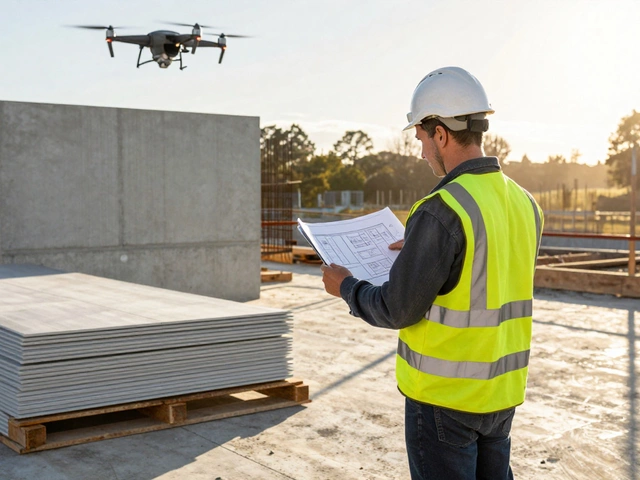
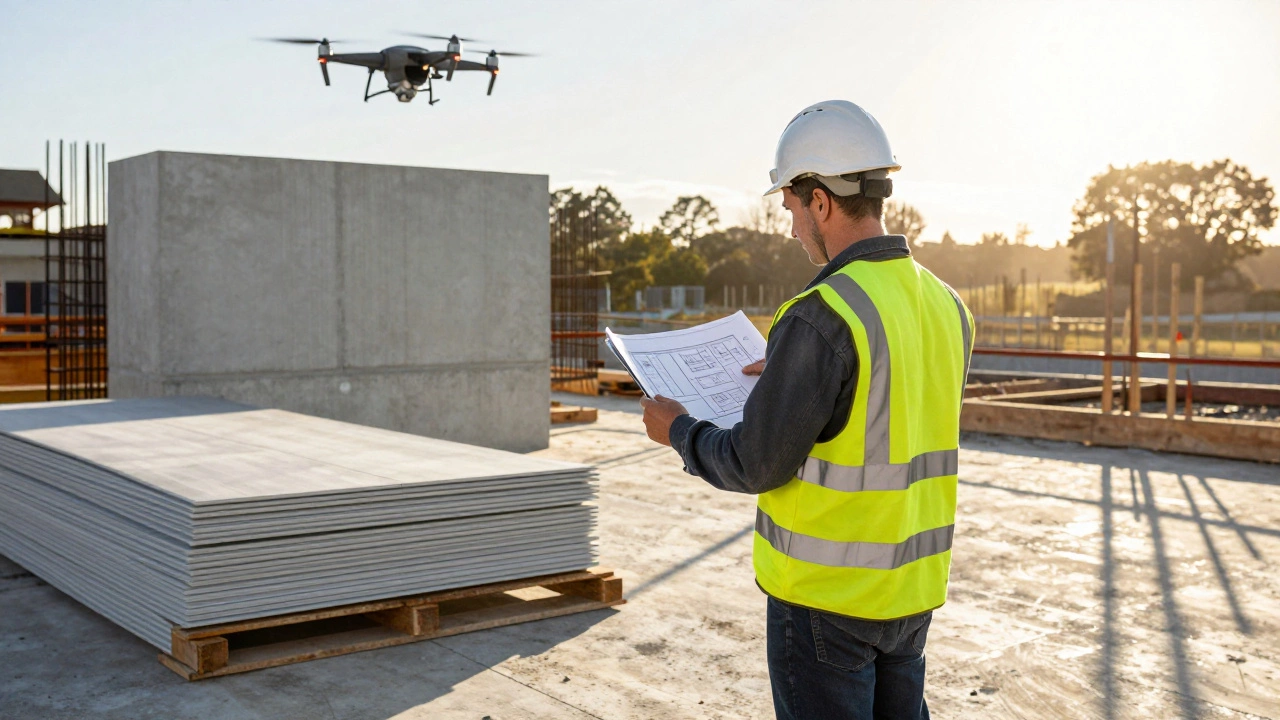
Think construction is all hard hats and wheelbarrows? Think again. Today’s builders use tablets to read digital blueprints. Drones survey sites. Laser levels and 3D modeling tools are standard. You don’t need to be a tech wizard, but you do need to adapt.
Modular construction is growing fast. Prefab walls, floors, and even entire bathrooms are built offsite and assembled on location. That means less waste, faster builds, and less guesswork. Workers who learn these systems earn more and work safer. The industry isn’t stuck in the past - it’s upgrading.
Physical Toll Is Real - But Manageable
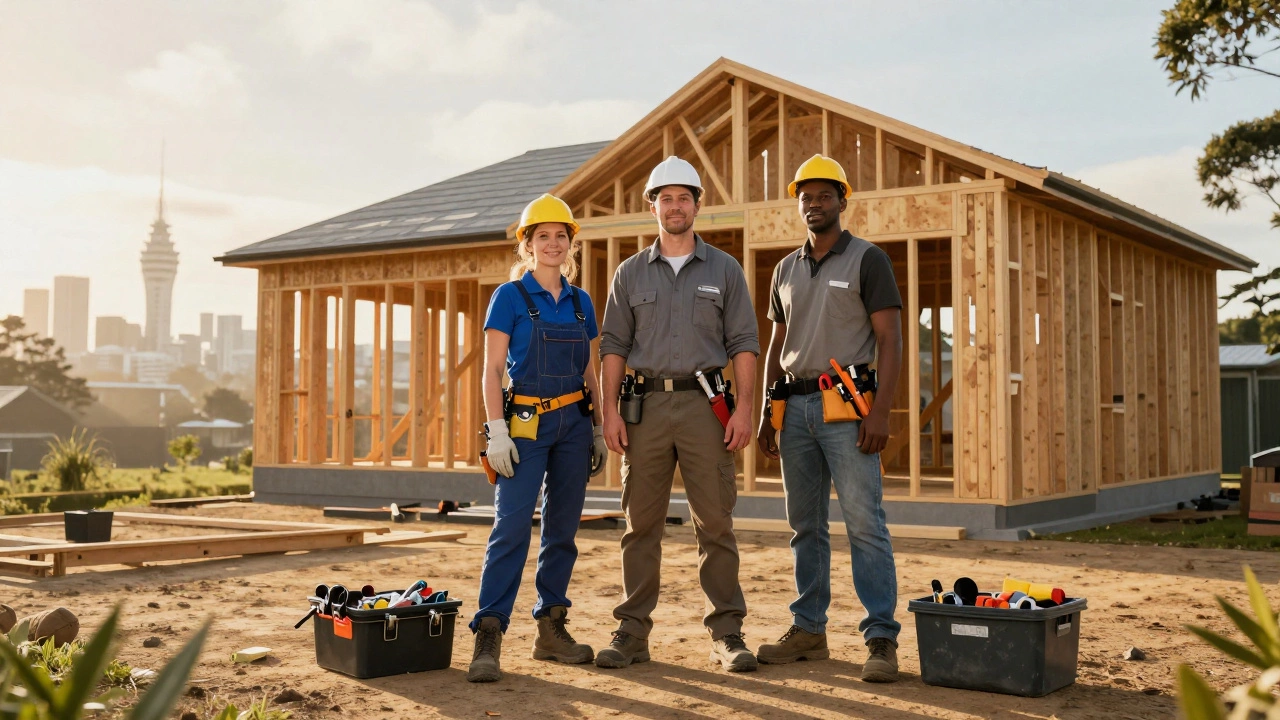
Let’s be honest: construction is hard on the body. Knees, backs, shoulders - they take a beating. But so do nurses, teachers, and warehouse workers. The difference? Construction workers know how to protect themselves.
Modern safety standards are strict. Ergonomic tools are common. Lift-assist devices, knee pads, and anti-vibration gloves are standard issue. Most companies now require regular stretching routines and injury prevention training. And if you’re smart, you’ll build strength and flexibility outside work. Many tradespeople start doing yoga or strength training in their 30s - not because they have to, but because they want to keep working into their 50s and 60s.
Yes, there are injuries. But the rate of serious accidents has dropped 40% since 2010, thanks to better training and equipment.
Progression Is Clear and Fast
Want to climb the ladder? Construction gives you a map. Start as a laborer. Move to apprentice. Then get your trade certificate. After that? Supervisor. Site manager. Project coordinator. Even start your own company.
Unlike corporate jobs where promotion can take years and depend on office politics, construction rewards skill and reliability. If you show up on time, solve problems, and keep your crew safe, you’ll be promoted. I’ve seen guys go from digging trenches to running $5 million projects in under five years.
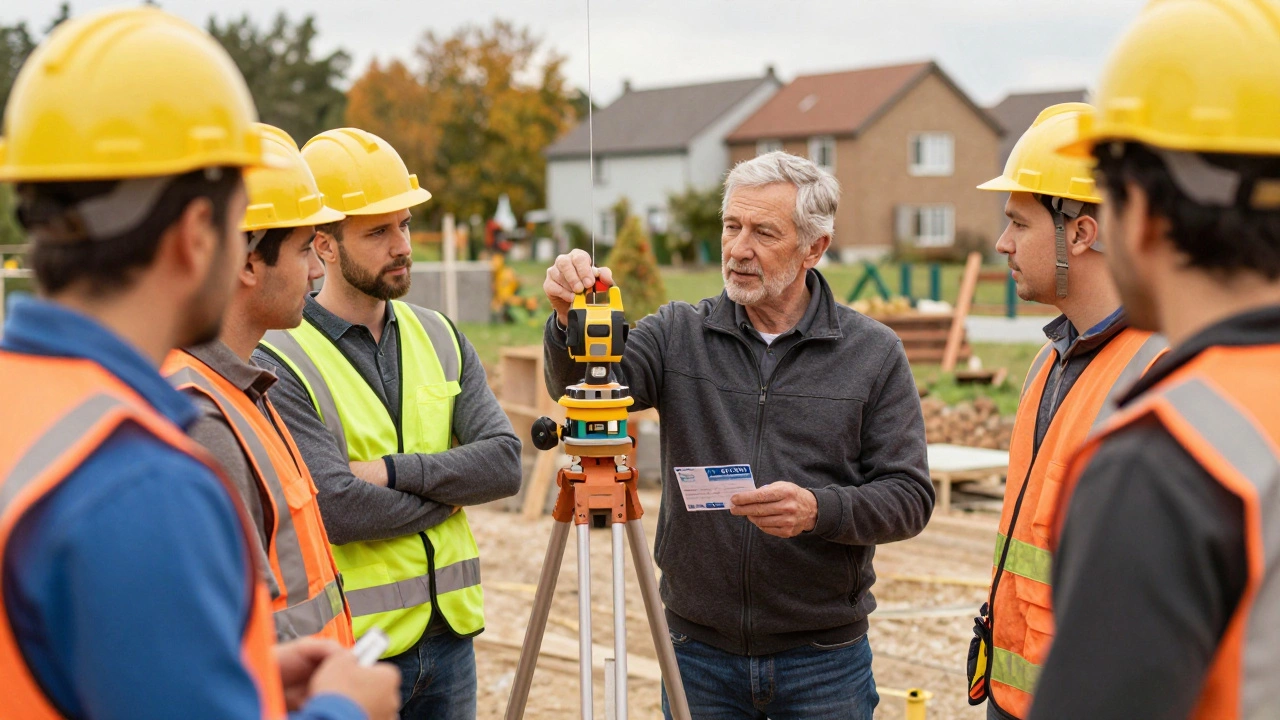
There’s also a path into training. Experienced workers can become assessors for New Zealand’s industry training organizations. You get paid to teach the next generation - and you never stop learning.
You Work Outside - And That’s a Bonus
Working inside all day can feel suffocating. Construction lets you see the sun, feel the wind, and watch your work grow from dirt to structure. That sense of progress is powerful.
It’s not just about the view. Being outside improves mental health. Studies show workers who spend time outdoors report lower stress and higher job satisfaction. In Auckland, even in winter, most building work continues - and crews adapt with proper gear. You’re not stuck under fluorescent lights. You’re part of the landscape.
It’s Not for Everyone - And That’s Okay
Some days are long. Rain delays. Material shortages. Angry clients. You might work 12-hour days in summer. Holidays can be unpredictable. And yes, you’ll deal with dust, noise, and sometimes bad attitudes.
If you need a 9-to-5 with predictable weekends, this isn’t it. But if you value autonomy, pride in your work, and the chance to build something real - it’s one of the few careers where you can point to a house, a school, or a bridge and say, “I helped make that.”
Where to Start in 2026
Here’s how to get in:
- Visit Industry Training Organisation (ITO) websites like Construction ITO or Electrical ITO. They list approved training providers.
- Apply for an apprenticeship. Most companies hire apprentices directly - no degree needed.
- Get your Site Safe card. It’s mandatory for most sites and takes one day to complete.
- Start with general labor. Learn the tools, the rhythm, the language of the site.
- Choose a trade: carpentry, plumbing, electrical, bricklaying, or steelwork. Each has its own path.
Many community colleges offer free introductory courses. Some even pay you while you learn. In Auckland, Work and Income and Kainga Ora have programs to help young people and career-changers get started.
Final Thought: It’s a Career, Not Just a Job
Building construction isn’t glamorous on TV. But it’s one of the most honest careers left. You earn your pay. You solve real problems. You leave something behind that lasts decades.
The demand isn’t going away. The tools are getting smarter. The pay is rising. And the people who stick with it? They don’t just survive - they thrive.
Is construction a good career for someone in their 30s or 40s?
Yes. Many people switch to construction later in life. The industry needs experienced workers who bring discipline, reliability, and problem-solving skills. You don’t need to be 18. A 40-year-old with a strong work ethic can complete an apprenticeship in 3-4 years and be earning well by 45. Many trade schools offer flexible schedules for adults.
Do I need a degree to work in construction?
No. A university degree is not required for most hands-on roles. What matters is certification - like a National Certificate in Carpentry or Plumbing - which you earn through apprenticeships and on-the-job training. For management roles, a diploma or degree helps, but experience often counts more.
How safe is working in construction today?
Construction is safer than ever. In New Zealand, workplace fatalities have dropped by over 60% since 2000. Companies now follow strict safety protocols, provide personal protective equipment, and run daily safety briefings. Getting certified in Site Safe and First Aid is standard - and it’s not just paperwork. It saves lives.
Can women have successful careers in construction?
Absolutely. Women make up about 12% of the construction workforce in New Zealand - and that number is growing. Companies are actively recruiting women for trades, especially in areas like electrical, plumbing, and project coordination. Support networks like Women in Construction and Trade Women NZ offer mentorship and resources. Skill, not gender, determines success.
What’s the future of construction jobs?
The future is tech-integrated and sustainable. Green building standards, energy-efficient materials, and modular construction are expanding. Workers who learn BIM (Building Information Modeling), solar panel installation, or insulation techniques will be in high demand. The jobs won’t disappear - they’ll evolve. Those who adapt will lead the industry.