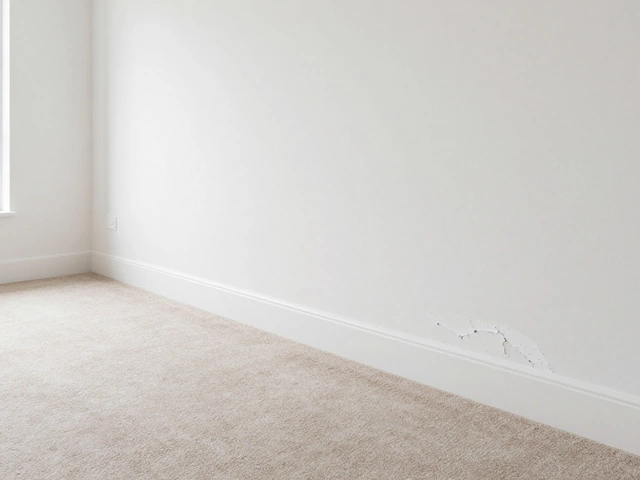
Common New Build Defects: What to Look For and How to Fix Them
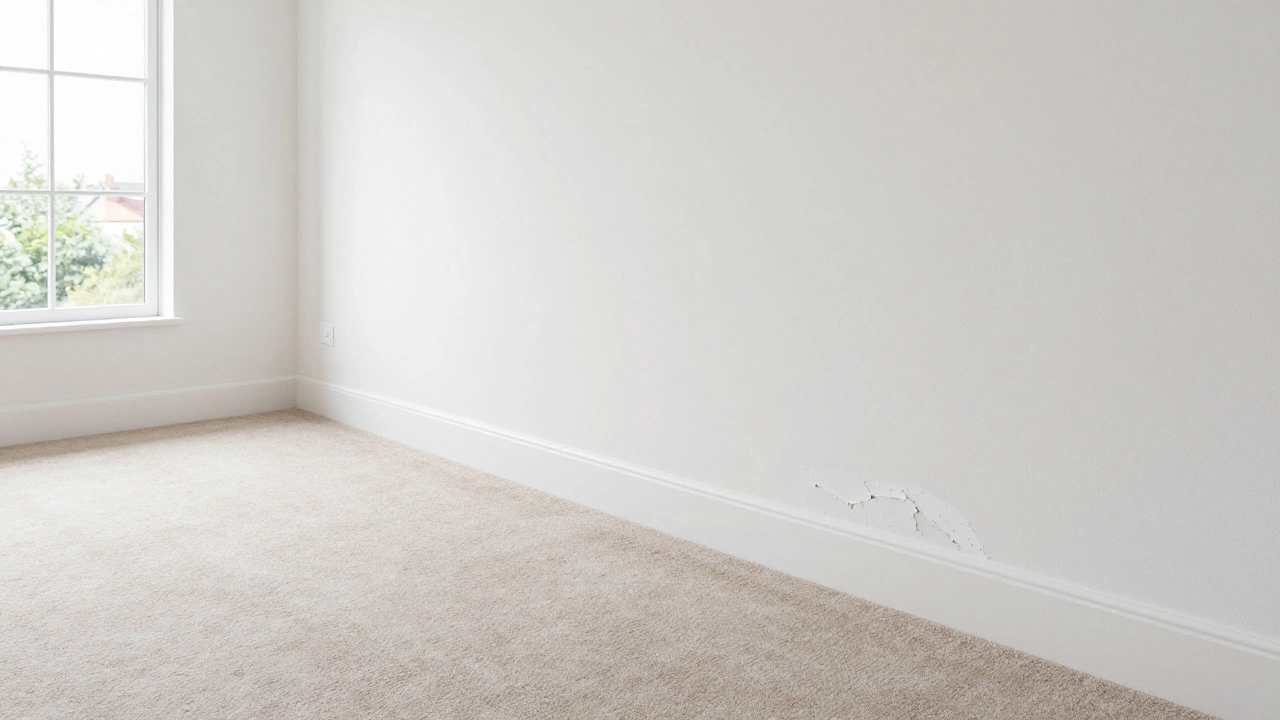
New Build Defect Analyzer & Checklist
Select the symptoms you've noticed in your home to identify potential defects and determine the priority for your snagging list.
Your Snagging Priority Summary
You've finally got the keys to your brand-new home. Everything looks pristine, the paint is fresh, and the air smells like new carpet. But behind those clean lines and fresh coats of white paint, there could be mistakes that don't show up until the first big storm or the first winter freeze. Most people assume a new build is perfect, but reality is different. Construction is a high-pressure industry where deadlines often clash with quality, leading to the kind of errors that can cost you thousands if you don't spot them early.
The goal here isn't to make you paranoid, but to give you a checklist of what actually goes wrong in modern housing. If you can identify these building defects before your warranty period expires, you can get the developer to pay for the fixes instead of digging into your own savings.
Главные выводы / Key Takeaways
- Water ingress and dampness are the most critical and costly defects.
- Structural cracks are common during the "settling" phase but can signal deeper issues.
- Poor insulation and air leaks often lead to unexpected heating bills.
- Snagging lists are your primary tool for holding developers accountable.
- Cosmetic issues are easy to fix, but systemic failures require professional intervention.
Water Ingress and Damp Problems
Water is the biggest enemy of any building. In new builds, the most frequent culprit is Water Ingress, which is the unwanted entry of water into the interior of a building through the building envelope. This often happens because of poor sealing around window frames or improperly installed flashing on the roof.
One common scenario involves the Damp Proof Course, or a horizontal barrier in a wall that prevents moisture from rising from the ground. If this layer is punctured during the installation of pipes or cables, moisture wicks up the walls. You'll notice this as peeling paint or a musty smell in the lower parts of your rooms. If you see "tide marks" on your plaster, you're looking at a systemic failure, not just a splash of water.
Another headache is leaking plumbing. Many developers use plastic push-fit pipes. While they are fast to install, a single loose connection can lead to a slow drip inside a wall. By the time you see a damp patch on the ceiling, the timber joists may already be rotting.
Structural Cracks and Foundation Issues
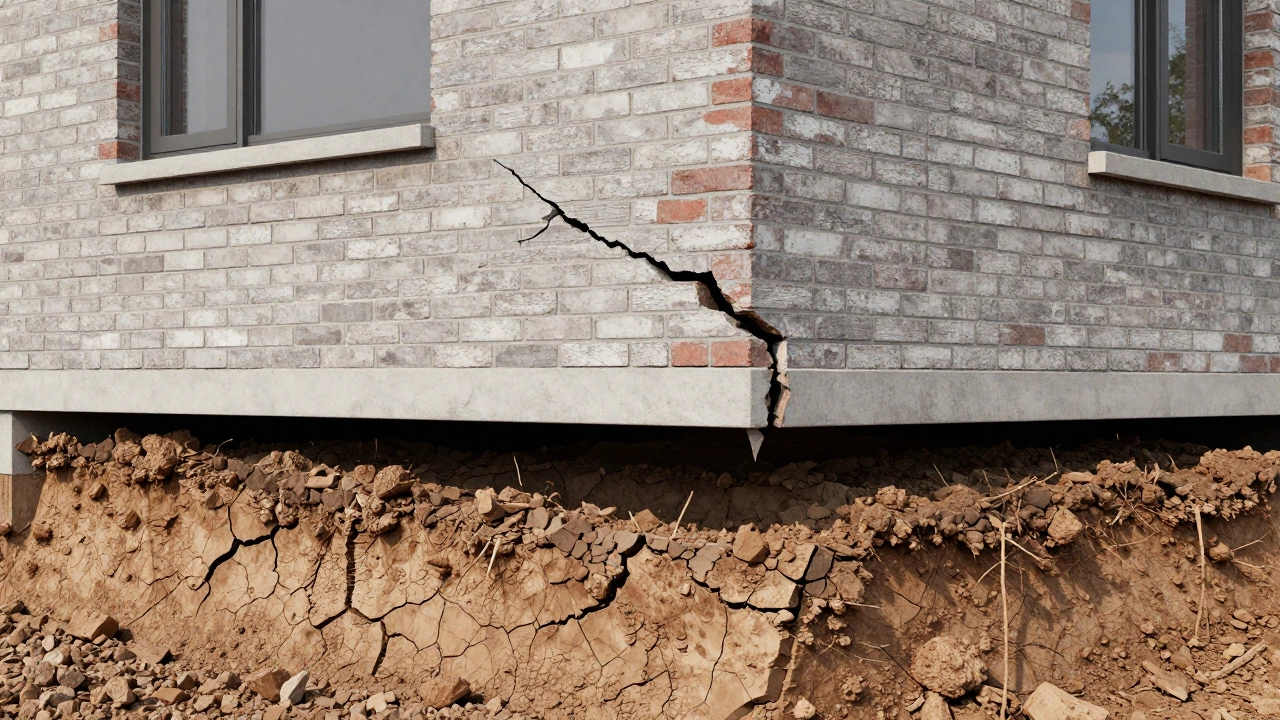
Every house "settles"-that's the normal process of a building finding its balance in the soil. However, there's a big difference between a hairline crack in the plaster and a structural failure. If you see diagonal cracks widening from the corners of doors or windows, you might be dealing with Subsidence, which is the downward movement of a building's foundation caused by the soil shrinking or shifting.
This often happens in areas with high clay content in the soil. During a dry summer, the clay shrinks, and the house drops. In a wet winter, it expands. If the Foundation, the lowest part of a building that supports the entire structure and transfers the load to the earth, wasn't dug deep enough to reach stable ground, you'll see these shifts.
Check your external brickwork too. Look for "stepped" cracks that follow the mortar lines. If the gap is wider than 2mm, it's no longer just settling; it's a defect that needs an engineer's eye.
Thermal Efficiency and Insulation Gaps
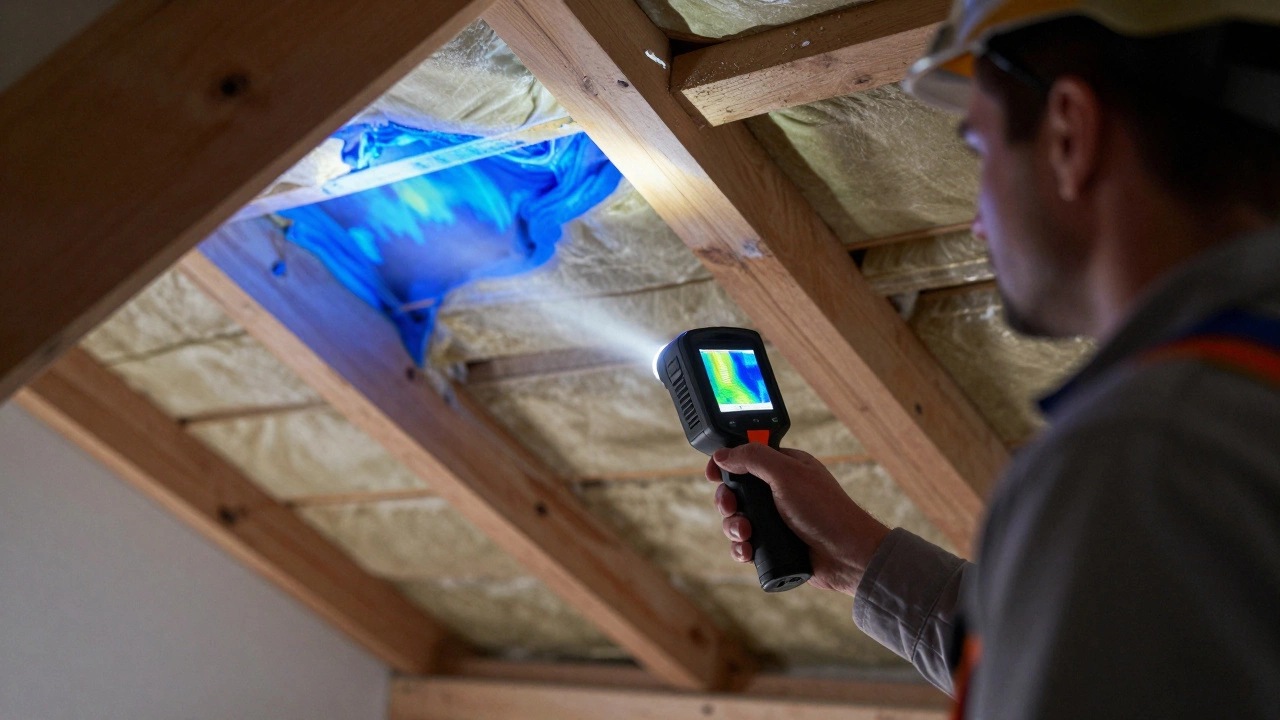
You're told the house is "energy efficient," but your heating bill says otherwise. This is usually due to poor installation of Thermal Insulation, the materials used to reduce heat transfer through walls, roofs, and floors. A common mistake is leaving "cold bridges"-spots where the insulation is missing or compressed, allowing heat to escape rapidly.
Many new builds suffer from gaps in the loft insulation. If the installer didn't wrap the insulation around the joists properly, you get air pockets that let heat vanish into the attic. Even worse is the failure of the Vapour Barrier, a membrane used to prevent moist air from migrating into the insulation and causing condensation. When this is ripped or left unsealed, moisture enters the walls, which can lead to hidden mold growth and a drop in overall home temperature.
| Defect Type | Primary Cause | Severity | Typical Fix |
|---|---|---|---|
| Water Ingress | Poor sealing/flashing | High | Resealing or replacing flashings |
| Subsidence | Soil shift / shallow footings | Critical | Underpinning the foundation |
| Cold Bridging | Missing insulation gaps | Medium | Adding spray foam or mineral wool |
| Plaster Cracks | Normal settling | Low | Filling and repainting |
Poor Finishing and "Snagging" Issues
While these aren't always "structural," a house full of poor finishes suggests a developer who cuts corners. The process of identifying these is called Snagging, which is the act of inspecting a new property for minor defects or incomplete work before final handover.
Look for "blown" plaster-where the plaster has detached from the brickwork, creating a hollow sound when you tap it. Check the joinery; gaps in skirting boards or poorly fitted kitchen cabinets are red flags. If the doors don't latch properly or the windows stick, it often means the house is slightly out of plumb, meaning the walls aren't perfectly vertical.
Don't forget the electricals. It's common to find sockets that aren't properly grounded or light switches that control the wrong circuits. A quick test with a plug-in socket tester can save you from a dangerous electrical fault later on.
Ventilation and Air Quality Failures
Modern homes are built to be incredibly airtight to save energy. However, if they are too airtight without a proper MVHR System (Mechanical Ventilation with Heat Recovery), you'll end up with condensation and mold. If you see moisture beads on the windows every morning, the ventilation is failing.
Many builders install basic trickle vents in windows, but if these are blocked or too small for the room size, the humidity builds up. This is especially common in bathrooms and kitchens where the extractor fans are often undersized or installed in a way that doesn't actually pull air out of the room. If the fan doesn't pass the "tissue test" (holding a piece of toilet paper to the grill to see if it sticks), it's not working.
How to Manage a Defect List
The moment you get your keys, you are on a clock. Most developers provide a two-year warranty for the first few years, but the most effective time to get things fixed is immediately after move-in. Create a detailed snagging list. Instead of saying "window is broken," say "Master bedroom window frame has a 5mm gap in the external seal on the left side." Be specific.
If the developer ignores your list, check your contract for the dispute resolution process. In many regions, an independent surveyor's report is the only thing that will make a big developer take a defect seriously. If you find a major issue like subsidence, do not attempt to fix it yourself; this could void your home insurance and your builder's warranty.
What is the difference between a snag and a defect?
A snag is generally a cosmetic issue, like a scratch on a door or a smudge of paint on a socket. A defect is a failure of a building element to perform its intended function, such as a leaking pipe or a wall that isn't supporting the roof correctly. Snags are annoying; defects are dangerous or costly.
How long does a new build typically take to "settle"?
Most houses settle over the first 2 to 5 years. During this time, small hairline cracks in the plaster are normal. However, any crack that is wide enough to fit a credit card into, or any crack that appears in the external brickwork, should be reported immediately as it may be more than just settling.
Should I hire a professional snagging company?
Yes, for most people it is a wise investment. Professional snagging surveyors have thermal imaging cameras to find missing insulation and moisture meters to detect leaks behind walls that you cannot see with the naked eye. They know exactly where builders usually cut corners.
What should I do if the developer refuses to fix a defect?
First, document everything with photos and dates. Send a formal letter or email citing the specific part of the building regulations that is being breached. If they still refuse, contact your home warranty provider or a legal advisor specializing in construction law to initiate a formal claim.
Can I fix a building defect myself without voiding the warranty?
Cosmetic snags like painting a wall are usually fine. However, any work involving the structure, plumbing, or electrical systems should be done by the developer or a certified professional. If you modify a system and it later fails, the developer will likely blame your "unauthorized work" to avoid paying for the repair.
Next Steps and Troubleshooting
If you've just moved in, your first priority is a walkthrough. Don't be afraid to be picky; this is the most expensive purchase of your life. If you suspect a major issue, like a damp smell in a room with no visible leaks, rent a thermal camera or hire a surveyor. It's much cheaper to find a leak now than to replace a moldy wall in three years.
For those who have already lived in their home for a while and are just noticing issues, check your warranty documents. Most new builds have a tiered warranty (e.g., 2 years for general defects, 10 years for structural). Map out your issues and categorize them by urgency: water leaks first, thermal gaps second, and cosmetic fixes last.