Why Do New Builds Have Mold? Causes and Solutions for 2026

New Build Ventilation & Mold Risk Checker
Analyzing... Please select room type and adjust values.
Recommendation:
Why This Matters for New Builds
"Tight House Syndrome": Modern homes are sealed for energy efficiency, trapping moisture.
Risk Factor: If your extractor fan isn't rated for the room size, vapor won't escape, leading to rapid fungal colonization within 48 hours.
You buy a fresh property. Everything smells clean. The paint is crisp. Then, three months later, you find black spots behind the fridge or fuzzy patches in the shower corner. Mold in new builds isn't just a myth; it’s a surprisingly common issue in modern construction. Even though these homes are built with advanced materials, they often trap moisture faster than older structures.
Mold growth in newly constructed homes typically stems from trapped construction moisture, inadequate ventilation, and modern air-sealing techniques that prevent natural drying. In climates like Auckland, where humidity fluctuates rapidly, this leads to rapid fungal colonization.The Hidden Water Trapped During Construction
When builders finish a project, water remains inside the walls. Concrete curing requires significant amounts of water to harden properly. Plasterboard installation also involves wet trades, including glues and renderings. In many cases, the building envelope gets sealed up before this internal moisture has had time to evaporate. By late 2025, construction schedules in the region accelerated significantly to meet housing demand, meaning contractors often close up rooms too quickly.
Think about a sponge. If you squeeze it dry, some water stays deep inside the fibers. Similarly, timber framing and brickwork retain moisture well after they appear dry on the surface. If you move into the house while the structure is still releasing that water, your heaters will push that dampness into corners where it cannot escape. Instead of drying out through the windows or vents, the humidity settles on cold surfaces inside the wall cavities.
| Material | Typical Drying Time | Risk Factor |
|---|---|---|
| Concrete Slab | 90-180 days | High moisture release over long periods |
| Timber Framing | 30-60 days (dependent on weather) | Susceptible to rot if humidity exceeds 20% |
| Plasterboard | 7-14 days | Softens and degrades with prolonged damp |
Modern Design Creates 'Tight House' Syndrome
Newer homes follow strict energy efficiency regulations. These rules require tighter sealing around windows, doors, and insulation layers to keep heat inside. While this saves money on power bills, it stops the natural air exchange that used to happen in leaky older houses. Old homes had small cracks that let moist air leave naturally. New homes are designed to be almost hermetically sealed to maximize thermal performance.
This creates a scenario often called 'tight house syndrome'. Without intentional ventilation design, daily activities like cooking pasta, taking hot showers, or drying clothes indoors generate massive amounts of vapor. In 2025, average household sizes grew slightly in regional areas like Auckland, yet bathroom sizes stayed static. More people using smaller bathrooms means the moisture load increases. If the extraction fans aren't oversized correctly, that steam hits the ceiling and drips down onto insulation batts.
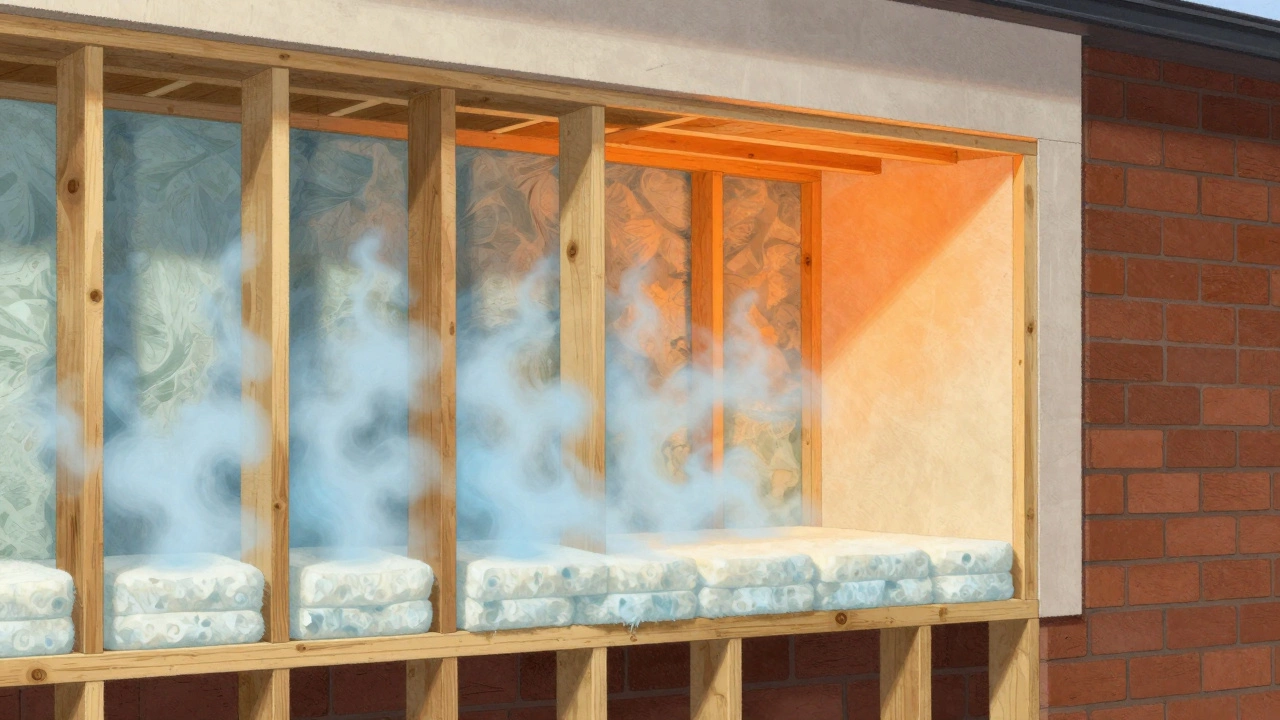
Insulation is necessary, but if the wrong type is installed or placed incorrectly, it acts like a blanket over wet surfaces. Cavity Wall Insulation needs proper spacing and airflow channels. When builders place rigid foam directly against studs without leaving a gap for drainage or breathability, any rain leakage or condensation finds itself trapped against the wood frame. Fungal spores love this warm, dark environment. They settle in overnight and begin forming colonies within 48 hours.
Ventilation Systems That Don't Match Reality
Many new builds include mechanical ventilation, but often it's insufficient. An exhaust fan might work fine when tested at the factory, but real-world performance depends on ducting length and bends. Long metal ducts can lose up to 30% of suction power before the air exits the roof. Furthermore, many buyers switch off extractors after use because they don't realize they should run them continuously.
The issue isn't always broken equipment; sometimes it is simply underpowered gear for the room size. A standard 5-star rating extractor fan covers a typical Australian bedroom size of 12 square meters, but our kitchens often reach 20 square meters now. If you cook daily, you need a system rated for industrial-level removal. Passive vents, like trickle vents in windows, help immensely but are frequently blocked by decorative screens or furniture placement.
| Room Type | Minimum ACH | Ideal Fan Capacity |
|---|---|---|
| Bathroom | 10 times/hour | 200m³/h minimum |
| Kitchen | 15 times/hour | 300m³/h minimum |
| Laundry | 8 times/hour | 150m³/h minimum |
Inadequate Moisture Barrier Installation
Every new home relies on a vapor barrier. This plastic sheet sits behind plasterboard in bedrooms and living spaces, or in front of insulation in walls. Its job is simple: stop moisture from moving into structural timber. However, installation errors are rampant. A single unsealed nail hole or a missed section near an electrical outlet becomes a highway for vapor migration.
In humid coastal regions, external waterproofing membranes are critical. Waterproofing Membranes must overlap perfectly in corners like shower niches. If the membrane tears during tiling, water penetrates the wall cavity. Because the exterior cladding looks perfect, nobody notices until the internal wallpaper bubbles. Builders often rush this step because it happens right before the final cosmetic cleanup.
Post-Settlement Cracking Leaks
New foundations settle slightly after construction. As the ground compacts, tiny hairline fractures appear in concrete slabs or render finishes. These cracks are invisible to the naked eye until water starts tracking through them. Settlement is normal, especially on clay-heavy soils found in parts of Auckland, where the ground shifts seasonally.
If a drainpipe connected to the slab leaks even a few drops a day, it saturates the subfloor area. Over six months, this creates a damp patch that wicks up through floor joists. Once the timber fibers are saturated, mold takes hold instantly. You won't see the source from inside the kitchen; it appears as staining on skirting boards. Remediation involves lifting floorboards, which can cost thousands.

How to Prevent It Yourself
You can manage the risk if you know what to check before signing contracts. Request a full building warrant of fitness documentation that proves the moisture levels are below industry limits (Building Inspector reports should cite specific relative humidity figures). Use a handheld hygrometer upon moving in to measure readings weekly. Keep numbers below 60%. If they spike above that threshold consistently, use a dehumidifier rather than just opening windows, as outside air in winter adds more humidity.
Ensure every room has some form of cross-ventilation capability. Openable windows are legally required, but make sure they actually open freely. Some manufacturers install tilt windows that only crack open slightly-these are great for security but terrible for flushing steam. Finally, inspect the roof void annually. It is the hottest part of the house during summer and coldest during winter, making it a prime condensation zone.
Frequently Asked Questions
Is mold in a new build covered by insurance?
Generally, standard home insurance does not cover mold damage caused by gradual neglect or poor ventilation. However, if mold results from sudden accidental discharge of water (like a burst pipe) or a builder's warranty defect (such as poor flashing), you may claim compensation. Always document the source.
Can cleaning products kill all types of new build mold?
Bleach cleans surface stains but does not remove roots on porous surfaces like drywall. For organic material, biocides are needed. Severe infestations requiring >10 sq ft usually mandate professional remediation to prevent structural decay. DIY sprays work best on non-porous tiles or glass.
What indoor humidity level prevents mold growth?
Keep relative humidity between 30% and 50% year-round. Above 60%, mold spores activate and multiply rapidly regardless of visible dirt. Using smart sensors linked to dehumidifiers helps maintain this range automatically in modern smart-homes.
Does insulation cause mold?
Insulation itself doesn't cause mold; improper installation does. If there is no breather paper or gap allowing moisture escape, water condenses within the insulation layer. Breathable insulation types, like mineral wool, manage moisture better than solid plastic foams.
Why is mold worse in winter?
Cold air holds less moisture. When warm, moist indoor air touches cold window frames or exterior walls, the temperature drops below the dew point instantly, creating liquid condensation. This provides the essential water source mold needs to grow, often accelerating its speed in colder months.