What Is Included in a New Build? The Complete Buyer's Guide
New Build True Cost Calculator
Base Configuration
Upgrades & Extras
Essential Exclusions
Items rarely included in the base price but necessary to live comfortably.
Cost Breakdown
Buying a brand-new home feels like stepping into the future. You get fresh paint, modern appliances, and that undeniable 'new car smell.' But here is the catch: unless you read the fine print, you might be paying for a luxury package while receiving a basic shell. The gap between what developers promise and what actually ends up in your driveway can cost you thousands.
If you are looking at new build properties in Auckland or anywhere else, knowing exactly what is included-and what isn't-is your best defense against sticker shock later on. This guide breaks down the standard inclusions, the common exclusions, and the sneaky add-ons that builders love to push.
The Standard Inclusions: What You Actually Get
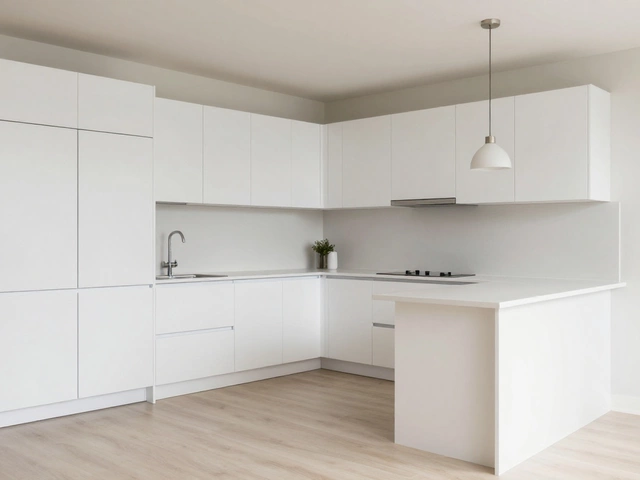
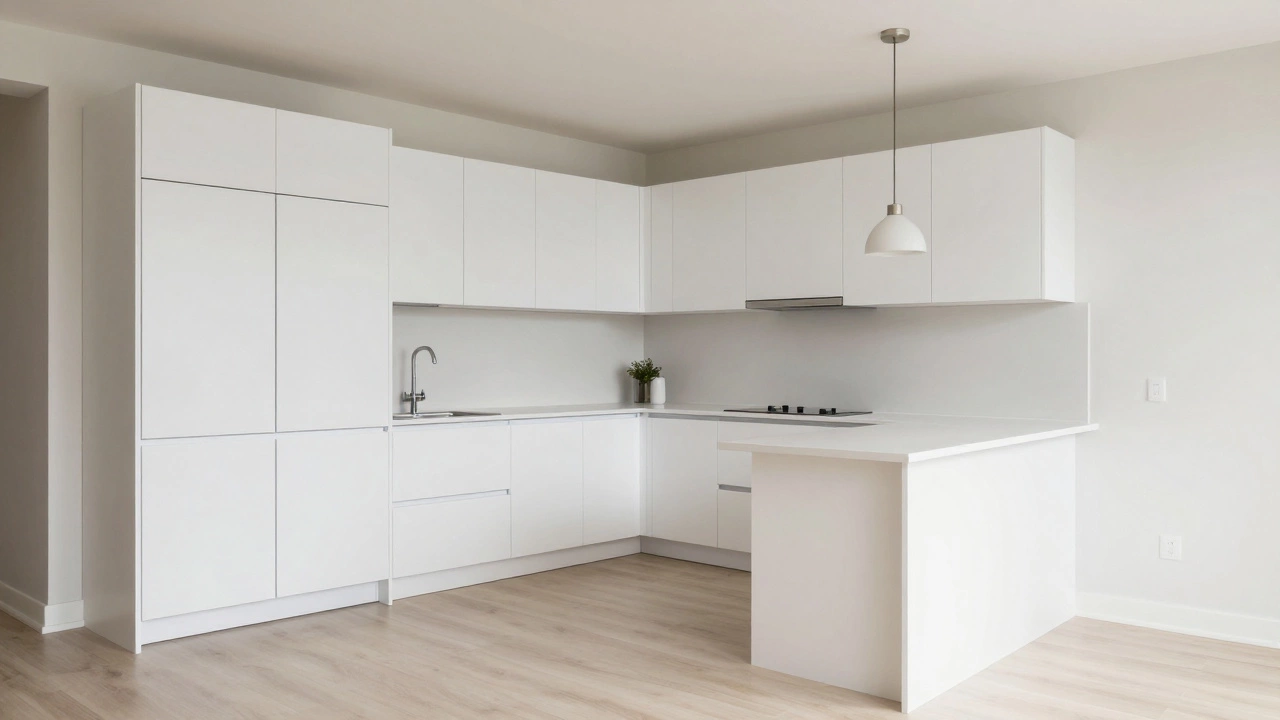
When a developer lists a price for a new home, it usually covers the structure and the basics required by building codes. Think of this as the 'vanilla' version of the house. It is functional, safe, and livable, but it lacks personality. Here is what typically comes with the keys:
- Structural Elements: The foundation, framing, roofing, windows, and external cladding. These are non-negotiable parts of the build.
- Kitchen Cabinetry: Basic laminate or melamine cabinets. Usually, these are pre-assembled boxes with standard hardware (hinges and handles).
- Bathroom Fixtures: Standard white ceramic toilets, basins, and showerheads. Expect mid-range brands, not designer labels.
- Flooring: Carpet in bedrooms and vinyl or tile in wet areas (kitchen/bathrooms). Hardwood or engineered timber is rarely included in base prices.
- Lighting: Downlights in main living areas and simple pendant lights over kitchen islands. Bedroom lighting is often just a single ceiling rose.
This baseline ensures the house is habitable. However, do not expect high-end finishes. The carpet will likely be low-pile synthetic, and the kitchen taps will be plastic-coated metal rather than solid brass.
The Grey Area: Upgrades vs. Standards
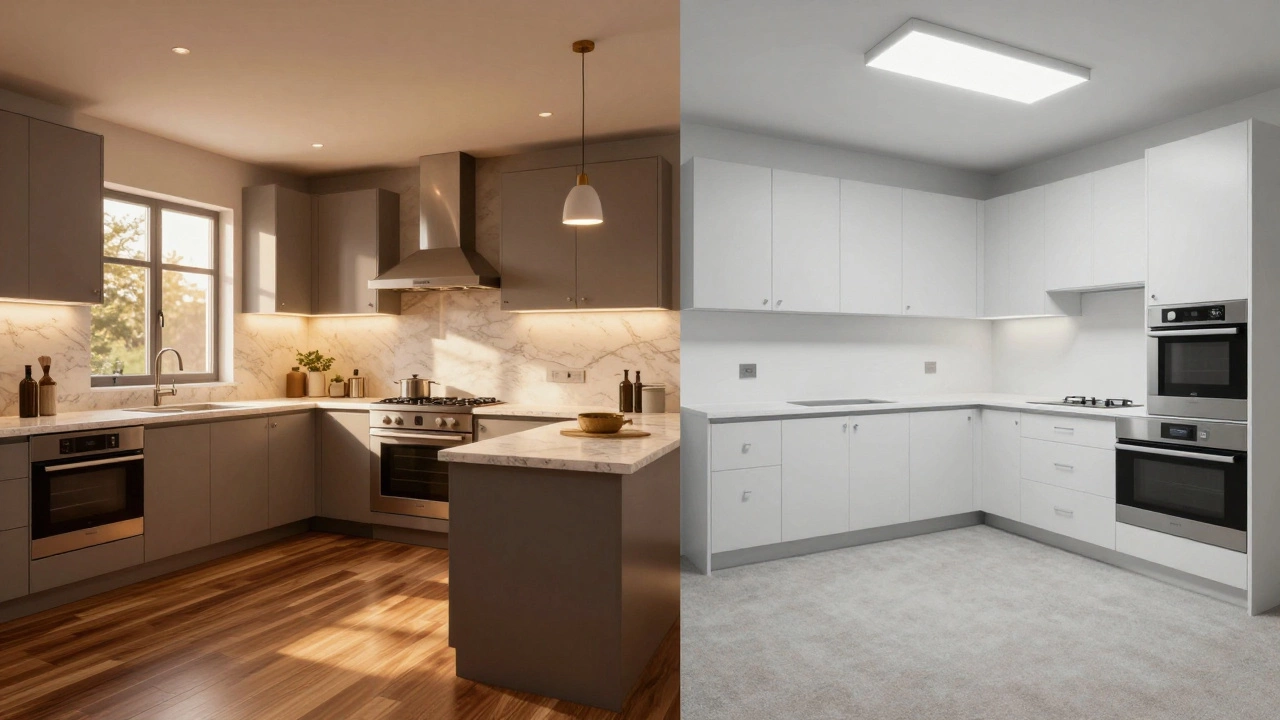
This is where most buyers get confused. Developers often use 'show homes' to sell their vision, but show homes are marketing tools, not contracts. They feature upgraded fixtures, premium flooring, and smart home tech that you have to pay extra for. Let’s look at the specific areas where standards vary wildly:
| Feature | Standard Inclusion | Typical Upgrade Cost |
|---|---|---|
| Kitchen Benchtops | Laminate (easy to chip) | $1,500 - $3,000 for stone/quartz |
| Flooring | Synthetic Carpet / Vinyl | $40 - $80 per sqm for timber/engineered wood |
| Appliances | Whitegoods (often generic brands) | $2,000+ for integrated Miele/Bosch suites |
| Insulation | Minimum code compliance (B2 grade) | $1,000 - $2,000 for superior acoustic/thermal insulation |
| Windows | Single glazed or basic double glazing | $500+ per window for triple glazing |
Notice the insulation row? That is a critical one. Many builders stick to the bare minimum legal requirement for thermal performance. If you live in a place with cold winters or hot summers, upgrading insulation is one of the few changes you cannot easily make after move-in. It pays off in energy bills and comfort.
What Is Almost Never Included
Developers operate on thin margins. To keep the headline price attractive, they exclude items that are expensive to install but essential for daily life. Do not assume these are part of the deal:
- Landscaping: You will likely receive a bare block of earth or basic grass seed. Trees, fences, driveways, and patios are almost always extra.
- Smart Home Tech: Unless specified, you won't get video doorbells, smart thermostats, or integrated security systems.
- Window Treatments: No blinds, curtains, or flyscreens. You walk in with naked windows.
- External Lighting: Pathway lights, garage lights, and exterior security spots are usually optional extras.
- Garage Flooring: Often left as raw concrete. Sealing or epoxy coating is an upgrade.
I once saw a buyer in Auckland shocked to find out that the fence around his backyard wasn't included. He thought the 'gated community' feel meant privacy fencing was standard. It didn't. He ended up spending $8,000 out of pocket just to hide his view from neighbors.
Hidden Costs and Fees to Watch For
Even if you accept every standard specification, there are fees that creep in before you sign the final contract. These aren't about the house itself; they are about the process of buying it.
- District Plan Charges: Local council fees for connecting to water, sewage, and power. These can range from $5,000 to $15,000 depending on the infrastructure availability in your area.
- Consent Fees: Building consent and resource consent costs. Sometimes developers absorb these, sometimes they pass them to you.
- Levy Contributions: Charges for local parks, schools, or stormwater management. In Auckland, these levies have risen significantly in recent years.
- Insurance Gap: Builder's risk insurance covers the structure during construction. Once you take possession, you need immediate contents and landlord insurance if renting it out.
Always ask for a 'Cost to Complete' estimate from your mortgage broker. This includes all the non-structural costs above. If you budget only for the house price, you might run out of cash before the keys arrive.
How to Negotiate Your New Build Package
You might think new builds are fixed-price deals. They aren't. Builders have flexibility, especially if they want to close sales quickly or if the market is slow. Here is how to leverage that:
1. Bundle Your Upgrades Instead of asking for cheaper carpet, ask for a credit toward higher-value items. For example, request a $2,000 allowance for benchtops instead of free laminate. It sounds more professional and gives you control over the quality.
2. Time Your Purchase Builders often have quarterly targets. If you shop near the end of the month or quarter, you might get better concessions. Sales teams are under pressure to hit numbers, making them more willing to throw in extras like a dishwasher or extended warranties.
3. Check the Warranty Terms In many regions, new builds come with a statutory warranty (e.g., 10 years for structural defects). Ask if the builder offers an extended warranty for waterproofing or roofing. Waterproofing failures are costly and stressful to fix. A builder confident in their work will offer this extension.
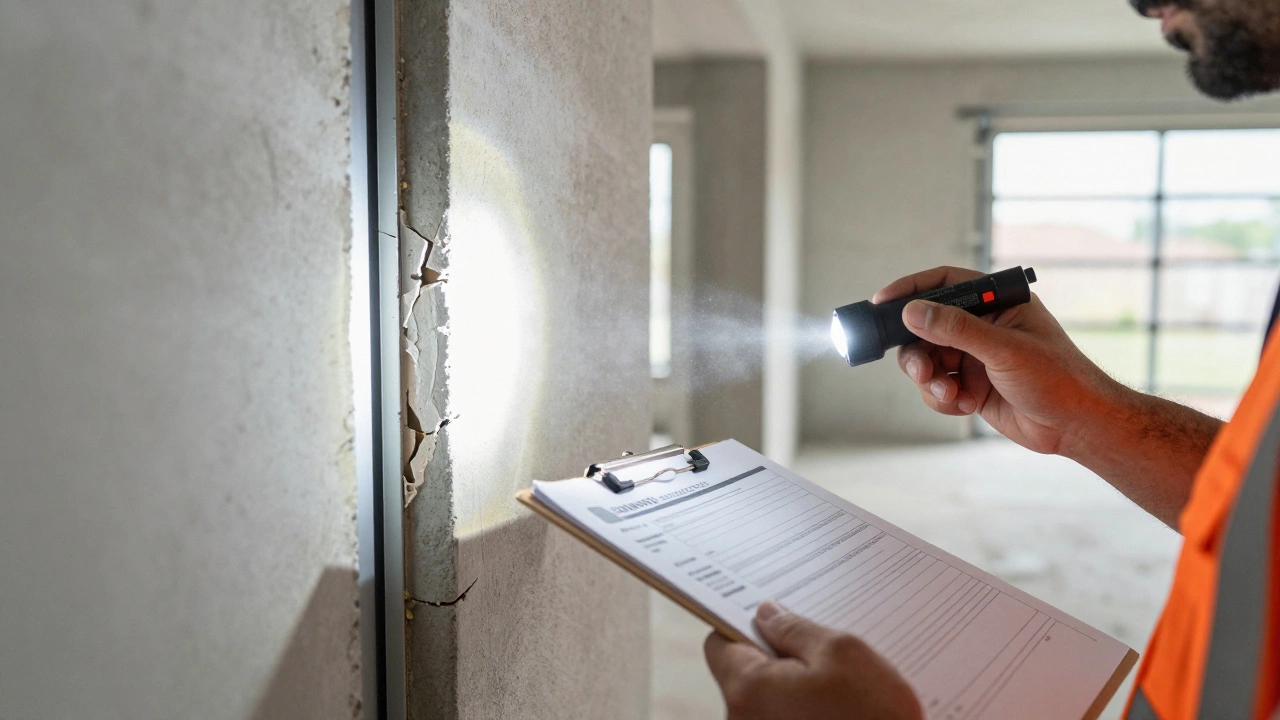
4. Inspect Before Final Settlement Never skip the pre-settlement inspection. Hire an independent building inspector, not one recommended by the builder. Look for cracks in plaster, uneven doors, and poor sealing around windows. Document everything. The builder must fix these issues before you hand over the final payment.
Common Pitfalls to Avoid
New builds are convenient, but they carry risks. Here are three mistakes I see people make regularly:
- Ignoring Orientation: Just because the floor plan looks good doesn't mean it works for your climate. A north-facing deck is great for sun in winter, but a west-facing one will bake your living room in summer. Always check the site plan relative to the sun path.
- Over-customizing Early: Don't fall in love with the show home's color scheme. Trends change fast. Stick to neutral walls and invest in durable, timeless materials for floors and kitchens.
- Skipping the Soil Test: If you are building on a greenfield site, ensure the soil has been tested for stability and contamination. Building on reactive clay without proper engineering can lead to foundation cracks within five years.
Remember, a new build is a long-term investment. The initial savings on cheap fixtures will vanish when you replace them two years later. Focus on things that are hard to change: layout, insulation, and structural integrity.
Are appliances included in a new build?
It depends on the developer. Some include basic whitegoods (oven, cooktop, dishwasher), while others leave the kitchen completely empty. Always check the specification sheet. If appliances are included, verify the brand and model number, as they are often entry-level units.
Is landscaping included in the price?
Rarely. Most new builds include basic turf or seeding. Driveways, retaining walls, fences, and garden beds are usually considered 'external works' and are charged separately. Budget an additional 5-10% of the home's value for landscaping.
Can I customize the floor plan?
Minor changes like moving internal walls or changing door positions are often possible for a fee. Major structural changes usually require new engineering and council approvals, which can delay construction by months and increase costs significantly.
What is a snag list in a new build?
A snag list is a document detailing minor defects found during the final inspection. Examples include scratched tiles, missing grout, or paint drips. The builder is legally obligated to fix these items before or shortly after you take possession.
Do new builds require a building inspection?
Yes. Even though a new home has a warranty, it is still prone to construction errors. An independent pre-settlement inspection identifies issues early, giving you leverage to demand fixes before you sign the final papers.