What Is the Most Expensive Foundation Repair? Costs, Methods & Hidden Fees
Foundation Repair Cost Estimator & Severity Checker
Cost Estimator (NZD)
Add Hidden Costs:
Total Estimated Cost
$42,000
*This is an estimate. Actual costs vary by site conditions.
Do You Need Professional Help? (Red Flag Checklist)
Check the symptoms currently visible in your home. If you have 2 or more, call a specialist immediately.
Common Hidden Costs Explained
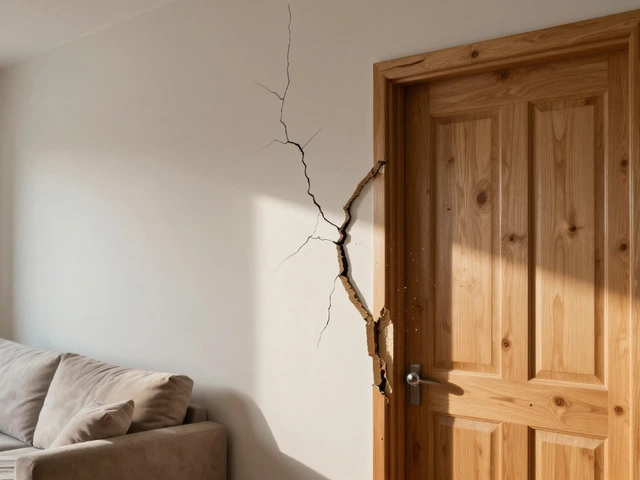
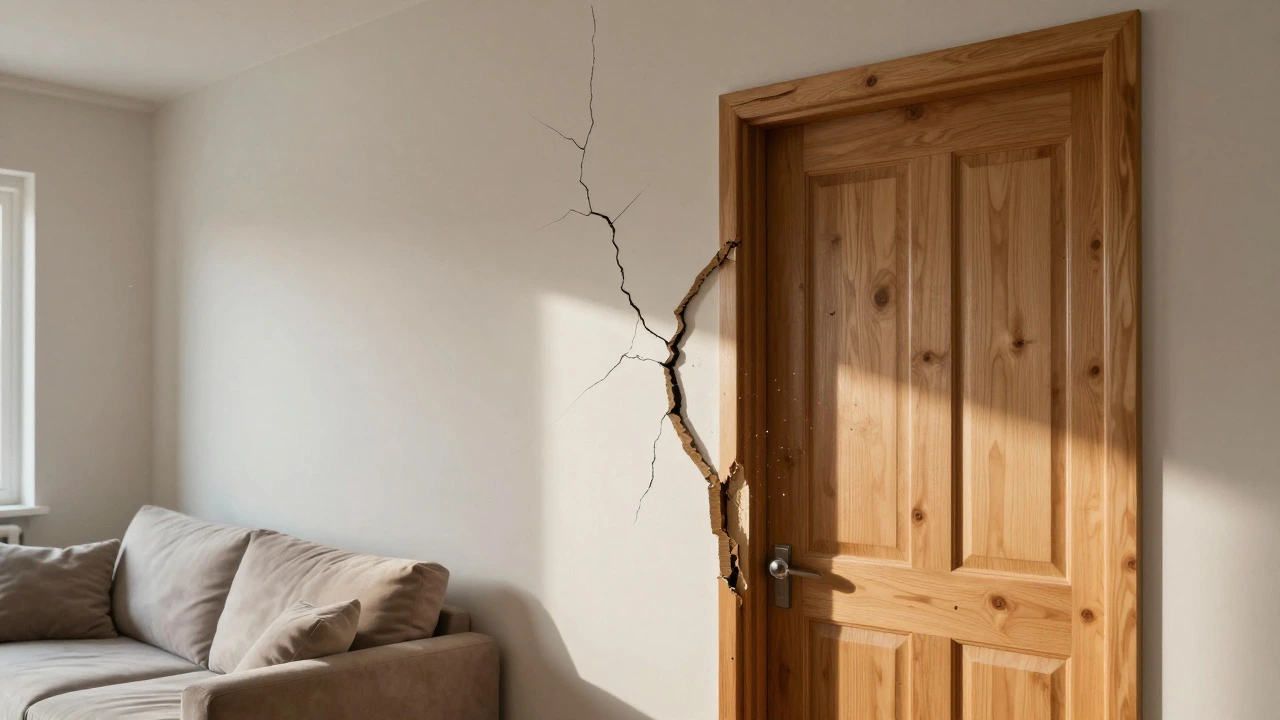
Imagine standing in your living room, watching a crack widen in the wall while your doorframe slowly warps. You call a contractor, and they drop a number that makes your stomach drop. Now you’re wondering: what is the most expensive foundation repair, and why does it cost so much?
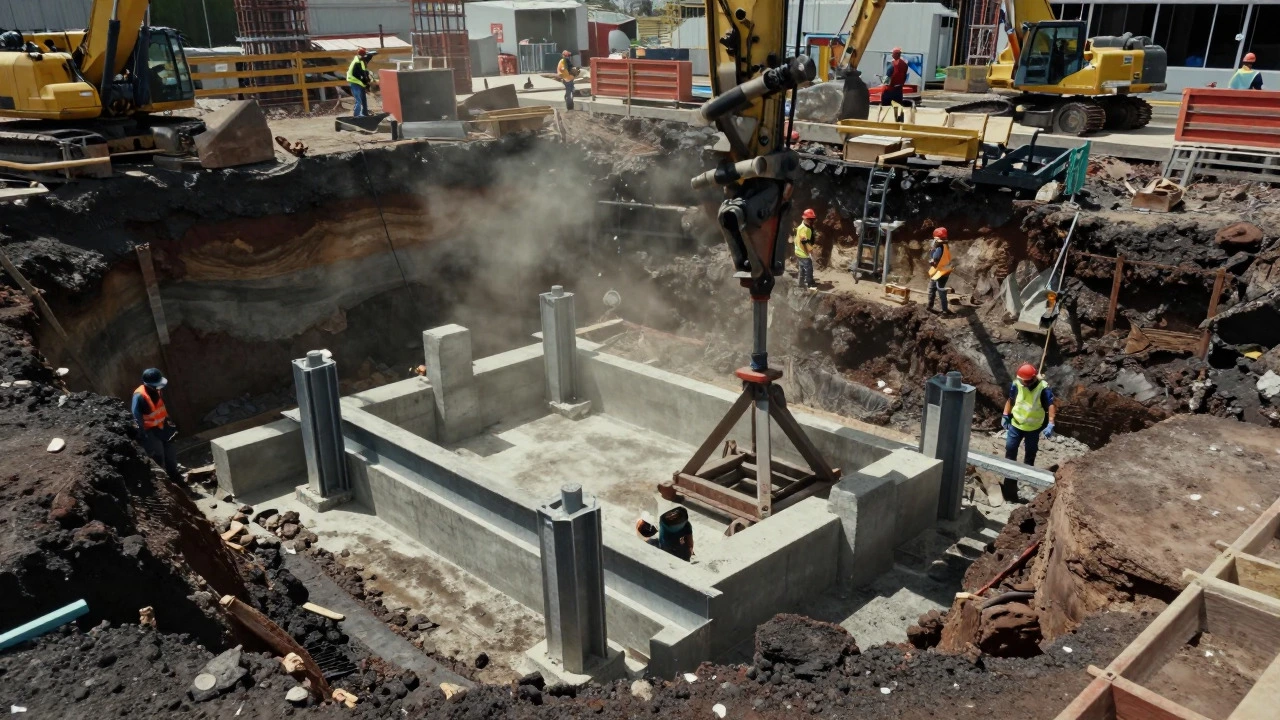
The short answer is underpinning. This method involves digging deep beneath your existing foundation to install new support structures like concrete piers or steel beams. It’s the nuclear option for severe settling, soil instability, or when you want to add extra stories to an older home. But before you panic about the price tag, let’s break down exactly what drives these costs, which repairs are cheaper, and how to avoid getting ripped off.
Why Underpinning Tops the Cost List
Underpinning isn’t just digging a hole and pouring concrete. It’s a complex structural surgery performed on a live building. The process requires careful shoring to keep the house from collapsing during construction, precise excavation often by hand in tight spaces, and the installation of heavy-duty supports that transfer the home’s weight to stable soil layers or bedrock below.
In Auckland, where we deal with volcanic ash soils (known locally as 'ash' or 'loess') that can be unstable when wet, underpinning is sometimes necessary for older homes built on marginal ground. The cost typically ranges from $15,000 to over $60,000 NZD, depending on the size of the foundation and the depth required. Some extreme cases, involving historic buildings or difficult access, can exceed $100,000.
So why is it so pricey? Three main factors:
- Labor Intensity: Skilled engineers and specialized crews work on-site for weeks, not days.
- Equipment: Hydraulic jacks, excavators, and shoring systems are expensive to rent and operate.
- Risk Mitigation: Contractors charge a premium because one mistake means catastrophic damage to your home.
Other High-Cost Foundation Repairs
While underpinning holds the crown for the highest price tag, other methods can still sting your wallet. Understanding these helps you budget realistically if your issue isn’t quite severe enough for full underpinning.
| Repair Method | Average Cost Range (NZD) | Best For | Complexity Level |
|---|---|---|---|
| Helical Piers | $8,000 - $35,000 | Settling foundations, adding decks, light commercial | High |
| Pushed Piers (Resistance Piers) | $10,000 - $40,000 | Heavy homes, deep settlement issues | High |
| Mudjacking (Slabjacking) | $3,000 - $8,000 | Sunken concrete slabs, driveways, patios | Medium |
| Epoxy Injection | $2,000 - $5,000 | Non-structural cracks in basement walls | Low |
| Waterproofing & Drainage Fix | $5,000 - $15,000 | Preventing future water-related settlement | Medium |
Helical piers are screw-like steel shafts twisted into the ground to support foundations. They’re less invasive than underpinning but still require professional installation. If your house has settled unevenly due to poor soil compaction, helical piers can lift and stabilize it without tearing up your entire yard. However, if you need many piers (say, 10+), the cost adds up quickly.
Pushed piers, also known as resistance piers, are steel pipes driven deep into the earth using hydraulic pressure. These are ideal for heavier homes or when the soil near the surface is too weak to hold helical piers. They’re more expensive than helical piers because they require larger equipment and deeper penetration.
Hidden Costs That Blow Your Budget
The quote you get might look reasonable at first glance, but hidden costs can sneak in. Here’s what to watch out for:
- Engineering Reports: Before any major repair, you’ll likely need a geotechnical engineer to assess the soil and a structural engineer to design the fix. In Auckland, this can cost $1,500-$3,000 alone.
- Permits and Council Fees: Local councils require permits for structural changes. Don’t skip this step-unpermitted work can void insurance and cause headaches when selling.
- Interior/Exterior Restoration: After lifting or stabilizing the foundation, you’ll need to patch drywall, repaint, replace flooring, and restore landscaping. This isn’t always included in the foundation repair quote.
- Access Issues: If your home has limited access (tight alleys, overhead power lines, dense trees), contractors may charge extra for specialized equipment or manual labor.
- Unexpected Soil Conditions: Hitting rock, high water tables, or contaminated soil during excavation can delay the project and increase costs.
When Is Expensive Repair Worth It?
Not every crack needs underpinning. Sometimes, homeowners overspend because they’re scared. Other times, they underspend and face bigger problems later. How do you know if you’re facing the most expensive foundation repair scenario?
Look for these red flags:
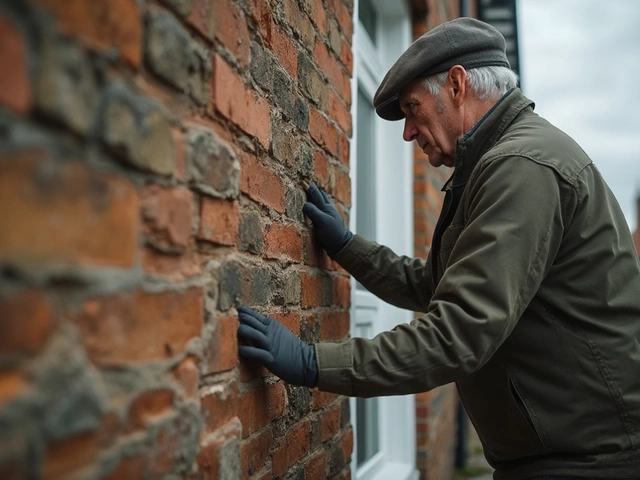
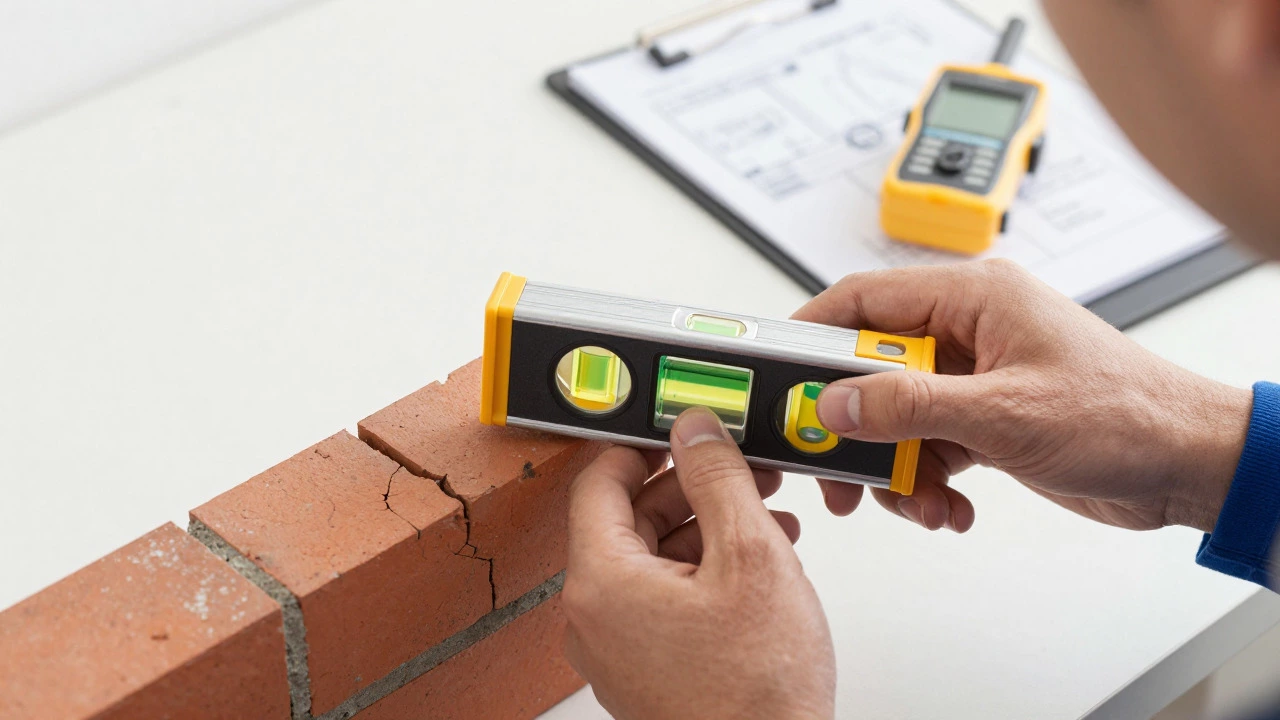
- Stair-step cracks in brick or block walls wider than ¼ inch.
- Doors and windows that stick or won’t close properly.
- Floors that slope noticeably or feel bouncy.
- Gaps between walls and ceilings or floors.
- Cracks in the foundation itself, especially horizontal ones.
If you have two or more of these signs, it’s time to call a professional. A qualified foundation specialist will use laser levels and moisture meters to diagnose the problem accurately. Don’t rely on DIY fixes for serious issues-they often make things worse.
How to Save Money Without Cutting Corners
You don’t have to pay top dollar for quality work. Here are practical tips to keep costs down:
- Get Multiple Quotes: At least three reputable contractors should inspect your home. Compare their recommendations, not just prices.
- Ask About Warranties: Reputable companies offer lifetime warranties on materials and workmanship. This protects you from future issues.
- Fix Drainage First: Often, the root cause of foundation problems is water. Installing proper gutters, downspouts, and grading can prevent further damage and reduce repair scope.
- Consider Partial Repairs: If only one side of your house is settling, you might not need full underpinning. Targeted pier installation could suffice.
- Check Insurance Coverage: While most policies exclude gradual settlement, sudden events like landslides or sinkholes might be covered. Call your insurer early.
Real-Life Example: An Auckland Homeowner’s Story
Last year, a homeowner in Devonport noticed his front door jamming every winter. He ignored it until he saw a crack running along the ceiling. A quick online search led him to a cheap contractor who promised a $5,000 fix. But after digging, the contractor realized the soil was unstable and demanded an additional $20,000 for underpinning.
The homeowner panicked and paid. Six months later, the same issues returned. He hired a second opinion-a certified structural engineer-who diagnosed the real problem: poor drainage causing seasonal swelling and shrinking of the clay soil. The solution? Proper waterproofing and minor pier adjustment for $12,000 total. Lesson learned: cheap quotes often hide expensive surprises.
FAQ
What is the most expensive type of foundation repair?
Underpinning is generally the most expensive foundation repair, costing between $15,000 and $100,000+ NZD depending on severity, location, and accessibility. It involves digging beneath the existing foundation to install new supports, requiring significant labor, equipment, and engineering oversight.
How long does underpinning take?
Underpinning typically takes 2 to 6 weeks, depending on the size of the foundation and complexity of the site. Weather delays, unexpected soil conditions, or council inspections can extend this timeline.
Can I live in my house during foundation repair?
In many cases, yes. Minor repairs like epoxy injection or small-scale pier installation allow you to stay. However, major underpinning may require temporary relocation for safety and convenience, especially if utilities are disrupted or noise/vibration is intense.
Is foundation repair covered by home insurance?
Most standard home insurance policies do not cover gradual foundation settlement due to normal wear and tear. However, sudden events like earthquakes, landslides, or sinkholes may be covered. Check your policy details and consider adding specific endorsements if you live in a high-risk area.
How do I choose a reliable foundation repair contractor?
Look for licensed, insured professionals with verifiable references and case studies. Ask for a detailed written estimate including all potential costs. Avoid contractors who pressure you into immediate decisions or offer unusually low prices. In New Zealand, ensure they comply with Building Code standards and obtain necessary council permits.
What causes foundation problems in Auckland?
Auckland’s volcanic ash soils expand and contract with moisture changes, leading to uneven settlement. Poor drainage, tree roots near foundations, and inadequate initial compaction during construction are common culprits. Regular maintenance and proper grading can mitigate these risks.
Can foundation repair increase my home’s value?
Yes, professionally completed foundation repairs can restore or even increase your home’s market value. Buyers prefer structurally sound homes, and documented repairs with warranties provide peace of mind. Always disclose past repairs honestly during sales.